
If you own cast iron cookware, you know it’s more than just a pan—it’s a kitchen treasure. But to keep it working perfectly and looking great, you need to take care of it the right way.
Imagine cooking your favorite meals without worrying about rust or food sticking to the surface. How? By learning simple maintenance tricks that protect your investment and make your cooking easier. You’ll discover easy steps to clean, season, and store your cast iron so it lasts for years.
Ready to unlock the full potential of your cast iron cookware? Let’s dive in.
Credit: smart.dhgate.com
Choosing The Right Cast Iron
Choosing the right cast iron cookware is the first step to great cooking. The right pan lasts long and cooks food evenly. It also makes cleaning easier and keeps food safe. Understanding different types helps find the best fit for your kitchen.
Types Of Cast Iron Cookware
Cast iron comes in many forms. Skillets are popular for frying and sautéing. Dutch ovens are perfect for slow cooking and stews. Griddles work well for pancakes and sandwiches. Each type serves a unique purpose in cooking.
Some cast iron has a smooth finish, while others are rough. Smooth surfaces are easier to clean. Rough surfaces hold seasoning better, improving non-stick qualities over time. Choose based on how you plan to use it.
Benefits Of Quality Cast Iron
Quality cast iron heats evenly, which prevents hot spots. It keeps heat longer, saving energy. Good cast iron is durable and can last for generations. It also adds iron to food, which is healthy.
Well-made cast iron resists rust with proper care. It improves with use as seasoning builds up. Investing in quality cookware means better cooking results and less worry about damage.
Initial Seasoning Steps
Seasoning cast iron cookware is the first step to protect it from rust and create a natural non-stick surface. Proper seasoning improves cooking performance and extends the pan’s life. The process involves cleaning, applying oil, and baking the pan. Follow these initial seasoning steps carefully for the best results.
Cleaning Before First Use
Start by washing the cast iron with warm water and mild soap. Use a scrub brush or sponge to remove factory oils and dust. Rinse well and dry completely with a towel. Avoid soaking the pan or using harsh detergents. Drying fully prevents rust from forming.
Applying Oil For Seasoning
Choose a cooking oil with a high smoke point, like vegetable or flaxseed oil. Apply a thin, even layer of oil over the entire surface, inside and out. Use a cloth or paper towel to spread the oil. Remove any excess oil to avoid sticky buildup during baking.
Baking The Cookware
Place the oiled pan upside down in a cold oven. Set the oven temperature to 450°F (230°C). Bake the pan for one hour to allow the oil to bond with the metal. Turn off the oven and let the pan cool inside. This process creates a strong, durable seasoning layer.
Daily Cleaning Tips
Maintaining cast iron cookware daily keeps it in great shape. Simple cleaning habits prevent rust and build-up. Follow these daily cleaning tips to extend your pan’s life and keep food tasting fresh.
Avoiding Soap And Harsh Detergents
Soap can remove the pan’s seasoning. Seasoning is the natural non-stick layer. Use warm water and a soft brush instead. Avoid harsh detergents as they strip oils and damage the surface.
Proper Drying Techniques
Water causes rust on cast iron. Always dry the pan thoroughly after washing. Use a towel to wipe it dry. Then, heat the pan on low for a few minutes to remove all moisture.
Removing Stubborn Food Residue
For stuck food, use a gentle scrub with coarse salt. Add salt to the pan and scrub with a sponge. Salt acts like a natural abrasive without harming the seasoning. Rinse with warm water and dry immediately.
:max_bytes(150000):strip_icc()/__opt__aboutcom__coeus__resources__content_migration__serious_eats__seriouseats.com__images__2016__09__20160817-cast-iron-pan-vicky-wasik-1-2-5ca3f25cf17a4a6aa97f4a8c878c63b3.jpg)
Credit: www.seriouseats.com
Maintaining Seasoning Over Time
Maintaining the seasoning on your cast iron cookware is key to its performance and lifespan. Seasoning creates a natural, non-stick surface that improves with use. Regular care helps keep this layer strong and smooth. Without proper maintenance, the seasoning can wear down and cause food to stick. Follow simple steps to keep your cast iron in top shape.
Regular Oil Treatments
After every wash, dry your cast iron well. Apply a thin layer of cooking oil to the surface. Use oils like vegetable, flaxseed, or canola oil. Heat the pan slightly to help the oil absorb. This prevents rust and keeps the seasoning smooth. Regular oiling protects the cast iron and keeps it ready for your next meal.
Re-seasoning When Needed
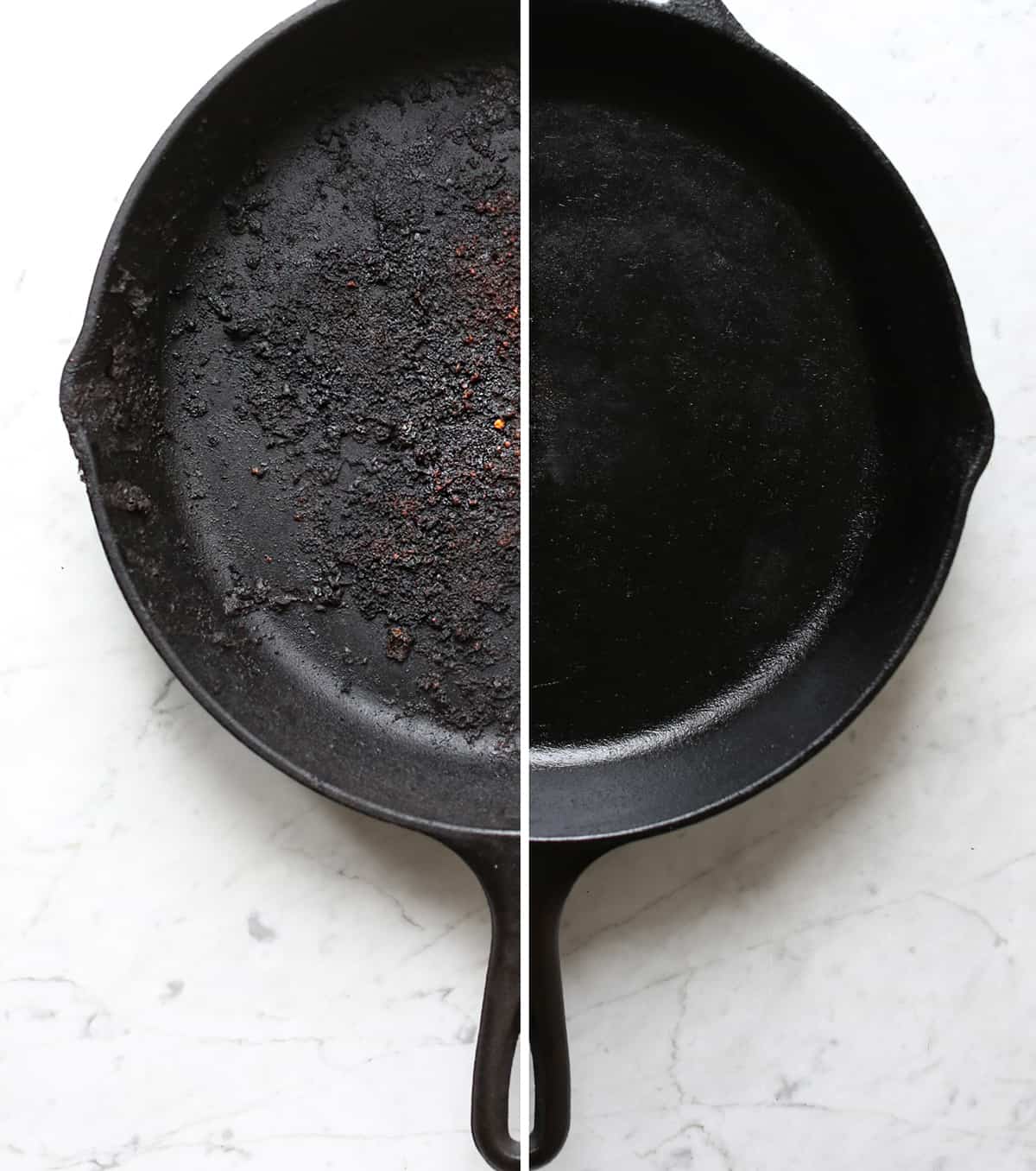
Sometimes, seasoning needs a boost. If food starts sticking or the surface looks dull, it’s time to re-season. Clean the pan with warm water and a brush. Avoid harsh soaps or scrubbing pads. Dry it completely, then apply a thin coat of oil. Bake the pan upside down at 350°F (175°C) for one hour. Let it cool in the oven before storing. This rebuilds the protective layer and restores the non-stick surface.
Signs Of Worn Seasoning
Watch for dull spots or rust patches. Food sticking more than usual is a clear sign. The surface may feel rough or sticky instead of smooth. These signals show your seasoning needs attention. Acting early stops damage and keeps your cast iron cooking well. Regular checks help catch wear before it worsens.
Storage Best Practices
Proper storage keeps cast iron cookware in great shape. It stops damage and keeps the seasoning layer strong. Knowing how to store cast iron helps it last for years. Store it right to avoid rust and other problems.
Preventing Rust
Rust forms when cast iron stays wet or damp. Always dry your cookware completely after washing. Use a soft cloth or heat it on the stove to remove moisture. Avoid stacking wet pans together as this traps water. A light coat of oil on the surface also blocks rust. This simple step keeps your pan shiny and ready to use.
Ideal Storage Conditions
Cast iron needs a dry, cool place for storage. Avoid humid areas like under the sink or near the dishwasher. Store in a cabinet or on open shelves with good air flow. Keep the cookware away from moisture and extreme heat. If you stack pans, place paper towels between them. This stops scratches and lets air circulate.
Troubleshooting Common Issues
Cast iron cookware is tough, but problems can happen. Rust, sticky surfaces, and flaking seasoning are common issues. Fixing these problems helps your pan last longer and cook better. Follow easy steps to keep your cast iron in top shape.
Fixing Rust Spots
Rust can form if your pan stays wet or is not stored well. Use a steel wool pad to scrub the rust gently. Wash the pan with warm water and mild soap. Dry it completely with a cloth or by heating on the stove. Apply a thin layer of oil to protect the surface. Heat the pan in the oven at 350°F for one hour to seal the oil.
Dealing With Sticky Surfaces
Sticky surfaces happen when oil builds up too much during cooking or seasoning. Clean the pan with hot water and a scrub brush to remove the sticky layer. Avoid soap unless very necessary, as it can strip seasoning. Dry the pan well and heat it on the stove. Rub a small amount of oil on the surface and heat for a few minutes. This refreshes the seasoning and stops stickiness.
Restoring Flaking Seasoning
Flaking happens if seasoning is too thick or old. Remove loose flakes by scrubbing with a stiff brush or steel wool. Wash the pan with warm water and dry it fully. Apply a thin coat of oil all over the pan. Bake it upside down in the oven at 400°F for one hour. Let the pan cool inside the oven to keep the new seasoning smooth and strong.
Cooking Tips For Longevity
Cooking with cast iron cookware brings many benefits. It lasts for years and improves with use. To keep it strong and reliable, use smart cooking tips. These tips help protect the surface and keep food tasting great.
Avoiding Acidic Foods
Avoid cooking acidic foods like tomatoes or vinegar often. Acid can break down the seasoning layer on cast iron. This causes rust and damages the pan’s surface. Use cast iron for neutral or low-acid dishes instead. If you cook acidic food, do it briefly and re-season the pan afterward.
Using Proper Heat Levels
Heat cast iron slowly and evenly. High heat can damage the seasoning and warp the pan. Medium or low heat works best for most recipes. Preheat the pan before adding food for better cooking. Use oil to keep food from sticking and protect the surface.

Credit: www.youtube.com
Frequently Asked Questions
How Do I Clean Cast Iron Cookware Properly?
Clean cast iron with hot water and a stiff brush. Avoid soap and soaking. Dry immediately to prevent rust. Reapply oil after cleaning to maintain seasoning and prevent sticking.
How Often Should I Season Cast Iron Pans?
Season your cast iron after every few uses or when food starts sticking. Apply a thin layer of oil, then heat the pan to restore its non-stick surface.
Can I Use Soap On Cast Iron Cookware?
Avoid soap as it can strip the seasoning. If necessary, use mild soap sparingly and re-season the pan afterward to maintain its protective coating.
What Causes Rust On Cast Iron Cookware?
Rust forms from moisture left on the pan or improper drying. Always dry cast iron thoroughly and apply a thin oil layer to prevent rust.
Conclusion
Taking care of cast iron cookware keeps it strong and useful. Clean it gently after each use. Dry it well to stop rust. Apply a thin layer of oil to protect the surface. Store it in a dry place. Cast iron lasts long with simple care.
Enjoy cooking with your well-maintained pan every day. Small steps make a big difference in keeping it great. Trust these tips for a happy kitchen companion. Your cast iron will serve you for many years.

Hello, This is Annie Walker, a 38-year-old blogger, founder, and editor of Cookware Guider from NY, USA. I am a cookware fanatic and passionate cooker. I love to cook with different types of cooking appliances (example: all types of cookware, rice cookers, slow cookers, etc) almost every day in my kitchen. I love to share my experience with my readers in my blog. Also, I enjoy helping people to solve their problems through my website. You can follow me on Twitter & Pinterest. To know details about my blog please check the about us page.