
Pan frying chicken is a skill every home cook should master. It gives you juicy meat with a crispy, golden crust—something that’s hard to achieve with baking or boiling. If you want delicious chicken that’s fast, easy, and full of flavor, pan frying is a great method.
In this guide, you’ll learn step-by-step how to pan fry chicken, what equipment to use, how to avoid common mistakes, and ways to make your chicken taste even better. Whether you’re new to cooking or just want to improve, this article will help you get perfect results every time.
Choosing The Right Chicken Cuts
The cut of chicken you use changes the flavor, texture, and cooking time. Most people pan fry chicken breasts or thighs, but other cuts work too.
- Chicken breasts are lean and cook quickly. They’re good for a light meal but can dry out if you overcook.
- Chicken thighs have more fat. They stay juicy and have a richer flavor.
- Chicken tenders are small strips from the breast. They cook very fast and are often used for kids.
- Bone-in cuts like drumsticks or wings are less common for pan frying but can work if you control the heat.
For beginners, boneless, skinless chicken breasts or thighs are easiest. They cook evenly and are simple to handle.
Comparison Of Chicken Cuts
Here’s a quick look at how different cuts compare for pan frying:
| Cut | Cooking Time (minutes) | Juiciness | Difficulty |
|---|---|---|---|
| Breast | 6-8 | Medium | Easy |
| Thigh | 8-10 | High | Easy |
| Tender | 4-5 | Medium | Very Easy |
| Bone-in Drumstick | 12-15 | High | Medium |
Preparing Chicken For Pan Frying
Preparation is key. If you skip important steps, your chicken may turn out bland or dry.
Trimming And Flattening
Trim any excess fat or skin from your chicken. For breasts, use a meat mallet to pound them to an even thickness—about ¾ inch. This helps the chicken cook evenly.
Seasoning
Basic seasoning makes a big difference. A simple mix of salt, pepper, and garlic powder works well. You can add paprika or herbs if you like. For extra flavor, marinate your chicken in lemon juice, olive oil, and spices for at least 30 minutes.
Breading (optional)
Some people like breaded chicken for a crunchy crust. Dip the chicken in flour, then egg, then breadcrumbs. If you want a lighter meal, skip breading and just use seasoning.
Credit: www.budgetbytes.com
Essential Equipment And Ingredients
You don’t need fancy tools, but some basics help:
- Heavy skillet (cast iron or stainless steel): Gives even heat and better browning.
- Tongs: Makes turning chicken easy.
- Instant-read thermometer: Checks doneness without cutting the meat.
- Paper towels: Helps remove excess moisture for a crispier crust.
Ingredient Checklist
- 2 boneless, skinless chicken breasts or thighs
- 1 cup all-purpose flour (optional, for breading)
- 2 eggs (optional, for breading)
- 1 cup breadcrumbs (optional, for breading)
- 1 teaspoon salt
- ½ teaspoon black pepper
- ½ teaspoon garlic powder
- 2 tablespoons olive oil or canola oil
- Lemon juice (for marinade, optional)
- Fresh herbs (optional)
Step-by-step Guide: How To Pan Fry Chicken
Let’s go through the process, from start to finish. Each step matters for flavor and texture.
1. Dry The Chicken
Pat your chicken dry with paper towels. Removing moisture helps the surface crisp up and prevents splattering.
2. Flatten And Season
If using breasts, pound to even thickness. Season with salt, pepper, and any other spices you prefer.
3. Heat The Pan
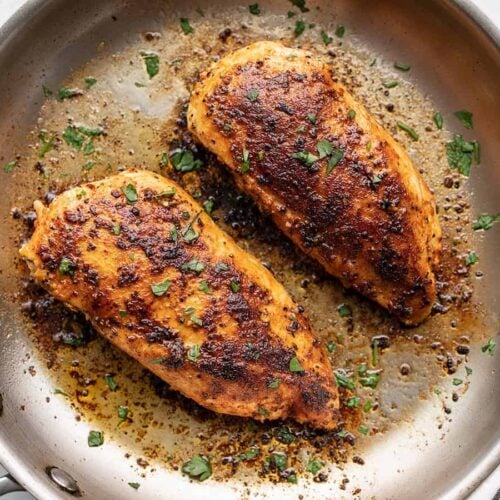
Put your skillet on medium-high heat. Add oil and let it heat until shimmering but not smoking. The oil should cover the bottom of the pan.
4. Add The Chicken
Place chicken in the pan. Don’t overcrowd—leave space around each piece. If your pan is small, cook in batches.
5. Cook Without Moving
Let the chicken cook for 4–5 minutes without moving it. This helps build a golden crust. If breaded, check for a deep, crispy color.
6. Flip And Finish
Turn the chicken with tongs. Cook another 4–5 minutes. If breasts are thick, cover the pan for the last 2 minutes to finish cooking.
7. Check Doneness
Use an instant-read thermometer. Chicken should reach 165°F (74°C) in the thickest part. If you don’t have a thermometer, cut into the center—juices should run clear, not pink.
8. Rest And Serve
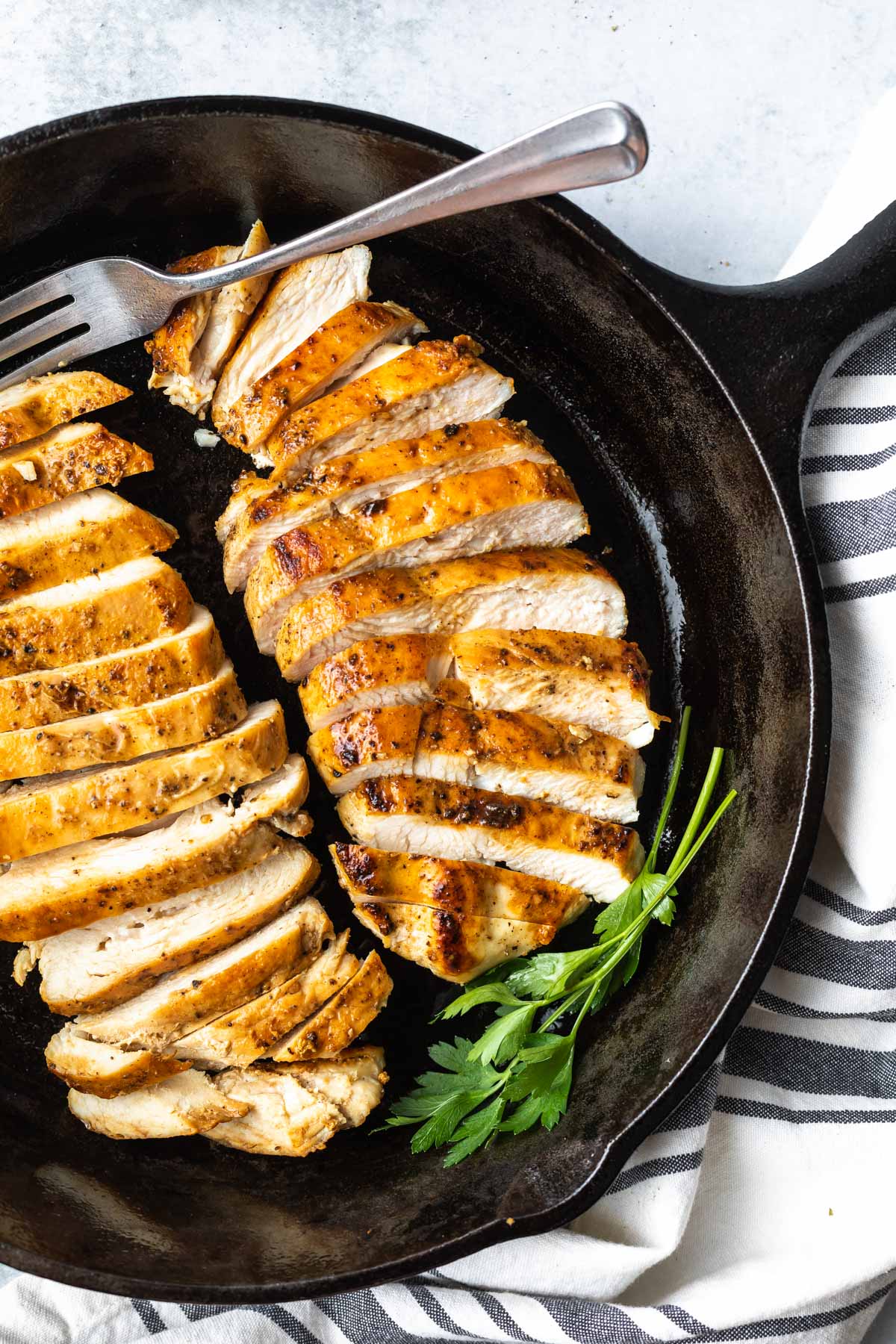
Remove chicken from the pan. Let it rest for 3–5 minutes. This keeps the juices inside. Slice and serve with your favorite sides.
Cooking Tips For Perfect Pan Fried Chicken
Experience teaches you tricks that recipes often miss. Here are some important tips:
- Don’t cook cold chicken: Let your chicken sit at room temperature for 15 minutes before cooking. Cold meat cooks unevenly.
- Use the right oil: Oils with a high smoke point, like canola or peanut, work best. Olive oil is fine but can burn at high heat.
- Don’t overcrowd: Too many pieces cool the pan and make chicken soggy.
- Adjust heat: If chicken browns too fast, lower the heat. If it’s pale, turn the heat up.
- Add butter: For extra flavor, add a tablespoon of butter in the last minute of cooking.
Common Mistakes And How To Avoid Them
Even experienced cooks make errors. Here’s what to watch out for:
- Overcooking: Chicken dries out if you cook past 165°F. Use a thermometer.
- Too much moisture: Not drying chicken leads to steam, not crispiness.
- Wrong oil: Butter alone burns. Use oil first, then add butter for flavor.
- Uneven thickness: Chicken cooks unevenly if not flattened.
- Skipping rest: Cutting right away lets juices escape.
These mistakes are easy to fix. Focus on temperature, moisture, and thickness for best results.
Variations: Adding Flavor And Texture
Pan fried chicken doesn’t have to be plain. Try different seasonings, breadings, and sauces.
Seasoning Ideas
- Italian: Add oregano, basil, and garlic powder.
- Asian: Use soy sauce, ginger, and sesame seeds.
- Spicy: Add cayenne pepper or chili flakes.
Breaded Vs. Unbreaded
Breaded chicken is crunchier. Unbreaded is lighter and gluten-free.
| Type | Texture | Calories (per 4 oz) | Best For |
|---|---|---|---|
| Breaded | Crispy | 320 | Kids, sandwiches |
| Unbreaded | Juicy | 190 | Healthy meals |
Sauce Ideas
- Lemon butter: Mix lemon juice and melted butter.
- Honey mustard: Combine honey and Dijon mustard.
- Tomato salsa: Use chopped tomatoes and herbs.
Pan Frying Chicken: Nutrition Facts
Chicken is a healthy source of protein. Here’s what you get in a typical serving:
| Type | Protein (g) | Fat (g) | Calories |
|---|---|---|---|
| Chicken breast (unbreaded) | 24 | 3 | 120 |
| Chicken thigh (unbreaded) | 19 | 9 | 170 |
| Breaded chicken breast | 22 | 8 | 320 |
Breaded chicken has more calories and fat because of oil and breadcrumbs. If you want a lighter meal, go for unbreaded chicken.
Serving Suggestions
Pan fried chicken goes with almost anything. Here are some ideas:
- Salads: Slice chicken and add to green salads.
- Sandwiches: Use breaded chicken for crispy sandwiches.
- Rice or pasta: Serve with tomato sauce or pesto.
- Vegetables: Pair with steamed or roasted veggies.
For extra freshness, squeeze lemon juice over your chicken before serving.
How Pan Frying Compares To Other Methods
Pan frying is faster than baking and gives a crispier crust than boiling. Here’s how it stacks up:
| Method | Cooking Time | Texture | Flavor |
|---|---|---|---|
| Pan frying | 8-10 min | Crispy outside, juicy inside | Rich, savory |
| Baking | 25-30 min | Soft, less crisp | Mild |
| Boiling | 15-20 min | Soft, moist | Plain |
Credit: www.simplywhisked.com
Cleaning Up After Pan Frying
Cooking is fun, but cleanup matters. Hot oil can splatter, so wipe surfaces with paper towels and use warm, soapy water for your skillet. If you use cast iron, dry it well and add a thin layer of oil to keep it seasoned.
Non-obvious Insights
Beginners often miss two things:
- Resting chicken is crucial. It’s tempting to eat right away, but resting keeps the meat juicy. Many chefs say resting is as important as cooking.
- Oil temperature matters more than you think. If your oil isn’t hot enough, chicken absorbs oil and gets greasy. If it’s too hot, the outside burns and the inside stays raw. Listen for a gentle sizzle—not wild popping.
For more cooking science, visit Serious Eats.
:max_bytes(150000):strip_icc()/Super-crispy-pan-fried-chicken-FT-RECIPE0424-a68ea095e01546e6975327efca99e872.jpg)
Credit: www.foodandwine.com
Frequently Asked Questions
How Can I Tell When My Pan Fried Chicken Is Done?
The best way is using a meat thermometer. The internal temperature should reach 165°F (74°C). If you don’t have a thermometer, cut into the thickest part—the juices should be clear, not pink.
Can I Use Bone-in Chicken For Pan Frying?
Yes, but it takes longer. Bone-in pieces, like drumsticks, need 12–15 minutes. Keep the heat low to prevent burning and cover the pan to help cook through.
What Oil Is Best For Pan Frying Chicken?
Use oils with a high smoke point like canola, peanut, or sunflower oil. Olive oil works if you keep the heat lower. Avoid butter alone because it burns fast.
Why Is My Chicken Always Dry?
Dry chicken is usually overcooked or too thin. Flatten to an even thickness and cook only until 165°F. Let the meat rest before cutting.
Can I Pan Fry Frozen Chicken?
No. Frozen chicken releases water, making it hard to get crispy. Thaw chicken fully and dry it before cooking for best results.
Pan frying chicken is easy once you understand the basics. With the right cut, seasoning, and technique, you’ll get juicy, flavorful chicken every time. Try different flavors, watch your oil, and don’t forget to let your chicken rest. The more you practice, the better your results will be.

Hello, This is Annie Walker, a 38-year-old blogger, founder, and editor of Cookware Guider from NY, USA. I am a cookware fanatic and passionate cooker. I love to cook with different types of cooking appliances (example: all types of cookware, rice cookers, slow cookers, etc) almost every day in my kitchen. I love to share my experience with my readers in my blog. Also, I enjoy helping people to solve their problems through my website. You can follow me on Twitter & Pinterest. To know details about my blog please check the about us page.