
If you love cooking with stainless steel cookware, you know how great it feels to have pots and pans that shine and perform perfectly. But what happens when those shiny surfaces start to develop rust spots?
It can be frustrating and disappointing, especially when you want your cookware to last for years. You might think rust is unavoidable, but the truth is, there are simple and effective ways to keep your stainless steel cookware looking new and rust-free.
You’ll discover practical tips that protect your investment and make your cooking experience even better. Keep reading to learn how to prevent rust and keep your cookware in top shape.
Credit: www.reddit.com
Causes Of Rust On Stainless Steel
Rust on stainless steel cookware can be confusing. Stainless steel is known for resisting rust. Still, rust spots can appear. Understanding what causes rust helps keep your cookware clean and shiny.
Common Triggers For Rust
Rust forms when iron reacts with oxygen and water. Stainless steel has a thin layer of chromium. This layer protects it from rust. Scratches or damage can break this layer. Once broken, rust can start to form. Using harsh scrubbing pads or metal tools can cause scratches. Leaving cookware wet for a long time also triggers rust.
Impact Of Water And Moisture
Water is a main cause of rust. Moisture stays on cookware after washing. If not dried well, water sits on the surface. This keeps the metal wet for a long time. Standing water or droplets can cause tiny rust spots. Using a towel to dry your cookware helps prevent rust. Storing cookware in a dry place also reduces moisture exposure.
Effect Of Salt And Acidity
Salt and acidic foods can damage stainless steel. Salt speeds up the rusting process. Acidic foods like tomato sauce or vinegar can break the protective layer. Leaving salty or acidic residues on cookware invites rust. Clean your cookware soon after cooking salty or acidic meals. This keeps the surface safe from corrosion.

Credit: stahlkitchens.com
Choosing Quality Stainless Steel
Choosing the right stainless steel is key to stopping rust in your cookware. Quality steel lasts longer and stays shiny. It can handle heat and cleaning better. This saves money and keeps your food safe. Learn to spot good steel for your kitchen.
Different Grades Explained
Stainless steel comes in many grades. Each grade has a mix of metals. The common ones are 18/10, 18/8, and 18/0. The first number means 18% chromium. Chromium fights rust. The second number is nickel. Nickel adds shine and strength.
18/10 has 10% nickel, the best for cookware. It resists rust and scratches well. 18/8 is also good but less shiny. 18/0 has no nickel. It can rust faster and is less durable. Choose 18/10 or 18/8 for longer use.
Signs Of Durable Cookware
Good stainless steel feels heavy and solid. Thin pots may bend and wear fast. Look for a smooth and shiny surface. Rough or dull steel might rust sooner. A strong base helps even heat. Check if the cookware has a thick bottom layer.
Brands that list the grade show they trust their product. Also, check for a warranty. Longer warranties mean better quality. Pick cookware that fits these signs. It saves money and stops rust problems.
Proper Cleaning Techniques
Proper cleaning techniques play a key role in stopping rust on stainless steel cookware. Keeping your pots and pans clean prevents build-up that can cause damage. Simple habits during cleaning extend the life of your cookware. Follow these tips for safe and effective cleaning.
Safe Cleaning Agents
Choose gentle cleaning agents like mild dish soap or baking soda. Harsh chemicals can harm the steel surface. Avoid bleach or strong acidic cleaners. These can cause discoloration and rust spots. Use warm water with soap for everyday cleaning. Baking soda works well to remove stains without scratching.
Avoiding Abrasive Materials
Do not use steel wool or rough scrubbers. They scratch the surface and expose metal to rust. Use soft sponges or microfiber cloths instead. Plastic scrubbers are safe for tougher stains. Gentle scrubbing keeps the cookware smooth and rust-free. Be careful with scouring pads; choose non-abrasive types only.
Rinsing And Drying Tips
Rinse cookware thoroughly after washing. Soap residue can cause spots and corrosion. Use warm water to remove all cleaning agents. Dry immediately with a soft towel. Air drying can leave water spots and promote rust. Store cookware dry and in a well-ventilated place. Proper drying is key to preventing rust formation.
Credit: www.skottsberg.com
Regular Maintenance Habits
Regular maintenance keeps stainless steel cookware safe from rust. Small daily habits protect your pots and pans. These habits help keep the cookware shiny and strong. A clean, well-cared-for surface resists rust better. Two key steps in maintenance are seasoning and polishing.
Seasoning Stainless Steel
Seasoning forms a thin, protective layer on the cookware. Heat a small amount of oil in the pan. Spread the oil evenly over the entire surface. Let the pan cool, then wipe off extra oil. This layer prevents moisture from causing rust. Repeat seasoning regularly for the best protection.
Polishing For Longevity
Polishing removes stains and restores shine. Use a gentle cleaner made for stainless steel. Apply with a soft cloth and rub in circles. Polishing clears away tiny scratches and rust spots. It helps the cookware look new for longer. Polish your cookware once a month to keep it bright.
Storage Practices To Prevent Rust
Proper storage is key to keeping stainless steel cookware rust-free. Moisture and scratches can cause rust spots to appear over time. Safe storage helps maintain the cookware’s shine and strength. It also extends the life of your pots and pans.
Storing cookware in a clean, dry place reduces exposure to water and humidity. Avoid cluttered spaces where air cannot circulate. This keeps the metal dry and less likely to corrode. Following simple storage habits protects your investment.
Dry Storage Options
Choose a dry cabinet or shelf for your cookware. Avoid storing near the sink or dishwasher. Use a cloth or paper towel to wipe the cookware dry before storing. Moisture left on the surface invites rust formation. A well-ventilated area helps keep the cookware dry and shiny.
Avoiding Stacking Damage
Stacking pots and pans can cause scratches and dents. These damages create spots where rust can start. Place a soft cloth or paper towel between each item. This prevents metal surfaces from touching. Use hooks or racks to hang cookware when possible. This method reduces contact and keeps each piece safe.
Dealing With Rust Spots
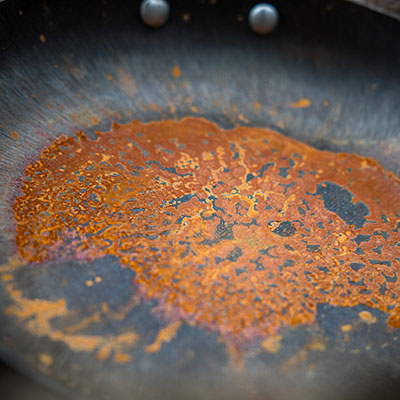
Rust spots on stainless steel cookware can be annoying and affect its look. These spots form when the metal gets wet and air touches it. Removing rust early stops it from spreading and keeps your cookware safe. The following methods help you clean rust spots easily and safely.
Home Remedies
Baking soda works well to remove rust spots. Make a thick paste with baking soda and water. Rub the paste gently on the rust spots using a soft cloth. Let it sit for 15 minutes. Rinse with warm water and dry completely.
White vinegar is another good option. Soak a cloth in vinegar and place it on the rust spots. Leave it for 10 to 20 minutes. Then scrub gently with a soft brush or sponge. Wash and dry the cookware thoroughly.
Lemon juice and salt also help. Sprinkle salt on the rust area and squeeze lemon juice over it. Let it sit for a few hours in sunlight. Scrub gently and rinse well. Dry your cookware to stop new rust from forming.
Commercial Rust Removers
Buy rust removers made for kitchen use. These products remove rust fast and protect the metal. Follow the instructions on the label carefully. Usually, you apply the remover, wait a few minutes, then wipe or scrub the rust away.
Choose removers that are safe for food contact surfaces. Avoid harsh chemicals that can damage the cookware. After using commercial removers, wash the cookware with warm soapy water and dry it well.
Regular use of commercial rust removers can keep your stainless steel cookware clean and rust-free. Store your cookware in dry places to prevent rust spots from coming back.
Preventing Rust During Cooking
Rust can appear on stainless steel cookware during cooking. Preventing rust helps keep your pans shiny and safe for food. Small habits during cooking reduce rust risks. Focus on heat and utensil choices to protect your cookware.
Avoiding High Heat Damage
High heat can damage stainless steel and cause rust spots. Use medium or low heat for most cooking tasks. Let the pan warm up slowly to avoid warping. Do not leave an empty pan on high heat. Heat damage breaks the protective layer on the steel.
Using Suitable Utensils
Metal utensils can scratch stainless steel and expose it to rust. Use wooden, silicone, or plastic utensils instead. These materials are gentle and keep the cookware surface smooth. Avoid sharp tools that can chip or scratch the steel. Smooth surfaces resist rust better and last longer.
Frequently Asked Questions
How Can I Stop Stainless Steel Cookware From Rusting?
To prevent rust, always dry your stainless steel cookware immediately after washing. Avoid prolonged water exposure and store in a dry place.
Does Seasoning Stainless Steel Cookware Prevent Rust?
Yes, seasoning creates a protective layer that reduces rust risk. Apply a thin oil coat after cleaning and heating the cookware.
What Cleaning Methods Prevent Rust On Stainless Steel?
Use mild detergents and avoid abrasive scrubbers. Rinse thoroughly and dry immediately to maintain the cookware’s rust resistance.
Can Vinegar Remove Rust From Stainless Steel Cookware?
Yes, vinegar’s acidity helps dissolve rust. Soak a cloth in vinegar, apply it to rust spots, then scrub gently and rinse.
Conclusion
Taking care of stainless steel cookware helps it last longer. Clean and dry your pots and pans right after use. Avoid harsh scrubbing or strong chemicals that can damage the surface. Store cookware in a dry place to stop rust from forming.
Small steps make a big difference in keeping your kitchen tools shiny and rust-free. Enjoy cooking with cookware that stays strong and beautiful for years. Simple habits protect your investment and keep meals safe and tasty.

Hello, This is Annie Walker, a 38-year-old blogger, founder, and editor of Cookware Guider from NY, USA. I am a cookware fanatic and passionate cooker. I love to cook with different types of cooking appliances (example: all types of cookware, rice cookers, slow cookers, etc) almost every day in my kitchen. I love to share my experience with my readers in my blog. Also, I enjoy helping people to solve their problems through my website. You can follow me on Twitter & Pinterest. To know details about my blog please check the about us page.