
Choosing the right stainless steel cookware can change the way you cook—and enjoy—your meals. But with so many options out there, how do you know which set is truly worth your money?
You want pots and pans that heat evenly, last for years, and look great in your kitchen. In this guide, you’ll discover simple tips that make picking the perfect stainless steel cookware easy and stress-free. Keep reading, and you’ll soon feel confident making a choice that fits your cooking style and budget perfectly.
Credit: www.walmart.com
Benefits Of Stainless Steel Cookware
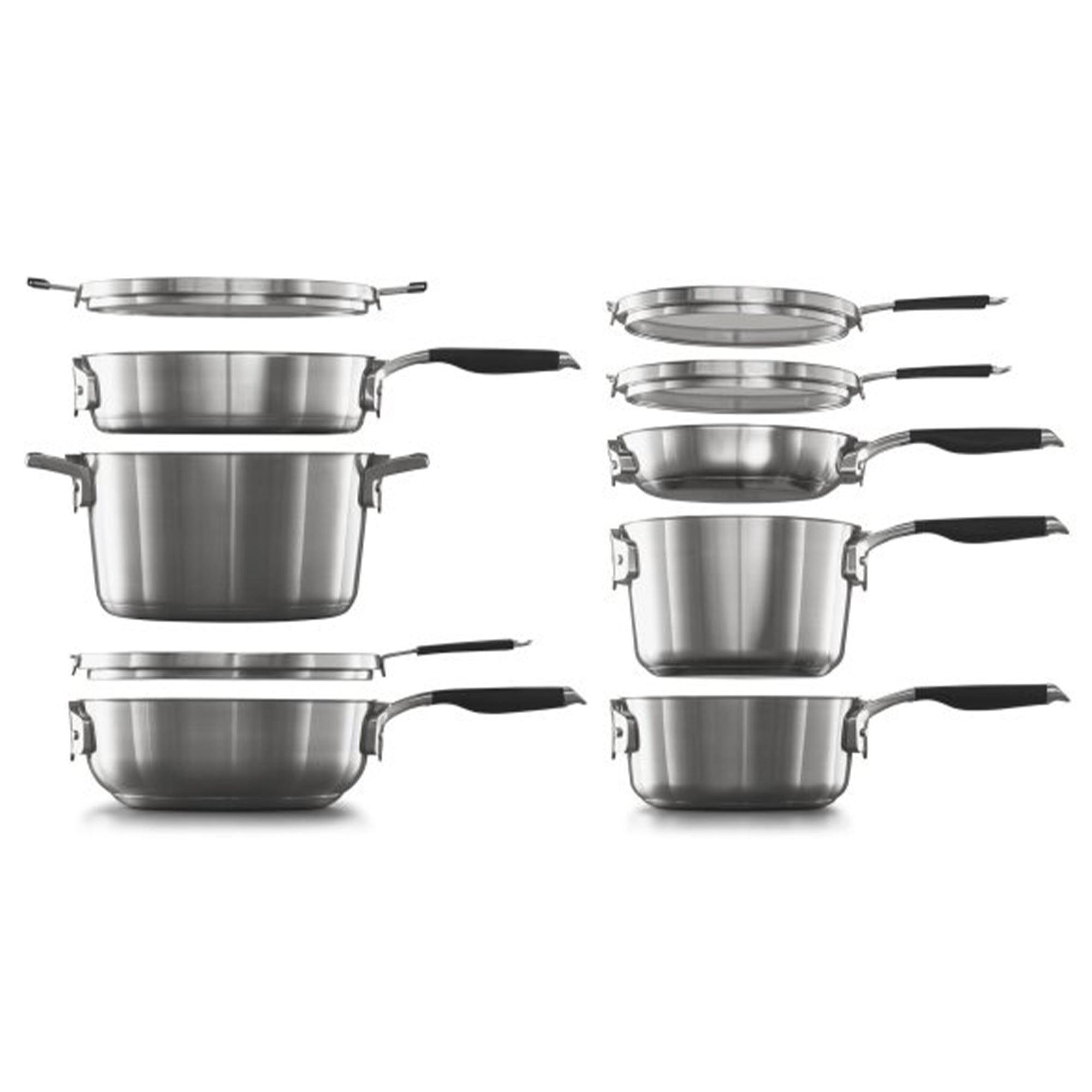
Stainless steel cookware offers many benefits that make it popular in kitchens. It is strong, safe, and easy to use. These qualities help cooks prepare meals with confidence and ease. Understanding the benefits helps in choosing the right cookware for your needs.
Durability And Longevity
Stainless steel is very tough and resists dents and scratches. It does not rust or stain easily. This means your cookware can last for many years. You can use it daily without worry of damage.
Heat Distribution
Good stainless steel cookware spreads heat evenly. This stops hot spots that burn food. It helps cook meals more evenly and saves energy. Your food cooks better and tastes great.
Non-reactive Surface
Stainless steel does not react with acidic or alkaline foods. This keeps food flavors pure and safe. It does not change the color or taste of your dishes. You can cook any recipe without concern.
Ease Of Maintenance
Cleaning stainless steel cookware is simple. It can be washed by hand or in the dishwasher. It does not need special cleaners or treatments. A quick scrub keeps it shiny and ready to use.
Credit: www.homedepot.com
Key Features To Look For
Choosing stainless steel cookware requires attention to several important features. These features affect cooking performance, durability, and ease of use. Knowing what to check helps pick the best set for your kitchen.
Grade And Composition
Stainless steel grades affect strength and rust resistance. Look for 18/10 stainless steel. It has 18% chromium and 10% nickel. This mix keeps cookware shiny and strong. Avoid lower grades as they may rust or stain easily.
Construction And Layers
Cookware with multiple layers heats food evenly. Many good pans have a core of aluminum or copper. These metals spread heat fast and well. The stainless steel outside gives durability and a smooth surface. More layers often mean better cooking results.
Handle Design And Comfort
Handles should stay cool and feel secure. Look for riveted handles, not glued or welded ones. Ergonomic handles reduce hand strain during cooking. Choose handles that fit your grip well and stay firm on the pan.
Lid Compatibility
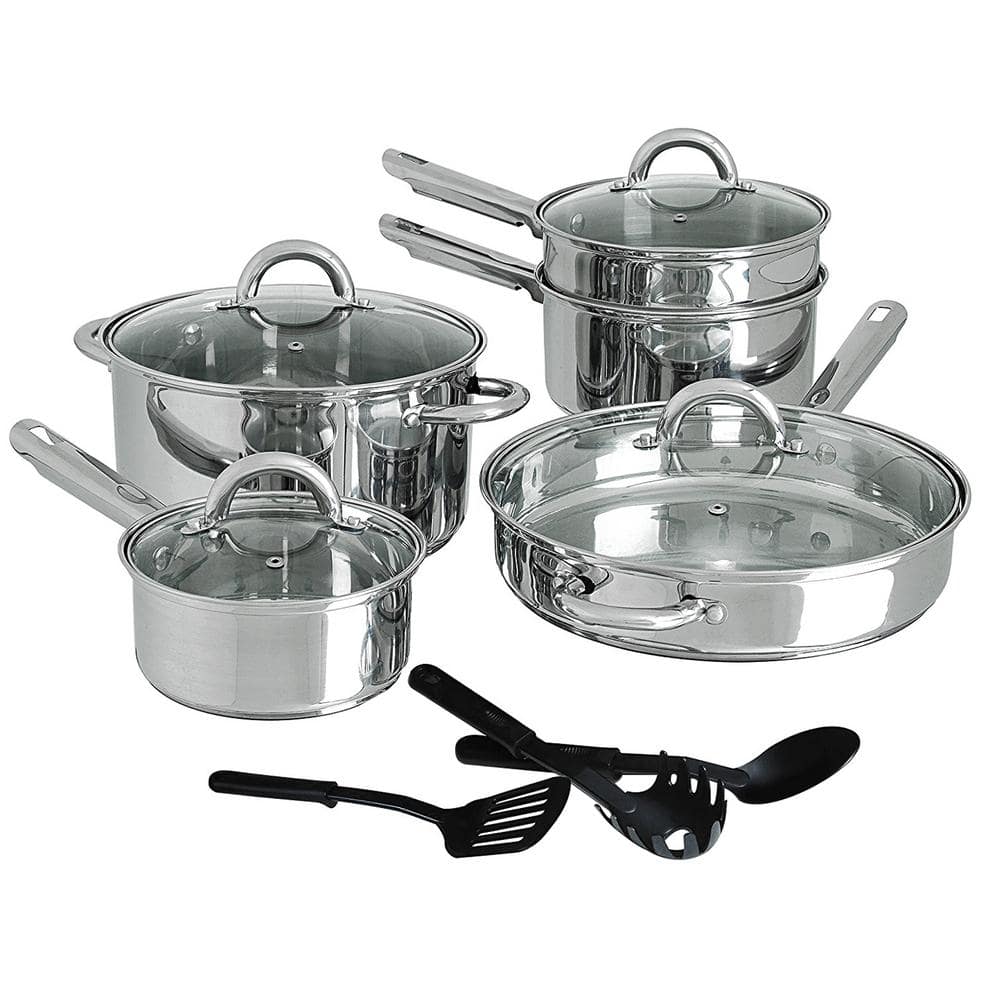
A well-fitting lid traps heat and moisture. Check if lids fit tightly on the cookware. Glass lids help watch food without lifting the cover. Make sure the lid material matches your cooking style and needs.
Types Of Stainless Steel Cookware
Stainless steel cookware comes in several types. Each type offers unique benefits for your kitchen. Understanding these types helps you pick the right set for your cooking style and budget.
Clad Cookware
Clad cookware means layers of metal are fused together. The most common is stainless steel with aluminum or copper inside. This design spreads heat evenly and prevents hot spots. It cooks food more gently and saves energy.
Tri-ply Vs Multi-ply
Tri-ply cookware has three layers: usually stainless steel, aluminum, and stainless steel. It balances heat distribution and durability. Multi-ply cookware has five or more layers. These extra layers improve heat control and make pots stronger. Multi-ply often costs more but lasts longer.
Magnetic Vs Non-magnetic
Magnetic stainless steel works with induction cooktops. Non-magnetic types do not. You can test with a magnet; if it sticks, it’s magnetic. Choose magnetic if you have an induction stove. Non-magnetic is fine for gas or electric ranges.
Size And Shape Considerations
Choosing the right size and shape of stainless steel cookware matters a lot. It affects how well you cook and how easy it is to handle the pans. Pots and pans come in many sizes and shapes. Each one serves a different cooking need.
Knowing which sizes and shapes to pick helps you save space and cook better meals. Some pans fit big meals, while others are perfect for small dishes. Picking the right cookware makes cooking more fun and less stressful.
Choosing The Right Pan Sizes
Start with basic pan sizes for everyday cooking. A 10-inch skillet works well for frying eggs and sautéing vegetables. A 3-quart saucepan is good for sauces and small soups. Larger pots, like 6-quart stockpots, suit boiling pasta or making large soups.
Think about how many people you cook for. Smaller pans save space but may not hold enough food. Bigger pans cook large meals but take more storage room. Pick sizes that match your usual cooking needs.
Specialty Pieces To Include
Besides basic pans, add a few specialty pieces for variety. A sauté pan with tall sides helps cook foods with sauces. A grill pan gives food nice grill marks and flavor. A small saucepan is handy for melting butter or warming milk.
These specialty pans make cooking easier for certain dishes. They also add flexibility to your kitchen. Choose pieces that suit your favorite recipes and cooking style.
Compatibility With Cooking Surfaces
Choosing stainless steel cookware means checking how well it works with your stove or cooking surface. Some cookware works better on certain surfaces. Knowing this helps avoid damage and cooks food evenly.
Check the base of the cookware. It should match your cooking surface for best results. This section explains how stainless steel pans fit with different stove types and oven use.
Induction Cooktops
Induction stoves use magnets to heat pots. Stainless steel cookware must be magnetic to work. Look for labels that say “induction compatible.”
Cookware with a flat, magnetic base heats quickly on induction. Avoid pans with warped or uneven bottoms. They won’t touch the stove properly.
Gas And Electric Stoves
Gas stoves heat cookware with flames. Stainless steel pans work well here. Flames heat the pan evenly if the base is flat.
Electric stoves use coils or glass tops. Cookware with a thick, flat bottom works best. Avoid pans that wobble or don’t sit flat.
Oven Safety
Many stainless steel pans can go from stove to oven. Check the handles and lids. Some have plastic parts that can melt.
Choose pans labeled “oven safe.” Check the maximum oven temperature allowed. This keeps your cookware in good shape.
Budget And Brand Reputation
Choosing stainless steel cookware involves more than just style and size. Budget and brand reputation play key roles in this decision. Spending wisely ensures you get durable and safe cookware. Trusted brands often deliver quality that lasts for years. Understanding price ranges helps match your needs and wallet.
Price Ranges Explained
Stainless steel cookware comes in low, medium, and high price ranges. Low-priced sets often use thinner metal. They may heat unevenly and wear out quickly. Medium-range cookware balances quality and cost well. It usually has better construction and lasts longer. High-end sets feature thick metal and strong lids. They offer excellent heat distribution and durability. Choose a price range that fits your cooking habits.
Trusted Brands To Consider
Brands with good reputations offer reliable products. They use quality materials and good manufacturing processes. Some brands also provide warranties and customer support. Popular brands often test their cookware for safety and performance. Checking reviews can help confirm brand reliability. Picking a known brand reduces the risk of poor quality. It also ensures you get cookware that works well over time.
Care And Maintenance Tips
Proper care and maintenance keep stainless steel cookware in top shape. It helps preserve the shine and cooking performance. Small daily habits make a big difference over time. Follow simple tips to keep your pots and pans looking new and working well.
Cleaning Techniques
Clean cookware right after use. Use warm water and mild soap. Avoid harsh cleaners and steel wool. They can scratch the surface. For stuck food, soak the pan before washing. Use a soft sponge or cloth. Dry the cookware thoroughly to prevent water spots.
Avoiding Common Pitfalls
Do not overheat empty pans. High heat can cause discoloration. Avoid using metal utensils that scratch the surface. Use wooden, silicone, or plastic tools instead. Do not leave food to burn on the cookware. Burnt food is hard to remove and damages the surface.
Extending Cookware Lifespan
Store cookware properly by stacking with protection. Place paper towels between pans to prevent scratches. Season your stainless steel pan occasionally. Rub a small amount of oil on the surface. This keeps the pan smooth and easy to clean. Regular care ensures your cookware lasts for years.
Credit: www.homedepot.com
Making The Final Choice
Choosing the right stainless steel cookware is an important step. This decision affects your cooking experience and kitchen efficiency. Focus on your needs and budget to find the best fit. The final choice should balance quality with cost and suit your cooking habits.
Assessing Your Cooking Needs
Think about the types of meals you cook most. Do you prepare large family dinners or quick meals? Consider the cookware sizes and shapes that match your recipes. Also, check if you need pots for stovetop or oven use. Stainless steel cookware comes in many designs. Choose pieces that fit your cooking style and space.
Balancing Quality And Cost
Quality stainless steel cookware lasts long and cooks evenly. Look for thick bases and sturdy handles for durability. High-quality sets may cost more but save money over time. Avoid cheap options that warp or stain easily. Find a balance where you get good quality without overspending. This approach ensures your investment pays off with better cooking results.
Frequently Asked Questions
What Factors Determine The Best Stainless Steel Cookware?
The best cookware depends on material grade, construction, heat distribution, and handle comfort. Look for 18/10 stainless steel for durability. Heavy gauge metal ensures even cooking. Comfortable, heat-resistant handles improve usability. Choose cookware with an aluminum or copper core for better heat conduction.
How To Identify High-quality Stainless Steel Cookware?
High-quality cookware has a sturdy feel and magnetic base for induction. Check for 18/10 stainless steel marking. Multi-ply construction with layers of metal enhances heat distribution. Even, polished surfaces show quality. Avoid lightweight, flimsy pans as they warp easily and cook unevenly.
Are Stainless Steel Cookware Sets Better Than Individual Pieces?
Cookware sets offer variety and value but may include unused pieces. Individual pans let you customize based on cooking habits. Sets suit beginners; individuals cater to experienced cooks. Both options provide durability and performance if made from quality stainless steel.
How To Maintain And Clean Stainless Steel Cookware?
Clean cookware promptly with warm soapy water to avoid stains. Use non-abrasive scrubbers to prevent scratches. For tough stains, soak with baking soda or vinegar. Avoid harsh chemicals and steel wool. Regular polishing keeps the cookware shiny and extends its lifespan.
Conclusion
Choosing the right stainless steel cookware takes some thought. Think about your cooking style and needs first. Check for quality materials and good heat distribution. Consider the size and weight that feel comfortable to you. Remember, durable cookware lasts many years.
Care and cleaning matter too. Pick pieces that fit your budget well. This helps you cook better and enjoy meals more. Your kitchen deserves cookware that works hard and looks good. Take your time and make a smart choice.

Hello, This is Annie Walker, a 38-year-old blogger, founder, and editor of Cookware Guider from NY, USA. I am a cookware fanatic and passionate cooker. I love to cook with different types of cooking appliances (example: all types of cookware, rice cookers, slow cookers, etc) almost every day in my kitchen. I love to share my experience with my readers in my blog. Also, I enjoy helping people to solve their problems through my website. You can follow me on Twitter & Pinterest. To know details about my blog please check the about us page.