
A sharp knife is one of the most important tools in any kitchen. Whether you are slicing vegetables or cutting meat, a dull blade can make cooking harder, slower, and even dangerous. But sharpening knives is often confusing for beginners. Many people don’t know where to start or worry about damaging their favorite blades. The good news is that using a pull through knife sharpener is one of the easiest ways to keep your knives sharp and safe. This guide will show you exactly how to use a pull through sharpener, help you avoid common mistakes, and explain how to get the best results every time.
What Is A Pull Through Knife Sharpener?
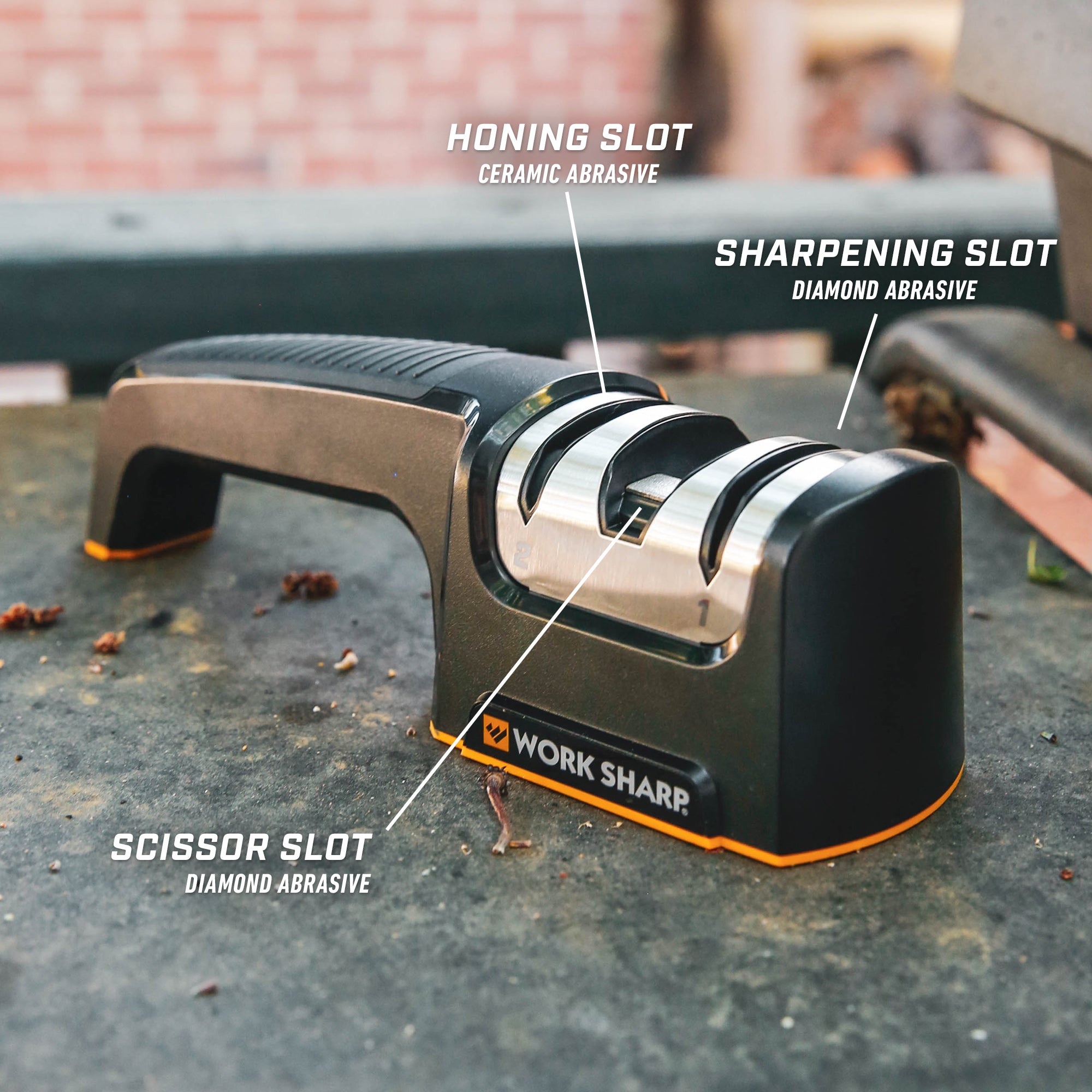
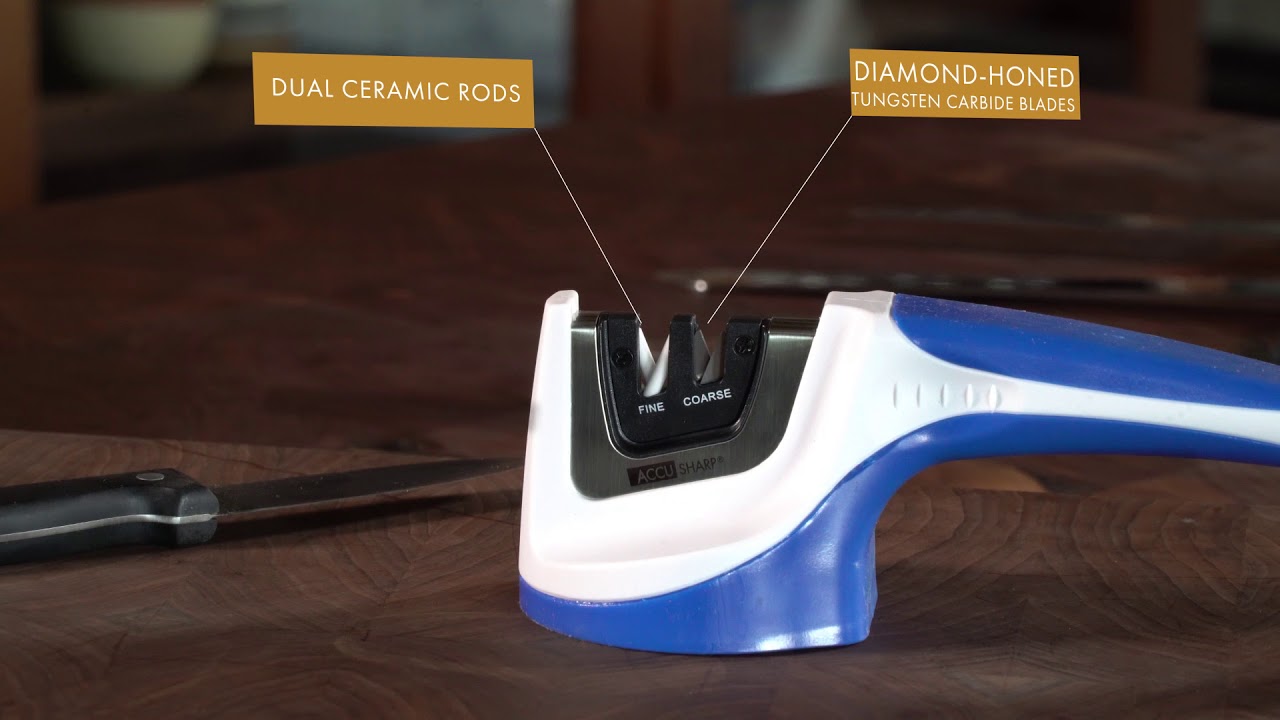
A pull through knife sharpener is a simple tool designed to sharpen knives by sliding the blade through slots containing sharpening materials. These sharpeners are popular because they are easy to use and require little skill or experience. Most pull through sharpeners have one or more slots with ceramic, diamond, or carbide surfaces. As you pull the blade through, these surfaces remove small amounts of metal and restore the edge.
Pull through sharpeners are available in both manual and electric versions. Manual models rely on your hand strength and control, while electric models use a motor to pull the blade through automatically.
Types Of Pull Through Knife Sharpeners
There are a few main types:
- Manual pull through sharpeners: You use your own hand to pull the knife through. These are portable and affordable.
- Electric pull through sharpeners: The device pulls the knife through for you. They are faster and usually more expensive.
- Single-stage sharpeners: Only one slot, usually for coarse sharpening.
- Multi-stage sharpeners: Two or three slots for coarse, medium, and fine sharpening.
Here’s a quick comparison of manual vs electric sharpeners:
| Feature | Manual Pull Through | Electric Pull Through |
|---|---|---|
| Ease of Use | Simple, but needs manual effort | Very easy, less effort |
| Price | Usually $10–$30 | $40–$150 |
| Speed | Slower | Faster |
| Noise | Quiet | Can be noisy |
| Portability | Very portable | Less portable |
Why Use A Pull Through Knife Sharpener?
There are many ways to sharpen a knife, but pull through sharpeners are a top choice for both beginners and busy cooks. Here’s why:
- Easy to use: No special skill needed. Just pull the blade through.
- Safe: The blade stays in a fixed slot, lowering the risk of cutting yourself.
- Quick: Sharpening takes only a few minutes.
- Affordable: Most manual sharpeners cost less than $30.
- Consistent results: The angle is set, so every pull sharpens the blade evenly.
Compared to a whetstone or professional sharpening service, pull through sharpeners are much simpler. They work well for most kitchen knives, especially those used daily.
Before You Start: Choosing The Right Pull Through Sharpener
Not all pull through sharpeners are the same. Before sharpening, you need to pick one that suits your knives and needs. Here’s what matters most:
1. Knife Type
Some sharpeners are made for straight-edge knives only, while others can handle serrated blades. If you have many types of knives, choose a sharpener with both options.
2. Sharpening Stages
Multi-stage sharpeners have slots for coarse, medium, and fine sharpening. Coarse removes a lot of metal and fixes dull blades. Fine slots polish the edge and make it razor sharp.
3. Angle Setting
Most pull through sharpeners set the sharpening angle for you, usually around 20 degrees for Western knives. Japanese knives often need a 15 degree angle. If you own Japanese knives, look for a model with adjustable angles.
4. Material
Sharpening slots can be ceramic, diamond, or carbide. Diamond is hardest and works fast, but can be aggressive. Ceramic is gentle and good for finishing. Carbide is best for fixing very dull blades.
5. Safety Features
Look for a sharpener with a non-slip base or handle. This prevents accidents while sharpening.
Here’s a quick comparison:
| Feature | Best For | Notes |
|---|---|---|
| Coarse Slot (Carbide) | Very dull knives | Removes more metal |
| Medium Slot (Diamond) | Regular sharpening | Balances speed and smoothness |
| Fine Slot (Ceramic) | Polishing | Gentle, leaves smooth edge |
| Adjustable Angle | Japanese/Western knives | More flexibility |
Step-by-step: How To Use A Pull Through Knife Sharpener
Now let’s get to the main part—sharpening your knife. Follow these steps for best results.
Step 1: Clean Your Knife
Always start with a clean knife. Wipe off any food, oil, or residue. This prevents dirt from getting into the sharpener and damaging the slots.
Step 2: Place The Sharpener On A Stable Surface
Put your pull through sharpener on a flat, stable surface. If it has a non-slip base, make sure it is secure. If not, place a damp towel underneath for extra grip.
Step 3: Check The Slots And Stages
If your sharpener has more than one slot, check the labels. Usually, they are marked as coarse, medium, and fine. Start with coarse if your knife is very dull. If it’s only slightly dull, skip to medium or fine.
Step 4: Hold The Sharpener And Knife Correctly
Grip the sharpener with your non-dominant hand. Hold the knife handle firmly in your dominant hand. Keep your fingers away from the blade edge.
Step 5: Insert The Knife Blade
Place the heel of the knife (the part closest to the handle) into the slot at the correct angle. Most pull through sharpeners set the angle for you, but check the instructions.
Step 6: Pull The Knife Through
Pull the knife slowly and steadily through the slot, from heel to tip. Do not use too much pressure. Let the sharpener do the work. Repeat this 3–5 times per slot.
Tip: Always pull in one direction. Do not saw back and forth.
Step 7: Move To The Next Slot
If your sharpener has multiple slots, move to the next stage (medium, then fine). Repeat the same process.
Step 8: Clean The Knife Again
After sharpening, wipe the blade with a damp cloth to remove any metal dust. Dry well before storing.
Step 9: Test The Sharpness
Check the sharpness by slicing a piece of paper or a tomato. If the knife cuts smoothly, you’re done. If not, repeat the process in the fine slot.
Credit: worksharptools.com
Practical Tips For Best Results
Sharpening a knife is simple, but a few expert tips can help you get even better results:
- Don’t over-sharpen: Too many passes can wear out your knife quickly. Three to five pulls per slot is enough.
- Use the right slot: If your knife is not very dull, start with the medium or fine slot. Coarse slots are only for very blunt blades.
- Clean slots regularly: Metal dust builds up in the sharpener. Clean it every few uses for best performance.
- Sharpen before each big cooking session: A quick sharpen keeps your knife safe and efficient.
- Store your knives properly: A sharp knife stays sharp longer if kept in a knife block or on a magnetic strip.
- Don’t use pull through sharpeners on high-end Japanese knives: Many experts recommend whetstones for expensive knives, as pull through sharpeners can remove too much metal.
Mistakes To Avoid When Using A Pull Through Knife Sharpener
Even with a simple tool, mistakes are common. Here are some errors to avoid:
- Using too much force: Pressing too hard can damage the blade and the sharpener.
- Pulling back and forth: Always pull in one direction to keep the edge consistent.
- Skipping cleaning: Dirty blades and slots reduce sharpening quality.
- Sharpening serrated knives in standard slots: Serrated blades need special slots or tools.
- Ignoring angle settings: Using the wrong angle can ruin a knife’s edge.
- Sharpening wet knives: Water can cause rust and damage the sharpener.
- Sharpening knives with chips or cracks: Pull through sharpeners can make the damage worse. Get professional help for damaged blades.
Pull Through Sharpeners Vs Other Sharpening Methods
You might wonder how pull through sharpeners compare to other methods. Here’s a quick overview:
| Method | Skill Needed | Time | Best For | Cost |
|---|---|---|---|---|
| Pull Through Sharpener | Low | 2–5 min | Everyday kitchen knives | $10–$150 |
| Whetstone | Medium/High | 10–30 min | High-end, Japanese knives | $20–$100 |
| Professional Service | None | 1–7 days | Damaged blades, expensive knives | $8–$20 per knife |
| Honing Rod | Low/Medium | 1–2 min | Maintaining sharpness | $10–$40 |
Pull through sharpeners are the best choice for most kitchen users who want quick, safe, and effective sharpening.
How Often Should You Sharpen Your Knives?
The ideal frequency depends on how often you use your knives and what you cut. Here are some guidelines:
- Daily use (vegetables, meat, bread): Sharpen every 2–3 weeks.
- Occasional use: Sharpen every 2–3 months.
- High-end knives: Use a honing rod regularly and sharpen with a pull through sharpener or whetstone every 4–6 months.
A pull through sharpener makes quick maintenance easy. If you notice your knife struggling to slice tomatoes or onions, it’s time to sharpen.
Pull Through Knife Sharpener Maintenance
Keeping your sharpener clean and in good condition is key to getting the best results. Here’s how to care for it:
- Remove metal dust: After each use, tap out any metal shavings. Wipe slots with a dry cloth.
- Clean slots: Use a toothbrush or small brush to remove buildup every month.
- Check for wear: Over time, sharpening surfaces wear out. Replace or repair as needed.
- Store safely: Keep the sharpener in a dry place to prevent rust.
Regular maintenance means your sharpener will last for years and always deliver a sharp edge.
Sharpening Serrated Knives And Specialty Blades
Pull through sharpeners are best for straight-edge knives. Serrated knives, like bread knives, need a special slot or tool. Some advanced pull through sharpeners have a serrated slot. If yours does not, use a specialty sharpener or get professional help.
Tip: Never use a regular pull through sharpener on a serrated blade. It can damage the teeth and ruin the knife.
For specialty knives like cleavers or fillet knives, check if your sharpener supports their thickness and shape. Many modern sharpeners are built for standard kitchen knives only.
Pull Through Knife Sharpeners: Myths And Real Facts
There are some common myths about pull through sharpeners. Let’s clear up the facts:
- Myth: “Pull through sharpeners ruin knives.”
Fact: When used correctly, they safely restore most kitchen knives. Damage happens only if used too aggressively or on the wrong knife type.
- Myth: “You need expensive sharpeners for good results.”
Fact: Even budget models work well for home kitchens. Price mainly affects features, not sharpening quality.
- Myth: “Sharpeners make knives razor sharp instantly.”
Fact: A sharpener improves the edge, but the final sharpness depends on the knife quality and sharpening method.
Choosing The Right Pull Through Sharpener For Your Kitchen
When buying a pull through sharpener, consider these factors:
1. How Many Knives Do You Own?
If you have many types, get a multi-stage sharpener.
2. Do You Have Japanese Knives?
Choose a model with adjustable angles.
3. Do You Want Speed Or Control?
Electric models are faster, but manual models give you more control.
4. Safety Features
Non-slip base and finger guards are important, especially for beginners.
5. Budget
Prices range from $10 to $150. Choose a reliable brand.
Non-obvious insight: Many beginners don’t realize that sharpening too often can wear out a knife quickly. Use a honing rod to maintain the edge between sharpening sessions.
Credit: www.youtube.com
Real-life Example: How A Pull Through Sharpener Changed My Cooking
A few years ago, I used dull knives every day. Chopping onions was slow and tiring, and I often slipped and cut myself. After buying a pull through knife sharpener, my kitchen routine changed completely. Within minutes, my old knives were sharp again. Cooking became faster, safer, and more enjoyable.
Even my cheapest knives performed like new. I learned that regular sharpening makes a bigger difference than buying expensive knives.
Popular Brands And Models
Some of the most popular pull through knife sharpeners include:
- Chef’sChoice
- KitchenIQ
- Work Sharp
- Smith’s
- Presto (electric)
For reliable information, visit Wikipedia’s knife sharpener page.

Credit: smithsproducts.com
Frequently Asked Questions
How Do I Know When My Knife Needs Sharpening?
If your knife struggles to slice tomatoes or onions, or feels rough when cutting, it’s time to sharpen. Another test is to try slicing a piece of paper. If the blade catches or tears, it needs sharpening.
Can I Use A Pull Through Sharpener For All Knives?
Pull through sharpeners are best for straight-edge kitchen knives. They are not ideal for serrated knives, ceramic blades, or high-end Japanese knives. Always check the sharpener’s instructions.
How Many Times Should I Pull The Knife Through The Sharpener?
For most knives, 3–5 pulls per slot is enough. If the knife is very dull, you can do a few more passes, but avoid over-sharpening.
Is It Safe To Use A Pull Through Sharpener?
Yes, pull through sharpeners are safe if used correctly. Keep fingers away from the blade and use a stable surface. Non-slip bases make sharpening safer.
How Do I Clean My Pull Through Sharpener?
Tap out metal dust after each use. Every month, use a small brush to clean the slots. If your sharpener is dishwasher safe, follow the manufacturer’s instructions.
Sharpen Your Knives Today
Using a pull through knife sharpener is a fast, simple way to keep your kitchen knives sharp and safe. With the right tool and a few careful steps, you can improve your cooking and protect your fingers. Remember to pick the right sharpener for your needs, follow the proper technique, and maintain your sharpener regularly.
Soon, you’ll enjoy faster, safer, and more enjoyable cooking every day.

Hello, This is Annie Walker, a 38-year-old blogger, founder, and editor of Cookware Guider from NY, USA. I am a cookware fanatic and passionate cooker. I love to cook with different types of cooking appliances (example: all types of cookware, rice cookers, slow cookers, etc) almost every day in my kitchen. I love to share my experience with my readers in my blog. Also, I enjoy helping people to solve their problems through my website. You can follow me on Twitter & Pinterest. To know details about my blog please check the about us page.