
Are you ready to make perfect, fluffy rice every time with your Toshiba rice cooker? Whether you’re new to using it or want to get the most out of your appliance, this guide is made just for you.
You’ll discover simple steps that save you time and effort, so your meals turn out delicious without any guesswork. Keep reading, and you’ll unlock easy tips that help you cook rice like a pro, impress your family, and enjoy stress-free cooking every day.
Choosing The Right Model
Choosing the right Toshiba rice cooker is important for making perfect rice every time. Different models offer various features and sizes. Selecting a model that fits your cooking needs saves time and energy. You get better results with the right tools.
Basic Vs Advanced Features
Toshiba rice cookers come with both basic and advanced features. Basic models focus on simple cooking functions. They usually have one or two cooking modes like white rice and keep warm. These models are easy to use and affordable. Ideal for those who want quick, no-fuss cooking.
Advanced models offer more cooking options and technology. They include features such as:
- Multiple cooking settings for different rice types (brown, sushi, porridge)
- Fuzzy logic technology for precise temperature control
- Delay timer to start cooking later
- Keep warm and reheat functions
- Non-stick inner pots for easy cleaning
Here is a quick comparison table:
| Feature | Basic Model | Advanced Model |
|---|---|---|
| Cooking Modes | 1-2 modes | 5+ modes |
| Timer | No | Yes |
| Technology | Standard heating | Fuzzy logic |
| Cleaning | Basic pot | Non-stick pot |
Choose a basic model for simple rice cooking without extra functions. Pick an advanced model for more control and rice types. Consider how often you cook rice and the variety you want.
Capacity Considerations
Rice cooker capacity is key. Toshiba rice cookers come in different sizes to match family needs. Choose a size that fits your household and meal plans.
Here are common capacity options:
- 3-cup models: Best for 1-2 people or small meals.
- 5-cup models: Good for small families of 3-4 people.
- 10-cup models: Ideal for large families or batch cooking.
Capacity means how much uncooked rice the cooker can hold. One cup of uncooked rice makes about two cups of cooked rice.
Use this table to match capacity with household size:
| Capacity (uncooked rice) | Household Size | Suggested Use |
|---|---|---|
| 3 cups | 1-2 people | Small meals, occasional rice |
| 5 cups | 3-4 people | Daily cooking, medium meals |
| 10 cups | 5+ people | Large families, batch cooking |
Pick a cooker large enough for your typical meal size. Avoid too small capacity to prevent multiple cooking rounds. Too large models may waste energy and space.
Setting Up Your Rice Cooker
Setting up your Toshiba rice cooker correctly is essential for safe use and perfect cooking results. This step-by-step guide helps you get started with your new appliance quickly and easily. Follow simple instructions to prepare your rice cooker before cooking.
Unboxing And Initial Cleaning
Start by carefully removing all packaging materials from the box. Check that all parts are included. A typical Toshiba rice cooker package contains:
- Rice cooker main body
- Inner cooking pot
- Steaming tray (if included)
- Measuring cup
- Rice paddle
- User manual
Before the first use, clean all removable parts. This step removes dust and factory residues. Follow these tips for cleaning:
- Wash the inner pot with warm water and a soft sponge.
- Rinse the rice paddle and measuring cup thoroughly.
- Wipe the cooker’s outer surface with a damp cloth.
- Do not immerse the main body in water.
Dry all parts completely before assembling. Proper cleaning ensures food safety and helps keep your rice cooker in good condition.
Placing The Cooker Safely
Place the rice cooker on a flat, stable surface. Avoid areas near water or heat sources like stoves and ovens. Ensure the cooker is not near curtains or paper materials that can catch fire.
Use these safety tips for placement:
- Keep at least 6 inches of space around the cooker for ventilation.
- Use a heat-resistant surface to protect your countertop.
- Keep the power cord away from hot surfaces and water.
- Do not place the cooker on an unstable or uneven surface.
Check the power outlet’s voltage matches the rice cooker’s requirements. Avoid using extension cords to prevent electrical hazards. Follow these steps to connect your cooker safely:
- Plug the cord directly into a suitable wall outlet.
- Ensure the plug fits securely without wobbling.
- Keep the cord untangled and away from walking areas.
Proper placement helps prevent accidents and ensures your rice cooker works well every time.
Measuring Rice And Water
Measuring rice and water accurately is key to cooking perfect rice in your Toshiba rice cooker. Using the right amounts ensures the rice cooks evenly and has the right texture. Too much water makes rice soggy, while too little leaves it hard or uncooked. This section explains how to measure rice and water properly for the best results.
Using The Included Measuring Cup
Your Toshiba rice cooker comes with a special measuring cup. This cup holds about 180 ml of rice, which is different from a standard cup. Use this cup to measure rice for every cooking session. Always level off the rice in the cup to avoid packing it tightly.
Steps to measure rice with the included cup:
- Fill the measuring cup with rice.
- Use a flat edge to level the rice.
- Pour the rice into the inner pot of the cooker.
- Repeat for the desired number of cups.
Note: Do not use a kitchen measuring cup. The rice cooker’s cup is designed for the right rice-to-water ratio.
After measuring rice, rinse it in a bowl until the water runs clear. This removes excess starch and prevents rice from being too sticky. Drain the rice well before placing it in the cooker pot.
Water Levels For Different Rice Types
Water amount changes based on rice type. Each rice variety absorbs water differently. Below is a simple guide for water levels per cup of rice using the Toshiba rice cooker cup.
| Rice Type | Water Level (per cup of rice) | Cooking Tip |
|---|---|---|
| White Rice (Short or Medium Grain) | 1.1 to 1.2 cups of water | Use less water for firmer rice. |
| Jasmine Rice | 1.2 cups of water | Rinse jasmine rice well before cooking. |
| Brown Rice | 1.5 to 1.6 cups of water | Use more water and longer cook time. |
| Sushi Rice | 1.1 cups of water | Rinse thoroughly to remove starch. |
Tips for measuring water:
- Fill water to the inner pot’s water level marks for accuracy.
- Adjust water slightly if you prefer softer or firmer rice.
- Use cold water for best results.
Following these water guidelines helps your Toshiba rice cooker cook rice perfectly every time. Measuring rice and water carefully makes a big difference in texture and taste.
Operating The Cooker
Operating the Toshiba rice cooker is simple and efficient. This appliance helps cook rice perfectly with minimal effort. Understanding how to use its features ensures better results every time. The cooker has several modes and functions to suit different types of rice and cooking preferences. Follow these steps to operate the cooker smoothly and enjoy delicious rice.
Selecting The Cooking Mode
The Toshiba rice cooker offers multiple cooking modes to match your rice type or recipe. Choosing the right mode helps cook rice evenly and with the right texture.
Common cooking modes include:
- White Rice: For regular white rice, this mode cooks rice quickly and softly.
- Brown Rice: Takes longer to cook but keeps nutrients intact.
- Sushi Rice: Produces sticky rice perfect for sushi dishes.
- Quick Cook: Cooks rice faster but may not be as soft.
- Mixed Rice: For rice mixed with beans or vegetables.
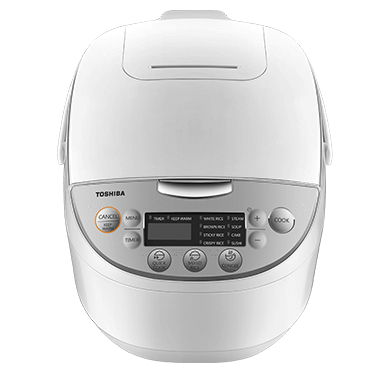
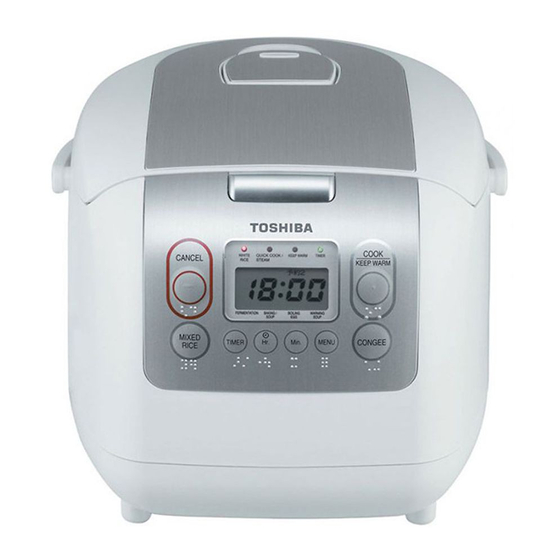
Check your cooker’s control panel or manual for available modes. Modes are usually selected by pressing a button or turning a dial. A small screen or indicator light shows the current mode. Confirm the mode before starting to cook.
| Cooking Mode | Best For | Cooking Time |
|---|---|---|
| White Rice | Everyday white rice | 20-30 minutes |
| Brown Rice | Whole grain rice | 50-60 minutes |
| Sushi Rice | Sticky rice for sushi | 30-40 minutes |
| Quick Cook | Faster cooking | 15-20 minutes |
| Mixed Rice | Rice with beans or veggies | 40-50 minutes |
Starting The Cooking Process
After selecting the mode, begin cooking with ease. Follow these steps:
- Measure the rice and rinse it well to remove excess starch.
- Add the correct amount of water to the inner pot. Use the water level marks inside the pot as a guide.
- Place the pot into the cooker and close the lid securely.
- Press the Start button to begin cooking.
The cooker will heat the water and cook the rice automatically. It adjusts the temperature and time based on the selected mode. Avoid opening the lid during cooking to keep steam inside. This helps rice cook evenly and prevents dryness.
Once cooking finishes, the cooker usually beeps or shows a ready indicator. At this point, the rice is cooked and ready to serve.
- Use a rice paddle to fluff the rice gently before serving.
- Keep the lid closed until ready to eat to maintain warmth and moisture.
Using The Timer And Keep Warm Functions
The Toshiba rice cooker has a timer to schedule cooking and a keep warm function to keep rice hot after cooking. Both features add convenience to meal preparation.
Use the timer to delay cooking start. For example, set the timer to cook rice so it finishes at mealtime. To set the timer:
- Press the Timer button.
- Select the desired delay time (usually in hours or minutes).
- Confirm the setting and press Start.
The cooker waits until the timer ends, then starts cooking automatically.
The keep warm function activates after cooking finishes. It keeps rice warm without overcooking or drying it out. This function works well if you are not serving rice immediately. To use keep warm:
- Press the Keep Warm button after cooking.
- The cooker maintains a low temperature to preserve softness and flavor.
- Keep rice warm for up to 12 hours safely.
Note: Always unplug the cooker when not in use. Clean the pot and lid regularly to avoid residue build-up. Proper care ensures the cooker works well for years.
Cooking Tips For Best Results
Using a Toshiba rice cooker can make cooking rice simple and consistent. To get the best results, some cooking tips help you improve texture and flavor. Small steps before and during cooking affect the final dish. Follow these tips to enjoy perfectly cooked rice every time.
Rinsing And Soaking Rice
Rinsing rice removes excess starch, which stops the rice from becoming sticky or gummy. Use cold water and rinse the rice multiple times until the water runs clear. This step improves the texture and taste of the rice.
- Place the rice in a bowl or directly in the rice cooker’s inner pot.
- Fill with cold water and gently stir the rice with your hand.
- Drain the cloudy water carefully without losing rice grains.
- Repeat rinsing 3 to 4 times until water is almost clear.
Soaking rice helps grains absorb water evenly. It shortens cooking time and creates fluffier rice. Soak the rinsed rice for 15 to 30 minutes before cooking.
| Type of Rice | Recommended Soaking Time | Benefits |
|---|---|---|
| White Rice | 15-20 minutes | Soft texture, even cooking |
| Brown Rice | 30 minutes to 1 hour | Better water absorption, less cooking time |
| Jasmine or Basmati | 15-30 minutes | Enhances aroma and fluffiness |
Do not soak rice for too long. It can make rice too soft or sticky. Rinse and soak rice before adding water according to the rice cooker’s instructions.
Adjusting For Altitude And Rice Variety
Cooking rice at high altitudes requires small changes. Water boils at lower temperatures in high places. This can make rice undercooked or hard. Add extra water and increase cooking time slightly.
- For altitudes above 3,000 feet, add 10-15% more water.
- Increase cooking time by 5-10 minutes if rice is still hard.
- Use the “Brown Rice” or “Slow Cook” setting for tougher grains.
Different types of rice need different water amounts. Use this simple chart to adjust water:
| Rice Type | Water to Rice Ratio | Notes |
|---|---|---|
| White Rice (Long Grain) | 1.5 cups water : 1 cup rice | Standard setting on Toshiba cooker |
| Brown Rice | 2 cups water : 1 cup rice | Needs more water and longer cook time |
| Sticky Rice | 1.25 cups water : 1 cup rice | Less water for sticky texture |
Try small water adjustments to find your perfect texture. Use your Toshiba rice cooker’s menu to select the rice type for best results.

Credit: www.youtube.com
Cleaning And Maintenance
Keeping your Toshiba rice cooker clean and well-maintained ensures it works well for a long time. Regular cleaning prevents food buildup and keeps the rice tasting fresh. Maintenance also helps avoid damage and keeps the cooker safe to use. Simple daily care can make a big difference in your rice cooker’s performance and lifespan.
Removing And Washing The Inner Pot
The inner pot is where the rice cooks, so it needs careful cleaning. Always wait for the pot to cool before removing it. This prevents burns and damage to the pot’s non-stick surface.
- Remove the inner pot gently by lifting it straight up.
- Wash the pot with warm water and mild dish soap.
- Use a soft sponge or cloth to avoid scratching the non-stick coating.
- Do not use steel wool or abrasive cleaners.
- Rinse well to remove all soap residues.
- Dry the pot completely with a soft towel or air dry before putting it back.
Follow the table below for common cleaning tips:
| Step | Action | Tip |
|---|---|---|
| 1 | Remove inner pot | Wait until cool to touch |
| 2 | Wash with mild soap | Use soft sponge only |
| 3 | Rinse well | Avoid leaving soap residue |
| 4 | Dry completely | Prevent rust and damage |
Cleaning the inner pot after every use keeps rice from sticking and preserves the pot’s coating. If rice sticks, soak the pot in warm water for 10-15 minutes before washing.
Cleaning The Lid And Exterior
The lid and exterior need regular cleaning to keep the cooker hygienic and looking good. Start by unplugging the rice cooker to stay safe.
- Remove the detachable inner lid (if your model has one) by pressing the release button.
- Wash the inner lid with warm water and mild soap.
- Wipe the outer lid and body with a damp cloth.
- Do not immerse the cooker in water or use harsh chemicals.
- Dry all parts thoroughly before reassembling.
Check the steam vent for clogs. Clean it gently with a toothpick or soft brush if needed. This helps steam flow properly and prevents pressure buildup.
Use the table below for cleaning frequency:
| Part | Cleaning Frequency | Cleaning Method |
|---|---|---|
| Inner lid | Weekly | Wash with soap and water |
| Steam vent | Monthly or as needed | Clean with toothpick or brush |
| Exterior body | After every use | Wipe with damp cloth |
Regularly cleaning the lid and exterior keeps the cooker safe and working well. It also stops smells and stains from building up.
Troubleshooting Common Issues
Using a Toshiba rice cooker is usually simple, but sometimes issues occur. Knowing how to troubleshoot common problems saves time and prevents frustration. This guide helps you fix frequent issues and understand error codes. Follow these tips to keep your rice cooker working well.
Rice Not Cooking Properly
Rice may turn out undercooked, overcooked, or sticky. This can happen due to several reasons. Check the water-to-rice ratio first. Too little water makes rice hard; too much water makes it mushy. Use the measuring cup that comes with the cooker for accuracy.
- Rinse the rice: Rinse rice under cold water until water runs clear. This removes excess starch and prevents stickiness.
- Check the inner pot: Make sure it is clean and properly placed. Dirt or misalignment affects cooking.
- Use correct settings: Select the right mode for the rice type. White rice, brown rice, and mixed rice need different times and temperatures.
Below is a simple guide for water-to-rice ratios:
| Rice Type | Rice (cups) | Water (cups) |
|---|---|---|
| White Rice | 1 | 1.5 |
| Brown Rice | 1 | 2 |
| Mixed Rice | 1 | 1.75 |
Also, avoid opening the lid during cooking. It causes heat loss and uneven cooking. After cooking finishes, let rice rest for 10 minutes with the lid closed. This helps steam finish the cooking process evenly.
Error Codes And Their Meanings
Toshiba rice cookers show error codes to alert problems. Understanding these codes helps identify the issue quickly. Each code corresponds to a specific fault or warning.
Common error codes include:
- E1: Inner pot is missing or not placed correctly.
- E2: Temperature sensor error; the cooker cannot read heat properly.
- E3: Overheating detected; cooker stopped to prevent damage.
- E4: Power supply problem or electrical fault.
Follow these steps to fix errors:
- Turn off and unplug the cooker.
- Check the inner pot placement and clean it.
- Let the cooker cool down if it is too hot.
- Ensure the power cord is connected well.
Use this table to identify errors quickly:
| Error Code | Cause | Solution |
|---|---|---|
| E1 | Inner pot missing or misaligned | Place inner pot correctly and restart |
| E2 | Sensor error | Unplug, wait 10 minutes, then retry |
| E3 | Overheating | Let cooker cool; check ventilation |
| E4 | Power issue | Check power supply and cord |
If errors persist, contact Toshiba customer support for help. Do not try to open or repair the cooker yourself, as it can be dangerous.
Credit: www.toshiba-lifestyle.com
Credit: www.manualslib.com
Frequently Asked Questions
How Do I Start Cooking With A Toshiba Rice Cooker?
First, rinse the rice thoroughly to remove excess starch. Add the rice and water to the inner pot. Close the lid securely. Select the appropriate cooking mode and press start. The cooker will automatically cook and switch to keep warm when done.
What Is The Ideal Water-to-rice Ratio?
Use 1 cup of rice to 1. 5 cups of water for white rice. Brown rice requires about 2 cups of water per cup of rice. Adjust water slightly based on your rice type and texture preference for perfect results.
Can I Cook Other Grains Besides Rice?
Yes, Toshiba rice cookers can cook grains like quinoa, barley, and oats. Use the same water-to-grain ratio as rice or refer to your cooker’s manual. Select the appropriate cooking mode if available for best texture and flavor.
How Do I Clean My Toshiba Rice Cooker Properly?
Unplug the cooker and let it cool. Remove the inner pot and wash it with mild detergent and a soft sponge. Wipe the exterior and heating plate with a damp cloth. Avoid immersing the main unit in water to prevent damage.
Conclusion
Using your Toshiba rice cooker makes cooking rice simple and fast. Just follow the steps carefully for perfect results every time. Clean the cooker after use to keep it working well. Enjoy soft, fluffy rice with little effort or mess.
This appliance saves time and helps you cook healthy meals. Practice a few times to get comfortable with its functions. Soon, you will cook rice like a pro without stress. A good rice cooker can be a helpful kitchen friend.
Try different rice types to explore tasty meals easily.

Hello, This is Annie Walker, a 38-year-old blogger, founder, and editor of Cookware Guider from NY, USA. I am a cookware fanatic and passionate cooker. I love to cook with different types of cooking appliances (example: all types of cookware, rice cookers, slow cookers, etc) almost every day in my kitchen. I love to share my experience with my readers in my blog. Also, I enjoy helping people to solve their problems through my website. You can follow me on Twitter & Pinterest. To know details about my blog please check the about us page.