
Are you confused about the difference between a ceramic cooktop and a glass cooktop? You’re not alone.
Many people use these terms interchangeably, but knowing what sets them apart can help you make the best choice for your kitchen. Imagine cooking on a surface that’s easy to clean, looks sleek, and lasts a long time. Wouldn’t you want to know if ceramic and glass cooktops offer the same benefits?
Keep reading, and you’ll discover the key facts that will make your decision clear and simple.
Ceramic Cooktops Explained
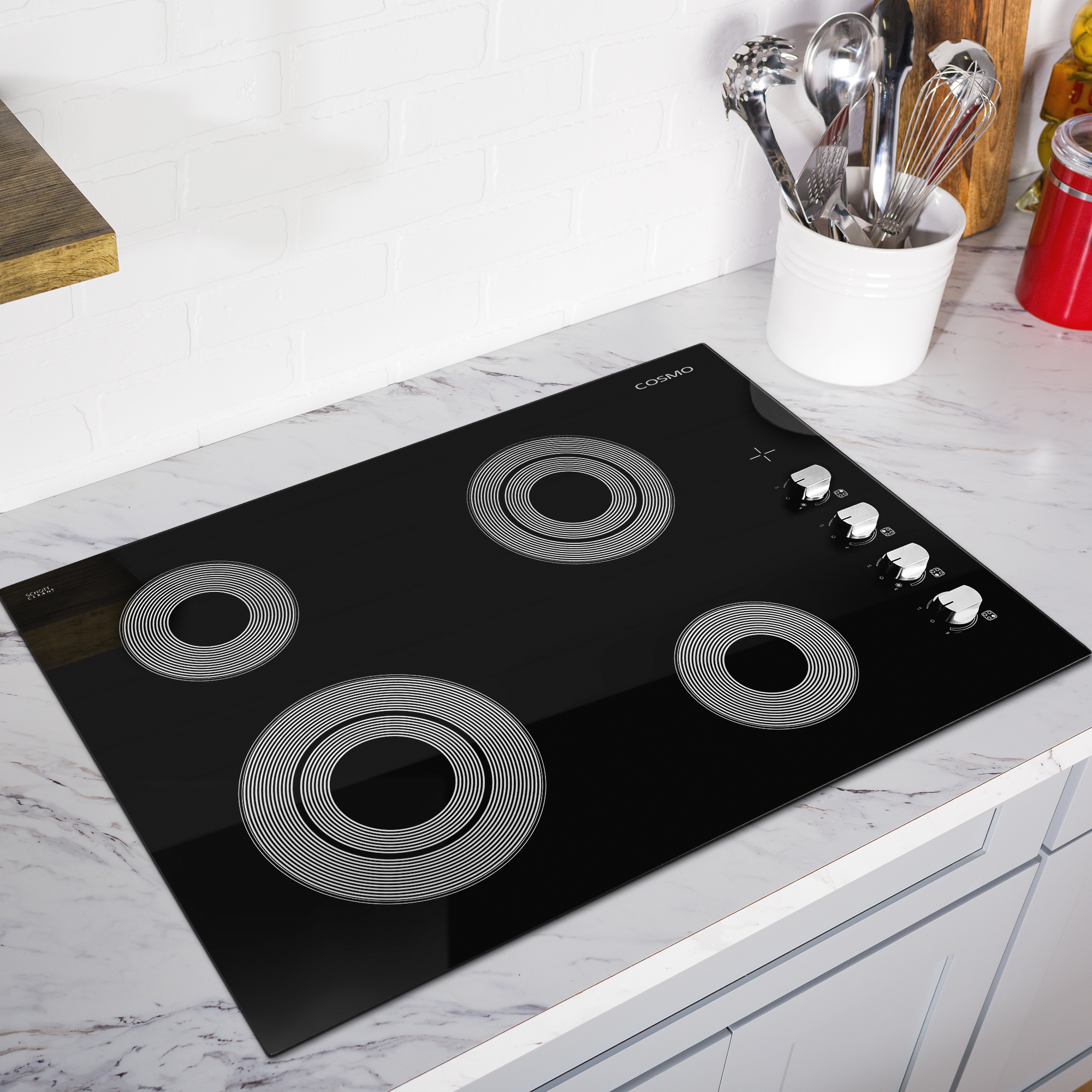
Ceramic cooktops offer a modern look for many kitchens. They have a smooth, flat surface that is easy to clean. Many people confuse ceramic cooktops with glass ones. Understanding what makes ceramic cooktops unique helps in choosing the right appliance.
These cooktops use special materials and technology to provide even heat. They combine style and function in a simple design. Let’s explore how ceramic cooktops work and what sets them apart.
Material Composition
Ceramic cooktops are made from a mix of glass and other materials. The top layer is a tough, smooth ceramic glass. This layer can handle high temperatures and sudden heat changes. Underneath, heating elements sit directly below the surface. This setup allows heat to pass efficiently through the ceramic glass.
Heat Distribution
Heat spreads evenly across the ceramic surface. This even heat helps cook food without hot spots. The cooktop heats quickly and cools down fast too. It works well with different pot sizes. The smooth surface ensures heat stays where you need it most.
Durability Factors
Ceramic cooktops are strong but can break if hit hard. They resist scratches better than regular glass but need gentle care. Avoid dropping heavy or sharp objects on the surface. Cleaning should use soft cloths and mild cleaners. Proper use keeps the cooktop looking new for years.
Credit: cosmoappliances.com
Glass Cooktops Basics
Glass cooktops are popular in many kitchens today. They offer a smooth, shiny surface that looks modern and clean.
The surface is easy to wipe down and keep neat. Understanding the materials and features helps choose the right cooktop.
Types Of Glass Used
Most glass cooktops use a special type of glass called ceramic glass. This glass can handle high heat without cracking.
Tempered glass is another type. It is strong but not as heat resistant as ceramic glass. The choice affects durability and safety.
Heat Performance
Glass cooktops heat quickly and cool down fast. The smooth surface helps with even heat spread.
They work well with electric and induction heating systems. This makes cooking more efficient and easier to control.
Scratch Resistance
Glass surfaces can scratch if not handled carefully. Using the right cookware reduces the risk.
Ceramic glass is more scratch-resistant than regular glass. Still, avoid dragging pots to keep the surface smooth.
Comparing Ceramic And Glass Cooktops
Ceramic and glass cooktops look quite similar, but they have differences. Knowing these differences helps you choose the right cooktop for your kitchen. This section compares ceramic and glass cooktops in three key areas.
Visual Differences
Glass cooktops have a smooth, shiny surface that reflects light well. Ceramic cooktops also look smooth but have a matte or slightly textured finish. The difference is subtle but noticeable up close. Glass cooktops often appear darker and more reflective. Ceramic ones may show slight patterns or colors beneath the surface.
Functional Variations
Glass cooktops usually use radiant heat from electric coils beneath the surface. Ceramic cooktops use ceramic glass, which heats up quickly and evenly. Ceramic glass can handle higher temperatures without cracking. Both types support flat-bottom cookware but ceramic cooktops offer better heat control. This affects cooking speed and energy use.
Maintenance Needs
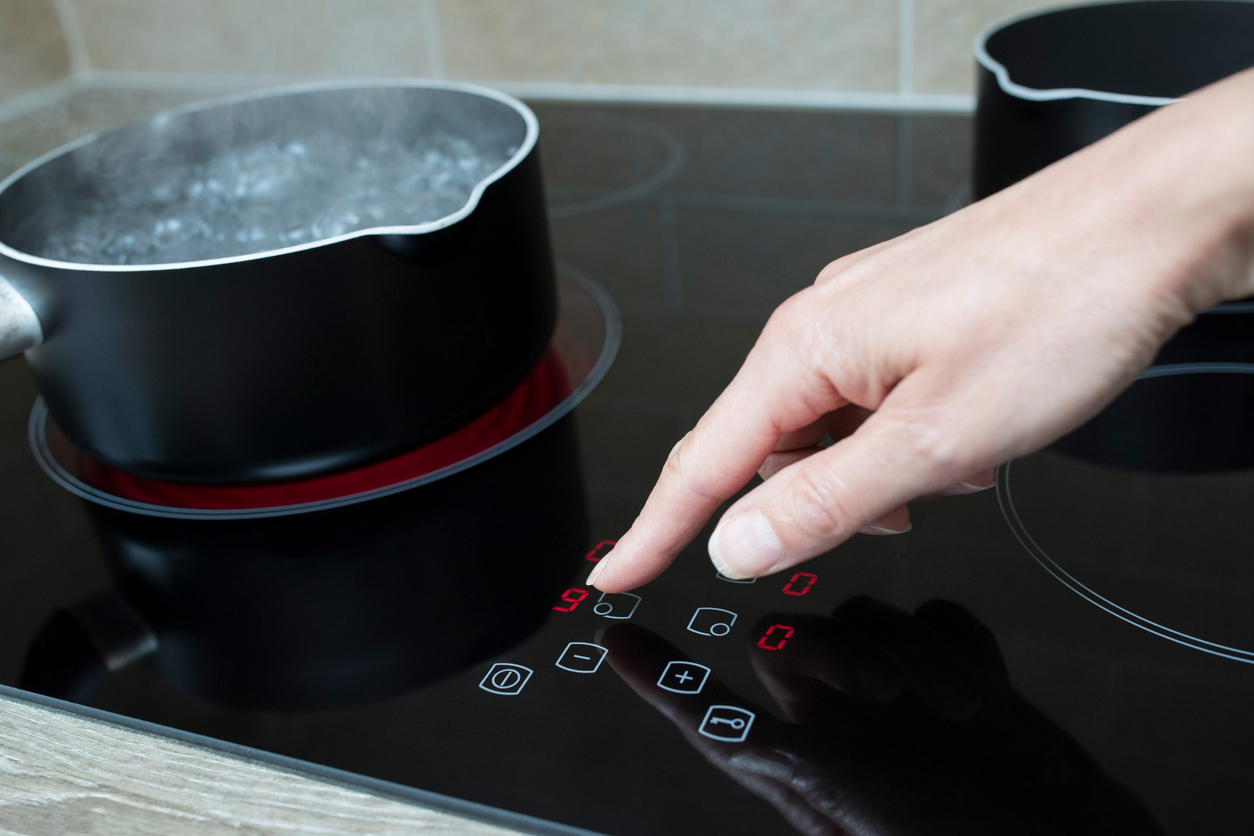
Cleaning glass cooktops is easy because dirt and spills stand out clearly. Use a soft cloth and mild cleaner to avoid scratches. Ceramic cooktops need gentle cleaning too, but they resist stains better. Both cooktops require regular cleaning to keep them looking new. Avoid abrasive tools that can damage the surface.
Credit: www.danielappliance.com
Pros And Cons
Choosing between a ceramic and a glass cooktop means weighing their pros and cons. Both types look sleek and modern. They fit well in many kitchens. Knowing their benefits and common drawbacks helps you pick the right one for your needs.
Advantages Of Ceramic Cooktops
Ceramic cooktops heat up quickly and evenly. They provide good heat control for cooking. Their smooth surface is easy to clean. Ceramic is strong and resists scratches better than regular glass. Many models support various pot sizes. They also stay cooler around the edges, reducing burn risk.
Benefits Of Glass Cooktops
Glass cooktops offer a stylish, shiny finish. They are simple to wipe clean after cooking. The surface heats fast and cools down quickly. Glass cooktops often have touch controls. This allows precise temperature settings. They fit well in smaller kitchens because of slim design.
Common Drawbacks
Both ceramic and glass cooktops can crack if hit hard. They scratch more easily than metal cooktops. Cleaning must avoid abrasive tools to prevent damage. Spills can burn onto the surface if not wiped quickly. Some models take longer to cool down. Care is needed to keep them looking new.
Choosing The Right Cooktop
Choosing the right cooktop is important for a smooth cooking experience. Different cooktops offer different benefits. It helps to know what fits your kitchen and lifestyle best. Ceramic and glass cooktops look similar but have differences. Consider your cooking habits, budget, and kitchen design before deciding.
Cooking Habits
Think about how you cook daily. Ceramic cooktops heat evenly and work well for slow cooking. Glass cooktops heat quickly and are good for fast meals. If you use heavy pots, check the cooktop’s strength. Some cooktops scratch or crack easily. Choose one that matches your usual cooking style.
Budget Considerations
Set a budget before shopping. Ceramic cooktops often cost less than glass ones. Repair and maintenance costs can add up over time. Glass cooktops may need special cleaning products. Pick a cooktop that fits your budget now and later.
Kitchen Design Impact
Cooktops affect your kitchen’s look. Ceramic cooktops have a smooth, matte finish. Glass cooktops shine and add a modern touch. Think about your kitchen colors and style. Choose a cooktop that blends well with your space. The right cooktop can improve your kitchen’s feel and function.
Care And Cleaning Tips
Caring for your ceramic or glass cooktop keeps it looking new and working well. Proper cleaning avoids stains and scratches. A clean cooktop also helps cook food evenly and safely. Follow these tips to keep your cooktop in top shape.
Safe Cleaning Practices
Use a soft cloth or sponge with warm, soapy water for daily cleaning. Avoid abrasive pads that can scratch the surface. Special cooktop cleaners work well to remove tough stains. Always clean spills quickly to stop them from hardening. Dry the surface with a soft towel to prevent streaks.
Avoiding Damage
Never slide pots or pans across the cooktop. This causes scratches and dulls the surface. Avoid using sharp tools to scrape off food. Use a plastic scraper designed for cooktops if needed. Do not place hot lids or pans directly on the glass or ceramic. Sudden temperature changes can cause cracks.
Extending Cooktop Lifespan
Regular cleaning stops buildup that can harm the cooktop. Check the cooktop for cracks or chips often. Use cookware with smooth, flat bottoms for better heat contact. Avoid heavy pots that can cause cracks if dropped. Proper care helps your cooktop last many years without problems.
Credit: karinearappliances.com
Frequently Asked Questions
What Is The Difference Between Ceramic And Glass Cooktops?
Ceramic cooktops have a glass-ceramic surface designed to withstand heat. Glass cooktops usually refer to standard glass surfaces. Ceramic is more heat resistant and durable than regular glass, making it safer and more efficient for cooking.
Are Ceramic And Glass Cooktops Equally Easy To Clean?
Yes, both ceramic and glass cooktops are smooth and non-porous. This makes them easy to wipe clean with a soft cloth. However, ceramic surfaces resist scratches better, which helps maintain their appearance over time.
Do Ceramic And Glass Cooktops Heat The Same Way?
Ceramic cooktops heat quickly and evenly due to their glass-ceramic material. Glass cooktops may heat slower and less uniformly. Ceramic is preferred for consistent cooking results and energy efficiency.
Can I Use The Same Cookware On Ceramic And Glass Cooktops?
Yes, most flat-bottomed pots and pans work well on both types. Avoid rough-bottomed cookware to prevent scratches. Using compatible cookware ensures even heat distribution and extends cooktop lifespan.
Conclusion
Ceramic and glass cooktops look quite similar, but they are not exactly the same. Ceramic cooktops have a special layer that helps heat pots evenly. Glass cooktops are smooth and easy to clean but may not spread heat as well.
Both types offer a sleek design and fit modern kitchens nicely. Choosing one depends on your cooking habits and budget. Understanding their differences helps you pick the best option for your needs. Cook with confidence and enjoy your kitchen’s style and function.

Hello, This is Annie Walker, a 38-year-old blogger, founder, and editor of Cookware Guider from NY, USA. I am a cookware fanatic and passionate cooker. I love to cook with different types of cooking appliances (example: all types of cookware, rice cookers, slow cookers, etc) almost every day in my kitchen. I love to share my experience with my readers in my blog. Also, I enjoy helping people to solve their problems through my website. You can follow me on Twitter & Pinterest. To know details about my blog please check the about us page.