
Are you tired of choosing between ceramic and nonstick cookware but not sure which one truly fits your kitchen needs? You want pots and pans that cook evenly, clean easily, and last long without harmful chemicals.
But how do you know if ceramic cookware is really better than nonstick? This article will help you understand the key differences, benefits, and downsides of each. By the end, you’ll feel confident in picking the perfect cookware that matches your cooking style and keeps your food safe.
Keep reading to discover what you need to know before making your next kitchen upgrade.
Ceramic Cookware Basics
Ceramic cookware has grown popular in kitchens worldwide. Many wonder if it stands better than traditional nonstick pans. Understanding ceramic cookware basics helps make a clear choice. This section explores what ceramic cookware is made of and its typical uses. Knowing these facts guides smart buying and cooking decisions.
Material Composition
Ceramic cookware usually consists of a metal base coated with a ceramic layer. The base can be aluminum, stainless steel, or cast iron. The ceramic coating is made from inorganic minerals, often silica or sand, baked at high temperatures.
Key points about ceramic materials:
- The ceramic layer is free from chemicals like PTFE and PFOA.
- It offers a smooth, nonstick surface without synthetic chemicals.
- The coating is hard and scratch-resistant but can wear down over time.
- Ceramic conducts heat evenly, which helps cook food uniformly.
- The material is often dishwasher safe but hand washing extends its life.
| Component | Description | Benefits |
|---|---|---|
| Metal Base | Aluminum, stainless steel, or cast iron | Provides structure and even heat distribution |
| Ceramic Coating | Inorganic minerals baked at high temperature | Nonstick surface, chemical-free, heat resistant |
The ceramic coating’s natural materials appeal to those wanting a safer nonstick option. It handles medium to high heat well but avoids overheating, which can damage the surface. Overall, ceramic cookware balances durability and health-conscious cooking.
Common Uses
Ceramic cookware suits various cooking tasks. Its even heat and nonstick surface make it versatile in the kitchen. Many cooks use it for everyday meals and special recipes alike.
Typical uses include:
- Frying eggs and pancakes without sticking.
- Sautéing vegetables with little oil.
- Cooking delicate fish or seafood gently.
- Baking casseroles or oven dishes (if oven-safe).
- Simmering sauces and soups on low to medium heat.
Most ceramic pans work well on gas, electric, and ceramic stovetops. Some are compatible with induction burners, depending on their metal base. Check manufacturer details before use on induction.
| Cooking Method | Why Ceramic Works Well |
|---|---|
| Frying | Nonstick surface reduces need for oil |
| Sautéing | Even heat helps cook vegetables evenly |
| Baking | Oven-safe ceramic pans handle moderate heat |
| Simmering | Retains heat well for slow cooking |
Ceramic cookware is easy to clean and maintain. Avoid sharp metal tools to protect the ceramic surface. Use wooden or silicone utensils instead. This care extends the pan’s life and keeps food tasting fresh.

Credit: prudentreviews.com
Nonstick Cookware Features
Choosing the right cookware often means deciding between ceramic and nonstick options. Nonstick cookware is popular because it makes cooking and cleaning easier. Understanding the features of nonstick cookware helps compare it well with ceramic types. Nonstick pans prevent food from sticking by using special coatings that allow cooking with less oil. This feature is great for healthy meals and easy cleanup. Let’s explore the main features of nonstick cookware, focusing on the types of coatings and popular brands available.
Coating Types
Nonstick cookware uses different coatings to stop food from sticking. Each type has its own benefits and care needs. The most common coatings include:
- PTFE (Polytetrafluoroethylene): Often known as Teflon, it offers excellent nonstick performance and easy cleaning. It works well at medium heat but can release harmful fumes if overheated.
- Ceramic Coating: A natural, chemical-free option made from silica. It is safe at higher temperatures but may wear out faster than PTFE.
- Hard-Anodized Coating: This is aluminum treated to be hard and nonstick. It’s durable and heats evenly, perfect for frequent use.
- Silicone Coating: Used mainly for bakeware, it provides a flexible nonstick surface but is less common for stovetop pans.
Here is a simple comparison of common nonstick coatings:
| Coating Type | Heat Resistance | Durability | Ease of Cleaning | Health Safety |
|---|---|---|---|---|
| PTFE (Teflon) | Medium (up to 500°F) | Moderate | Very Easy | Safe below 500°F |
| Ceramic | High (up to 850°F) | Less Durable | Easy | Non-toxic |
| Hard-Anodized | High | Very Durable | Easy | Safe |
| Silicone | Low to Medium | Moderate | Easy | Safe |
Knowing the coating type helps choose the best pan for cooking style and safety needs. Proper care extends the life of the nonstick surface.
Popular Brands
Several brands lead the market in nonstick cookware. Each offers unique designs and coating technologies. These brands often balance price, quality, and performance.
- T-fal: Known for affordable, durable nonstick pans with PTFE coatings. It features Thermo-Spot heat indicators for perfect cooking temperature.
- Calphalon: Offers hard-anodized nonstick cookware. It delivers even heating and long-lasting surfaces.
- GreenPan: Specializes in ceramic nonstick cookware. It uses a toxin-free coating called Thermolon, safe for high heat.
- All-Clad: High-end brand with quality nonstick pans. It combines stainless steel with nonstick layers for durability and performance.
- Circulon: Known for its unique raised circle design on the surface. This reduces abrasion and extends nonstick life.
Here is a quick summary of these brands:
| Brand | Coating Type | Price Range | Key Feature |
|---|---|---|---|
| T-fal | PTFE | Low to Mid | Thermo-Spot Heat Indicator |
| Calphalon | Hard-Anodized | Mid to High | Durability and Even Heating |
| GreenPan | Ceramic | Mid to High | Non-toxic Ceramic Coating |
| All-Clad | PTFE + Stainless Steel | High | Premium Quality and Performance |
| Circulon | PTFE | Mid | Raised Circle Nonstick Surface |
Selecting a brand depends on budget, cooking habits, and preference for coating type. Good brands often offer warranties and customer support.
Performance Comparison
Choosing between ceramic cookware and nonstick pans depends greatly on their performance in everyday cooking. Both types offer unique benefits and drawbacks that affect how well they cook food, how easy they are to use, and how long they last. This section compares their performance by focusing on three key areas: heat distribution, cooking results, and durability. Understanding these factors helps decide which cookware fits your kitchen needs best.
Heat Distribution
Heat distribution is crucial for even cooking and preventing hot spots that burn food. Ceramic cookware typically uses an aluminum or metal base coated with a ceramic layer. This design allows for:
- Good heat conduction because of the metal base
- Even spreading of heat across the cooking surface
- Retention of heat for steady cooking
Nonstick pans often have a similar metal base but rely on a synthetic coating like Teflon. This coating can affect heat conduction slightly but generally still provides:
- Quick heat-up times
- Even heat spread with quality pans
- Lower heat retention compared to ceramic
| Feature | Ceramic Cookware | Nonstick Cookware |
|---|---|---|
| Heat Conduction | Good, metal base helps spread heat evenly | Good, but coating may reduce conduction slightly |
| Heat Retention | Better, stays hot longer | Lower, cools down faster |
| Hot Spots | Less likely due to even heat spread | Possible on low-quality pans |
Summary: Ceramic cookware often offers more consistent heat distribution and better heat retention, which can improve cooking control. Nonstick pans heat up quickly but may cool faster during cooking.
Cooking Results
Cooking results depend on how the cookware affects food texture, flavor, and ease of cooking. Ceramic cookware provides a natural, non-reactive surface that does not release chemicals. This surface is:
- Excellent for searing and browning
- Good for cooking acidic foods without altering taste
- Less prone to scratching if handled carefully
Nonstick cookware shines in preventing food from sticking, which means:
- Easy to cook delicate foods like eggs and fish
- Requires less oil or butter for cooking
- Quick and simple cleanup
Both types have limits:
- Ceramic pans may lose nonstick properties over time.
- Nonstick coatings can degrade with high heat or metal utensils.
Comparison table:
| Aspect | Ceramic Cookware | Nonstick Cookware |
|---|---|---|
| Food Release | Good but may stick if not preheated well | Excellent for most foods |
| Flavor Impact | None, neutral surface | None when coating intact |
| Cooking Style | Great for searing, sautéing, frying | Best for low to medium heat cooking |
Durability
Durability affects how long cookware stays effective and safe to use. Ceramic cookware has a hard coating but can chip or crack if dropped or hit hard. It is:
- Resistant to scratches from wooden or silicone tools
- Prone to wear if metal utensils are used
- Vulnerable to thermal shock if heated too fast
Nonstick cookware depends on the quality of its synthetic coating. This coating can:
- Wear off with frequent use or high heat
- Scratch easily with metal utensils
- Lose nonstick ability over time
Durability comparison:
| Durability Factor | Ceramic Cookware | Nonstick Cookware |
|---|---|---|
| Scratch Resistance | High resistance to minor scratches | Low resistance, coating can scratch |
| Coating Longevity | Lasts several years with care | May degrade after 1-3 years |
| Heat Tolerance | Can handle higher temperatures | Limited to medium heat |
Tip: Use wooden or silicone utensils and avoid sudden temperature changes to extend cookware life.

Credit: aviasworld.com
Health And Safety
Health and safety matter most when choosing cookware. People want pots and pans that do not harm their bodies. Ceramic and nonstick cookware both promise easy cooking and cleaning. But which one is safer to use every day? Understanding the health risks and benefits helps make a smart choice. This section breaks down the key points about toxicity and chemical exposure in ceramic and nonstick cookware.
Toxicity Concerns
Many worry about toxic chemicals in cookware coatings. Ceramic cookware usually has a natural, non-metallic coating made from silica and other minerals. This coating is free from harmful chemicals like PTFE and PFOA, which are common in some nonstick pans.
Key facts about ceramic cookware toxicity:
- Ceramic coatings are often free of toxic chemicals.
- They do not release harmful fumes at high temperatures.
- They are less likely to chip or flake compared to traditional nonstick.
In contrast, some nonstick cookware contains PTFE (polytetrafluoroethylene) and PFOA (perfluorooctanoic acid). These chemicals can cause health issues if overheated. However, many brands now make PFOA-free nonstick pans to reduce risks.
| Cookware Type | Toxic Chemicals | Risk Level |
|---|---|---|
| Ceramic | Usually none | Low |
| Traditional Nonstick | PTFE, PFOA | Moderate to High if overheated |
| Modern Nonstick (PFOA-free) | None or very low | Low |
Overall, ceramic cookware offers a safer option for those who worry about chemical toxicity. Its natural coating helps avoid many common health concerns linked to nonstick pans.
Chemical Exposure
Chemical exposure happens when coatings break down during cooking. Nonstick pans can release fumes and particles when heated above 500°F (260°C). These fumes may cause flu-like symptoms called “polymer fume fever.”
How ceramic and nonstick compare in chemical exposure:
- Ceramic cookware stands strong at high heat. It rarely releases chemicals or fumes.
- Nonstick cookware can release harmful gases if overheated.
- Cooking below recommended temperatures reduces risks for all cookware.
Cleaning also matters. Scratched nonstick surfaces may expose underlying layers, increasing chemical risks. Ceramic coatings tend to be harder and resist scratches better. This lowers the chance of harmful exposure over time.
| Factor | Ceramic Cookware | Nonstick Cookware |
|---|---|---|
| Heat Resistance | High (safe up to 850°F) | Moderate (safe up to 500°F) |
| Fume Risk | Very Low | Higher if overheated |
| Scratch Resistance | Good | Lower |
In summary, ceramic cookware exposes users to fewer chemicals during cooking. Nonstick pans require careful temperature control to avoid health risks. Choosing the right cookware can protect health in the kitchen.
Maintenance And Cleaning
Choosing between ceramic and nonstick cookware often comes down to how easy they are to maintain and clean. Both types require care to keep their surfaces safe and effective for cooking. Proper maintenance helps avoid damage and extends the life of the cookware. Understanding the best cleaning methods and care routines can save time and money while keeping your kitchen tools in top shape.
Care Tips
Ceramic cookware needs gentle handling to preserve its smooth, non-toxic surface. Avoid using metal utensils that can scratch the ceramic coating. Use wooden, silicone, or plastic tools instead. Clean the pans with warm, soapy water and a soft sponge. Harsh scouring pads or abrasive cleaners can damage the surface.
- Allow cookware to cool before washing to prevent cracking.
- Soak stubborn food residues in warm water to loosen them.
- Use baking soda paste for tough stains—apply gently with a soft cloth.
- Dry the cookware completely to avoid water spots and rust on any metal parts.
Nonstick cookware also requires careful cleaning to protect its coating. Avoid dishwasher use as it can wear down the nonstick surface faster. Hand wash with mild detergent and a soft sponge only. Never use sharp or abrasive tools that can peel the coating.
| Care Aspect | Ceramic Cookware | Nonstick Cookware |
|---|---|---|
| Cleaning Method | Warm soapy water, soft sponge, baking soda for stains | Hand wash, mild detergent, soft sponge only |
| Utensils | Wood, silicone, plastic | Wood, silicone, plastic |
| Dishwasher Use | Not recommended | Not recommended |
Lifespan Expectations
The lifespan of ceramic and nonstick cookware depends heavily on how well they are cared for. Ceramic cookware tends to maintain its surface longer because it is more resistant to scratching. With proper care, ceramic pans can last 3 to 5 years or more.
Nonstick pans usually last about 1 to 3 years before the coating begins to wear off. The coating can peel, chip, or lose its nonstick properties if exposed to high heat or abrasive cleaning.
- Never use high heat for either cookware type to avoid surface damage.
- Replace nonstick cookware when food starts sticking or coating peels.
- Ceramic cookware may show signs of wear like dullness but can still function well.
Proper storage also affects lifespan. Avoid stacking pans without protective layers, such as cloth or paper towels. This simple step prevents scratches and coating damage.
| Cookware Type | Average Lifespan | Signs to Replace |
|---|---|---|
| Ceramic | 3-5 years or longer | Dull surface, cracks, food sticking |
| Nonstick | 1-3 years | Peeling coating, sticking food, scratches |
Cost And Value
Choosing between ceramic cookware and nonstick pans often comes down to cost and value. Understanding the price differences and long-term benefits helps make a smart purchase. Both types offer unique features, but their costs vary. It is important to balance initial price with durability and performance. This section breaks down the price range and long-term investment of ceramic and nonstick cookware.
Price Range
Ceramic cookware usually costs more upfront than nonstick options. The materials and manufacturing process make ceramic pans pricier. Nonstick pans are often cheaper but vary widely in quality and price.
Here is a simple comparison of typical price ranges:
| Cookware Type | Low-End Price | Mid-Range Price | High-End Price |
|---|---|---|---|
| Ceramic | $30 – $50 | $60 – $120 | $130 – $250+ |
| Nonstick | $15 – $40 | $45 – $90 | $100 – $180+ |
Price depends on brand, size, and features like oven safety or induction compatibility.
- Ceramic pans often have a thicker coating, which adds to cost.
- Nonstick pans use different coatings; some last longer but cost more.
- Sets usually offer better value than single pans for both types.
Long-term Investment
Buying cookware is not just about price but also how long it lasts and performs well. Ceramic cookware often lasts longer if cared for properly. Its coating resists scratches better than many nonstick surfaces.
Nonstick pans can lose their coating faster, especially with metal utensils or high heat. This can mean replacing pans more often.
Consider these factors for long-term value:
- Durability: Ceramic tends to resist wear and tear better.
- Maintenance: Ceramic is easier to clean without harsh chemicals.
- Health and Safety: Ceramic coatings are usually free from harmful chemicals like PFOA.
- Performance over time: Nonstick surfaces may degrade, affecting cooking quality.
Here is a quick look at lifespan and care needs:
| Cookware Type | Average Lifespan | Care Tips |
|---|---|---|
| Ceramic | 3 to 5 years or more | Use soft sponges, avoid metal tools, hand wash |
| Nonstick | 1 to 3 years | Avoid high heat, use plastic or wooden utensils, hand wash |
Choosing ceramic may cost more upfront but can save money over time. Nonstick pans are affordable but may require quicker replacement.
Environmental Impact
Choosing between ceramic cookware and nonstick pans involves more than cooking performance. The environmental impact plays a big role in this decision. Both types have different effects on nature, from how they are made to how they are thrown away. Understanding these impacts helps make a better choice for the planet.
Sustainability
Ceramic cookware often has a better reputation for sustainability. It is made from natural materials like clay and sand. These materials are abundant and less harmful to extract. The production process for ceramic cookware usually involves fewer toxic chemicals than nonstick coatings.
Nonstick cookware typically uses chemicals like PTFE (Teflon). These chemicals can release harmful gases during manufacturing. They also need more energy to produce. This adds to their environmental footprint.
Key points about sustainability:
- Ceramic cookware uses natural raw materials.
- Nonstick coatings rely on synthetic chemicals.
- Ceramic production often consumes less energy.
- Nonstick pans may release pollutants during making.
Here is a simple comparison table:
| Aspect | Ceramic Cookware | Nonstick Cookware |
|---|---|---|
| Material Source | Natural clay and minerals | Synthetic chemicals (PTFE, PFOA) |
| Energy Use in Production | Lower | Higher |
| Use of Harmful Chemicals | Minimal | Yes |
| Biodegradability | Better | Poor |
Choosing ceramic can reduce your kitchen’s environmental footprint. It supports cleaner production and uses safer materials.
Disposal Considerations
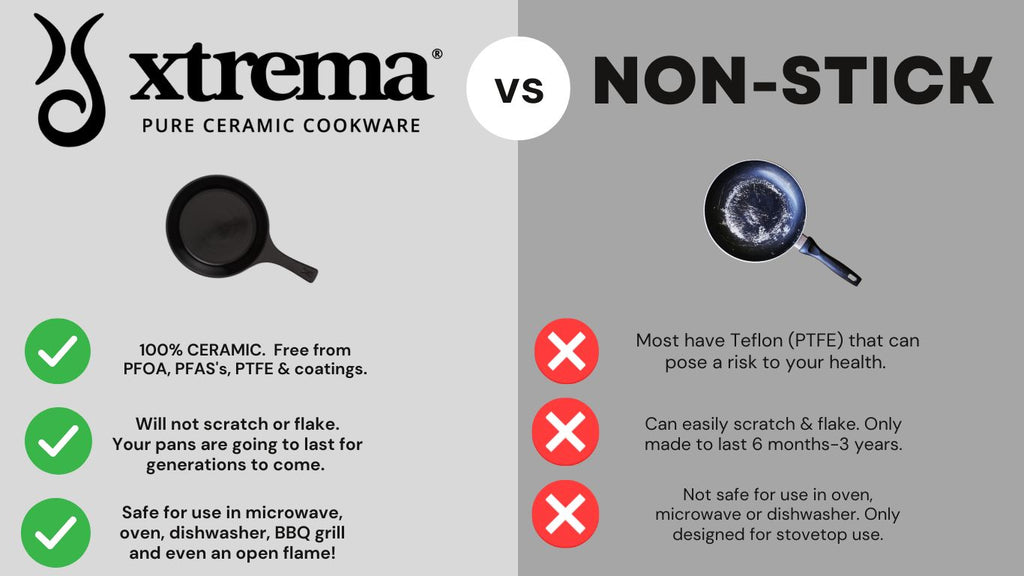
Disposal is a major factor in environmental impact. Ceramic cookware is durable and breaks down naturally over time. It does not release harmful chemicals when discarded. This makes it safer for landfills and the environment.
Nonstick pans, especially those with Teflon, pose disposal challenges. The coatings do not decompose easily. Burning nonstick cookware can release toxic fumes. Recycling options are limited because of mixed materials.
Important disposal facts:
- Ceramic cookware lasts long and breaks down naturally.
- Nonstick coatings persist in the environment.
- Nonstick pans can release toxins if burned.
- Recycling nonstick cookware is difficult.
Proper disposal tips for both types:
- Donate or reuse old cookware to extend life.
- Check local recycling rules before discarding pans.
- Avoid burning nonstick pans to prevent toxic emissions.
- Consider ceramic cookware for easier, safer disposal.
Choosing cookware with disposal in mind helps reduce pollution. Ceramic cookware often offers a greener end-of-life option.
Credit: xtrema.com
Choosing The Right Cookware
Choosing the right cookware is essential for every kitchen. It affects how food cooks, the ease of cleaning, and even your health. Ceramic and nonstick pans are popular choices, but each has unique benefits and limits. Understanding your cooking needs helps pick the best option. This section breaks down key points to guide your choice.
Cooking Style
Your cooking style determines which cookware suits you best. Ceramic cookware heats evenly and works well for slow cooking, sautéing, and baking. It tolerates high heat and can go into the oven.
- Ceramic: Great for simmering sauces, roasting vegetables, and frying with little oil.
- Nonstick: Ideal for eggs, pancakes, and delicate fish that need gentle cooking.
Consider how often you cook and what meals you prepare. Ceramic pots keep heat longer, which helps in recipes needing steady temperature. Nonstick pans heat quickly but lose their coating if overheated.
| Cooking Style | Ceramic Cookware | Nonstick Cookware |
|---|---|---|
| High-heat cooking | Performs well; safe up to 450°F | Not recommended; coating can degrade |
| Delicate foods | May stick if not used properly | Excellent; easy food release |
| Oven use | Usually oven-safe | Depends on manufacturer; check label |
| Cleaning | Generally dishwasher safe | Hand wash recommended |
Match cookware to your usual cooking methods. This avoids frustration and extends pan life.
Budget Factors
Budget plays a big role in choosing cookware. Ceramic cookware often costs more upfront but lasts longer with care. Nonstick pans are cheaper but may need replacing every few years.
Think about these points:
- Initial cost: Nonstick pans are usually less expensive.
- Durability: Ceramic can resist scratches and wear better.
- Replacement frequency: Nonstick coatings wear off faster.
- Maintenance: Ceramic needs gentle cleaning; nonstick requires delicate handling.
Use the table below to compare typical price ranges and lifespan:
| Cookware Type | Price Range | Average Lifespan | Maintenance Cost |
|---|---|---|---|
| Ceramic | $40 – $150 per piece | 5 – 10 years | Low to moderate |
| Nonstick | $20 – $70 per piece | 2 – 4 years | Moderate (due to replacements) |
Invest in quality for long-term savings. Cheap pans might save money now but cost more later.
Personal Preferences
Your taste and habits matter when choosing cookware. Some prefer the feel and weight of ceramic pans. Others like the lightness and easy cleaning of nonstick.
Consider these factors:
- Weight: Ceramic pans tend to be heavier.
- Appearance: Ceramic often looks more modern and colorful.
- Health concerns: Ceramic is free from PTFE and PFOA chemicals found in some nonstick coatings.
- Cleaning routine: Nonstick pans clean quickly but need gentle washing.
- Cooking habits: Frequent high-heat cooking favors ceramic.
Try handling both types in store if possible. This helps find what feels right in your kitchen. Your comfort and confidence improve cooking results.
Frequently Asked Questions
Is Ceramic Cookware Healthier Than Nonstick Pans?
Ceramic cookware is generally considered healthier as it contains no harmful chemicals like PFOA or PTFE. It offers a natural nonstick surface without toxic fumes when overheated, making it safer for cooking compared to traditional nonstick pans.
Does Ceramic Cookware Last Longer Than Nonstick?
Ceramic cookware can last longer if handled carefully, but it is prone to chipping and wear. Nonstick pans often lose their coating faster. Proper care and avoiding metal utensils can extend the lifespan of both types.
Which Cooks Food More Evenly, Ceramic Or Nonstick?
Ceramic cookware usually provides better heat distribution and retention, cooking food more evenly. Nonstick pans heat quickly but may have hot spots. Ceramic’s thick base helps maintain consistent cooking temperatures.
Can Ceramic Cookware Withstand Higher Temperatures Than Nonstick?
Yes, ceramic cookware can generally handle higher temperatures safely, often up to 450°F or more. Nonstick pans have lower heat tolerance, usually around 350°F, beyond which coatings can degrade and release harmful fumes.
Conclusion
Choosing between ceramic and nonstick cookware depends on your needs. Ceramic offers natural, chemical-free cooking surfaces. Nonstick pans are easy to clean and great for low-fat cooking. Both types have pros and cons worth considering. Think about how you cook and what matters most.
Durability, heat tolerance, and maintenance all play roles. Your kitchen style and budget also influence the choice. Either way, good cookware makes cooking easier and more fun. Pick what fits your lifestyle best. Simple and smart decisions lead to better meals.

Hello, This is Annie Walker, a 38-year-old blogger, founder, and editor of Cookware Guider from NY, USA. I am a cookware fanatic and passionate cooker. I love to cook with different types of cooking appliances (example: all types of cookware, rice cookers, slow cookers, etc) almost every day in my kitchen. I love to share my experience with my readers in my blog. Also, I enjoy helping people to solve their problems through my website. You can follow me on Twitter & Pinterest. To know details about my blog please check the about us page.