
Have you ever wondered if cooked rice is safe to eat after sitting out for a while? You might think that once rice is cooked, it stays safe at room temperature—but that’s not always true.
Understanding how temperature affects your cooked rice can protect you and your family from foodborne illnesses. Keep reading to discover simple tips that help you control the temperature of your rice and keep your meals safe every time.
Risks Of Improperly Stored Cooked Rice
Cooked rice can be safe to eat only if stored properly. Improper storage causes risks that may harm health. Bacteria can grow quickly in rice left at room temperature. This growth can lead to food poisoning. Understanding these risks helps keep food safe.
Bacterial Growth In Cooked Rice
Bacteria like Bacillus cereus thrive in cooked rice. This bacteria survives cooking and grows if rice cools slowly. When rice sits out too long, bacteria multiply fast. They produce toxins that cause illness. Proper cooling and storage slow down bacterial growth.
Common Foodborne Illnesses Linked To Rice
Bacillus cereus causes vomiting and diarrhea. Symptoms appear within hours after eating bad rice. Some cases need medical attention, especially for children and elderly. Eating rice stored at unsafe temperatures increases risk. Safe storage prevents these common illnesses.

Credit: foodsafepal.com
Safe Temperature Ranges For Cooked Rice
Maintaining safe temperature ranges for cooked rice is crucial to prevent food poisoning. Rice can hold harmful bacteria if left at unsafe temperatures. Knowing the correct temperature zones helps keep rice safe to eat.
Hot Holding Temperatures
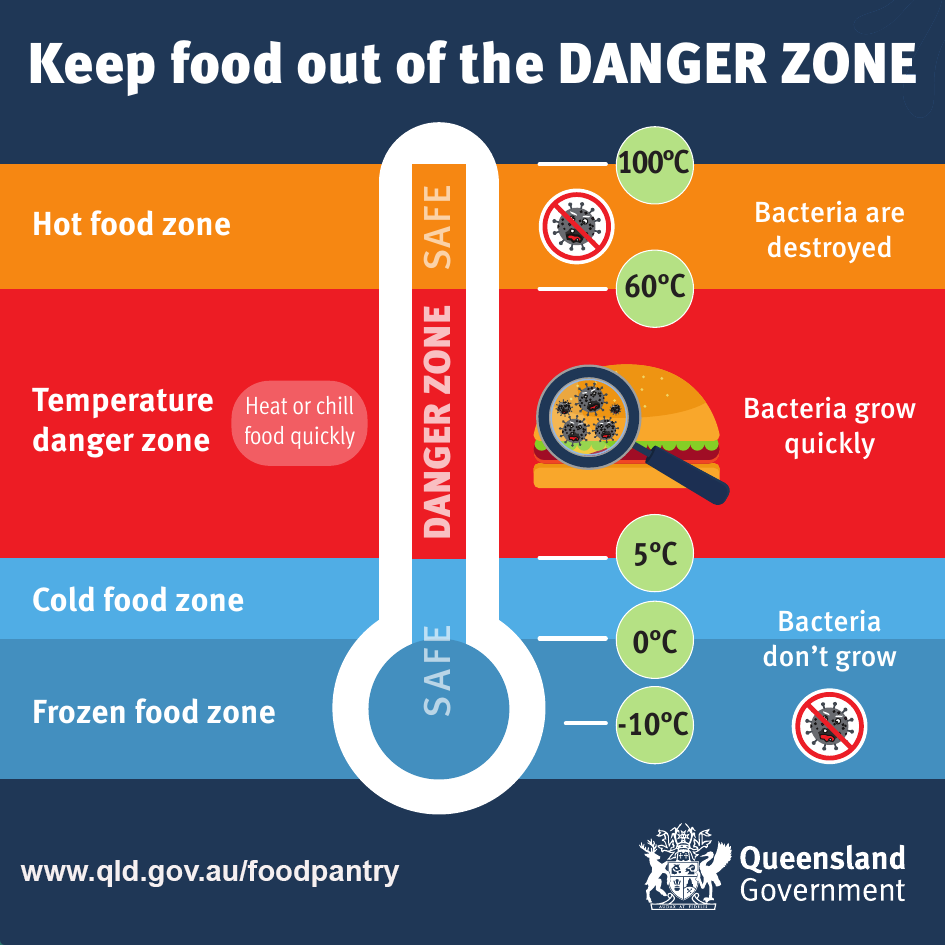
Cooked rice must stay hot to stop bacteria growth. Keep it at 140°F (60°C) or higher. Use warmers or steam tables to maintain this heat. Serve rice quickly after cooking. Do not leave rice out at room temperature for long.
Cooling And Storage Temperatures
Cool rice fast to avoid bacteria multiplying. Move rice to shallow containers. Place it in the fridge within two hours. Store rice below 40°F (4°C). Reheat rice to 165°F (74°C) before eating. Proper cooling and storage keep rice safe.
Best Practices For Cooling Cooked Rice
Cooling cooked rice safely is key to prevent bacteria growth. Rice can spoil quickly if not cooled properly. Following best cooling methods keeps rice safe and tasty.
Rapid Cooling Techniques
Cool rice quickly to stop bacteria from growing. Spread the rice thinly on a clean tray. Stir often to let heat escape faster. Avoid leaving rice at room temperature for long. Use a fan or cool area to speed up cooling.
Using Shallow Containers
Place cooked rice in shallow containers for quick cooling. Shallow containers let heat escape faster than deep ones. Divide rice into small portions to cool evenly. Cover containers loosely to avoid contamination. Store cooled rice in the fridge within two hours.
Credit: www.qld.gov.au
Reheating Cooked Rice Safely
Reheating cooked rice requires care to keep it safe to eat. Rice can hold bacteria that grow if it cools slowly or stays at unsafe temperatures. Proper reheating kills these bacteria and stops food poisoning. Follow simple rules to reheat rice safely and enjoy it without worry.
Temperature Guidelines For Reheating
Heat rice to at least 165°F (74°C) before eating. Use a food thermometer to check the temperature. Make sure the rice is hot all the way through. Stir the rice during reheating to spread heat evenly. Avoid eating rice that is not steaming hot.
Avoiding Multiple Reheats
Reheat rice only once. Each time rice cools and warms, bacteria can grow. Keep leftover rice in the fridge within two hours of cooking. Only take out the amount you want to eat. Throw away any rice left after reheating to avoid risks.
Storage Duration And Shelf Life
Proper storage of cooked rice is vital to keep it safe and fresh. Rice can grow harmful bacteria if left out too long. Knowing how long you can store rice helps prevent food poisoning. The shelf life depends on how you store it and the temperature used.
Refrigeration Time Limits
Cooked rice should cool quickly and go into the fridge within two hours. Store it in a clean, airtight container. Rice stays good in the fridge for about four to six days. Avoid leaving it at room temperature for more than two hours. Always check for any strange smell or texture before eating.
Freezing Cooked Rice
Freezing cooked rice extends its shelf life up to six months. Use freezer-safe bags or containers to keep it fresh. Cool the rice completely before freezing to avoid ice crystals. When ready to use, thaw in the fridge or microwave. Freezing helps stop bacterial growth and keeps rice safe longer.
Tools And Tips For Temperature Control
Keeping cooked rice safe to eat means controlling its temperature. Proper tools and smart tips help keep food safe. These tools make sure rice stays at the right temperature. This stops bacteria from growing. Let’s explore some easy ways to check and record temperatures.
Using Food Thermometers
A food thermometer is a simple tool to check rice temperature. Insert the probe into the rice’s center. Read the temperature on the display. Cooked rice should stay above 140°F (60°C) to stay safe. If it cools below 70°F (21°C), bacteria can grow fast. Use the thermometer often to avoid risks.
Monitoring And Logging Temperatures
Write down temperatures after cooking and before serving. Keep a log to track rice safety over time. Check rice temperature every two hours if kept warm. This helps catch any unsafe drops in temperature. Use a notebook or a digital app for records. Clear notes make it easier to spot problems early.
Common Mistakes To Avoid
Cooked rice can be safe to eat if handled correctly. Many people make mistakes that lead to food safety risks. Knowing what to avoid helps keep rice safe. This section covers common errors and how to prevent them.
Leaving Rice At Room Temperature Too Long
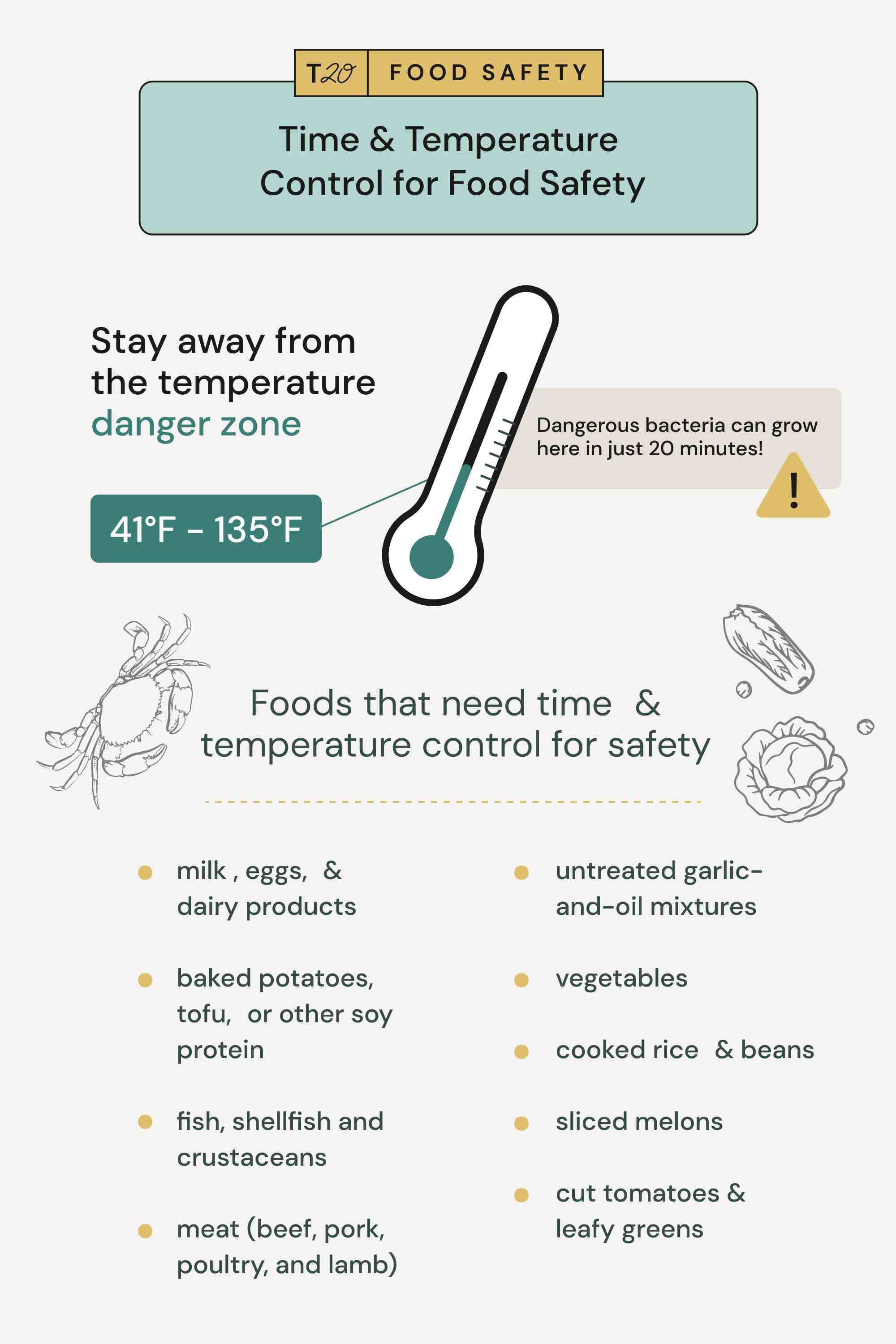
Rice left out too long can grow harmful bacteria. Bacteria multiply quickly between 40°F and 140°F (4°C and 60°C). Leaving rice at room temperature for more than two hours is risky. Always store rice in the fridge as soon as it cools. This stops bacteria from growing and keeps rice safe.
Improper Cooling And Reheating
Cooling rice slowly allows bacteria to grow. Spread rice out on a plate or tray to cool faster. Never cool rice in a deep container. Reheat rice only once and make sure it is steaming hot. Do not reheat rice multiple times. Proper cooling and reheating kill bacteria and prevent food poisoning.
Credit: trust20.co
Frequently Asked Questions
Is Cooked Rice A Temperature Control For Food Safety?
Yes, cooked rice requires proper temperature control to prevent bacterial growth. Cooling rice quickly and storing it below 5°C ensures safety. Reheating rice to at least 75°C kills harmful bacteria, reducing food poisoning risks.
How Does Temperature Affect Cooked Rice Safety?
Temperature affects bacteria growth in cooked rice. Warm temperatures between 5°C and 60°C promote bacteria multiplication. Keeping rice hot above 60°C or cold below 5°C limits bacterial growth, ensuring the rice remains safe to eat.
Can Improper Cooling Cause Food Poisoning From Rice?
Improper cooling of cooked rice can lead to food poisoning. Bacteria such as Bacillus cereus survive cooking and multiply if rice cools slowly. Always cool rice quickly and refrigerate to avoid toxin formation and illness.
What Is The Safe Way To Store Cooked Rice?
Cooked rice should be cooled within one hour and refrigerated below 5°C. Store in shallow containers for faster cooling. Consume within 1-2 days and reheat thoroughly to 75°C before eating for food safety.
Conclusion
Cooked rice needs proper temperature to stay safe. Keep rice hot above 60°C or cool it quickly below 5°C. Leaving rice at room temperature can let bacteria grow fast. Store cooked rice in small containers to cool it faster. Reheat rice until it is steaming hot before eating.
These steps help avoid food poisoning and keep your meals safe. Safe temperature control is simple but very important for cooked rice. Follow these tips to enjoy rice without health risks.

Hello, This is Annie Walker, a 38-year-old blogger, founder, and editor of Cookware Guider from NY, USA. I am a cookware fanatic and passionate cooker. I love to cook with different types of cooking appliances (example: all types of cookware, rice cookers, slow cookers, etc) almost every day in my kitchen. I love to share my experience with my readers in my blog. Also, I enjoy helping people to solve their problems through my website. You can follow me on Twitter & Pinterest. To know details about my blog please check the about us page.