
Are you tired of guessing how long to cook rice or ending up with sticky, uneven grains? A rice cooker could be the simple solution you’ve been looking for.
This handy kitchen device takes the guesswork out of cooking rice, saving you time and effort while delivering perfect results every time. If you want to make your meals easier and tastier, understanding what a rice cooker is and how it works will help you get the most out of this tool.
Keep reading to discover why a rice cooker might become your new best friend in the kitchen.
Credit: townfood.com
Rice Cooker Basics
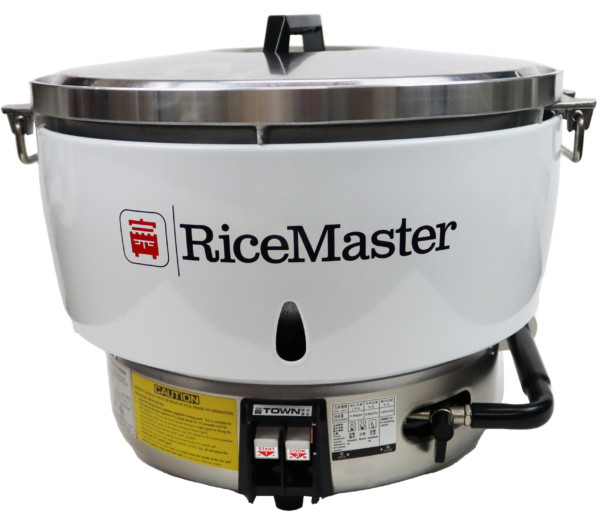
A rice cooker is a simple kitchen device designed to cook rice perfectly every time. It saves time and effort, especially for those who cook rice often. Understanding the basics of a rice cooker helps users use it better and appreciate its design and function. Rice cooker basics include knowing its main parts and how it works to make cooking easy and consistent.
Main Components
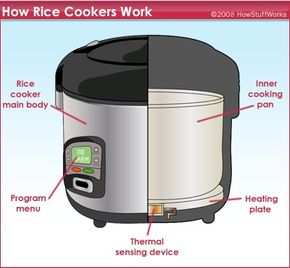
A rice cooker has several key parts that work together to cook rice smoothly. Each part plays an important role in the cooking process.
- Inner Pot: This is a removable container where you add rice and water. It usually has a non-stick surface for easy cleaning.
- Heating Plate: Located under the inner pot, it provides heat to cook the rice evenly.
- Thermostat or Sensor: This part detects the temperature inside the cooker and controls the cooking time.
- Lid: A tight-fitting lid traps steam and heat inside, helping rice cook faster.
- Control Panel: This includes buttons or switches to start cooking and sometimes select cooking modes.
Here is a simple table to show the main components and their functions:
| Component | Function |
|---|---|
| Inner Pot | Holds rice and water; non-stick surface for easy cleaning |
| Heating Plate | Generates heat to cook rice evenly |
| Thermostat/Sensor | Monitors temperature and controls cooking time |
| Lid | Seals in steam and heat for faster cooking |
| Control Panel | Allows user to start and control cooking modes |
How It Works
The rice cooker uses heat and steam to cook rice automatically. It follows a simple process that anyone can use without much effort.
- First, you add rice and water to the inner pot. The amount of water depends on the rice type and quantity.
- Next, close the lid and turn on the cooker using the control panel.
- The heating plate warms up, heating the water and rice together.
- Water starts to boil, creating steam that cooks the rice evenly.
- The thermostat senses the temperature inside the pot. When the water is fully absorbed or evaporated, the temperature rises quickly.
- This temperature change tells the cooker to stop heating or switch to a “keep warm” mode.
- The rice stays warm and ready to eat without overcooking or burning.
This process makes cooking rice easy and consistent every time. Users do not need to watch the pot or guess cooking time. The rice cooker handles everything automatically.
Credit: www.zojirushi.com
Types Of Rice Cookers
Rice cookers come in various types, each designed to meet different cooking needs and budgets. Understanding the types helps choose the right one for your kitchen. The main types include conventional models, Micom rice cookers, and induction heating cookers. Each offers unique features and cooking methods to prepare perfect rice every time.
Conventional Models
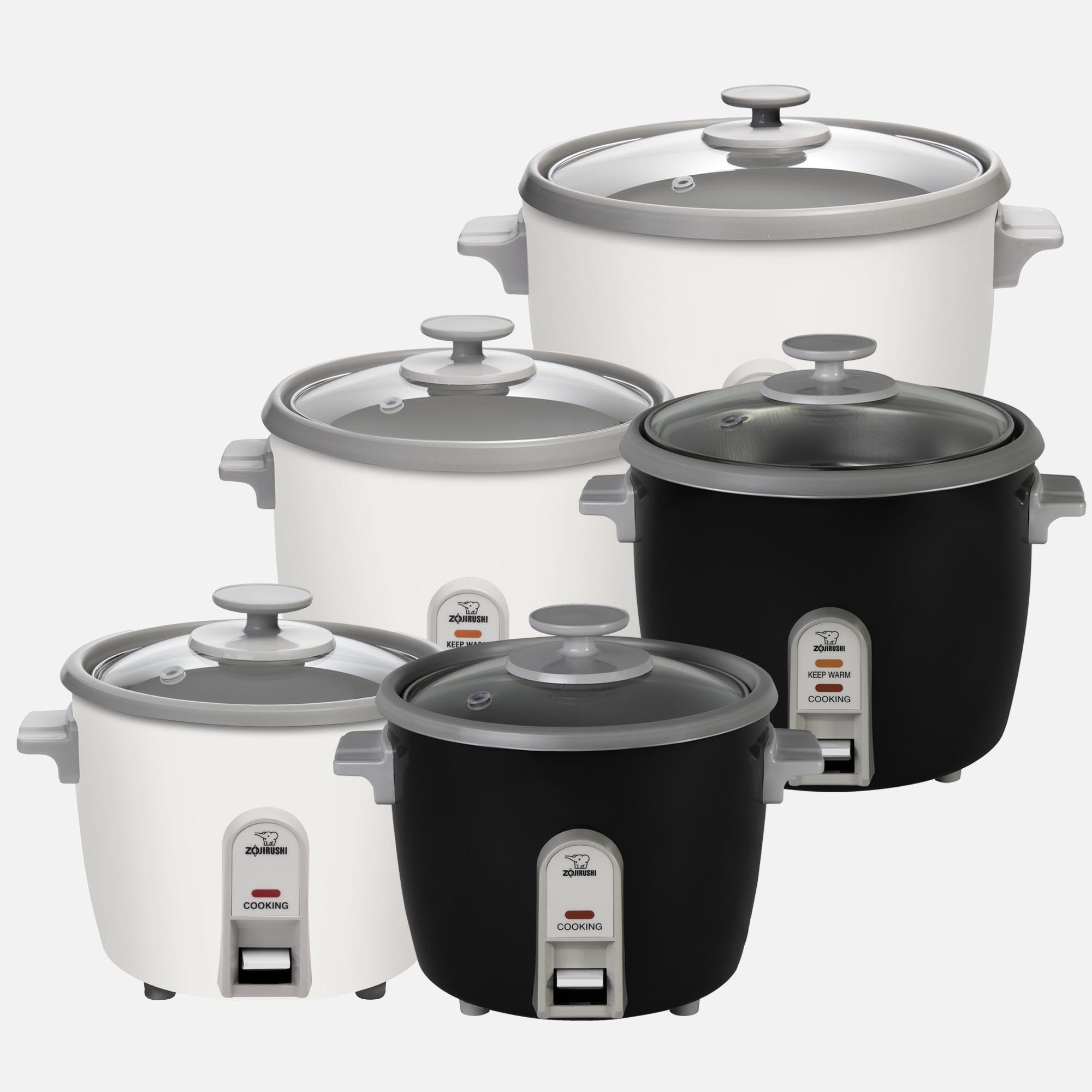
Conventional rice cookers are the simplest and most affordable type. They use a basic heating element and a thermostat to cook rice. Once the water is absorbed or evaporated, the cooker switches to “keep warm” mode automatically.
These cookers are easy to use with one or two buttons. They work well for white rice and simple grains but lack advanced settings for other rice types.
- Simple operation: Just add rice and water, then press start.
- Basic heating system: Heats from the bottom using a heating plate.
- Automatic switch: Changes to keep warm after cooking.
- Affordable price: Budget-friendly for everyday use.
Here is a quick comparison table of conventional rice cookers:
| Feature | Description |
|---|---|
| Heating Method | Bottom heating plate |
| Control | Manual or simple one-button |
| Rice Types | Best for white rice |
| Price Range | Low |
Micom Rice Cookers
Micom rice cookers use microcomputer technology to control cooking. They adjust temperature and cooking time based on rice type and quantity. This technology provides better results than conventional models.
Micom cookers offer multiple cooking modes. These include settings for brown rice, sushi rice, porridge, and more. The microcomputer also keeps rice warm without drying it out.
- Smart control: Adjusts heat and time automatically.
- Multiple cooking programs: Supports various rice types and dishes.
- Keep warm function: Maintains rice freshness for hours.
- Easy to use: Digital display and buttons for settings.
The table below highlights key Micom cooker features:
| Feature | Micom Rice Cooker |
|---|---|
| Technology | Microcomputer control |
| Cooking Modes | Multiple (white, brown, porridge, etc.) |
| Keep Warm | Yes, with moisture control |
| Price Range | Medium |
Induction Heating Cookers
Induction heating rice cookers use electromagnetic technology to heat the entire pot evenly. This method provides precise temperature control and faster cooking times.
These cookers offer advanced features like fuzzy logic and pressure cooking. They produce high-quality rice with excellent texture and flavor. Induction heating models are usually the most expensive but deliver professional results.
- Even heating: Heats the pot from all sides.
- Precise control: Temperature adjusts in real time.
- Advanced features: Pressure cooking, fuzzy logic.
- High price: Premium option for serious rice lovers.
See the comparison below for induction heating rice cookers:
| Feature | Induction Heating Cooker |
|---|---|
| Heating Method | Electromagnetic induction |
| Cooking Control | Real-time temperature adjustment |
| Special Features | Pressure cooking, fuzzy logic |
| Price Range | High |
Benefits Of Using A Rice Cooker
Using a rice cooker offers several benefits that make cooking easier and more reliable. This simple appliance helps prepare perfect rice every time. It saves time, ensures consistent results, and does more than just cook rice. Many people find a rice cooker a helpful tool in the kitchen for these reasons.
Convenience And Time-saving
A rice cooker is very convenient. You just add rice and water, press a button, and wait. It cooks rice automatically without needing to watch the pot. This frees up time to do other tasks or relax.
Key convenience features include:
- Automatic shut-off: The cooker stops when the rice is done, so it never burns.
- Keep warm function: It keeps rice warm for hours without drying out.
- Easy cleaning: Most rice cookers have non-stick inner pots that clean easily.
Here is a simple comparison table showing time saved:
| Method | Cooking Time | Attention Needed |
|---|---|---|
| Stovetop | 20-30 minutes | Constant monitoring |
| Rice Cooker | 20-30 minutes | Minimal, just start and wait |
The rice cooker handles the cooking process for you. This means less stress and more free time.
Consistent Cooking Results
One big benefit of a rice cooker is the consistent quality of cooked rice. It cooks rice perfectly every time. The machine controls temperature and cooking time precisely.
This consistency means:
- No more undercooked or burnt rice.
- Fluffy, evenly cooked grains.
- Good texture for all types of rice.
Rice cookers use sensors to adjust heat automatically. This prevents mistakes common with stovetop cooking.
Here are common rice cooking problems solved by rice cookers:
- Rice sticking to the bottom of the pot.
- Uneven cooking or raw parts.
- Rice drying out after cooking.
With a rice cooker, your rice turns out well every time, no matter your cooking skill. This makes it easier to prepare meals with confidence.
Versatility Beyond Rice
A rice cooker is useful for more than just rice. Many models can cook different foods, making them versatile kitchen tools.
Here are some other foods you can cook in a rice cooker:
- Steamed vegetables
- Soups and stews
- Oatmeal and porridge
- Boiled eggs
- Quinoa and other grains
Some rice cookers come with steaming trays or additional functions. These features allow you to cook multiple dishes at once or prepare healthy meals easily.
Benefits of versatility include:
- One appliance for many uses.
- Less need for extra pots or pans.
- Simple, hands-off cooking for various recipes.
This makes a rice cooker a smart choice for small kitchens or busy people. It saves space and reduces cooking effort.
Choosing The Right Rice Cooker
Choosing the right rice cooker is important for making perfect rice every time. A good rice cooker saves time and effort in the kitchen. It also helps cook different types of rice and grains with ease. Picking the best rice cooker depends on your needs, kitchen space, and budget. This guide helps you understand the key points to consider before buying one.
Capacity Considerations
Rice cookers come in different sizes. The capacity you need depends on how many people you usually cook for. Small rice cookers hold about 3 cups of uncooked rice. These are ideal for singles or couples. Medium ones hold 5 to 6 cups, good for small families. Large rice cookers can handle 10 cups or more, perfect for big families or gatherings.
Think about:
- How many servings of rice you cook daily
- Storage space for the cooker
- Whether you want to cook other grains or meals
| Capacity | Ideal for | Uncooked Rice Amount |
|---|---|---|
| Small | 1-2 people | 3 cups or less |
| Medium | 3-5 people | 4-6 cups |
| Large | 6+ people | 7 cups or more |
Choose a size that fits your family size and meal habits. Avoid buying too large cookers if you only need small amounts of rice. It saves energy and space.
Features To Look For
Rice cookers offer many features. Basic models cook rice and turn off automatically. Advanced ones have multiple cooking modes and timers. Some features make cooking easier and more flexible.
Important features include:
- Keep Warm Function: Keeps rice warm after cooking without drying it out.
- Timer and Delay Start: Allows setting cooking time to fit your schedule.
- Multiple Cooking Settings: Options for brown rice, porridge, steaming, or slow cooking.
- Non-stick Inner Pot: Easy to clean and prevents rice from sticking.
- Fuzzy Logic Technology: Adjusts cooking time and temperature for perfect rice.
Consider your cooking style. If you want simple use, a basic cooker works fine. For more variety, pick one with advanced settings. Check if the cooker is easy to clean and has a sturdy build. A clear display and simple controls help too.
Budget And Brand Options
Rice cookers vary in price from budget to high-end models. Budget models cost less but have fewer features. Mid-range cookers balance price and functions well. High-end models offer advanced technology and durability.
Here is a general price range:
| Price Range | Features | Best For |
|---|---|---|
| Under $30 | Basic cooking, manual controls | Simple use, small budgets |
| $30 – $80 | Multiple settings, keep warm, timers | Families, regular cooks |
| Above $80 | Fuzzy logic, multi-function, durable | Frequent cooks, variety of grains |
Popular brands include Aroma, Zojirushi, Tiger, and Instant Pot. These brands offer reliable rice cookers with good warranties. Read reviews and check customer feedback before buying. Warranty and customer service matter for long-term use.
Match the rice cooker to your budget but focus on quality and features. A well-chosen rice cooker will save time and improve meal quality.
Maintenance And Cleaning Tips
A rice cooker is a simple kitchen device designed to cook rice perfectly every time. To keep it working well and last longer, proper maintenance and cleaning are important. Regular care stops problems and keeps your rice tasting fresh. This section shares easy tips to clean and maintain your rice cooker.
Regular Cleaning Steps
Cleaning your rice cooker after each use is key. Follow these steps to keep it spotless:
- Unplug and cool down: Always unplug the cooker and wait for it to cool before cleaning.
- Remove the inner pot: Take out the removable inner pot and wash it with warm, soapy water.
- Clean the lid: Detach the lid if possible. Wash it carefully to remove any stuck rice or steam stains.
- Wipe the heating plate: Use a damp cloth to gently clean the heating plate inside the cooker. Avoid using too much water.
- Clean the steam vent: Check the steam vent for any blockages. Remove and rinse it if detachable.
Use a soft sponge or cloth to avoid scratches. Dry all parts completely before reassembling. Never immerse the whole cooker in water.
| Step | Action | Tip |
|---|---|---|
| 1 | Unplug and cool | Wait 15-20 minutes before cleaning |
| 2 | Wash inner pot | Use mild dish soap and soft sponge |
| 3 | Clean lid and vent | Remove parts if possible for thorough cleaning |
| 4 | Wipe heating plate | Use damp cloth, avoid water pooling |
| 5 | Dry and reassemble | Ensure all parts are fully dry |
Preventing Common Issues
Many rice cooker problems come from poor cleaning or rough use. Prevent issues with these tips:
- Use the right amount of water and rice: Overfilling causes overflow and messes up cooking.
- Don’t use metal utensils: They can scratch the non-stick surface inside the pot.
- Clean after every use: Avoid rice build-up which can cause bad smells or damage.
- Check the power cord and plug: Look for wear or damage. Replace if necessary to avoid hazards.
- Store with lid open: Let the cooker air out to stop mold and odors.
Follow manufacturer instructions for maintenance and use recommended cleaning tools only. Regular care reduces repairs and keeps your rice cooker running smoothly for years.
Credit: home.howstuffworks.com
Frequently Asked Questions
What Is A Rice Cooker Used For?
A rice cooker is an electric appliance that cooks rice automatically. It simplifies rice preparation, ensuring perfect texture and consistency every time. It can also steam vegetables and cook grains like quinoa, making it a versatile kitchen tool.
How Does A Rice Cooker Work?
A rice cooker uses an internal heating element to boil water. It then switches off or keeps warm when rice absorbs water fully. This process prevents overcooking and ensures evenly cooked rice without constant monitoring.
Can A Rice Cooker Cook Other Foods?
Yes, many rice cookers can steam vegetables, cook soups, and even bake cakes. They use similar steaming or slow-cooking functions, making them multi-purpose kitchen devices beyond just cooking rice.
Is A Rice Cooker Easy To Clean?
Most rice cookers have a non-stick inner pot that is easy to clean. Many parts are removable and dishwasher-safe, allowing quick and hassle-free maintenance after cooking.
Conclusion
A rice cooker makes cooking rice simple and fast. It saves time and effort in the kitchen. Anyone can use it, even beginners. You get perfect rice every time without guesswork. It also keeps rice warm for hours. This small appliance adds convenience to daily meals.
Rice cookers come in many sizes and styles. They fit well in most kitchens. Cooking rice becomes less stressful and more enjoyable. A rice cooker is a helpful tool for many households.

Hello, This is Annie Walker, a 38-year-old blogger, founder, and editor of Cookware Guider from NY, USA. I am a cookware fanatic and passionate cooker. I love to cook with different types of cooking appliances (example: all types of cookware, rice cookers, slow cookers, etc) almost every day in my kitchen. I love to share my experience with my readers in my blog. Also, I enjoy helping people to solve their problems through my website. You can follow me on Twitter & Pinterest. To know details about my blog please check the about us page.