
Are you wondering if hard anodized ceramic cookware is safe to use in your kitchen? With so many options out there, it’s normal to question what’s best for your health and cooking needs.
You want cookware that not only performs well but also keeps your food free from harmful chemicals. You’ll discover the truth about hard anodized ceramic cookware—how it works, its safety features, and what you should watch out for. By the end, you’ll feel confident about whether this type of cookware is right for you and your family.
Keep reading to make the best choice for your kitchen!
Hard Anodized Cookware Basics
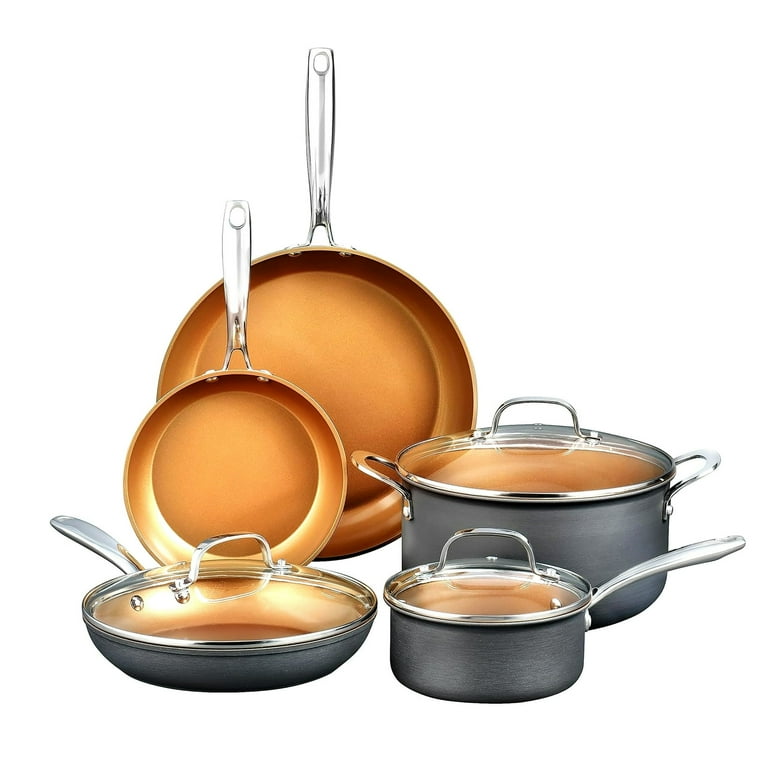
Hard anodized ceramic cookware combines two popular materials for cooking: hard anodized aluminum and a ceramic coating. Understanding the basics of hard anodized cookware helps in deciding if it is safe and suitable for everyday use. This section explains what hard anodized cookware is made of and how it is produced. Both factors affect its durability, heat distribution, and safety.
Material Composition
Hard anodized cookware starts with aluminum, a metal known for being lightweight and a good heat conductor. The aluminum undergoes an electrochemical process to create a very hard surface layer. This makes the cookware stronger and more resistant to scratches and corrosion.
- Base Metal: High-quality aluminum
- Surface Layer: Thick, hard anodized coating
- Additional Layer: Ceramic non-stick coating
The ceramic coating is applied on top of the anodized surface. It provides a non-stick layer that is free from harmful chemicals like PTFE or PFOA. This makes cooking easier and safer, especially at high temperatures.
| Component | Role | Benefit |
|---|---|---|
| Aluminum Core | Heat conduction | Even and fast heating |
| Hard Anodized Layer | Surface protection | Scratch and corrosion resistance |
| Ceramic Coating | Non-stick cooking surface | Easy food release and safer cooking |
Hard anodized ceramic cookware offers a durable and safer cooking option by combining strong metal and a clean non-stick surface.
Manufacturing Process
The manufacturing of hard anodized ceramic cookware involves several key steps. Each step improves the cookware’s strength and cooking performance.
- Aluminum Shaping: Aluminum is shaped into pans or pots using pressing or casting methods.
- Anodizing: The shaped aluminum is submerged in an acid bath and exposed to an electric current. This creates a thick oxide layer on the surface.
- Sealing: The anodized surface is sealed with hot water or steam to close pores and increase durability.
- Ceramic Coating Application: A ceramic layer is sprayed or dipped onto the sealed surface. It then cures at high temperatures to bond firmly.
This process results in cookware that is:
- Hard and resistant to wear
- Non-reactive with food
- Easy to clean
- Safe for most cooking styles
The anodizing step is key. It creates a non-metallic surface that prevents aluminum from leaching into food. The ceramic coating adds a smooth, non-stick finish without toxic chemicals.
Careful quality control ensures consistent thickness and smoothness of the ceramic layer. This helps maintain the cookware’s safety and performance over time.

Credit: kitchenpluse.com
Ceramic Coating Features
Hard anodized ceramic cookware combines the strength of hard anodized aluminum with a ceramic coating. This pairing offers a unique cooking surface that many find appealing. Understanding the features of ceramic coating helps assess the safety and performance of this cookware type. Ceramic coatings are known for their smooth texture and chemical stability. These features influence how food cooks and how easy cleaning becomes.
Non-stick Properties
The ceramic coating provides excellent non-stick properties without using harmful chemicals. Unlike traditional non-stick surfaces, ceramic coatings are free from PTFE and PFOA, which can release toxins at high heat. This makes ceramic cookware safer for daily use.
Key benefits of ceramic non-stick surfaces:
- Easy food release: Food slides off easily, reducing the need for oil or butter.
- Healthier cooking: Less oil means healthier meals with lower fat content.
- Simple cleaning: The smooth surface prevents food from sticking, making washing quick.
- Heat resistance: Ceramic coatings can withstand moderate to high temperatures without damage.
Below is a quick comparison of ceramic and traditional non-stick coatings:
| Feature | Ceramic Coating | Traditional Non-Stick |
|---|---|---|
| Material | Silicon-based, inorganic | PTFE or PFOA-based |
| Non-Stick Performance | Good, especially at moderate heat | Excellent at low to medium heat |
| Health Safety | Free from harmful chemicals | Possible toxic fumes at high heat |
| Cleaning | Easy to clean | Easy to clean |
Durability Factors
Ceramic coatings add a layer of protection to hard anodized cookware, but durability varies by quality and use. The hard anodized aluminum base is very strong and resists scratches and dents. This base helps the cookware last longer under daily use.
Durability depends on several factors:
- Coating thickness: Thicker coatings usually last longer and resist chipping.
- Heat tolerance: Ceramic coatings hold up well at medium heat but may degrade at very high temperatures.
- Proper care: Using non-metal utensils and avoiding sudden temperature changes extend the coating life.
- Cleaning methods: Gentle cleaning preserves the coating; harsh scrubbing can damage it.
Care tips to improve cookware lifespan:
- Use wooden, silicone, or plastic utensils
- Do not overheat empty cookware
- Hand wash with mild soap and soft sponge
- Avoid dishwasher for ceramic-coated pans
Hard anodized ceramic cookware balances strength and a safe cooking surface. Proper use and care ensure it stays durable and non-stick for a long time.
Safety Concerns
Safety concerns are important when choosing cookware. People want to know if hard anodized ceramic cookware is safe for daily use. This type of cookware combines a hard anodized aluminum base with a ceramic non-stick coating. Both materials have benefits, but questions about chemical leaching and heat resistance often arise. Understanding these safety factors helps users cook with confidence and avoid health risks.
Chemical Leaching Risks
Hard anodized aluminum undergoes a process that makes the surface very hard and non-reactive. This means the metal itself does not easily leach into food. The ceramic coating adds a smooth, non-stick layer that is free from harmful chemicals like PFOA and PTFE, which are common in some non-stick pans.
Key points about chemical leaching:
- The hard anodized layer prevents aluminum from reacting with acidic or alkaline foods.
- Ceramic coatings are usually made from natural minerals and do not release toxic substances.
- Damaged or scratched ceramic coatings might increase leaching risk if the metal underneath is exposed.
- Always avoid using metal utensils to prolong the coating’s life and safety.
| Material | Leaching Risk | Notes |
|---|---|---|
| Hard Anodized Aluminum | Very Low | Non-reactive surface reduces metal transfer |
| Ceramic Coating | Negligible | Free of harmful chemicals if intact |
| Scratched Coating | Moderate | Potential exposure to aluminum underneath |
Proper care, such as gentle cleaning and avoiding abrasive tools, keeps the cookware safe. Users should inspect for scratches regularly and replace cookware if the coating wears off.
Heat Resistance
Hard anodized ceramic cookware handles heat well and distributes it evenly. The hard anodized base resists warping at high temperatures. The ceramic coating can tolerate moderate heat but can degrade if overheated.
Important facts about heat resistance:
- Hard anodized aluminum withstands temperatures up to 500°F (260°C) without damage.
- Ceramic coatings usually resist heat up to 450°F (232°C).
- Excessive heat can cause the ceramic layer to crack or discolor.
- Using moderate heat preserves the non-stick surface and cookware lifespan.
| Component | Max Heat Resistance | Effect of Excess Heat |
|---|---|---|
| Hard Anodized Base | Up to 500°F (260°C) | Maintains shape, no warping |
| Ceramic Coating | Up to 450°F (232°C) | May crack, lose non-stick properties |
To extend cookware life, avoid preheating empty pans and use low to medium heat. This approach keeps the ceramic layer intact and ensures safe cooking.

Credit: www.amazon.com
Health Benefits
Hard anodized ceramic cookware offers a safe and healthy option for everyday cooking. Its unique surface combines hard anodized aluminum with a ceramic coating, providing durability and a cleaner cooking experience. Choosing cookware that supports health is vital. This type of cookware helps reduce harmful chemical exposure and supports a better lifestyle.
Non-toxic Cooking Surface
One of the main health benefits of hard anodized ceramic cookware is its non-toxic cooking surface. The ceramic coating is free from harmful chemicals like PFOA, PTFE, and lead. These substances are common in some non-stick pans and may release toxins when heated.
The ceramic layer is made from natural minerals. It creates a smooth surface that prevents food from sticking. This means less oil or butter is needed, helping to reduce fat intake during cooking.
- No harmful fumes: Safe even at high cooking temperatures.
- Durable coating: Resists scratches and chipping better than some traditional non-stick pans.
- Easy cleaning: Food residues do not stick, reducing the need for harsh cleaning chemicals.
| Feature | Health Benefit |
|---|---|
| Free of PFOA and PTFE | Prevents toxic chemical release during cooking |
| Ceramic-based coating | Made from natural minerals, non-toxic |
| Non-stick surface | Reduces need for added fats and oils |
Allergy-friendly Options
Hard anodized ceramic cookware suits people with allergies or sensitive skin. It does not contain nickel or other metals that can cause allergic reactions. Many metal pans release small amounts of metals into food, which may trigger allergies.
The ceramic coating acts as a barrier between food and the aluminum base. This barrier lowers the chance of metal exposure. People with metal allergies can cook safely without worry.
Additional allergy-friendly benefits:
- Hypoallergenic surface: Does not react with food or skin.
- Odor-free cooking: No chemical smells during use.
- Safe for sensitive stomachs: No leaching of metals or chemicals into meals.
Here is a quick comparison of cookware for allergy-sensitive users:
| Cookware Type | Metal Allergies Risk | Chemical Coating Risk |
|---|---|---|
| Hard Anodized Ceramic | Low | None |
| Stainless Steel | Medium (Nickel content) | None |
| Non-stick Teflon | Low | Possible PFOA/PTFE exposure |
Maintenance Tips
Hard anodized ceramic cookware offers durability and a non-stick surface for healthy cooking. Proper maintenance keeps this cookware safe and extends its life. Simple care steps prevent damage and keep food tasting great. Focus on effective cleaning and avoiding common mistakes to protect your investment.
Cleaning Techniques
Cleaning hard anodized ceramic cookware properly preserves its non-stick surface and prevents stains. Use warm water and mild dish soap for daily cleaning. Avoid harsh detergents that can wear down the ceramic coating.
- Let the cookware cool before washing to avoid warping.
- Use a soft sponge or cloth to clean surfaces gently.
- For stuck food, soak the pan in warm soapy water for 15-20 minutes.
- Use a non-abrasive scrubber if needed, but never steel wool.
- Rinse thoroughly to remove all soap residue.
For tougher stains or oily residue, mix baking soda with water to create a gentle paste. Apply the paste to the cookware and let it sit for 10 minutes. Then, wipe with a soft sponge and rinse well.
| Cleaning Method | Purpose | Tip |
|---|---|---|
| Warm Soapy Water | Daily cleaning | Use mild soap and soft cloth |
| Baking Soda Paste | Remove stains and residue | Let sit for 10 minutes before wiping |
| Non-abrasive Scrubber | Gentle scrubbing of tough spots | Avoid steel wool or metal brushes |
Dry cookware completely after washing to prevent water spots and rust on rims. Store pans stacked with paper towels between them to protect surfaces.
Avoiding Damage
Protecting hard anodized ceramic cookware from damage ensures safety and longevity. Avoid sudden temperature changes that can crack the ceramic coating. Do not place hot pans directly under cold water.
- Always preheat pans on low to medium heat before cooking.
- Use wooden, silicone, or plastic utensils to avoid scratching the surface.
- Never use metal tools or knives inside the cookware.
- Do not use cookware with chips or cracks as it can release particles into food.
- Avoid stacking pans without protection to prevent scratching.
Follow these tips to keep the ceramic coating intact and maintain the cookware’s non-stick properties. Regularly inspect pans for signs of wear or damage. Replace cookware if the surface is severely worn to ensure safe cooking.
| Action | Why Avoid It? | Best Practice |
|---|---|---|
| Sudden temperature change | Can crack ceramic coating | Heat gradually and cool before washing |
| Metal utensils | Scratch and damage surface | Use wooden or silicone tools |
| Stacking without protection | Scratches and chips | Use paper towels between pans |
Comparing Cookware Types
Choosing the right cookware affects cooking safety and food quality. Comparing different types helps find the best option for your kitchen. Hard anodized ceramic cookware is popular, but how does it stack up against traditional and other non-stick pans? Understanding their features and safety will guide your choice.
Hard Anodized Vs. Traditional
Hard anodized cookware is made from aluminum treated with an electrochemical process. This makes the surface very hard and durable. Traditional cookware usually means stainless steel or cast iron. Each has unique strengths and weaknesses.
- Durability: Hard anodized pans resist scratches and dents better than traditional aluminum. Stainless steel is also tough but can warp under high heat.
- Heat conduction: Hard anodized aluminum heats evenly and quickly. Stainless steel heats slower and may have hot spots.
- Maintenance: Hard anodized pans are easier to clean and resist corrosion. Cast iron needs seasoning and careful cleaning to avoid rust.
- Non-stick properties: Hard anodized surfaces often have a non-stick coating, making food release easier. Traditional stainless steel is not naturally non-stick and may require more oil.
| Feature | Hard Anodized | Traditional (Stainless Steel / Cast Iron) |
|---|---|---|
| Durability | Highly durable surface, scratch-resistant | Stainless steel durable, cast iron heavy but can chip |
| Heat Distribution | Even and fast heating | Slower heating, possible hot spots |
| Maintenance | Easy to clean, corrosion-resistant | Requires seasoning (cast iron), can stain (stainless steel) |
| Non-stick | Usually non-stick coated | Not naturally non-stick |
Hard anodized cookware offers a balance of durability and non-stick ease. Traditional cookware suits those who prefer heavy-duty pans and don’t mind extra care.
Ceramic Vs. Other Non-stick Coatings
Ceramic coatings are made from inorganic minerals and are free from chemicals like PTFE or PFOA. Other non-stick coatings, such as Teflon, use synthetic chemicals for smooth surfaces. Comparing these helps understand safety and performance.
- Safety: Ceramic coatings are considered safer because they do not release harmful fumes at high heat. Some synthetic coatings may break down and emit toxins if overheated.
- Durability: Ceramic coatings tend to wear out faster and may chip over time. Synthetic coatings usually last longer if cared for properly.
- Cooking performance: Ceramic is naturally non-stick but may need more oil. Synthetic coatings usually provide a smoother non-stick surface.
- Cleaning: Both types clean easily, but ceramic coatings can sometimes stain more easily.
| Aspect | Ceramic Coating | Synthetic Non-Stick (e.g., Teflon) |
|---|---|---|
| Chemical Safety | Free from PTFE/PFOA, safer at high heat | May release fumes if overheated |
| Durability | Less durable, can chip | More durable with careful use |
| Non-stick Quality | Good, but can need more oil | Very smooth, less oil needed |
| Cleaning | Easy but may stain | Very easy to clean |
Ceramic coatings offer a natural, chemical-free option for non-stick cookware. Synthetic coatings provide longer-lasting non-stick power but require careful temperature control.
User Experiences
User experiences provide valuable insights into the safety and performance of hard anodized ceramic cookware. Many users share their honest opinions based on daily use, helping others decide if this cookware fits their needs. Reviews often highlight both the benefits and drawbacks, giving a balanced view.
Common Praise
Many users appreciate the durability and non-stick qualities of hard anodized ceramic cookware. They often mention how easy it is to clean, saving time in the kitchen. The ceramic coating prevents food from sticking, which helps cook meals with less oil. This makes it a popular choice for health-conscious cooks.
- Durability: The hard anodized base resists scratches and dents.
- Non-stick surface: Food cooks evenly and releases easily.
- Easy cleaning: Most users rinse and wipe without scrubbing.
- Safe materials: No toxic chemicals like PTFE or PFOA in many brands.
Here is a simple comparison of features often praised by users:
| Feature | User Feedback |
|---|---|
| Heat Distribution | Even heating, no hot spots |
| Weight | Light enough for easy handling |
| Appearance | Modern look, stays new for months |
| Health Safety | Free from harmful chemicals |
Typical Complaints
Some users report issues that affect their overall satisfaction. The ceramic coating can wear off after months of use, especially if metal utensils are used. This reduces the non-stick effect and raises concerns about food sticking or damage. Users also mention that overheating can cause discoloration or damage to the coating.
- Coating durability: Peeling or chipping after extended use.
- Heat sensitivity: Overheating can damage the ceramic layer.
- Price: Some find the cookware expensive compared to traditional options.
- Compatibility: Not all pieces work well on induction cooktops.
Below is a table summarizing common complaints from users:
| Issue | Details |
|---|---|
| Coating wear | Starts to chip after 6-12 months |
| Cleaning care | Requires gentle cleaning to avoid damage |
| Heat limits | Not suitable for very high heat cooking |
| Cost | Higher price than some non-stick pans |
Credit: www.walmart.com
Frequently Asked Questions
Is Hard Anodized Ceramic Cookware Non-toxic?
Yes, hard anodized ceramic cookware is generally non-toxic. It uses natural ceramic coatings without harmful chemicals like PTFE or PFOA. This makes it a safer choice for healthy cooking and reduces the risk of toxic fumes during heating.
How Durable Is Hard Anodized Ceramic Cookware?
Hard anodized ceramic cookware is highly durable. The anodized aluminum core resists scratches and corrosion. The ceramic coating adds a non-stick surface that withstands regular use without peeling or chipping, ensuring long-lasting performance in the kitchen.
Can Hard Anodized Ceramic Cookware Withstand High Heat?
Yes, it can handle medium to high heat well. The hard anodized base distributes heat evenly, while the ceramic coating resists damage from heat. Avoid extremely high temperatures to prolong the cookware’s lifespan and maintain its non-stick properties.
Is Hard Anodized Ceramic Cookware Easy To Clean?
Hard anodized ceramic cookware is easy to clean. Its non-stick ceramic surface prevents food from sticking, allowing effortless washing. Hand washing with mild detergent is recommended to preserve the coating and extend the cookware’s life.
Conclusion
Hard anodized ceramic cookware offers a safe option for everyday cooking. It resists scratches and keeps food from sticking. This type of cookware does not release harmful chemicals when heated. Cleaning it is easy and it lasts long with proper care.
Choosing cookware that fits your needs helps you cook healthy meals. Always check the brand’s quality and user reviews before buying. Safe cookware makes cooking more enjoyable and worry-free.

Hello, This is Annie Walker, a 38-year-old blogger, founder, and editor of Cookware Guider from NY, USA. I am a cookware fanatic and passionate cooker. I love to cook with different types of cooking appliances (example: all types of cookware, rice cookers, slow cookers, etc) almost every day in my kitchen. I love to share my experience with my readers in my blog. Also, I enjoy helping people to solve their problems through my website. You can follow me on Twitter & Pinterest. To know details about my blog please check the about us page.