
You’ve invested in hard anodized cookware because it promises durability and great cooking performance. But what happens if your favorite pan gets scratched?
You might be wondering if those scratches can affect your health or the quality of your food. It’s a common concern, and you deserve clear, straightforward answers. Keep reading to find out exactly how safe your scratched hard anodized cookware really is—and what you can do to keep your kitchen both safe and efficient.
Hard Anodized Cookware Basics
Hard anodized cookware is popular in many kitchens for its durability and cooking performance. People often wonder about its safety, especially if the surface gets scratched. Understanding the basics of hard anodized cookware helps answer these concerns. This section explains what hard anodizing means and why this type of cookware is a good choice for everyday use.
What Is Hard Anodizing
Hard anodizing is a process that makes aluminum cookware stronger and more resistant to wear. This process uses an electric current to create a thick, hard layer of aluminum oxide on the surface of the metal. This layer is much harder than regular aluminum and protects the pan from damage.
Key points about hard anodizing:
- It creates a tough, non-reactive surface on aluminum.
- The surface is harder than stainless steel.
- It improves resistance to scratches and corrosion.
- Hard anodized layers are bonded to the metal, not just a coating.
| Feature | Description |
|---|---|
| Material | Aluminum |
| Process | Electrochemical hardening |
| Surface | Thick aluminum oxide layer |
| Hardness | 7-8 Mohs scale (harder than steel) |
| Resistance | Scratch, corrosion, and wear resistant |
Because the hard anodized layer is part of the metal, it does not peel or flake easily. This makes it safer than traditional non-stick coatings that may chip or scratch off. The surface is also non-reactive, which means it will not react with acidic foods or release harmful substances.
Benefits Of Hard Anodized Cookware
Hard anodized cookware offers many benefits for daily cooking. Its strong surface keeps the pans looking new for a long time. The cookware heats quickly and evenly, helping to cook food better without hot spots.
Main benefits include:
- Durability: Hard anodized pans resist dents, scratches, and warping.
- Non-stick qualities: The smooth surface prevents food from sticking easily.
- Easy cleaning: The surface cleans quickly without much scrubbing.
- Safe cooking: No harmful chemicals or coatings that can break down.
- Lightweight: Easier to handle than cast iron or stainless steel pans.
| Benefit | Why It Matters |
|---|---|
| Durability | Lasts longer under daily kitchen use |
| Heat Conductivity | Even cooking without hot spots |
| Low Maintenance | Less time spent on cleaning |
| Health Safety | No toxic chemical release |
Hard anodized cookware remains safe even if the surface gets minor scratches. The hard anodized layer is not a thin coating but part of the metal, so scratches do not expose raw aluminum. This protects food and health while maintaining the cookware’s performance.
Common Causes Of Scratches
Hard anodized cookware is popular for its durability and non-stick surface. Scratches on this cookware can raise concerns about safety and performance. Understanding the common causes of scratches helps in preventing damage and maintaining the cookware’s quality. Scratches usually occur due to everyday use or mistakes in cleaning and maintenance.
Everyday Use And Wear
Scratches often happen during regular cooking activities. Using metal utensils like spoons or spatulas can scrape the surface. Over time, these small scrapes add up and damage the coating. Dragging the cookware across rough surfaces also wears it down.
Common causes during daily use include:
- Using metal or sharp utensils
- Stacking cookware without protection
- Dragging pots and pans on rough countertops
- High heat causing the coating to weaken
To illustrate, here is a simple comparison of utensil types and their impact:
| Utensil Type | Effect on Hard Anodized Surface |
|---|---|
| Wooden or Silicone | Safe, minimal risk of scratches |
| Plastic | Generally safe but can melt under high heat |
| Metal | High risk of scratching the surface |
Hard anodized cookware requires gentle handling. Avoid metal utensils and place soft liners between stacked pans. These steps reduce wear and extend cookware life.
Cleaning And Maintenance Mistakes
Improper cleaning can also cause scratches on hard anodized cookware. Using abrasive scrubbers or harsh chemicals damages the coating. Scrubbing too hard removes the protective layer, making the surface prone to further scratches.
Typical cleaning errors include:
- Using steel wool or rough sponges
- Cleaning with abrasive powders or harsh detergents
- Not soaking stuck food before washing
- Putting cookware in the dishwasher frequently
Here is a quick guide for safe cleaning:
- Use soft sponges or cloths
- Apply mild dish soap
- Soak cookware to loosen food particles
- Hand wash instead of dishwasher
Following these practices preserves the surface finish and prevents scratches. Proper maintenance keeps the cookware safe and functional for years.
Health Risks Of Scratched Cookware
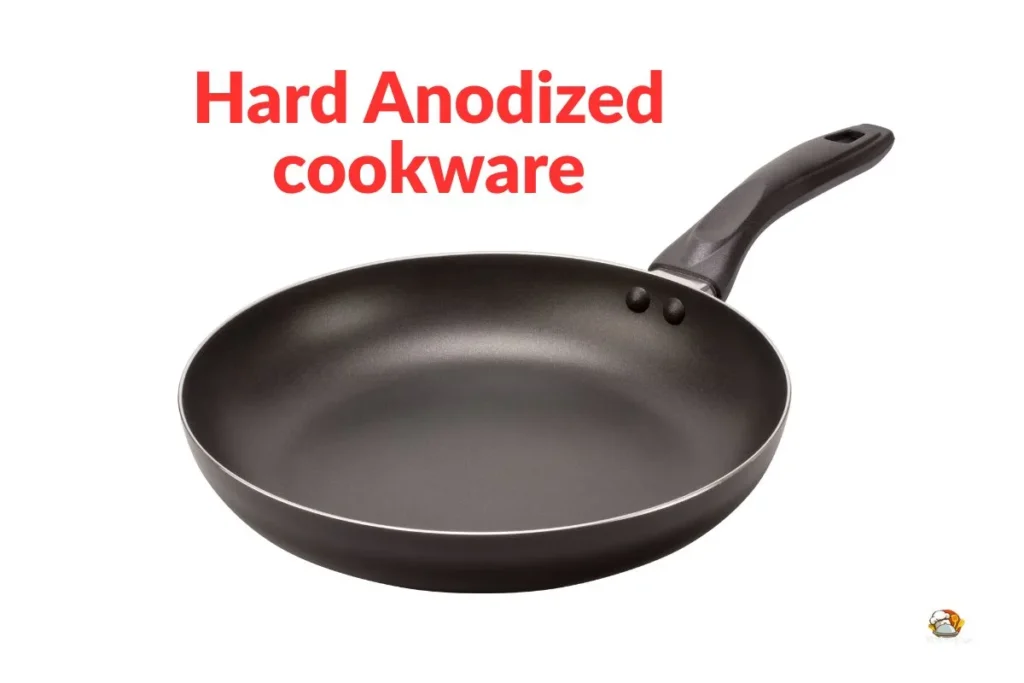
Hard anodized cookware is popular for its durability and non-stick surface. But scratches can happen over time. Scratches may expose the metal beneath the protective layer. This raises questions about the safety of using scratched hard anodized pans. Understanding the health risks linked to scratched cookware is important for safe cooking. This section explains the main concerns about metal exposure and toxicity from scratched hard anodized cookware.
Potential Metal Exposure
Hard anodized cookware is made by treating aluminum to create a hard, protective layer. This layer prevents aluminum from touching food directly. When the surface is scratched deeply, the aluminum underneath can become exposed.
Possible risks from metal exposure include:
- Aluminum particles mixing with food
- Increased chance of metal leaching into acidic foods
- Potential ingestion of small metal fragments
Most light scratches do not break through the anodized layer. Deep scratches or peeling areas are more concerning. The risk depends on how much aluminum is exposed and the type of food cooked.
| Type of Scratch | Risk Level | Metal Exposure |
|---|---|---|
| Light surface scratches | Low | Minimal to none |
| Deep scratches or peeling | Moderate to High | Aluminum exposed |
Key point: Avoid cooking acidic foods in cookware with deep scratches. Acidic ingredients can increase aluminum leaching. This can raise health concerns over time.
Toxicity Concerns
Aluminum is a common metal in cookware but has some toxicity concerns. Most people get exposed to small amounts through food and water. The body can usually handle low levels of aluminum without harm.
When hard anodized cookware is scratched:
- More aluminum may enter food during cooking
- Repeated exposure could lead to higher aluminum intake
- Long-term effects depend on the amount ingested
Research shows that high levels of aluminum may affect the nervous system. Some studies link aluminum to bone disorders and brain health problems. But typical cooking with hard anodized pans rarely causes unsafe aluminum levels.
Important safety tips:
- Replace cookware with deep or widespread scratches
- Do not use damaged pans for acidic or salty foods
- Choose cookware with intact anodized surfaces for safer cooking
Keeping cookware in good condition minimizes toxicity risks. Scratched hard anodized pans can increase aluminum exposure, but proper care reduces potential health problems.
Credit: kitchenpluse.com
Durability After Scratches
Hard anodized cookware is popular for its strong, scratch-resistant surface. But what happens when it does get scratched? Understanding the durability after scratches helps you know if your cookware remains safe and useful. Scratches can happen from metal utensils or cleaning tools. This section explains how scratches affect the cookware’s structure and cooking performance.
Structural Integrity
Hard anodized cookware is made by treating aluminum with an electrochemical process. This creates a very hard layer on the surface, much tougher than regular aluminum. The layer bonds tightly to the metal underneath, making the cookware strong and durable.
When scratches occur, they usually affect only the anodized layer, not the aluminum base. The following points explain this better:
- Surface layer protection: The anodized layer is hard but thin. Scratches might damage this top layer.
- Base metal safety: The aluminum underneath stays intact, maintaining the pan’s shape and strength.
- No peeling or flaking: Unlike non-stick coatings, hard anodized surfaces do not peel off when scratched.
- Resistance to corrosion: The anodized layer protects the pan from rust and corrosion, even if scratched.
Below is a simple table showing the difference between anodized layer and base metal after scratches:
| Feature | Anodized Layer | Aluminum Base |
|---|---|---|
| Scratch Effect | May show visible marks | Usually unaffected |
| Structural Strength | Hard but thin | Strong and supportive |
| Corrosion Resistance | High | Low |
| Risk of Peeling | None | Not applicable |
Summary: Scratches mostly affect only the hard anodized layer’s surface. The pan’s overall structure remains strong and safe for use.
Performance Impact
Scratches on hard anodized cookware usually do not harm cooking performance. The cookware still heats evenly and maintains its non-stick properties well. Some details to consider:
- Heat distribution: The aluminum base still spreads heat efficiently despite surface scratches.
- Food release: Minor scratches do not cause food to stick more than usual.
- Cleaning ease: Scratched areas may need gentle cleaning but remain easy to wash.
- Durability: The cookware can handle regular use without losing performance after scratches.
Here is a quick checklist of how scratches affect cookware performance:
- Heat conduction remains consistent.
- Non-stick effect stays mostly unchanged.
- Cleaning requires no extra effort.
- No risk of toxic chemicals releasing from the surface.
Since hard anodized cookware does not have chemical coatings like Teflon, scratches do not create health risks. The aluminum core stays safe and stable. This makes the cookware a good choice for long-term use, even after minor surface damage.
Safe Usage Tips
Hard anodized cookware offers durability and excellent cooking performance. Yet, scratches on its surface can raise safety concerns. Understanding safe usage tips helps maintain this cookware’s quality and ensures food safety. Using the right care methods keeps your cookware in good shape and prevents damage that could affect cooking results.
Preventing Scratches
Scratches on hard anodized cookware can reduce its non-stick properties and may expose the aluminum underneath. Protect the cookware by following these simple tips:
- Use wooden or silicone utensils. Avoid metal tools that can scrape the surface.
- Store carefully. Stack pans with soft cloth or paper towels between them.
- Avoid abrasive scrubbers. Steel wool and rough sponges cause scratches.
- Cook at medium or low heat. High heat can weaken the surface and make it easier to scratch.
- Do not cut food in the pan. Use a cutting board instead.
Here is a simple table to summarize the do’s and don’ts for preventing scratches:
| Do’s | Don’ts |
|---|---|
| Use wooden, silicone, or plastic utensils | Use metal utensils |
| Store with protective layers between pans | Stack pans directly on each other |
| Clean with soft sponges or cloth | Clean with steel wool or abrasive pads |
| Cook on medium or low heat | Cook on very high heat |
| Use cutting boards for chopping | Cut food directly in the pan |
Following these steps helps avoid scratches and extends the life of your cookware. A well-maintained surface stays safe and effective for cooking.
Proper Cleaning Methods
Cleaning hard anodized cookware correctly keeps its surface intact and safe. Harsh cleaning can cause scratches or damage the coating. Use gentle methods for the best results:
- Let the pan cool before washing. Sudden temperature changes can warp or damage the surface.
- Wash by hand. Avoid dishwashers as they use strong detergents and high heat.
- Use warm, soapy water and a soft sponge. This removes food without scratching.
- For stuck-on food, soak the pan. Soak in warm water for 10–15 minutes before cleaning.
- Do not use harsh chemicals or bleach. These can erode the anodized layer.
- Dry immediately with a soft towel. Prevents water spots and corrosion.
Use this cleaning checklist to protect your cookware:
- Cool pan completely
- Hand wash with mild soap
- Use soft sponge or cloth
- Soak if needed for tough residue
- Avoid harsh chemicals and abrasive tools
- Dry immediately after washing
Proper cleaning keeps the anodized surface strong and prevents scratches. Regular care maintains cookware safety, allowing you to cook healthy meals without worry.

Credit: prudentreviews.com
When To Replace Hard Anodized Cookware
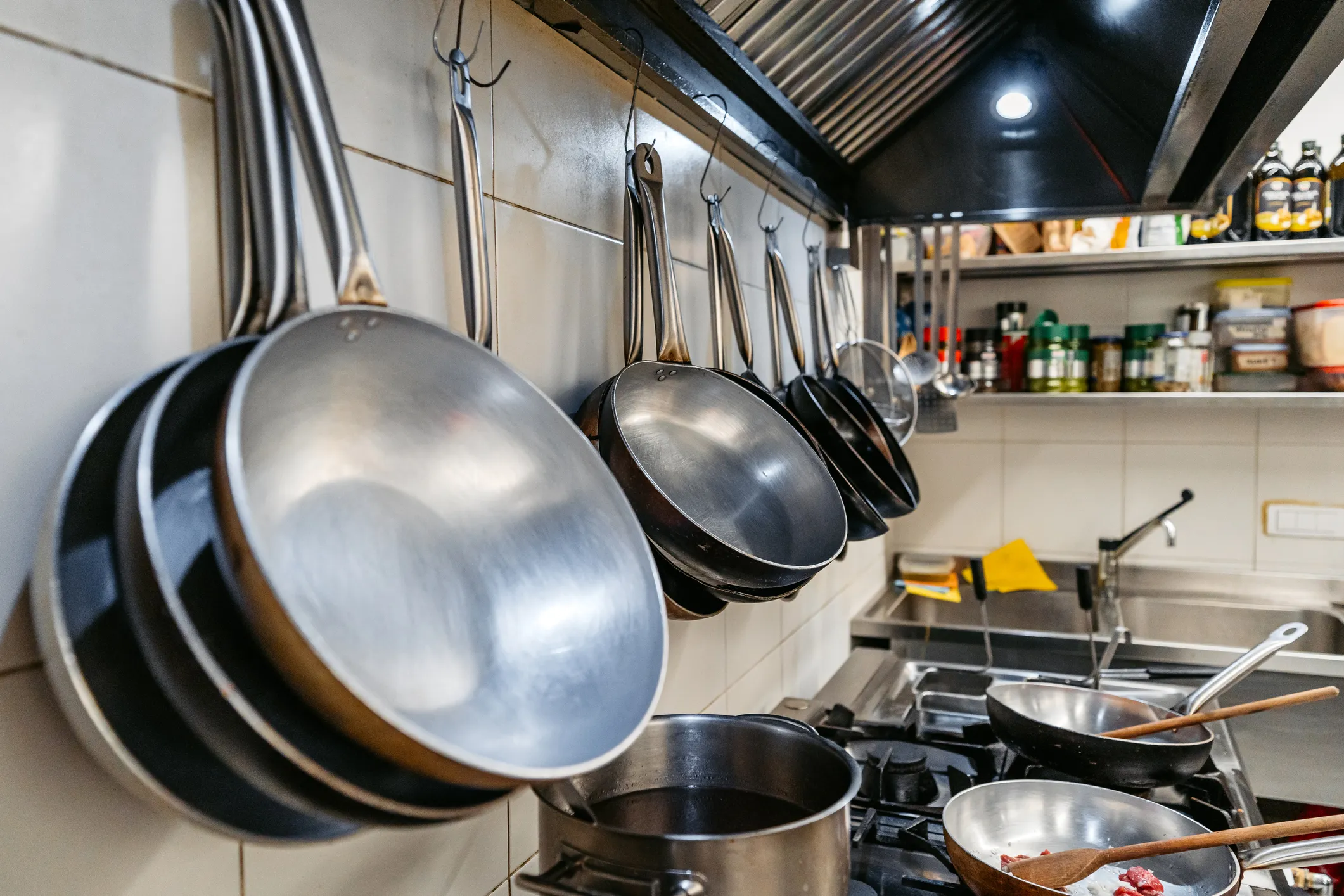
Hard anodized cookware is popular for its durability and non-stick surface. Scratches on this cookware raise concerns about safety and performance. Knowing when to replace hard anodized cookware helps maintain safe cooking and good results. This section explains the clear signs of damage that cannot be fixed and suggests other options to explore.
Signs Of Irreparable Damage
Hard anodized cookware has a tough surface, but damage can happen over time. Some scratches are only cosmetic and do not affect safety. Others may harm the cookware’s non-stick coating or expose the aluminum underneath. This can lead to food sticking, uneven cooking, or even health risks if the metal reacts with food.
Look for these signs to decide if replacement is necessary:
- Deep scratches or gouges: These break through the anodized layer and expose raw metal.
- Peeling or flaking coating: The non-stick layer coming off indicates the surface is compromised.
- Warping or dents: Warped pans do not heat evenly and can cause hot spots.
- Persistent food sticking: If food sticks even after proper seasoning or cleaning, the coating may be damaged.
- Discoloration or corrosion: Signs of corrosion under scratches suggest the protective layer is gone.
Use this table to assess damage:
| Damage Type | Effect | Replace or Not? |
|---|---|---|
| Minor surface scratches | No exposure of metal, no safety risk | No, continue using |
| Deep scratches or gouges | Exposes metal, risks food contamination | Yes, replace immediately |
| Peeling or flaking coating | Non-stick layer lost, uneven cooking | Yes, replace |
| Warping or dents | Uneven heating, poor performance | Yes, replace |
Alternatives To Consider
Replacing hard anodized cookware may be necessary for safety. Choosing the right alternative depends on cooking habits and budget. Several cookware types offer good durability and safety.
Consider these options:
- Stainless steel: Durable, non-reactive, and easy to clean. Best for browning and boiling.
- Ceramic-coated pans: Non-stick and free from harmful chemicals. Great for low-fat cooking.
- Cast iron: Long-lasting and improves with use. Requires seasoning to maintain non-stick surface.
- Non-stick aluminum pans: Lightweight with easy food release. Choose high-quality brands with safe coatings.
Below is a quick comparison of common cookware types:
| Cookware Type | Durability | Maintenance | Best Use |
|---|---|---|---|
| Hard anodized | High | Hand wash, avoid metal tools | Everyday cooking, non-stick |
| Stainless steel | Very high | Dishwasher safe, scrub as needed | Searing, boiling, frying |
| Ceramic-coated | Moderate | Gentle cleaning, avoid high heat | Low-fat cooking, eggs, pancakes |
| Cast iron | Very high | Season regularly, dry after washing | Searing, slow cooking, baking |
Choosing cookware depends on your needs. Stainless steel and cast iron provide durability. Ceramic and non-stick pans offer easy cleaning. Replace hard anodized cookware once damage affects safety or cooking quality.
Credit: schaumburgspecialties.com
Frequently Asked Questions
Is Hard Anodized Cookware Safe When Scratched?
Yes, hard anodized cookware remains safe if scratched. The anodized layer is durable but not indestructible. Minor scratches usually don’t expose harmful metals. However, deep scratches may affect performance but rarely cause health risks.
Can Scratched Hard Anodized Pans Release Toxins?
No, scratched hard anodized pans do not release toxins. The anodizing process creates a non-reactive surface. Even if scratched, it doesn’t leach harmful chemicals into food. This makes it safer than traditional non-stick coatings.
How To Care For Scratched Hard Anodized Cookware?
Avoid abrasive scrubbers and metal utensils to prevent scratches. Use soft sponges and wooden or silicone tools. Hand wash with mild detergent and dry promptly. Proper care extends cookware life and minimizes damage.
Does Scratching Affect Non-stick Properties Of Hard Anodized Cookware?
Yes, scratching can reduce non-stick performance. Hard anodized cookware has a tough surface but isn’t fully non-stick. Deep scratches may cause food to stick more. Regular seasoning and gentle cleaning help maintain non-stick quality.
Conclusion
Scratched hard anodized cookware usually remains safe to use. The coating is tough and resists many damages. Small scratches do not release harmful chemicals. Still, deep scratches might affect cooking performance. Avoid using metal utensils to protect the surface. Clean gently with soft sponges to keep the coating intact.
Overall, hard anodized pots and pans offer good durability. They can stay safe for years with proper care. Trust your cookware but watch out for heavy damage. Safe cooking depends on how you treat your pans.

Hello, This is Annie Walker, a 38-year-old blogger, founder, and editor of Cookware Guider from NY, USA. I am a cookware fanatic and passionate cooker. I love to cook with different types of cooking appliances (example: all types of cookware, rice cookers, slow cookers, etc) almost every day in my kitchen. I love to share my experience with my readers in my blog. Also, I enjoy helping people to solve their problems through my website. You can follow me on Twitter & Pinterest. To know details about my blog please check the about us page.