
Are you worried about what’s really in your cookware? When you cook meals for yourself and your loved ones, you want to be sure your pots and pans are safe.
Made In cookware has become popular, but is it truly non toxic? Understanding what goes into your cookware can protect your health and give you peace of mind every time you step into the kitchen. Keep reading to discover the truth about Made In cookware and why it might be the best choice for you.

Credit: www.amazon.com
Made In Cookware Materials
Made In cookware materials matter a lot for health and cooking quality. The brand focuses on using safe, durable metals. Many people worry about chemicals or toxins from cookware. Made In chooses materials that avoid harmful substances. This helps keep food healthy and flavors pure. Understanding the metals and coatings used reveals why this cookware is trusted by chefs and home cooks.
Types Of Metals Used
Made In cookware uses a few key metals known for safety and performance. These metals conduct heat well and do not react with food. That means no metal taste or toxic chemicals leach into meals. The main metals include:
- Stainless Steel: Often 18/10 grade, meaning it has 18% chromium and 10% nickel. This makes it very resistant to rust and corrosion.
- Carbon Steel: Known for fast heating and durability. It becomes naturally non-stick with seasoning.
- Copper: Excellent heat conductor, offering precise temperature control. Usually combined with stainless steel for safety.
Here is a simple table to show the metals and their benefits:
| Metal | Key Features | Health Safety |
|---|---|---|
| Stainless Steel | Rust-resistant, durable, non-reactive | Non-toxic, no chemical leaching |
| Carbon Steel | Quick heating, durable, develops non-stick surface | Safe after seasoning, no synthetic coatings |
| Copper | Excellent heat control, often layered with steel | Safe with stainless lining, no direct food contact |
Made In avoids aluminum and Teflon coatings because they can release toxins. Their metal choices focus on natural safety and performance.
Coatings And Finishes
Coatings and finishes affect cookware safety and cooking ease. Made In uses finishes that are free from harmful chemicals. Most pans have a polished or brushed stainless steel finish. This finish is easy to clean and resists rust.
Some cookware pieces feature a natural seasoning finish, especially carbon steel pans. This finish forms a protective layer when heated with oil. It creates a safe, non-stick surface without chemicals.
- Polished Stainless Steel: Smooth, shiny, and easy to clean.
- Brushed Stainless Steel: Matte look that hides scratches and fingerprints.
- Seasoned Carbon Steel: Natural non-stick layer formed by oil heating.
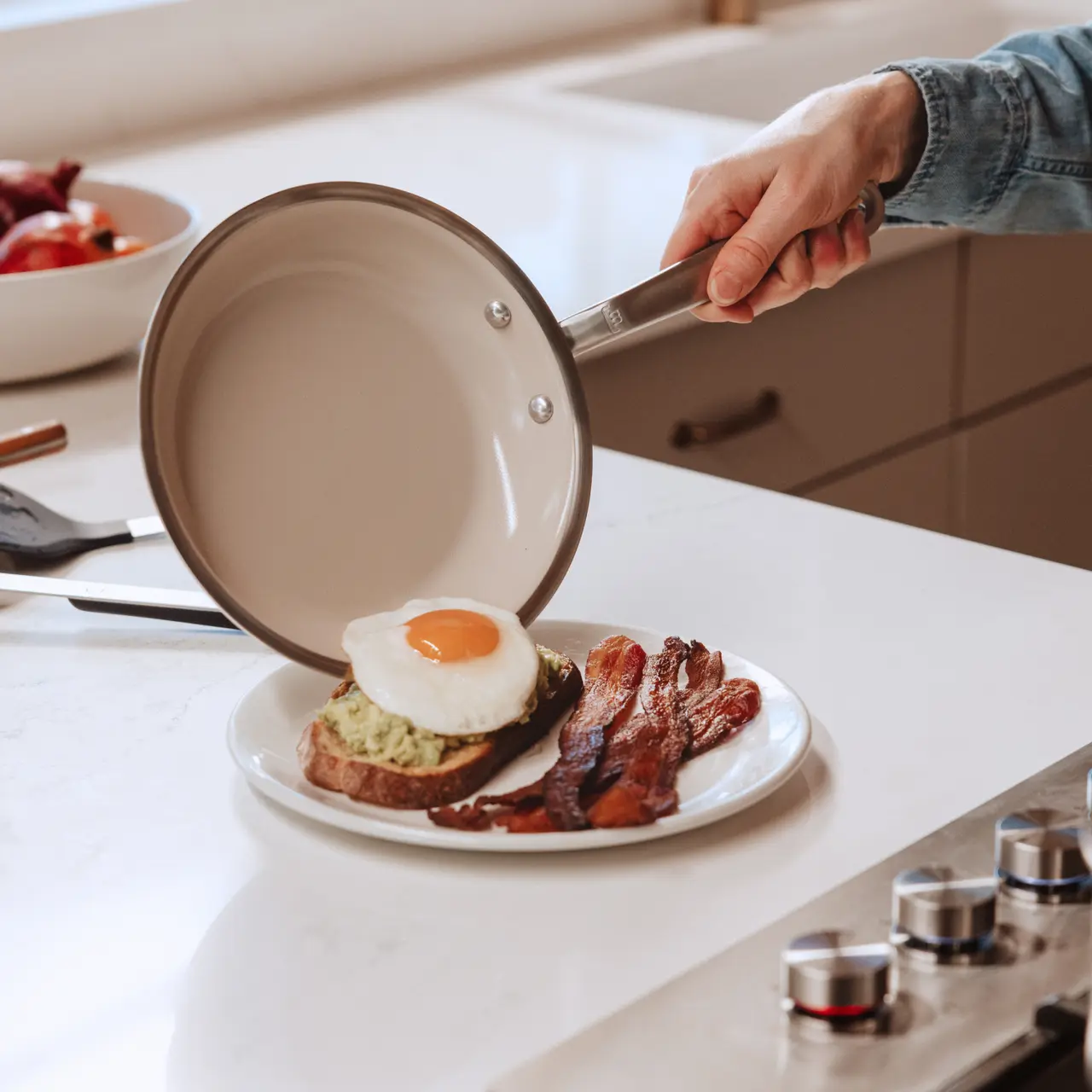
Made In cookware does not use synthetic non-stick coatings like PTFE or PFOA. These substances can break down at high heat and release toxins. Instead, the brand relies on metal quality and natural finishes.
This approach keeps cookware non-toxic and safe for daily cooking. It also improves durability and lifespan. The finishes are designed to resist rust, scratches, and food sticking naturally.
Credit: madeincookware.com
Safety Standards And Certifications
Understanding the safety standards and certifications of Made In cookware helps ensure it is non-toxic and safe for daily use. These standards confirm that the materials and manufacturing processes meet strict health and safety rules. This section explains the key certifications and testing methods that prove the cookware is safe to use in your kitchen.
Fda And Fda-approved Materials
The Food and Drug Administration (FDA) sets important rules for materials that touch food. Made In cookware uses materials that meet FDA standards, which means they do not release harmful chemicals into food.
FDA approval focuses on:
- Food contact safety: Materials must not contaminate food.
- Heat resistance: Materials should remain stable at cooking temperatures.
- Non-toxicity: No harmful metals or chemicals should leach out.
Made In cookware often uses these FDA-approved materials:
| Material | FDA Approval Status | Key Benefit |
|---|---|---|
| Stainless Steel | Approved | Non-reactive and durable |
| Ceramic Non-stick Coating | Approved | Free of PTFE and PFOA |
| Cast Iron (Seasoned) | Approved | Natural, chemical-free surface |
Using FDA-approved materials means the cookware is safe for everyday cooking. You can trust that no harmful substances will enter your meals. This is especially important for families and those who cook often.
Third-party Testing
Third-party testing adds an extra layer of safety to Made In cookware. Independent labs test the products to confirm they meet safety and quality standards. These tests check for chemicals, durability, and heat safety.
Benefits of third-party testing include:
- Unbiased results: No company influence on test outcomes.
- Verification of claims: Ensures the cookware is truly non-toxic.
- Consumer confidence: Buyers can trust product safety.
Common third-party tests for cookware cover:
- Heavy metal leaching (lead, cadmium, etc.)
- Heat resistance and coating stability
- Durability and scratch resistance
Made In cookware often shares third-party test results with customers. This transparency shows a commitment to safety and quality. Testing reports may include:
| Test | Purpose | Result Example |
|---|---|---|
| Heavy Metal Testing | Detect toxic metals in cookware | No detectable lead or cadmium |
| Coating Durability | Check if non-stick coating breaks down | Coating intact after 10,000 cycles |
Third-party testing confirms Made In cookware is safe, reliable, and free from toxic substances. This ensures peace of mind for anyone cooking with their products.
Chemical Concerns In Cookware
Choosing the right cookware affects your health. Many people worry about chemicals that might come from pots and pans. Chemical concerns in cookware focus on substances that can mix with food while cooking. These chemicals might cause health problems over time. Understanding these risks helps you pick safer options for your kitchen.
Potential Toxins In Cookware
Some cookware releases harmful chemicals when heated. These toxins can enter your food and affect your body. Common chemicals to watch out for include:
- PTFE (Polytetrafluoroethylene): Found in non-stick coatings. It can release toxic fumes if overheated.
- PFOA (Perfluorooctanoic acid): A chemical used in making some non-stick pans, linked to health issues.
- Lead: Sometimes present in old or cheap ceramic cookware glazes.
- Cadmium: Another heavy metal that can leach from low-quality ceramic or enamel coatings.
- Aluminum: May leach into food, especially with acidic ingredients.
Here is a quick table to show these toxins and their risks:
| Chemical | Source | Health Risk |
|---|---|---|
| PTFE | Non-stick coatings | Fumes can cause flu-like symptoms |
| PFOA | Manufacturing of non-stick pans | Possible cancer risk, hormone disruption |
| Lead | Old/cheap ceramic glazes | Neurological damage, especially in children |
| Cadmium | Ceramic/enamel coatings | Kidney damage, bone loss |
| Aluminum | Aluminum cookware | Possible link to Alzheimer’s (uncertain) |
Cooking at high temperatures can increase chemical release. Avoid scratching non-stick pans to reduce risk. Regularly check your cookware for damage.
Non-toxic Alternatives
Many safer cookware options exist. These materials do not release harmful chemicals into food. Choosing non-toxic cookware protects your health and improves cooking quality.
Here are popular non-toxic alternatives:
- Stainless Steel: Durable, does not leach chemicals. Ideal for most cooking tasks.
- Cast Iron: Adds iron to food, very long-lasting. Needs seasoning to stay non-stick.
- Ceramic-Coated: Free from PTFE and PFOA, but avoid cheap versions with lead or cadmium.
- Glass: Non-reactive and safe for baking and boiling.
- Carbon Steel: Similar to cast iron, lighter and heats quickly.
Use the table below to compare some key features:
| Material | Non-Toxic | Durability | Maintenance | Best Use |
|---|---|---|---|---|
| Stainless Steel | Yes | High | Low | Frying, boiling, sautéing |
| Cast Iron | Yes | Very High | Medium (seasoning needed) | Frying, slow cooking |
| Ceramic-Coated | Yes (if certified) | Medium | Low | Non-stick cooking |
| Glass | Yes | Low (fragile) | Low | Baking, boiling |
| Carbon Steel | Yes | High | Medium (seasoning needed) | Frying, sautéing |
Choose cookware based on cooking style and care ability. Proper use extends cookware life and keeps food safe. Avoid plastic-coated or unknown materials. These often contain hidden toxins.
User Experiences And Reviews
Many people want to know if Made In cookware is truly non-toxic. Real user experiences and reviews offer clear insights. These reviews help us see how the cookware performs in daily cooking. They also reveal if the cookware is safe for health and built to last. Let’s explore what users say about health safety and durability of Made In cookware.
Health-related Feedback
Users often mention their health concerns when choosing cookware. Many report that Made In cookware feels safe and free from harmful chemicals. The brand’s focus on non-toxic materials like stainless steel and ceramic coatings gets positive notes.
Common health-related points from users:
- Cookware does not release odors or metallic taste.
- Food cooks evenly without sticking, reducing the need for extra oils.
- No skin irritation or allergic reactions noticed.
- Safe for use on all heat sources, including induction.
Some users compare Made In to non-stick pans that contain PFOA or PTFE, chemicals linked to health risks. They feel safer with Made In’s materials. Below is a simple table summarizing user health feedback:
| Health Aspect | User Feedback |
|---|---|
| Material Safety | High marks for non-toxic stainless steel and ceramic options |
| Cooking Safety | No harmful fumes or chemical smell reported |
| Allergic Reactions | Zero cases of skin or respiratory irritation |
| Food Taste | Food tastes natural, without metallic or plastic aftertaste |
Summary: Made In cookware users mostly agree it is non-toxic and safe for everyday cooking.
Durability And Performance
Durability matters a lot to users. Many reviews praise Made In cookware for lasting long and working well. The materials used, like high-grade stainless steel, help the pans resist scratches and dents. Users say these pans handle regular cooking without damage.
Performance highlights shared by users:
- Heats evenly and maintains temperature well.
- Handles both high and low heat without warping.
- Easy to clean with minimal food sticking.
- Comfortable handles stay cool during cooking.
- Compatible with various cooktops, including induction.
Some users note that the pans improve with use, gaining better seasoning and non-stick properties over time. The warranty and customer service also receive positive mentions, adding confidence in product quality.
Here is a quick comparison of durability and performance based on user reviews:
| Feature | User Rating (out of 5) | Notes |
|---|---|---|
| Scratch Resistance | 4.5 | Strong steel resists everyday wear |
| Heat Distribution | 4.7 | Even cooking with no hot spots |
| Ease of Cleaning | 4.6 | Food releases easily after cooking |
| Handle Comfort | 4.4 | Cool and ergonomic handles |
Summary: Made In cookware scores high for durability and cooking performance according to user feedback.
Comparison With Other Cookware Brands
Choosing cookware is important for health and cooking results. Made In cookware claims to be non-toxic, but how does it compare with other popular brands? Comparing materials, safety, and price helps understand its true value. This section breaks down key points to see if Made In stands out among competitors.
Material Safety
Made In cookware uses high-quality materials designed for safe cooking. The brand mainly offers stainless steel and carbon steel options, both known for durability and non-toxicity. These materials do not release harmful chemicals during cooking.
- Stainless Steel: Made In uses 5-ply stainless steel with an aluminum core. This combination ensures even heat without toxic coatings.
- Carbon Steel: It is naturally non-stick after seasoning and contains no synthetic chemicals.
Other brands often use non-stick coatings, like Teflon, which can release toxic fumes if overheated. Some cheaper cookware may contain aluminum or copper layers that react with food, causing health concerns.
| Cookware Brand | Material | Non-Toxic | Coating |
|---|---|---|---|
| Made In | 5-ply Stainless Steel, Carbon Steel | Yes | No synthetic coating |
| T-fal | Aluminum | Depends | PTFE non-stick |
| All-Clad | Stainless Steel, Aluminum core | Yes | None or non-stick options |
| GreenPan | Aluminum | Yes | Ceramic non-stick |
Made In’s focus on solid metal layers ensures safer cooking. It avoids toxic chemicals often found in non-stick coatings. This choice benefits health and long-term cookware performance.
Price Vs. Safety
Made In cookware tends to be priced in the mid to high range. The cost reflects quality materials and craftsmanship. Investing in safer cookware can reduce risks linked to toxic metals or coatings.
- Mid-range price for 5-ply stainless steel sets: $150-$300
- Carbon steel pans cost about $50-$100
- Offers lifetime warranty, adding value
Other brands vary widely in price and safety:
- Budget non-stick pans cost $20-$50 but may release chemicals over time.
- Premium brands like All-Clad cost $200-$500, offering safe materials and durability.
- Ceramic-coated pans like GreenPan cost $50-$150 but coatings can wear out.
| Brand | Price Range | Safety Level | Warranty |
|---|---|---|---|
| Made In | $$$ | High | Lifetime |
| T-fal | $ | Medium | Limited |
| All-Clad | $$$$ | High | Lifetime |
| GreenPan | $$ | Medium-High | Limited |
Choosing cookware should balance price and safety. Made In offers strong safety features at a reasonable cost. It fits well for those wanting durable, non-toxic options without paying top-tier prices.
Maintenance And Care Tips
Made In cookware is praised for its non-toxic materials, but proper care keeps it safe and effective. Good maintenance ensures the cookware stays in top shape and lasts for years. Understanding how to clean and care for these pans helps maintain their non-toxic qualities and cooking performance. Follow simple steps to protect your investment and enjoy healthy cooking every day.
Cleaning Without Damage
Cleaning Made In cookware correctly avoids scratches and preserves the non-toxic surface. Use gentle methods to keep the cookware safe and clean. Avoid harsh chemicals and rough scrubbing that can harm the coating or metal.
- Hand wash only: Use warm water and mild dish soap instead of a dishwasher.
- Soft sponges: Use non-abrasive sponges or cloths to clean the surface.
- Remove stuck food: Soak the pan in warm soapy water for 10-15 minutes before washing.
- Avoid metal tools: Use wooden or silicone utensils to prevent scratches.
Here is a quick guide to safe cleaning:
| Do | Don’t |
|---|---|
| Use warm water and mild soap | Use bleach or harsh chemicals |
| Clean with soft sponges | Scrub with steel wool or abrasive pads |
| Let stuck food soak before washing | Scrape food with metal utensils |
| Dry cookware immediately after washing | Leave wet cookware to air dry, causing rust |
Following these tips keeps the cookware surface smooth and non-toxic. Proper cleaning also prevents buildup that affects taste and safety.
Extending Cookware Life
Extending the life of Made In cookware requires care during use and storage. Taking simple steps helps maintain the cookware’s non-toxic qualities and performance.
Use medium or low heat to avoid damaging the pan’s surface. High heat can warp or degrade the cookware, reducing its lifespan.
- Preheat gradually: Warm the pan slowly to avoid thermal shock.
- Use proper utensils: Wooden, silicone, or plastic tools prevent scratching.
- Avoid overheating: Do not leave an empty pan on high heat for long.
- Store carefully: Stack pans with soft cloth or paper towels between them.
Here is a checklist for extending cookware life:
- Wash by hand after each use
- Dry immediately to prevent rust
- Use moderate heat levels
- Use safe utensils to protect the surface
- Store without stacking directly on each other
Maintaining these habits keeps Made In cookware reliable and non-toxic. Good care avoids damage and extends the cookware’s useful life.

Credit: www.youtube.com
Frequently Asked Questions
Is Made In Cookware Safe For Everyday Cooking?
Yes, Made In cookware is non-toxic and safe for daily use. It uses high-quality materials like stainless steel and carbon steel. These materials do not release harmful chemicals when heated, ensuring healthy cooking.
Does Made In Cookware Contain Harmful Chemicals?
No, Made In cookware is free from harmful chemicals like PFOA and PTFE. It focuses on non-toxic, durable materials that maintain food safety. This makes it a reliable choice for health-conscious cooks.
What Materials Are Used In Made In Cookware?
Made In cookware typically uses premium stainless steel, carbon steel, and non-toxic ceramic coatings. These materials ensure durability, even heat distribution, and non-toxic cooking surfaces. They promote safer and healthier cooking experiences.
How Does Made In Cookware Compare To Toxic Cookware?
Made In cookware avoids toxic coatings and metals common in some brands. It uses safe materials that do not leach chemicals. This reduces health risks and supports cleaner, toxin-free cooking.
Conclusion
Made In cookware offers a safer option for your kitchen. It uses materials that do not release harmful chemicals. This means you can cook without worrying about toxins. The brand focuses on quality and health together. Choosing non-toxic cookware helps protect your family’s well-being.
It also lasts longer, saving money over time. Clean cooking tools make meal prep easier and more enjoyable. Trusting your cookware matters for daily health. Consider Made In if you want safer pots and pans. Safe cooking starts with the right tools.

Hello, This is Annie Walker, a 38-year-old blogger, founder, and editor of Cookware Guider from NY, USA. I am a cookware fanatic and passionate cooker. I love to cook with different types of cooking appliances (example: all types of cookware, rice cookers, slow cookers, etc) almost every day in my kitchen. I love to share my experience with my readers in my blog. Also, I enjoy helping people to solve their problems through my website. You can follow me on Twitter & Pinterest. To know details about my blog please check the about us page.