
Are you wondering if T Fal cookware is safe for you and your family? Choosing the right pots and pans is important because what you cook with affects your health.
You want to make sure your cookware won’t release harmful chemicals or wear out quickly. You’ll discover the truth about T Fal cookware’s safety, how it’s made, and what experts say. By the end, you’ll feel confident about whether T Fal belongs in your kitchen or if you should look elsewhere.
Keep reading to protect your meals and your well-being.
T Fal Cookware Materials
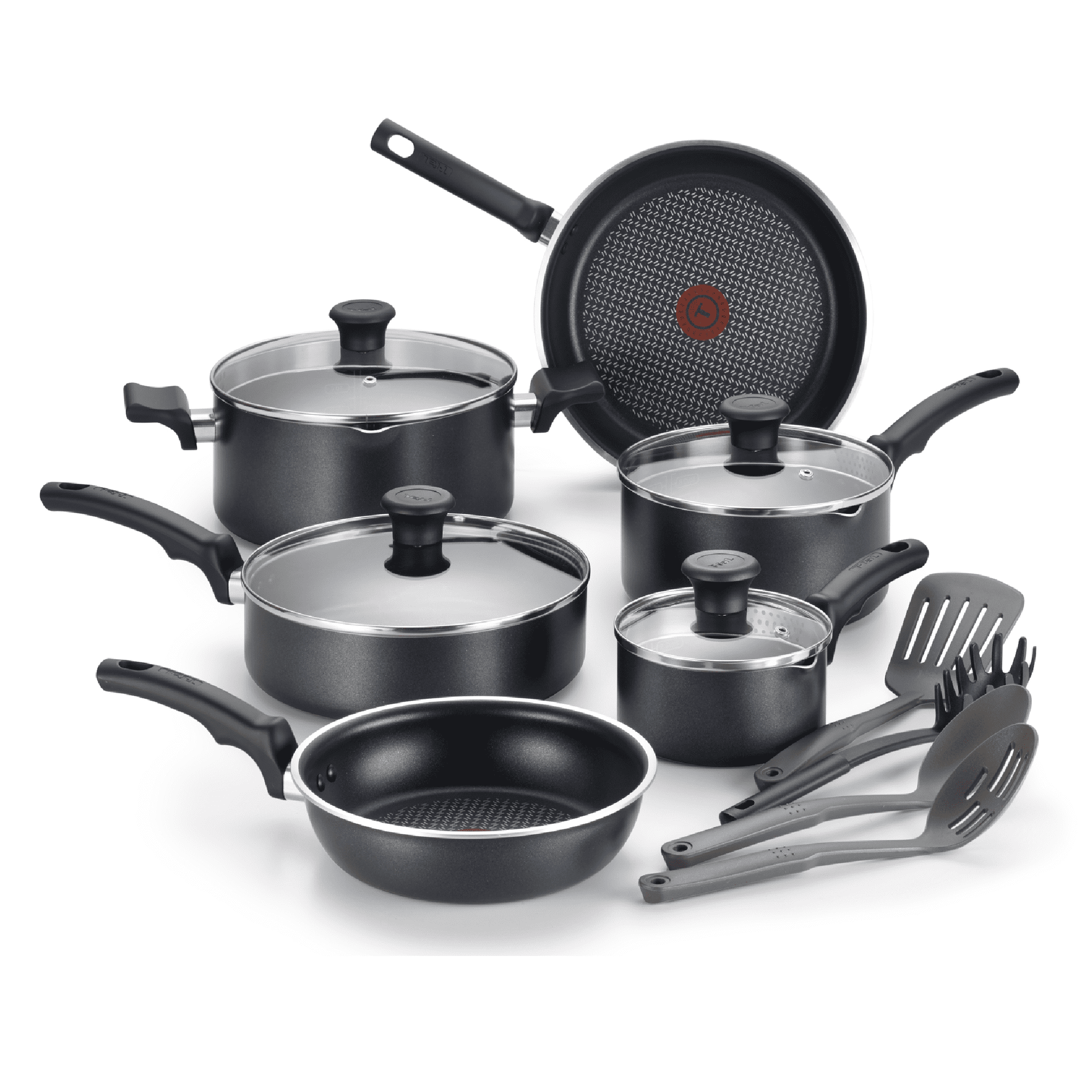
T Fal cookware is popular worldwide for its ease of use and cooking performance. Many wonder about the safety of its materials, especially because cookware touches food directly. Understanding the materials used in T Fal cookware helps answer safety questions clearly. The brand uses specific nonstick coatings and base metals to make cooking easier and cleaning faster. These materials also affect heat distribution, durability, and how safe the cookware is for everyday use.
Nonstick Coatings
T Fal cookware mainly uses nonstick coatings to prevent food from sticking. These coatings make cooking with less oil possible, which is healthier. Most T Fal nonstick coatings are made with PTFE (Polytetrafluoroethylene), a common material in many nonstick pans. PTFE is safe when used correctly and at normal cooking temperatures.
Key features of T Fal nonstick coatings:
- PTFE-based: Provides smooth, easy-release cooking surfaces.
- PFOA-free: T Fal stopped using PFOA, a chemical linked to health risks.
- Scratch-resistant layers: Some lines include extra layers to protect the coating.
Safety tips for nonstick coatings:
- Avoid heating pans above 500°F (260°C) to prevent coating damage.
- Use wooden or silicone utensils to avoid scratching the surface.
- Hand wash with mild soap to extend coating life.
| Feature | Description | Safety Aspect |
|---|---|---|
| PTFE Coating | Nonstick surface for easy cooking | Safe below 500°F; avoids chemical release |
| PFOA-Free | Does not contain harmful PFOA chemicals | Reduces health risk concerns |
| Scratch Resistance | Extra layers to protect coating | Prevents coating breakdown and food contamination |
Base Metals Used
T Fal uses different base metals to create strong and efficient cookware. The base metal affects how heat spreads and how durable the pan is. Common metals in T Fal cookware include aluminum and stainless steel.
Here’s why these base metals matter:
- Aluminum: Lightweight and great at spreading heat evenly.
- Stainless Steel: Durable, rust-resistant, and safe for high heat.
- Hard-Anodized Aluminum: A stronger form of aluminum that resists scratches and corrosion.
Advantages of base metals in T Fal cookware:
- Even Heat Distribution: Prevents hot spots for better cooking.
- Durability: Resists warping and lasts longer.
- Corrosion Resistance: Keeps cookware safe and clean.
| Base Metal | Properties | Benefits for Cookware |
|---|---|---|
| Aluminum | Lightweight, good heat conductor | Even cooking, easy to handle |
| Stainless Steel | Strong, rust-resistant | Durable, safe for high temperatures |
| Hard-Anodized Aluminum | Extra tough, scratch-resistant | Long-lasting, corrosion resistant |

Credit: www.t-fal.com
Health Concerns With Nonstick Cookware
Nonstick cookware like T Fal is popular for easy cooking and cleaning. Many people ask, “Is T Fal cookware safe?” The main worry is about health risks linked to nonstick coatings. These coatings often use chemicals that might affect health if used wrongly. Understanding the health concerns with nonstick cookware helps in using them safely and avoiding problems.
Chemical Exposure Risks
Nonstick pans use a chemical called PTFE (polytetrafluoroethylene) to create their slick surface. This chemical is mostly safe at normal cooking temperatures. But some nonstick pans may also use PFOA (perfluorooctanoic acid) during manufacturing. PFOA can be harmful if it stays in the body for a long time.
Key points about chemical exposure:
- PTFE is stable below 500°F (260°C) and does not release harmful fumes.
- PFOA is mostly removed in modern T Fal cookware, reducing risk.
- Old or damaged pans might release chemicals more easily.
- Using metal utensils can scratch the surface, increasing chemical exposure.
Here is a simple table showing chemical safety in T Fal cookware:
| Chemical | Presence in T Fal | Health Risk | Safe Use Tips |
|---|---|---|---|
| PTFE | Yes | Low at normal temperatures | Cook below 500°F, avoid overheating |
| PFOA | Mostly removed | Possible risk if present | Buy PFOA-free labels |
Always check product labels for nonstick coating details. Replace cookware if it peels or scratches badly. This helps reduce chemical exposure risks.
Overheating Effects
Overheating nonstick pans can cause health problems. When T Fal cookware gets too hot, the nonstick coating can break down. This releases fumes that may irritate the lungs and cause flu-like symptoms, sometimes called “polymer fume fever.”
Important facts about overheating:
- Nonstick coatings start breaking down above 500°F (260°C).
- Empty pans heat up faster and can overheat quickly.
- High heat can also damage the pan’s surface, shortening its life.
To avoid overheating, follow these tips:
- Use medium or low heat for cooking.
- Do not preheat an empty pan for long.
- Use a cooking thermometer if unsure about heat levels.
- Turn off the stove when not actively cooking.
Here is a quick guide for heat levels:
| Heat Level | Temperature Range | Safe for T Fal |
|---|---|---|
| Low | Below 300°F (149°C) | Safe |
| Medium | 300°F – 450°F (149°C – 232°C) | Safe |
| High | Above 450°F (232°C) | Risk of damage and fumes |
Using the right heat keeps your T Fal cookware safe and healthy. It also keeps food tasting good without harmful chemicals.
Safety Standards And Certifications
When choosing cookware, safety is a top concern. T Fal cookware has gained popularity for its nonstick features and durability. Understanding the safety standards and certifications behind T Fal helps buyers trust its quality. These certifications ensure the cookware meets strict health and safety rules. They also confirm the materials used do not release harmful chemicals during cooking. This section explores key safety standards that apply to T Fal products.
Fda Regulations
The U.S. Food and Drug Administration (FDA) plays a crucial role in regulating cookware safety. The FDA ensures that materials in cookware do not contaminate food or cause health risks. T Fal cookware complies with FDA rules to guarantee it is safe for daily cooking use.
Key points about FDA regulations for cookware:
- Material Safety: Cookware materials must be non-toxic and stable at high temperatures.
- Nonstick Coating: The FDA monitors coatings to prevent harmful substances like PFOA.
- Food Contact Approval: All parts touching food must meet FDA standards.
Here is a simple table showing FDA requirements related to cookware:
| FDA Requirement | Description |
|---|---|
| Non-Toxic Materials | Materials must not release harmful chemicals during cooking. |
| Temperature Stability | Materials must withstand high heat without breaking down. |
| Coating Safety | No banned substances like PFOA or lead in coatings. |
| Food Contact Compliance | All components touching food must be FDA-approved. |
T Fal cookware meets these FDA regulations, providing peace of mind to users. This compliance means the cookware is safe for everyday cooking and will not leach harmful chemicals.
Third-party Testing
Beyond FDA rules, independent third-party testing helps verify T Fal cookware’s safety. These tests check for chemical safety, durability, and overall performance. Third-party labs use strict methods to ensure accuracy and transparency.
Benefits of third-party testing include:
- Unbiased Results: Labs are not connected to cookware brands.
- Comprehensive Checks: Tests cover chemical emissions, coating wear, and heat resistance.
- Consumer Confidence: Verified safety data builds trust in the brand.
Common tests performed on T Fal cookware:
- Checking for heavy metals like lead or cadmium.
- Testing nonstick coating durability through repeated use.
- Assessing heat tolerance to ensure coatings don’t degrade.
- Measuring chemical release under cooking conditions.
Here is an example of a typical third-party test report summary:
| Test Area | Result | Safety Status |
|---|---|---|
| Heavy Metal Content | Below detection limits | Safe |
| Coating Durability | Passed 100,000 cycles | Excellent |
| Heat Resistance | Stable up to 450°F | Safe for cooking |
| Chemical Emissions | None detected | Safe |
Third-party testing adds an extra layer of safety assurance beyond government rules. It confirms T Fal cookware is free from harmful substances and built to last.
User Experiences And Reviews
Many people want to know if T Fal cookware is safe and reliable. User experiences and reviews give clear insights about this brand. These opinions come from regular cooks who use T Fal daily in their homes. They share honest thoughts on how long the cookware lasts and if it feels safe to use. Their feedback helps others decide if T Fal is a good choice for their kitchen.
Durability Reports
Users often mention that T Fal cookware holds up well over time. Many say the non-stick surface stays smooth and easy to clean after months of use. Some users note minor scratches but no peeling or flaking. The handles usually stay firmly attached, even after frequent cooking.
- Non-stick coating: Stays intact for 6-12 months for most users.
- Heat resistance: Handles and pans resist warping under normal heat.
- Dishwasher use: Some users report slight wear after many dishwasher cycles.
Here is a quick summary of durability based on user reviews:
| Feature | Positive Feedback | Common Issues |
|---|---|---|
| Non-stick coating | Lasts many months without peeling | Minor scratches with metal utensils |
| Handle attachment | Secure and sturdy | Rare loosening after long use |
| Heat resistance | Does not warp easily | Not suitable for very high heat |
Overall, T Fal cookware offers good durability if used according to care instructions. Users recommend avoiding metal tools and high heat to extend cookware life.
Safety Feedback
Many users feel safe cooking with T Fal cookware. The brand uses materials that do not release harmful chemicals during normal use. People report no strange smells or tastes in their food. This supports the idea that T Fal is a safe option for everyday cooking.
- No toxic fumes: The non-stick coating does not emit harmful gases at recommended temperatures.
- PTFE and PFOA free: T Fal cookware is made without these chemicals, which can be unsafe.
- Cool-touch handles: Users appreciate handles that stay cool and prevent burns.
Here is a table showing safety features based on user reports and manufacturer claims:
| Safety Aspect | User Feedback | Brand Claims |
|---|---|---|
| Non-stick coating safety | No harmful smell or taste | PTFE and PFOA free |
| Heat safety | Stable under normal cooking heat | Safe up to recommended temperatures |
| Handle safety | Cool to touch during cooking | Ergonomic and heat resistant |
Users trust T Fal for safe cooking experiences. They advise not to overheat the pans to keep safety intact. Following manufacturer care tips keeps cookware safe for long use.
Maintenance Tips For Safety
Maintaining T Fal cookware properly ensures it stays safe for cooking and lasts longer. Regular care prevents damage and keeps the nonstick surface intact. Proper maintenance reduces the risk of harmful chemicals leaching into food. Follow key tips to clean and protect your cookware effectively.
Proper Cleaning Methods
Cleaning T Fal cookware the right way preserves its safety and performance. Avoid harsh scrubbing that can wear down the nonstick coating. Use warm water and mild dish soap for best results.
- Hand wash only: Avoid dishwashers, which can damage the coating.
- Use soft sponges: Choose non-abrasive sponges or cloths.
- Remove stuck food gently: Soak the pan in warm soapy water for a few minutes before cleaning.
- Rinse thoroughly: Ensure no soap residue remains to avoid affecting food taste.
Below is a simple cleaning guide for T Fal cookware:
| Step | Action | Tip |
|---|---|---|
| 1 | Cool the pan | Let it cool before washing to avoid warping |
| 2 | Wash with warm, soapy water | Use mild detergent and soft sponge |
| 3 | Soak for tough stains | Soak for 10-15 minutes to loosen food |
| 4 | Rinse and dry | Rinse well and dry with a soft cloth |
Cleaning T Fal cookware carefully maintains its nonstick surface and keeps cooking safe.
Avoiding Damage
Protecting T Fal cookware from damage is key to safety and durability. Damaged nonstick surfaces may release harmful chemicals into food. Handle your pans with care and follow these simple rules.
- Use wooden or silicone utensils: Metal tools can scratch the coating.
- Cook on low to medium heat: High heat can warp and damage the pan.
- Do not overheat empty pans: Overheating harms the coating and pan material.
- Store carefully: Avoid stacking pans without protection to prevent scratches.
Here is a quick checklist to avoid common damages:
- Choose the right utensils
- Keep heat moderate
- Never leave an empty pan on heat
- Use pan protectors when stacking
- Inspect regularly for scratches or peeling
Simple steps like these keep your T Fal cookware safe and functioning well for years.
Credit: ecoparkcampogrande.com.br
Alternatives To T Fal Cookware
Choosing the right cookware matters for health and cooking quality. Many people ask, Is T Fal cookware safe? While T Fal pans are popular for their non-stick surface, some worry about chemicals or durability. Exploring alternatives to T Fal cookware can help find safer, long-lasting options. Two popular choices include stainless steel and cast iron. Both offer unique benefits for everyday cooking and health-conscious users.
Stainless Steel Options
Stainless steel cookware is a great alternative to T Fal. It is made from a mix of metals like iron, chromium, and nickel. This mix makes it strong, durable, and resistant to rust or stains. Stainless steel pans do not have a non-stick coating, so they won’t release chemicals during cooking.
Benefits of stainless steel cookware:
- Very durable and long-lasting
- Can handle high heat without damage
- Does not react with acidic or alkaline foods
- Safe for use in ovens and dishwashers
- Easy to clean with soap and water
Stainless steel pans work well for searing meat, sautéing vegetables, and boiling water. These pans require some oil or butter for cooking to prevent sticking.
| Feature | Stainless Steel Cookware | T Fal Cookware |
|---|---|---|
| Non-stick Surface | No (needs oil) | Yes (coated surface) |
| Durability | High, resists scratches | Moderate, coating may wear off |
| Heat Resistance | High heat safe | Moderate heat safe |
| Health Safety | No chemical release | Possible chemical concerns |
Cast Iron Benefits
Cast iron cookware is another strong option. It has been used for centuries and is known for excellent heat retention. Cast iron pans can last a lifetime if cared for properly. They develop a natural non-stick surface through seasoning.
Key advantages of cast iron:
- Even heating and excellent heat retention
- Natural non-stick when seasoned
- Adds small amounts of iron to food
- Can be used on stovetops, ovens, and grills
- Very durable and repairable
Cast iron requires some maintenance. It needs to be seasoned regularly with oil to keep the surface smooth and prevent rust. Cleaning should avoid soap or soaking, to preserve the seasoning layer.
People who prefer traditional cookware often choose cast iron for its versatility and health benefits. It is ideal for frying, baking, roasting, and slow cooking.

Credit: www.amazon.com
Frequently Asked Questions
Is T Fal Cookware Non-toxic And Safe To Use?
T Fal cookware is generally non-toxic and safe. It features a PFOA-free non-stick coating, reducing harmful chemical risks. Proper use and care ensure safety and durability during cooking.
Can T Fal Cookware Release Harmful Chemicals?
T Fal cookware does not release harmful chemicals when used correctly. Its non-stick coating is designed to be stable below high temperatures, preventing toxic fumes during normal cooking.
Is T Fal Safe For Everyday Cooking?
Yes, T Fal is safe for everyday cooking. It heats evenly, preventing hotspots, and its non-stick surface reduces oil usage, promoting healthier meals.
Does T Fal Cookware Contain Pfoa Or Ptfe?
T Fal cookware is PFOA-free but contains PTFE in its non-stick coating. PTFE is safe under normal cooking temperatures and does not pose health risks if not overheated.
Conclusion
T Fal cookware offers good safety for everyday cooking. Its non-stick surface reduces the need for extra oil or butter. The materials used meet health standards. Proper use and care keep the cookware safe and long-lasting. Avoid overheating to protect the coating.
Regular cleaning helps maintain its quality. Many people trust T Fal for home kitchens. Small steps make a big difference in safety. Choose cookware that fits your cooking style and needs. Safe cooking starts with smart choices.

Hello, This is Annie Walker, a 38-year-old blogger, founder, and editor of Cookware Guider from NY, USA. I am a cookware fanatic and passionate cooker. I love to cook with different types of cooking appliances (example: all types of cookware, rice cookers, slow cookers, etc) almost every day in my kitchen. I love to share my experience with my readers in my blog. Also, I enjoy helping people to solve their problems through my website. You can follow me on Twitter & Pinterest. To know details about my blog please check the about us page.