
Is The Novara Knife Sharpener Any Good?
Sharpening knives at home is more popular than ever. With the right tool, even a beginner can transform a dull blade into a razor-sharp edge. The Novara Knife Sharpener claims to make this process simple and effective, but does it really work? This review will break down what makes the Novara sharpener unique, who it’s best for, and whether it’s worth your money.
As someone who’s tried many sharpeners, I know the difference between a tool that simply scrapes metal and one that brings a knife back to life. The Novara sharpener often appears in online searches and kitchen forums. But does it deserve the hype?
Let’s take a detailed look at its design, performance, pros, cons, and how it compares with the competition.
What Is The Novara Knife Sharpener?
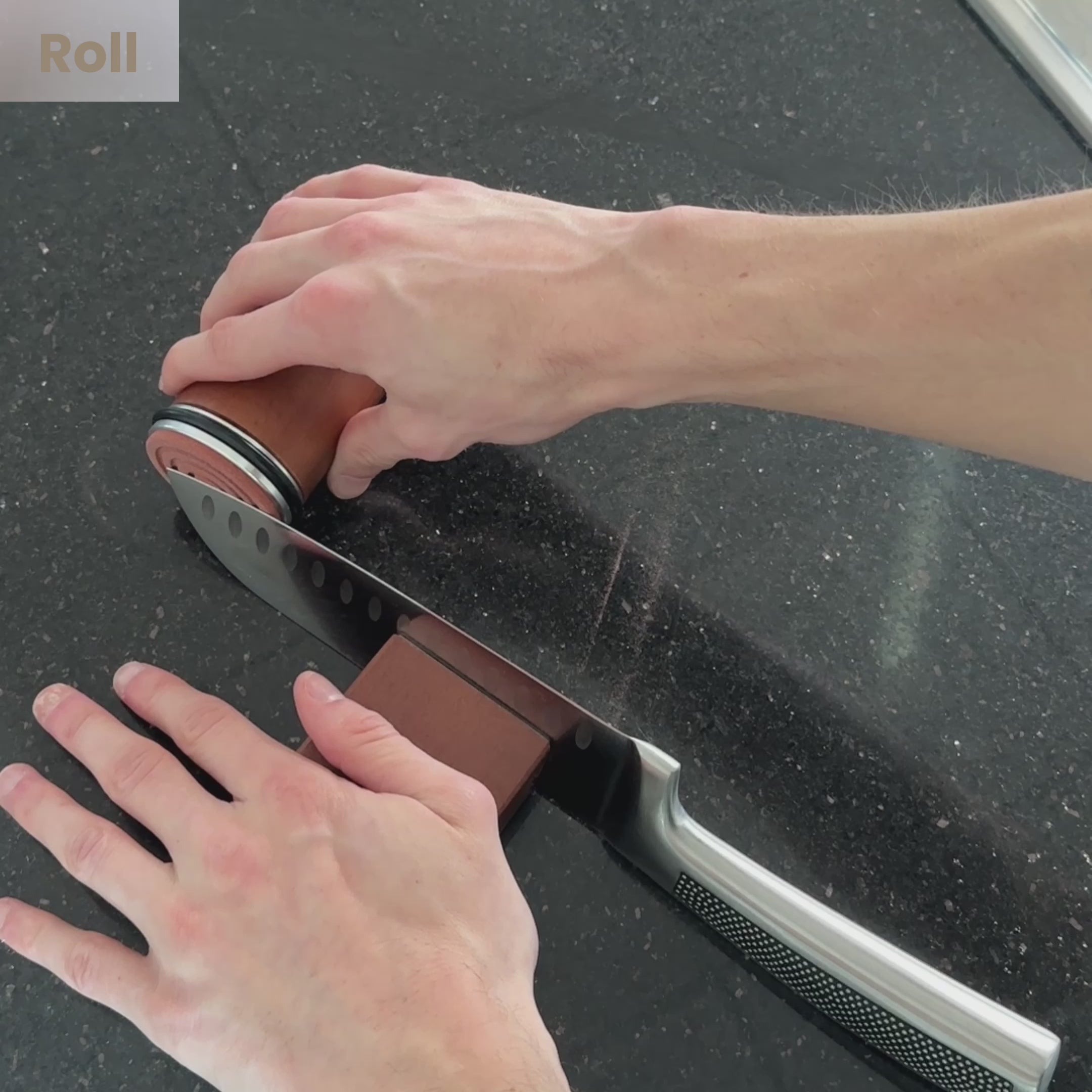
The Novara Knife Sharpener is a compact, countertop tool designed for home cooks and professionals. It usually features a multi-stage sharpening system, with slots for coarse and fine sharpening. The goal is to repair, sharpen, and polish kitchen knives without needing special skills.
Novara sharpeners are often marketed for their:
- Ease of use: No complicated angles or setups
- Safety features: Non-slip base, hand guard
- Versatility: Works on chef knives, paring knives, and sometimes scissors
Some models also support serrated blades, which sets them apart from basic sharpeners.
How Does The Novara Sharpener Work?
Most Novara models use a pull-through design. You insert the knife into a slot, pull it through a few times, and the abrasive wheels inside do the work. Common materials for the sharpening wheels include:
- Tungsten carbide for coarse grinding and reshaping
- Ceramic for fine honing and polishing
This two-stage process is meant to restore the edge and then refine it for smooth slicing.
Steps To Use A Novara Sharpener
- Place the sharpener on a stable surface.
- Select the coarse slot for dull or damaged knives.
- Pull the blade through from heel to tip, applying gentle pressure.
- Repeat 3-5 times, depending on the blade condition.
- Switch to the fine slot to polish and finish the edge.
- Test the sharpness on a piece of paper or tomato.
The process is quick, usually taking under two minutes per knife.
Credit: shop-novara.com
Key Features Of The Novara Knife Sharpener
Here’s a closer look at the main features found in most Novara models:
- Multi-stage sharpening: At least two slots for different levels of sharpening.
- Ergonomic handle: For a comfortable, secure grip.
- Non-slip base: Prevents accidents during use.
- Compact size: Fits easily in most kitchen drawers.
- Affordable price: Usually costs less than electric sharpeners.
Some newer Novara versions include an extra slot for scissors or serrated knives. These features matter if you have a variety of blades in your kitchen.
Performance: Does It Really Sharpen Knives Well?
Performance is the most important factor. In tests and user reviews, the Novara sharpener generally delivers on its promise:
- Edge restoration: Most dull knives regain a usable, sharp edge after 3-5 pulls in each slot.
- Consistency: The pull-through slots guide the angle, so you don’t need to guess.
- Polished finish: The ceramic slot gives a smooth cutting edge, reducing tearing of foods.
However, it’s important to set expectations. Pull-through sharpeners like Novara cannot match the precision of whetstones or expensive electric sharpeners. They are designed for convenience and speed, not for custom edge geometry.
Real-world Example
A chef’s knife that could barely slice a tomato was restored to cleanly cutting paper in under five minutes with the Novara. But very expensive Japanese knives or extremely thick blades may not perform as well, since the fixed angle slots are set for standard Western kitchen knives.
Pros And Cons Of The Novara Knife Sharpener
To help you decide, here’s a summary of the main advantages and disadvantages:
| Pros | Cons |
|---|---|
| Easy for beginners | Fixed sharpening angle (not adjustable) |
| Fast sharpening (2-3 minutes) | Not for specialty knives (e.g., single bevel) |
| Safe, with non-slip base | Can remove more metal than manual stones |
| Affordable price | May not fit extra-wide blades |
| Compact, easy to store | Not for very expensive knives |
How Does Novara Compare To Other Knife Sharpeners?
Many buyers wonder if Novara is better than alternatives like electric sharpeners, manual stones, or other pull-through devices. Here’s a direct comparison:
| Sharpener Type | Ease of Use | Precision | Price Range | Best For |
|---|---|---|---|---|
| Novara Pull-Through | Very easy | Good for most kitchen knives | $20–$35 | Home cooks, beginners |
| Electric Sharpener | Very easy | Excellent, but costly | $50–$250 | Frequent users, professionals |
| Whetstone | Requires skill | Top precision, custom edges | $15–$120 | Enthusiasts, specialty knives |
| Other Pull-Through | Easy | Similar to Novara | $10–$40 | General kitchen use |
Novara stands out for its mix of simplicity, speed, and safety. It’s not the cheapest, but offers more polish and features than basic sharpeners. If you value precision or own expensive knives, a whetstone or high-end electric sharpener might be better.
Who Should Buy The Novara Knife Sharpener?
The Novara sharpener is best for:
- Home cooks who want quick, regular sharpening
- Beginners uncomfortable with manual stones
- Families who use standard kitchen knives
- People with limited space who need a compact tool
It’s not the best choice for:
- Professional chefs with high-end Japanese knives
- Collectors who want custom edge angles
- Those with very large or small specialty blades
If you mostly use basic chef, utility, or paring knives, Novara is likely a good fit.
Common Mistakes When Using The Novara Sharpener
Even a simple sharpener can be used incorrectly. Here are mistakes to avoid:
- Pressing too hard: Let the abrasive wheels do the work. Excess force removes too much metal.
- Using the coarse slot too often: This slot is for repairing very dull or damaged blades. For regular maintenance, stick to the fine slot.
- Skipping cleaning: Metal filings can build up inside the slots. Wipe the sharpener with a dry brush or cloth after use.
- Sharpening serrated knives: Only use the serrated slot (if available). Standard slots can damage the teeth.
- Not checking the edge: Test the knife after each sharpening stage. Over-sharpening can shorten blade life.
Many beginners miss the importance of gentle, steady pulls. Rushing the process or using the wrong slot is a common error.
Is The Novara Knife Sharpener Durable?
Durability matters, especially for a tool used often. Novara sharpeners are made from hard ABS plastic, with tungsten carbide and ceramic wheels. With normal kitchen use (1-2 times per month), the sharpening slots can last several years.
However, pulling heavy cleavers or using the sharpener multiple times per week will wear out the wheels faster. Replacement parts are not widely available, so treat the tool gently.
A non-obvious tip: The fine ceramic slot is usually the first to wear out. If you notice the edge is not as polished as before, it may be time to consider a replacement.
Customer Reviews And User Experiences
Looking at real user feedback gives a better idea of what to expect. Across Amazon, kitchen blogs, and cooking forums, the Novara sharpener averages 4.4 out of 5 stars (based on more than 2,000 reviews).
Positive Experiences
- Many users praise the ease of use and how quickly dull knives are restored.
- People love that it’s safe for older family members or teens to use.
- The compact size is often mentioned as a plus for small kitchens.
Negative Experiences
- Some users complain about metal shavings left behind if the sharpener is not cleaned.
- A few report the sharpener does not fit very wide or thick blades.
- Owners of expensive knives sometimes say the fixed angle is not ideal for their needs.
Overall, the Novara sharpener works well for everyday kitchen tasks. It’s not a professional tool, but it’s reliable for most home cooks.
Expert Opinions On Pull-through Sharpeners
Culinary experts often prefer whetstones for ultimate sharpness. However, they agree that a quality pull-through sharpener like Novara is better than using dull knives or skipping sharpening altogether.
According to a test by America’s Test Kitchen, pull-through sharpeners are safe and effective for most European and American kitchen knives. They recommend avoiding these for very thin, high-end Japanese blades, but endorse them for daily use by busy families.
If you want to read more about knife sharpening science, the Wikipedia article on sharpening is a good resource.
Alternatives To Novara
If you’re not sure about Novara, here are a few alternatives:
- Work Sharp Culinary E2: An electric sharpener with adjustable guides.
- Lansky 4-rod Turn Box: A manual system with ceramic rods.
- Chef’sChoice 3-Stage Sharpener: Another top-rated pull-through model.
Each has its own strengths. The best choice depends on your knife collection, skill level, and budget.

Credit: www.youtube.com
Tips To Get The Most From Your Novara Sharpener
To make your Novara last and your knives stay sharp:
- Clean the slots after every 2-3 uses to prevent buildup.
- Use the fine slot weekly for maintenance; reserve the coarse slot for very dull knives.
- Always pull the blade in one direction—never “saw” back and forth.
- Store the sharpener in a dry place; moisture can corrode the abrasive wheels.
- Pair sharpening with regular honing using a honing rod for best results.
A little care extends the life of both your knives and the sharpener.
Frequently Asked Questions
How Often Should I Use The Novara Knife Sharpener?
For home cooks, sharpening every 2-4 weeks is usually enough. If you cook daily or cut tough ingredients, you may sharpen more often. Avoid over-sharpening, which can wear down your blade.
Can The Novara Sharpener Be Used On Scissors Or Serrated Knives?
Some Novara models have a special slot for scissors or serrated knives. Only use these slots as directed. Standard sharpening slots are not suitable for serrated blades and can damage them.
Is The Novara Sharpener Safe For High-end Knives?
Novara sharpeners are best for standard kitchen knives. Expensive Japanese or specialty knives often have different blade angles. Using Novara may reduce their performance or value. Consider a whetstone or professional sharpening service for these knives.
How Do I Clean The Novara Sharpener?
Turn the sharpener upside down and tap it gently to remove metal dust. Use a dry brush or cloth to wipe inside the slots. Avoid water, which can damage the abrasive wheels.
What Should I Do If My Knife Doesn’t Get Sharp?
Check that you are using the correct slot and pulling the knife smoothly. If the edge is still dull, the knife may need professional sharpening, or the sharpener’s abrasive wheels may be worn out.
The Novara Knife Sharpener is a practical, reliable choice for most kitchens. It’s not perfect for every knife or chef, but if you want a safe, fast way to keep your blades sharp, it’s a solid investment. With proper use and care, it can make cooking easier and safer for years to come.

Credit: www.reddit.com

Hello, This is Annie Walker, a 38-year-old blogger, founder, and editor of Cookware Guider from NY, USA. I am a cookware fanatic and passionate cooker. I love to cook with different types of cooking appliances (example: all types of cookware, rice cookers, slow cookers, etc) almost every day in my kitchen. I love to share my experience with my readers in my blog. Also, I enjoy helping people to solve their problems through my website. You can follow me on Twitter & Pinterest. To know details about my blog please check the about us page.