
Have you ever cooked rice, only to find it crunchy instead of soft and fluffy? It’s frustrating when your meal doesn’t turn out as expected.
You might wonder why this happens and how to fix it. You’ll discover the common reasons behind crunchy rice and simple tips to make every bite perfect. Keep reading—you’re just a few easy steps away from mastering the art of cooking rice perfectly every time.
Credit: www.thekitchn.com
Why Rice Turns Crunchy
Rice that turns crunchy after cooking can be disappointing. Many wonder why this happens. The crunchiness usually means the rice did not cook properly. Several factors cause this problem. Understanding these reasons can help you cook soft, fluffy rice every time.
Common Cooking Mistakes
One common mistake is not rinsing rice before cooking. Rinsing removes excess starch. Without rinsing, rice can clump and cook unevenly. Another error is lifting the lid often. This releases steam and lowers heat. Rice needs steady steam to cook fully. Stirring rice while cooking breaks grains and changes texture.
Water-to-rice Ratio Issues
Using too little water causes crunchy rice. Rice absorbs water to soften. Without enough water, grains stay hard inside. Too much water can make rice mushy. Measuring water and rice carefully is key. Different rice types need different water amounts.
Impact Of Cooking Time
Short cooking time leads to undercooked rice. Rice needs enough time to absorb water. Turning off heat too soon keeps grains firm. Cooking for too long can dry out rice. Follow cooking times in recipes for best results.
Rice Variety Differences
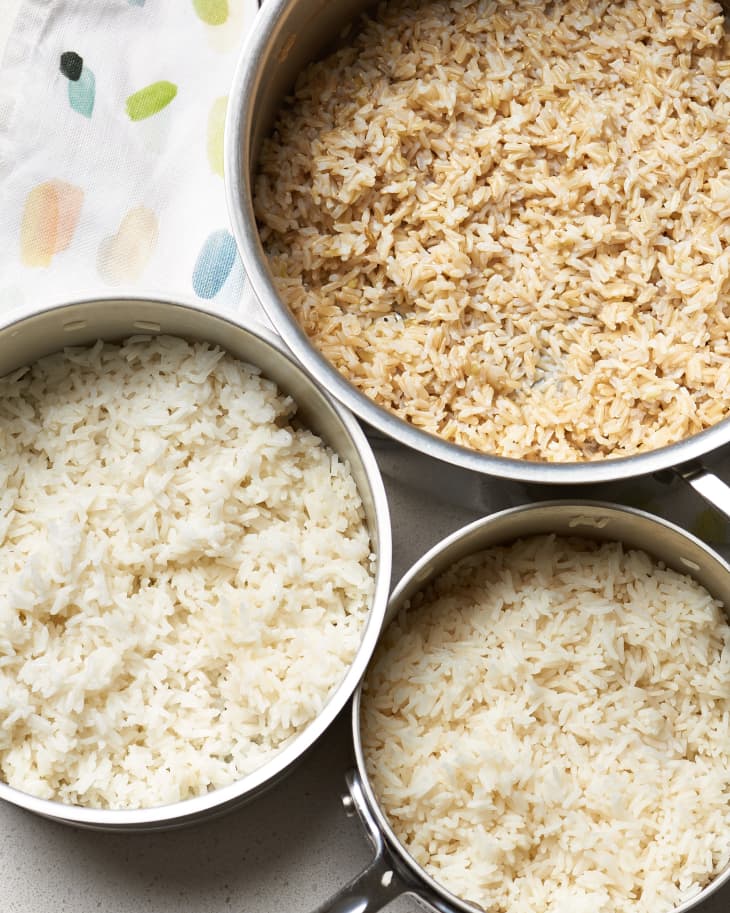
Different rice types cook differently. Long grain rice stays separate and fluffy. Short grain rice is stickier and softer. Some rice needs more water or longer cooking. Brown rice takes longer than white rice. Know your rice type before cooking for best texture.
Quick Fixes For Crunchy Rice
Cooked rice that turns out crunchy can spoil your meal. Fixing it does not take long. Simple steps can make your rice soft and tasty again. Here are quick fixes for crunchy rice that anyone can try.
Adding Hot Water And Steaming
Start by adding a small amount of hot water to the crunchy rice. Use about two tablespoons for each cup of rice. Cover the pot tightly with a lid. Let the rice steam on low heat for 5 to 10 minutes. The steam softens the rice grains evenly. Check the texture and add more water if needed. This method works well on the stove or in a rice cooker.
Microwave Reheating Techniques
Put the crunchy rice in a microwave-safe bowl. Sprinkle a few tablespoons of water over it. Cover the bowl with a microwave-safe lid or plate. Heat on medium power for 1 to 2 minutes. Stir halfway through to spread the moisture. The microwave steam will help soften the rice quickly. Be careful not to overheat, or the rice might dry out.
Using A Damp Towel Method
Place the rice in a heatproof bowl. Wet a clean kitchen towel and wring out excess water. Cover the bowl with the damp towel. Microwave or steam the rice with the towel on top. The damp towel traps moisture and warms the rice gently. This method keeps the rice from drying out while softening it.
Preventing Crunchy Rice In Future
Crunchy rice can ruin a good meal. Fixing this problem starts with simple steps. These tips help you cook soft, fluffy rice every time. Small changes make big differences in texture and taste.
Measuring Water Correctly
Water is key to soft rice. Use the right water amount for your rice type. Too little water leaves rice hard and crunchy. Use a measuring cup for accuracy. Follow package instructions or try a 1:2 rice-to-water ratio.
Adjusting Cooking Time
Cooking time affects rice texture. Cook rice longer if it feels crunchy. Keep heat low after boiling to avoid burning. Let rice steam covered for 10 minutes after cooking. This helps grains absorb water fully.
Choosing The Right Rice Type
Different rice types need different care. Long-grain rice cooks differently from short-grain. Know your rice type before cooking. Use basmati or jasmine for fluffy rice. Sticky rice needs less water and less cooking time.
Rinsing Rice Properly
Rinse rice to remove extra starch. Starch makes rice sticky and crunchy. Use cold water and rinse until water runs clear. This step improves texture and taste. Drain rice well before cooking.
Credit: inquiringchef.com
Alternative Cooking Methods
Rice can turn out crunchy if not cooked properly. Using different cooking methods can help fix this. Each method controls heat and water differently. This changes the texture of the rice. Trying other ways might give you softer rice.
Using A Rice Cooker
A rice cooker is an easy option for cooking rice. It uses the right amount of water and heat. The cooker stops automatically when rice is done. This prevents overcooking or drying out. Using a rice cooker gives consistent, soft rice every time.
Cooking Rice On The Stove
Cooking rice on the stove needs close attention. Use a pot with a tight lid to keep steam in. Measure water carefully; too little makes rice crunchy. Boil water first, then add rice and lower heat. Let it simmer until water is fully absorbed.
Steaming Rice
Steaming rice is a gentle cooking method. Soak rice in water before steaming for better texture. Use a steamer basket or cloth to hold the rice. Steam for 20-30 minutes until grains are tender. This method keeps rice fluffy and soft, not crunchy.
Tips For Fluffy, Soft Rice Every Time
Cooking rice that turns out soft and fluffy can be tricky. Many face the problem of rice being crunchy after cooking. The right steps help avoid that. Simple tips improve texture and make rice enjoyable every time. Follow these easy methods to get perfect rice consistently.
Letting Rice Rest After Cooking
After the heat is off, let the rice sit covered. Resting keeps steam trapped inside the pot. This steam finishes cooking the rice gently. It also helps grains absorb water fully. Resting time should be about 10 minutes. Avoid lifting the lid during this time.
Fluffing Rice With A Fork
Use a fork to fluff the rice after resting. Fluffing separates grains without breaking them. It stops rice from clumping together. Be gentle to keep grains intact. Fluffing improves texture and makes rice light. Avoid using a spoon, which can mash rice.
Avoiding Overcooking
Overcooking rice makes it mushy or crunchy. Follow exact cooking times based on rice type. Use the right amount of water for the rice. Too little water leads to hard grains. Too much water causes soggy rice. Turn off heat as soon as rice is done.

Credit: dishingouthealth.com
Frequently Asked Questions
Why Is My Rice Crunchy After Cooking?
Rice turns crunchy if undercooked or water is insufficient. Use the right water-to-rice ratio and cook longer to soften it fully.
How To Fix Crunchy Rice After Cooking?
Add a little boiling water and cover tightly. Let it steam on low heat for 5-10 minutes to soften the grains.
Does Using Old Rice Cause Crunchiness?
Old or stale rice can cook unevenly, leading to crunchiness. Always use fresh rice for better texture and taste.
Can Rinsing Rice Prevent Crunchiness?
Rinsing rice removes excess starch, preventing clumping. However, it doesn’t affect crunchiness caused by undercooking or water issues.
Conclusion
Rice that turns crunchy after cooking can be frustrating. Often, it means the rice did not absorb enough water. Cooking rice with the right water amount and time is key. Using fresh rice and rinsing it well helps too. Stirring less and letting it rest covered keeps moisture in.
Small changes make a big difference in rice texture. Try these tips next time for soft, fluffy rice. Enjoy your meal with perfectly cooked rice every time. Simple steps bring better results.

Hello, This is Annie Walker, a 38-year-old blogger, founder, and editor of Cookware Guider from NY, USA. I am a cookware fanatic and passionate cooker. I love to cook with different types of cooking appliances (example: all types of cookware, rice cookers, slow cookers, etc) almost every day in my kitchen. I love to share my experience with my readers in my blog. Also, I enjoy helping people to solve their problems through my website. You can follow me on Twitter & Pinterest. To know details about my blog please check the about us page.