
Are you tired of switching pans when moving from the stovetop to the oven? Knowing which frying pans are oven safe can save you time, effort, and the hassle of cleaning multiple dishes.
Imagine cooking your favorite meal in one pan, then finishing it perfectly in the oven without worry. You’ll discover exactly which frying pans can handle the heat and how to use them safely. Keep reading to make your cooking easier and more efficient!
:strip_icc()/BHG-oven-safe-skillet-hero-2680_1rrwNcHR424Ar7XISRl75a-404a2bf75be940169e049eebed3ba417.jpg)
Credit: www.bhg.com
Materials That Withstand Oven Heat
Choosing the right frying pan for the oven depends on the material it is made from. Not all materials can handle high oven temperatures without damage. Some materials keep their shape and function well under heat. Knowing which ones are safe helps protect your cookware and your food.
Cast Iron Pans
Cast iron pans are perfect for oven use. They hold heat evenly and last a lifetime. These pans can go from stovetop to oven without any problem. Their heavy build means they withstand very high temperatures. Seasoned cast iron also adds flavor to your food.
Stainless Steel Options
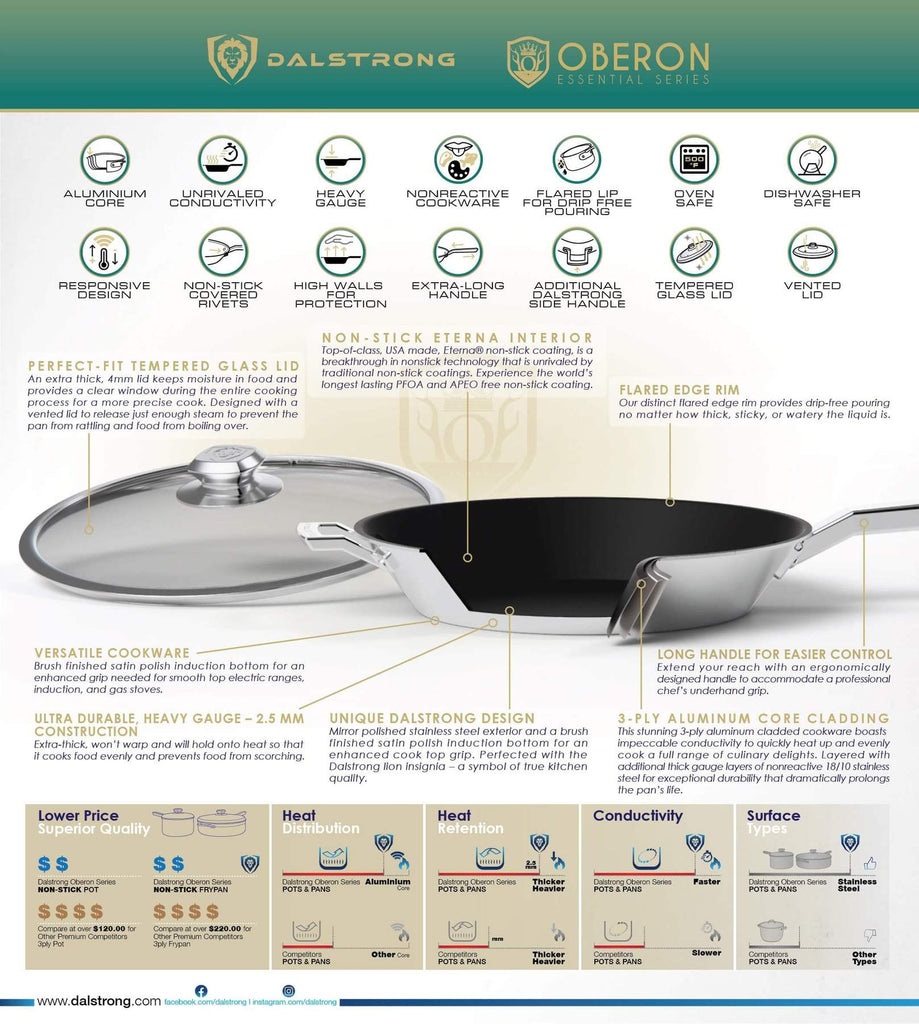
Stainless steel pans often work well in ovens. They do not warp easily and resist rust. Many have aluminum or copper cores for better heat distribution. Check for oven-safe handles made from metal or silicone. Avoid stainless steel pans with plastic parts.
Hard-anodized Aluminum
Hard-anodized aluminum pans are strong and durable. They resist scratches and corrosion. Most can handle oven temperatures up to 400°F or more. Their non-stick surface helps cook food evenly. Always verify the handle material before placing them in the oven.
Copper Cookware
Copper pans heat quickly and evenly. They are excellent for precise cooking. Oven-safe copper pans usually have stainless steel interiors. These pans tolerate moderate oven heat but check manufacturer guidelines. Avoid copper pans with plastic or wooden handles in the oven.
Ceramic-coated Pans
Ceramic-coated pans offer a non-stick surface without chemicals. Many can go in the oven up to 350°F. They provide even heat and easy cleanup. These pans often have metal handles suitable for oven use. Check the coating quality to ensure oven safety.
Handle Types And Oven Safety
Choosing a frying pan that is safe to use in the oven depends a lot on the handle type. Handles can change how much heat a pan can take. Some handles are strong and can handle high temperatures. Others may melt or burn. Understanding handle types helps you pick the right pan for oven cooking.
Metal Handles
Metal handles are the best for oven use. They can handle very high temperatures without damage. Stainless steel and cast iron handles are common. These handles get hot, so use oven mitts. Metal handles make pans versatile for stove and oven cooking.
Silicone And Rubber Handles
Silicone and rubber handles are soft and easy to hold. They can handle heat but only up to a limit. Most can go up to 350°F (175°C). Above this, they may melt or get damaged. Check the pan’s instructions to know safe temperatures.
Wooden Handles
Wooden handles look nice but are not oven safe. Wood can crack, burn, or catch fire. Avoid putting pans with wooden handles in the oven. Use them only on the stove or for serving food.
Temperature Limits For Common Pans
Different frying pans handle oven heat in different ways. Knowing the temperature limit of your pan helps avoid damage. Some pans stay safe at high heat, while others need gentler temperatures.
Understanding these limits keeps your pans in good shape. It also ensures your food cooks well without ruining your cookware.
Maximum Safe Oven Temperatures
Cast iron pans can handle very high heat. Most can go up to 500°F (260°C) without any trouble. Stainless steel pans usually tolerate heat up to 500°F too.
Nonstick pans often have lower limits. Many are safe only up to 350°F (175°C). Exceeding this temperature can harm the nonstick coating.
Aluminum pans vary by brand and coating. Some can handle 400°F (205°C), but always check the manufacturer’s guide.
Signs Of Heat Damage
Discoloration on the pan’s surface is a common sign of heat damage. Warping or bending means the pan got too hot. Nonstick coatings may peel or bubble when overheated.
Rust can appear if the protective layer breaks down. Also, handles may loosen or crack from high oven temperatures. Spotting these signs early helps protect your pans.
Top Oven-safe Frying Pans
Choosing the right frying pan for oven use is key for versatile cooking. Oven-safe pans let you start meals on the stovetop and finish in the oven. This saves time and keeps flavors rich. Not all pans can handle oven heat, so picking the right material is important. Here are top picks for oven-safe frying pans that suit different cooking styles.
Best Cast Iron Picks
Cast iron pans are known for their durability and even heating. They handle very high oven temperatures without damage. Their heavy build locks in heat, making them perfect for roasting and baking. Cast iron pans also develop a natural nonstick surface over time. Brands like Lodge and Le Creuset offer excellent options. These pans last for decades with proper care.
Best Stainless Steel Choices
Stainless steel pans offer a sleek look and strong performance. They resist rust and corrosion in the oven. Many come with sturdy metal handles that stay cool longer. These pans heat quickly and allow precise cooking control. Look for those labeled oven-safe up to 500°F. Popular picks include All-Clad and Cuisinart models. They work well for searing and finishing dishes in the oven.
Best Nonstick Oven-safe Options
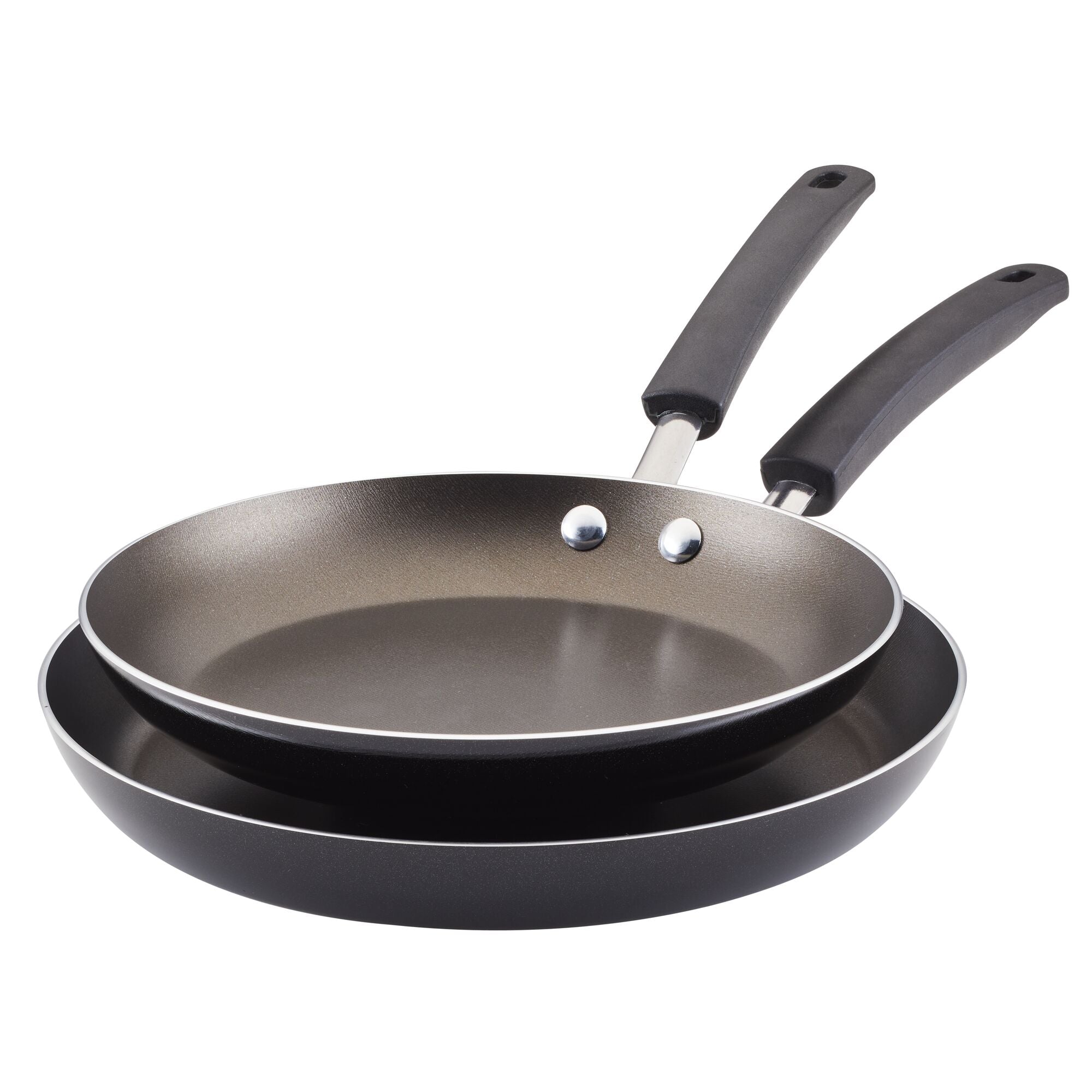
Nonstick pans make cooking and cleanup easy. Some nonstick coatings now resist oven heat up to 450°F. Choose pans with metal or silicone handles to avoid melting. GreenPan and T-fal offer good oven-safe nonstick lines. These pans suit delicate foods like eggs and fish. They provide convenience without sacrificing oven use.
Tips For Using Frying Pans In The Oven
Using frying pans in the oven can expand your cooking options. It lets you start cooking on the stove and finish in the oven for better flavors. Knowing the right tips helps you use oven-safe pans safely and effectively.
Preheating Guidelines
Always preheat the oven before placing your frying pan inside. This prevents sudden temperature changes that can damage the pan. Avoid putting cold pans directly into a hot oven. Let the pan warm up gradually with the oven. Use moderate oven temperatures to protect non-stick coatings and handles.
Cleaning And Maintenance
Clean frying pans after each use to keep them in good shape. Use warm water and mild dish soap for most pans. Avoid harsh scrubbers that can scratch the surface. For cast iron pans, dry them well and apply a thin layer of oil. This keeps the pan from rusting and maintains its seasoning.
Avoiding Common Mistakes
Do not use pans with plastic or wooden handles in the oven. These can melt or catch fire. Check the manufacturer’s instructions to confirm oven safety. Avoid overheating pans beyond their temperature limit. This can warp the pan or damage coatings. Never leave the pan unattended in the oven for long periods.
Credit: allurelakestorey.com
Alternative Cookware For Oven Use
Not all frying pans can go into the oven safely. Some materials can warp or get damaged from heat. It helps to know other cookware options that work well in the oven. These tools can handle high temperatures and cook food evenly.
Using the right cookware keeps your food tasting great. It also protects your kitchen gear from harm. Here are some common alternatives that you can use instead of frying pans in the oven.
Baking Dishes And Ramekins
Baking dishes come in glass, ceramic, or metal. They can hold casseroles, lasagna, and baked desserts. Ramekins are small and great for single servings. Both types can go directly into the oven. They heat food evenly without causing damage.
Dutch Ovens
Dutch ovens are heavy pots made from cast iron. Many have an enamel coating that is oven safe. They are perfect for slow-cooking stews, roasts, and soups. These pots hold heat well and cook food thoroughly. Their lids fit tightly to keep moisture inside.
Sheet Pans
Sheet pans are flat metal trays used for baking and roasting. They handle high temperatures easily. You can cook vegetables, meats, and cookies on them. Their large surface area helps food cook evenly. Choose pans made from stainless steel or aluminum for best results.
Credit: farberwarecookware.com
Frequently Asked Questions
What Materials Make Frying Pans Oven Safe?
Oven-safe frying pans are usually made of stainless steel, cast iron, or hard-anodized aluminum. These materials can withstand high temperatures without warping or releasing toxins, making them ideal for oven use.
Can Non-stick Frying Pans Go In The Oven?
Some non-stick pans are oven safe, but only up to certain temperatures, usually around 350°F to 500°F. Always check the manufacturer’s instructions to avoid damaging the coating or releasing harmful fumes.
Are Frying Pan Handles Oven Safe?
Handles made of metal like stainless steel or cast iron are generally oven safe. Plastic or rubber handles usually cannot withstand high oven temperatures and may melt or release harmful chemicals.
How To Check If A Frying Pan Is Oven Safe?
Look for an oven-safe symbol or check the product manual. Manufacturer websites often provide temperature limits and material details. When in doubt, avoid using the pan in the oven to prevent damage.
Conclusion
Choosing the right frying pan for oven use helps cook meals evenly. Cast iron and stainless steel pans often work well in ovens. Avoid pans with plastic handles or non-oven-safe coatings. Always check the manufacturer’s instructions before placing a pan in the oven.
Using oven-safe pans saves time and keeps food tasty. Remember, safety and care matter when cooking with heat. Keep these tips in mind for better kitchen results. Cooking becomes easier and more fun with the right tools.

Hello, This is Annie Walker, a 38-year-old blogger, founder, and editor of Cookware Guider from NY, USA. I am a cookware fanatic and passionate cooker. I love to cook with different types of cooking appliances (example: all types of cookware, rice cookers, slow cookers, etc) almost every day in my kitchen. I love to share my experience with my readers in my blog. Also, I enjoy helping people to solve their problems through my website. You can follow me on Twitter & Pinterest. To know details about my blog please check the about us page.