
When it comes to cooking, your frying pan is one of the most important tools in your kitchen. But have you ever wondered if the pan you’re using is truly safe for you and your family?
Choosing the right frying pan isn’t just about style or price—it’s about your health and the quality of your meals. You’ll discover which frying pans are safe to use, what materials to avoid, and how to pick the best option for your everyday cooking.
Keep reading to protect your health and enjoy delicious, worry-free meals every time.
Risks Of Unsafe Frying Pans
Using unsafe frying pans can harm health and cause kitchen accidents. Many pans contain materials that release harmful substances. These substances can mix with food during cooking. Choosing safe cookware protects both health and home. Understanding the risks helps in making better choices.
Toxic Chemicals To Avoid
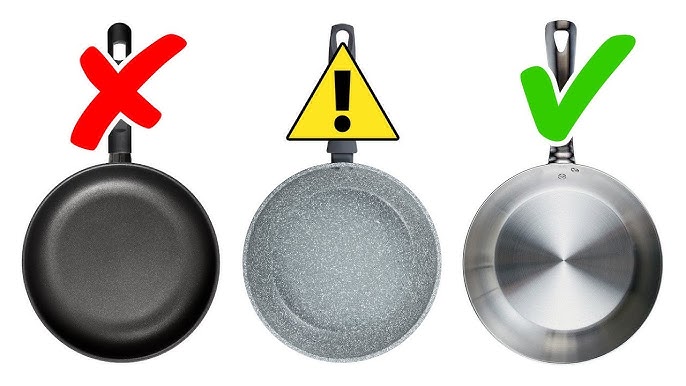
Some frying pans contain chemicals like PFOA and PFAS. These chemicals can release toxic fumes when heated. They may build up in the body over time. Avoid non-stick pans with these harmful substances. Look for pans labeled free of toxic chemicals.
Health Issues Linked To Cookware
Certain pans can cause allergies or skin irritation. Long-term exposure to toxic fumes may lead to breathing problems. Chemicals from cookware might increase the risk of chronic diseases. Using safe pans reduces these health risks significantly.
Durability And Safety Concerns
Cheap pans often wear out quickly and can chip. Chipped coatings may release harmful particles into food. Fragile pans increase the chance of burns or spills. Durable cookware offers safer cooking and longer use.
Safe Materials For Frying Pans
Choosing the right frying pan material is key to safe cooking. Some materials do not react with food or release harmful chemicals. Others offer durability and even heat distribution. Below are safe materials that suit various cooking styles and needs.
Stainless Steel Benefits
Stainless steel pans are strong and last long. They do not react with food or change its taste. This material is easy to clean and resists rust. Stainless steel works well for browning and frying at high heat. It also avoids harmful coatings.
Cast Iron Advantages
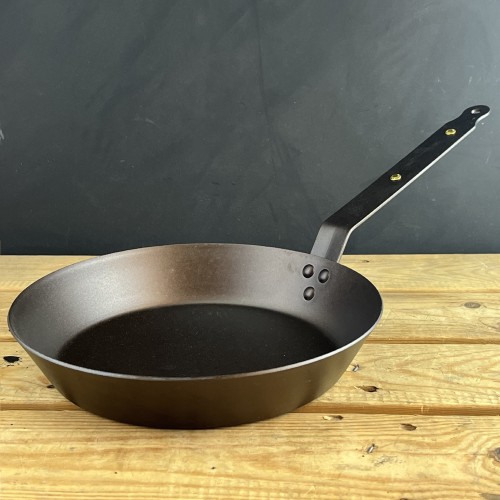
Cast iron pans hold heat evenly and keep it for a long time. They add iron to your food, which can be healthy. These pans become non-stick after seasoning. Cast iron is very durable and can last for decades. It works well on all heat sources, including ovens.
Ceramic Coatings
Ceramic-coated pans use a natural, non-stick surface without chemicals like PTFE. They allow easy food release and quick cleaning. Ceramic coatings are free from toxic metals and safe for cooking. They work best on low to medium heat to keep the coating intact.
Anodized Aluminum Features
Anodized aluminum is aluminum treated to be hard and non-reactive. This process makes the pan scratch-resistant and durable. It prevents aluminum from leaching into food. Anodized pans heat quickly and distribute heat evenly. They provide a safe cooking surface without harmful chemicals.
Non-toxic Non-stick Options
Non-toxic non-stick frying pans offer a safer way to cook. They avoid harmful chemicals often found in traditional pans. Choosing these pans helps keep your food and kitchen free from toxins. This section covers popular safe options and care tips.
Ptfe-free Alternatives
PTFE is a common chemical in non-stick coatings. It can release toxic fumes if overheated. PTFE-free pans use safer materials like ceramic or enamel. These pans still prevent food from sticking well. They also handle higher cooking temperatures safely.
Natural Non-stick Surfaces
Some pans use natural materials for non-stick properties. Cast iron and carbon steel develop a natural coating called seasoning. This layer stops food from sticking without chemicals. Properly seasoned pans improve with use and last long.
Maintenance Tips For Non-stick Pans
Care extends the life of non-toxic non-stick pans. Use wooden or silicone tools to avoid scratching. Clean with mild soap and soft sponges only. Avoid high heat to protect the coating. Store pans carefully to prevent damage.
Credit: www.youtube.com
Top Frying Pan Picks For Health
Choosing a safe frying pan is key for healthy cooking. Some pans release harmful chemicals or metals when heated. Others hold heat well and last for years without damage. Here are top frying pan picks that keep your meals safe and tasty. These options use materials known for durability and safety.
Best Stainless Steel Pans
Stainless steel pans are strong and do not react with food. They do not release toxins, even at high heat. Look for pans with a thick base to prevent hot spots. Brands with triple-layer bottoms offer even heat and long life. Stainless steel pans are perfect for searing and frying.
Recommended Cast Iron Models
Cast iron pans heat evenly and stay hot. They add a small amount of iron to food, which can be healthy. Seasoned cast iron creates a natural non-stick surface without chemicals. Choose pre-seasoned pans for easy use or raw cast iron for custom seasoning. These pans can last a lifetime with care.
Ceramic Pan Favorites
Ceramic pans have a smooth, non-stick surface without toxic coatings. They work well for low to medium heat cooking. Look for heavy-gauge ceramic pans that resist chipping. Ceramic pans are easy to clean and safe for everyday use. They provide a healthy choice for frying eggs or veggies.
Affordable Safe Options
Good frying pans don’t need to cost a lot. Basic stainless steel or cast iron pans offer safety and durability at low prices. Avoid cheap non-stick pans with unknown coatings. Simple designs with trusted materials protect your health and budget. These pans deliver solid performance without breaking the bank.
Care Tips For Long-lasting Safety
Keeping your frying pans safe for a long time needs good care. Proper care stops damage and keeps pans working well. Follow simple steps to protect your pans and your health.
Cleaning Without Damage
Use soft sponges or cloths to clean pans. Avoid steel wool or rough scrubbers that scratch surfaces. Hand wash pans with warm, soapy water. Do not put non-stick pans in the dishwasher. Dry pans fully before storing to stop rust and damage.
Avoiding Overheating
Heat pans on medium or low heat. High heat can damage coatings and release harmful fumes. Preheat pans slowly to keep their surface safe. Always add oil or food before increasing heat. Never leave an empty pan on high heat for long.
Proper Storage Practices
Store pans in a dry place to avoid rust. Hang pans or stack with soft cloths between them. Avoid piling pans directly on each other to stop scratches. Keep lids separate or use a rack to prevent damage. Proper storage extends your pan’s life and safety.
Credit: www.netherton-foundry.co.uk

Credit: www.youtube.com
Frequently Asked Questions
What Materials Make Frying Pans Safe To Use?
Safe frying pans are usually made of stainless steel, cast iron, and ceramic. These materials do not release harmful chemicals when heated. Avoid pans with toxic coatings like some Teflon variants. Always check for non-toxic certification for peace of mind.
Are Non-stick Frying Pans Safe For Health?
Non-stick pans are safe if they are PFOA-free and used properly. Overheating can release toxic fumes. Choose high-quality non-stick coatings to reduce risks. Proper care extends their life and maintains safety.
Is Cast Iron A Safe Frying Pan Option?
Yes, cast iron is safe and durable. It does not release harmful substances and can add dietary iron to food. Proper seasoning prevents rust and creates a natural non-stick surface. It’s excellent for high-heat cooking.
Can Ceramic Frying Pans Withstand High Temperatures Safely?
Ceramic pans are safe and can handle moderate to high heat. They are free from PTFE and PFOA chemicals. Avoid sudden temperature changes to prevent cracking. Ceramic coatings provide a non-toxic cooking surface.
Conclusion
Choosing safe frying pans protects your health and improves cooking. Materials like stainless steel, cast iron, and ceramic work well. Avoid pans with harmful coatings or damaged surfaces. Clean and care for your pans properly. Safe pans last longer and cook food evenly.
Trust your senses—if a pan smells or looks odd, don’t use it. Enjoy cooking with confidence and peace of mind. Safe choices lead to better meals and a healthier kitchen. Keep these tips in mind when buying your next frying pan.

Hello, This is Annie Walker, a 38-year-old blogger, founder, and editor of Cookware Guider from NY, USA. I am a cookware fanatic and passionate cooker. I love to cook with different types of cooking appliances (example: all types of cookware, rice cookers, slow cookers, etc) almost every day in my kitchen. I love to share my experience with my readers in my blog. Also, I enjoy helping people to solve their problems through my website. You can follow me on Twitter & Pinterest. To know details about my blog please check the about us page.