
Are you worried about what your cookware might be doing to your health? The pots and pans you use every day could be releasing harmful chemicals without you even knowing it.
Choosing the most non-toxic cookware isn’t just about cooking better meals—it’s about protecting your body and your family. Imagine preparing your favorite dishes with confidence, knowing your cookware is safe and free from harmful toxins. Keep reading to discover which cookware options are truly the safest for your kitchen and why making the right choice matters more than you think.
Common Cookware Materials
Choosing the right cookware matters for health and cooking quality. Different materials affect how food cooks and how safe the cookware is. Some materials release harmful chemicals, while others are more natural and safe. Understanding common cookware materials helps you pick the best non-toxic option for your kitchen.
Stainless Steel
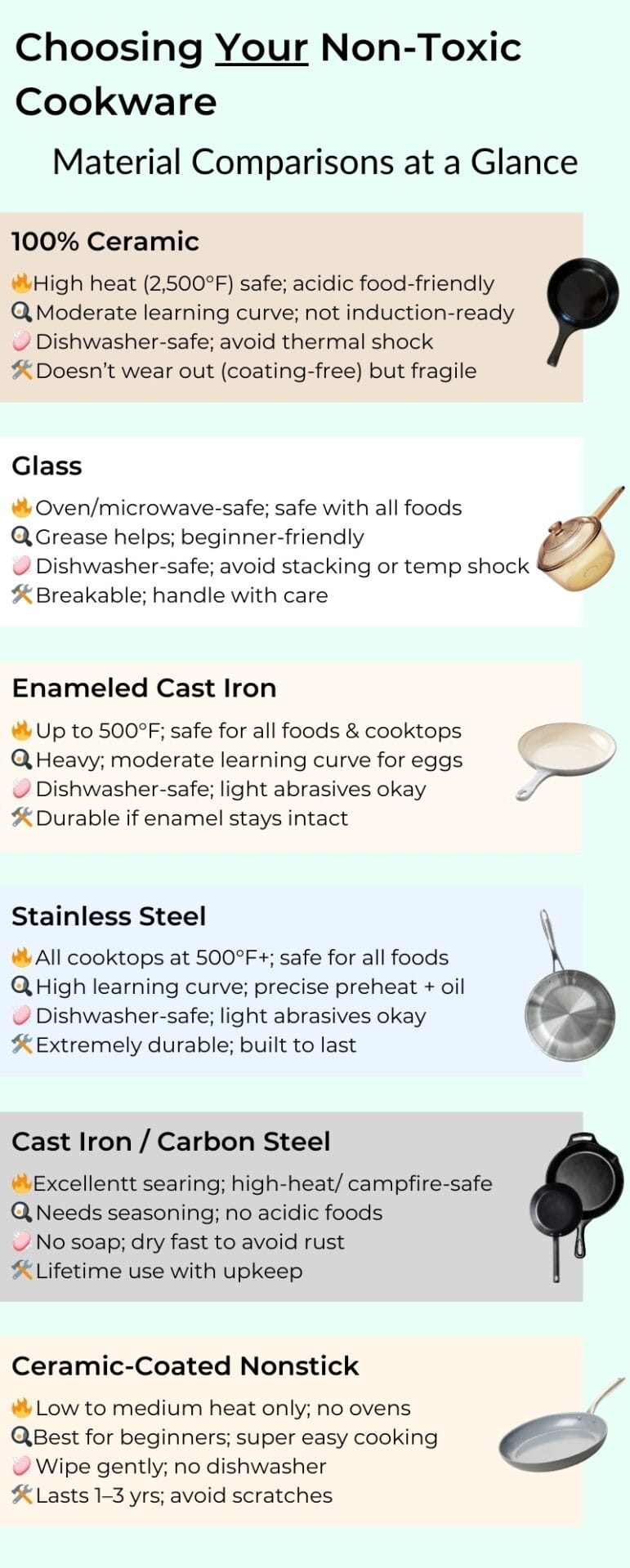
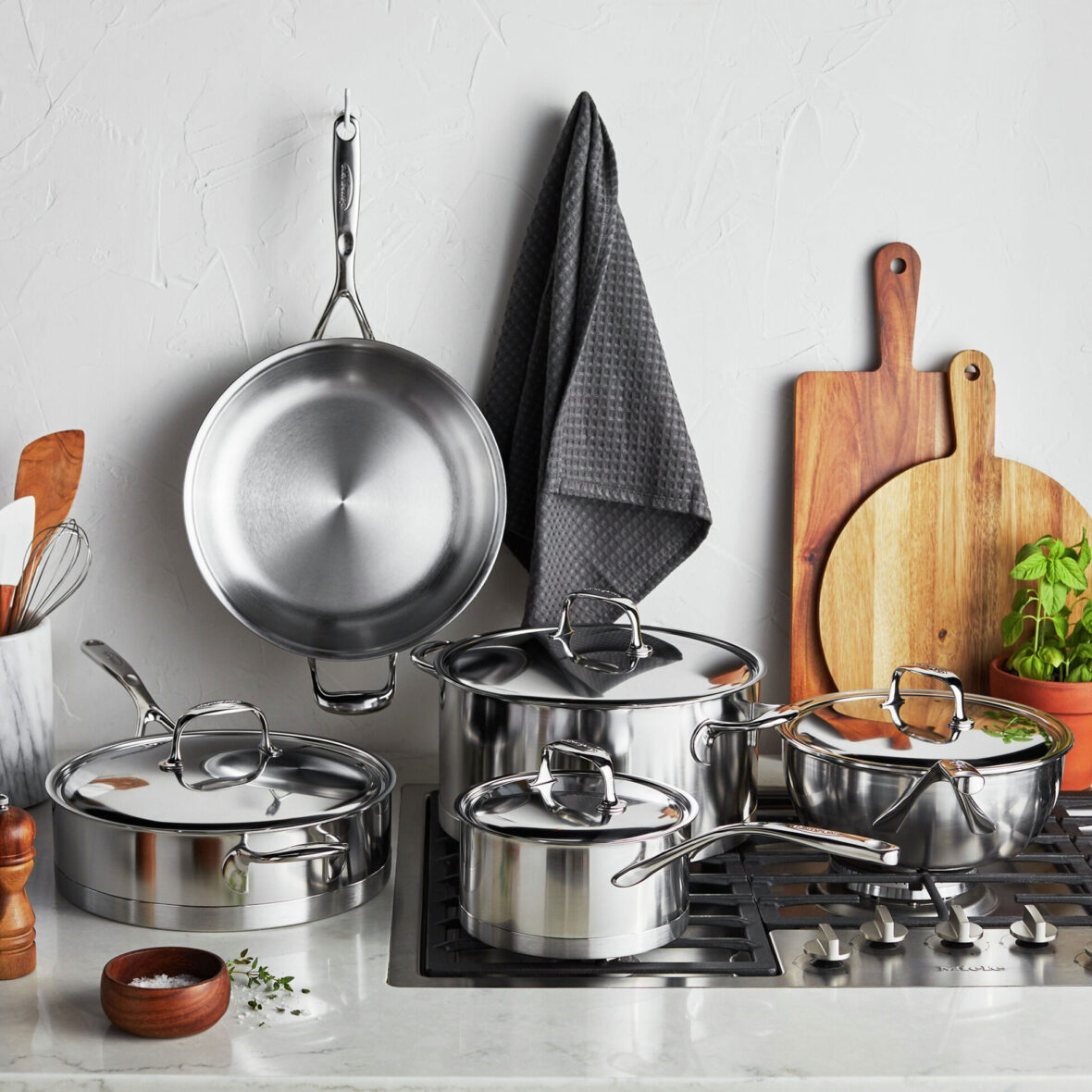
Stainless steel is a popular choice for cookware. It is strong, durable, and does not react with food. This material does not release harmful chemicals. It heats evenly and is easy to clean. Stainless steel works well for boiling, sautéing, and frying.
Cast Iron
Cast iron cookware lasts for many years. It can add small amounts of iron to food, which is healthy. Cast iron heats slowly but holds heat well. It requires seasoning to keep food from sticking. This material is free from harmful coatings or chemicals.
Ceramic
Ceramic cookware is made from natural clay and minerals. It has a smooth, nonstick surface without chemicals. Ceramic pans cook food evenly and are easy to clean. They do not release toxins even at high temperatures. This makes ceramic a safe choice for health.
Nonstick Coatings
Nonstick pans often use coatings like Teflon. Some coatings release harmful fumes when heated too much. Newer nonstick pans use safer materials but can still wear out. Avoid heating nonstick pans above medium heat. Check labels for PFOA-free and PTFE-free coatings for safety.
Glass
Glass cookware is very safe and does not react with food. It is perfect for baking and microwaving. Glass is easy to clean and does not absorb odors. It does not release any harmful chemicals. Glass cookware can break if dropped, so handle carefully.
Copper
Copper cookware heats quickly and evenly. It often has a lining of stainless steel or tin to avoid copper contact with food. Pure copper can react with acidic foods, which is unsafe. Choose copper pans with safe linings for cooking. Copper looks beautiful but needs regular care.
Credit: thegoodlifedesigns.com
Toxic Chemicals To Avoid
Choosing the right cookware means avoiding harmful chemicals. Some materials release toxins when heated. These toxins can affect your health over time. Understanding which chemicals to avoid helps you pick safer pots and pans.
Pfoa And Ptfe
PFOA and PTFE are common in non-stick coatings. PFOA is linked to health risks and is now mostly banned. PTFE can release fumes at high heat. These fumes may cause flu-like symptoms. Choose cookware labeled PFOA-free and avoid overheating non-stick pans.
Lead And Cadmium
Lead and cadmium are heavy metals found in some ceramics and glazes. They can leach into food, especially with acidic dishes. Long-term exposure affects the brain and kidneys. Avoid cookware with unknown or cheap glazes. Look for products that meet safety standards for heavy metals.
Aluminum Leaching
Aluminum cookware is lightweight and cheap. But it can leach into food, especially acidic or salty meals. High aluminum intake may harm the nervous system. Anodized aluminum reduces leaching but check product quality. Consider stainless steel or cast iron as safer alternatives.
Benefits Of Non Toxic Cookware
Non toxic cookware offers many benefits beyond just cooking meals. Choosing safe cookware protects your health and the environment. It also lasts longer and saves money.
Using non toxic pots and pans helps keep harmful chemicals out of your food. These materials resist damage better than many others. They reduce waste and pollution.
Health Advantages
Non toxic cookware does not release harmful chemicals during cooking. This lowers the risk of illness linked to toxins. It keeps food pure and safe to eat. Ideal for families and people with allergies.
Durability And Longevity
High-quality non toxic cookware lasts many years. It resists scratches, chips, and warping. This reduces the need to replace pots or pans often. Saves money and reduces kitchen waste over time.
Environmental Impact
Non toxic cookware is better for the planet. Made from natural or recycled materials. Less toxic waste ends up in landfills or water. Helps lower pollution and conserve resources.
Top Safe Cookware Choices
Choosing safe cookware matters for your health and food quality. Some materials release harmful chemicals when heated. Others stay stable and clean. This section covers the top safe cookware choices. These options help keep your meals healthy and tasty.
Each type offers different benefits. They last long and do not react with food. They also work well for everyday cooking. Let’s explore three popular safe cookware types.
Enameled Cast Iron
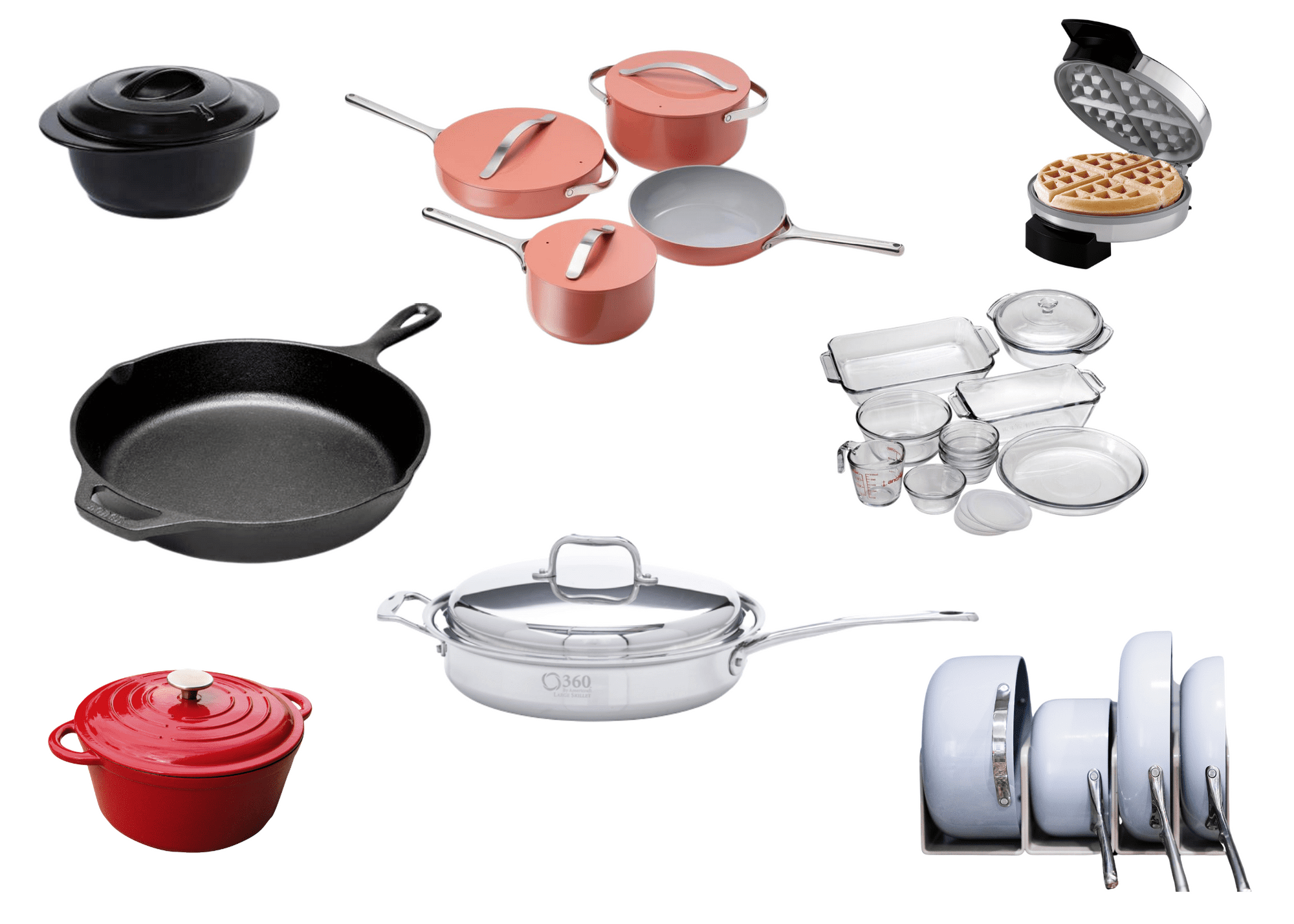
Enameled cast iron has a smooth, glass-like coating. This layer prevents rust and keeps food from sticking. It does not release harmful chemicals into food. It heats evenly and holds heat well. Perfect for slow cooking and frying. Also safe for oven use. The enamel coating is easy to clean. Avoid chipping it to keep the cookware safe.
100% Ceramic
100% ceramic cookware is made from natural clay. It does not contain metals or chemicals. Ceramic heats evenly and stays cool on handles. It is scratch-resistant and non-stick naturally. This cookware does not release toxins. Ideal for baking, roasting, and simmering. It is lightweight and easy to handle. Clean with mild soap and soft sponges only.
High-quality Stainless Steel
High-quality stainless steel is durable and non-reactive. It does not leach metals into food. This cookware can handle high heat without damage. It works well for searing, boiling, and sautéing. Stainless steel is easy to maintain and dishwasher safe. Choose brands with 18/10 or 18/8 grade steel. These grades offer the best corrosion resistance and safety.
Care Tips For Non Toxic Cookware
Caring for non toxic cookware helps keep it safe and lasting longer. Proper care protects the materials and keeps your food healthy. Simple daily habits can make a big difference in your cookware’s life.
Cleaning Methods
Clean non toxic cookware with warm, soapy water after each use. Use a soft sponge or cloth to avoid scratches. Avoid harsh chemicals or abrasive scrubbers that can damage the surface. For stuck food, soak the cookware in warm water before cleaning. Dry the cookware fully to prevent rust or stains.
Maintenance Practices
Season some non toxic cookware like cast iron to keep it nonstick and rust-free. Apply a thin layer of oil after cleaning and heat it gently. Store cookware in a dry place to avoid moisture damage. Check regularly for chips or cracks and replace if needed. Use cookware only for its intended cooking methods.
Avoiding Damage
Do not use metal utensils that can scratch non toxic surfaces. Choose wooden, silicone, or plastic tools instead. Avoid sudden temperature changes that can warp or crack the cookware. For example, don’t put hot cookware in cold water. Handle cookware gently to prevent dents or bending.
Credit: gurlgonegreen.com
Budget-friendly Non Toxic Options
Choosing non toxic cookware does not mean you must spend a lot. Many affordable options keep your kitchen safe and healthy. These budget-friendly choices offer good quality without harmful chemicals. You can cook with peace of mind and save money.
Affordable Ceramic Sets
Ceramic cookware is a great choice for non toxic cooking. Affordable ceramic sets come in many sizes and shapes. They do not release chemicals or toxins. These sets heat food evenly and clean easily. Look for ceramic coated pans without PTFE or PFOA. These are safer for your health and wallet.
Secondhand Cast Iron
Cast iron cookware is durable and non toxic. Buying secondhand cast iron saves money and the environment. Older pans often have a natural seasoning that prevents sticking. Check for rust or cracks before buying. Proper care extends the life of these pans. Cast iron heats well and adds iron to your food.
Diy Safety Tips
Keep cookware safe by following simple steps. Avoid overheating pans to prevent damage. Use wooden or silicone utensils to protect surfaces. Clean cookware gently without harsh chemicals. Season cast iron regularly to maintain its coating. These tips help your cookware last longer and stay safe for cooking.
Credit: www.organicauthority.com
Frequently Asked Questions
What Is The Safest Cookware Material For Health?
Ceramic and stainless steel are among the safest cookware materials. They don’t release harmful chemicals when heated. These materials resist scratches and are non-reactive with food, making them ideal for healthy cooking.
Are Non-toxic Cookware Options Expensive?
Non-toxic cookware can vary in price. Some affordable options include ceramic-coated pans and cast iron. Investing in quality non-toxic cookware ensures long-term health benefits and durability.
How To Identify Truly Non-toxic Cookware?
Look for cookware labeled PFOA, PTFE, and lead-free. Materials like pure ceramic, glass, and stainless steel are typically non-toxic. Always check manufacturer certifications and user reviews for safety confirmation.
Why Avoid Teflon And Non-stick Coatings?
Teflon and similar coatings can release toxic fumes when overheated. These fumes may cause health issues. Choosing non-toxic alternatives reduces exposure to harmful chemicals during cooking.
Conclusion
Choosing the most non-toxic cookware keeps your food and family safe. Materials like stainless steel, cast iron, and ceramic are good options. They do not release harmful chemicals when heated. Avoid cookware with non-stick coatings that may break down over time.
Simple, natural materials last longer and cook healthier meals. Small changes in your kitchen make a big difference in health. Remember, safe cookware supports a cleaner, healthier lifestyle every day. Keep your cooking space safe and enjoy your meals without worry.

Hello, This is Annie Walker, a 38-year-old blogger, founder, and editor of Cookware Guider from NY, USA. I am a cookware fanatic and passionate cooker. I love to cook with different types of cooking appliances (example: all types of cookware, rice cookers, slow cookers, etc) almost every day in my kitchen. I love to share my experience with my readers in my blog. Also, I enjoy helping people to solve their problems through my website. You can follow me on Twitter & Pinterest. To know details about my blog please check the about us page.