
Choosing the right frying pan can change the way you cook—and how safe your meals are. You might think all pans are the same, but some can actually affect your health and the taste of your food.
If you want to protect yourself and your family while making cooking easier, you need to know which frying pan is the safest to use. Keep reading, and you’ll discover the simple secrets to picking the best pan for your kitchen.
Your next meal could be healthier and tastier than ever before.
Credit: www.organicauthority.com
Health Risks Of Common Frying Pans
Choosing the right frying pan is important for your health. Some pans can release harmful substances during cooking. Knowing the risks helps you make safer choices for your kitchen.
Toxic Chemicals In Non-stick Coatings
Many non-stick pans use chemicals like PFOA or PFAS. These chemicals can release toxins when heated. Breathing these fumes may cause flu-like symptoms. Long-term exposure might affect your liver and thyroid. Safer pans avoid these harmful coatings.
Metal Leaching Concerns
Certain pans can release metals into your food. Aluminum and copper pans may leach metals if scratched or damaged. Eating too much metal can cause stomach pain or other health issues. Using pans with safe, stable surfaces reduces this risk.
Effects Of Overheating Pans
Heating pans too much damages their surface. Overheated pans may release harmful fumes and particles. This can cause breathing problems and other health issues. Always cook at recommended temperatures to protect your health.
Materials For Safe Frying Pans
Choosing the right frying pan matters for health and cooking. Materials play a big role in safety. Some materials hold heat well. Others resist scratches and chemicals. Knowing the best materials helps pick a safe pan.
Safe pans avoid harmful chemicals and last long. The material also affects how food cooks. Some pans need less oil. Others keep food from sticking. Here are popular materials for safe frying pans.
Stainless Steel Benefits
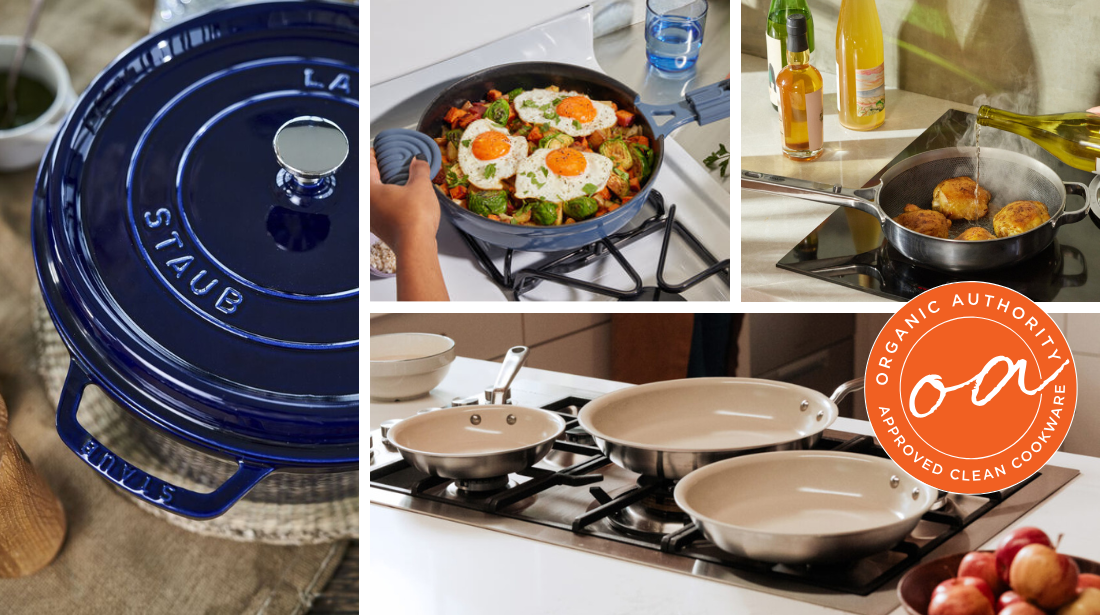
Stainless steel pans do not release toxins. They resist rust and corrosion. These pans heat evenly and last for years. Stainless steel is easy to clean. It works well for high-heat cooking. No coating means no risk of peeling.
Cast Iron Advantages
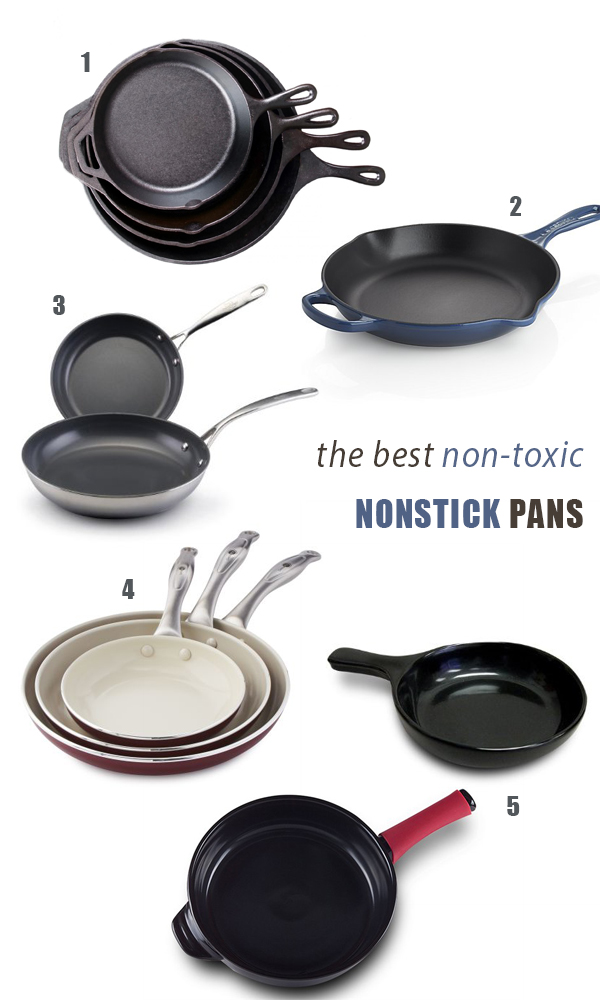
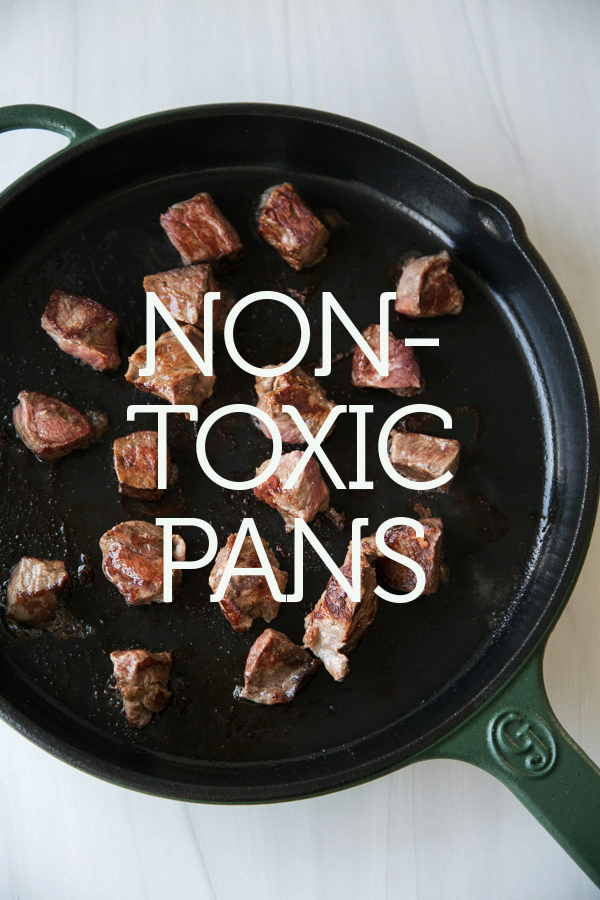
Cast iron pans are very durable and safe. They can last a lifetime if cared for. Cast iron adds a small amount of iron to food. This is healthy for many people. These pans hold heat well for even cooking. They need seasoning to keep food from sticking.
Ceramic Coated Options
Ceramic coatings are free from harmful chemicals like PTFE. They provide a smooth, non-stick surface. Ceramic pans work well with low to medium heat. They are easy to clean after cooking. The coating may wear out over time. Look for high-quality ceramic coatings for safety.
Anodized Aluminum Safety
Anodized aluminum is stronger than regular aluminum. The process creates a hard, non-reactive surface. It does not release aluminum into food. These pans heat quickly and evenly. They resist scratches and corrosion. Anodized aluminum pans are safe for everyday cooking.
Top Healthy Frying Pans Of 2026
Choosing a safe frying pan is key for healthy cooking. The right pan ensures food cooks evenly and stays free from harmful chemicals. In 2026, some pans stand out for safety and health benefits. These options suit different cooking styles and budgets.
Below are top healthy frying pans categorized by material. Each type offers unique advantages for your kitchen.
Best Stainless Steel Models
Stainless steel pans are strong and durable. They do not react with food, keeping meals pure. These pans handle high heat well. They are perfect for searing and browning. Look for models with an aluminum core. This improves heat distribution and avoids hot spots.
Leading Cast Iron Pans
Cast iron pans last for decades. They provide excellent heat retention and even cooking. These pans can add small amounts of iron to food. This is good for health. Seasoned cast iron forms a natural non-stick surface. Care is simple: avoid soap and dry them well.
Recommended Ceramic Pans
Ceramic pans use a natural, non-toxic coating. They cook food evenly and require little oil. These pans are free from PTFE and PFOA. They suit low to medium heat cooking. Choose ceramic pans with thick bases for durability.
Safe Non-stick Alternatives
Non-stick pans ease cooking and cleaning. Look for those without harmful chemicals like PFOA. Newer options use safer coatings such as silicon or ceramic blends. These pans prevent food from sticking without toxic fumes. Avoid overheating to keep the coating safe longer.
Factors To Consider When Choosing
Choosing the safest frying pan involves more than just style or brand. Several key factors affect how safe and effective a frying pan will be in your kitchen. These factors help you select a pan that lasts, cooks evenly, fits your budget, and impacts the environment less. Understanding these points makes your choice clear and smart.
Durability And Maintenance
A durable frying pan resists scratches and warping. It lasts longer, saving money over time. Some pans need gentle cleaning by hand. Others can go in the dishwasher. Choose a pan that fits your cleaning habits. Durable pans often use materials like stainless steel or cast iron. These materials handle heat well and stay strong.
Heat Distribution And Cooking Performance
Even heat distribution prevents food from burning or cooking unevenly. Look for pans with a thick base or layered construction. These designs spread heat smoothly. Good cooking performance means food cooks faster and tastes better. Nonstick coatings help with easy food release and quick clean-up. Avoid pans that overheat quickly or have hot spots.
Price And Warranty
Price shows quality but does not always mean better safety. Set a budget that fits your needs. Mid-range pans often balance cost and features well. A warranty protects your purchase from defects. It shows the maker’s confidence in the product. Check warranty length and terms before buying.
Environmental Impact
Eco-friendly pans reduce waste and pollution. Some pans use recycled materials. Others avoid harmful chemicals in coatings. Long-lasting pans reduce the need for replacements. Consider how the pan is made and disposed of. This choice helps protect the planet while cooking safely.
Tips For Safe Frying Pan Usage
Using a frying pan safely helps keep your food healthy and your kitchen accident-free. Proper care and smart habits extend your pan’s life. They also protect you from harmful chemicals or burns. Follow these tips for safe frying pan usage.
Proper Heating Techniques
Heat the pan slowly and evenly to avoid warping. Never preheat an empty pan on high heat. Use medium or low heat for most cooking tasks. Let the pan cool before washing or adding cold water.
Cleaning And Care Guidelines
Clean your pan gently with a soft sponge and mild soap. Avoid abrasive scrubbers that can damage the surface. Dry the pan thoroughly to stop rust or corrosion. Store it in a dry place away from moisture.
Avoiding Damaged Coatings
Do not use metal utensils on non-stick or coated pans. Scratches can release harmful chemicals into your food. Use wooden, silicone, or plastic tools instead. Avoid cooking sprays that may build up residue on the coating.
When To Replace Your Pan
Replace your pan if it shows deep scratches or peeling. Warped or cracked pans also need replacement. Old pans may affect food taste and safety. Choose a new pan that suits your cooking style and needs.
Credit: feedmephoebe.com
Credit: feedmephoebe.com
Frequently Asked Questions
What Materials Make Frying Pans Safest To Use?
Safe frying pans are usually made from stainless steel, cast iron, or ceramic. These materials don’t release harmful chemicals when heated. Non-stick pans with PFOA-free coatings are also safer options. Always check for certifications and avoid pans with damaged surfaces to ensure safety.
Are Non-stick Frying Pans Safe For Everyday Cooking?
Non-stick pans are safe if they are PFOA-free and not overheated above 500°F. Avoid scratching the surface to prevent toxic fumes. For frequent use, choose high-quality brands with safe coatings and replace pans showing wear or damage to maintain safety.
Is Cast Iron A Safe Frying Pan Option?
Yes, cast iron is very safe and durable. It doesn’t emit toxic chemicals and can add iron to your diet. Proper seasoning prevents rust and creates a natural non-stick surface. Cast iron pans handle high heat well and last a lifetime with care.
How To Identify A Toxic Frying Pan?
Toxic pans often have damaged non-stick coatings or contain PFOA/PTFE chemicals. Avoid pans that peel, chip, or emit fumes when heated. Research the brand’s materials and certifications. Opt for pans labeled as non-toxic, PFOA-free, and safe for high temperatures.
Conclusion
Choosing the safest frying pan matters for your health and cooking. Materials like stainless steel and cast iron offer safety and durability. Avoid pans with harmful coatings that can release toxins. Keep your pans clean and replace them if scratched or damaged.
Safe cooking starts with the right pan. Enjoy meals without worry. Your kitchen deserves tools that protect and perform well. Simple choices lead to safer, tastier food every day.

Hello, This is Annie Walker, a 38-year-old blogger, founder, and editor of Cookware Guider from NY, USA. I am a cookware fanatic and passionate cooker. I love to cook with different types of cooking appliances (example: all types of cookware, rice cookers, slow cookers, etc) almost every day in my kitchen. I love to share my experience with my readers in my blog. Also, I enjoy helping people to solve their problems through my website. You can follow me on Twitter & Pinterest. To know details about my blog please check the about us page.