
Have you ever stood in your kitchen, wondering whether to grab a skillet or a frying pan? You’re not alone.
These two tools look similar but work differently, and knowing the difference can change the way you cook. Imagine making your favorite meal turn out just right every time. By understanding what sets a skillet apart from a frying pan, you’ll gain more control over your cooking and get better results.
Keep reading, and you’ll discover simple tips that make choosing the right pan easy and help you cook like a pro.
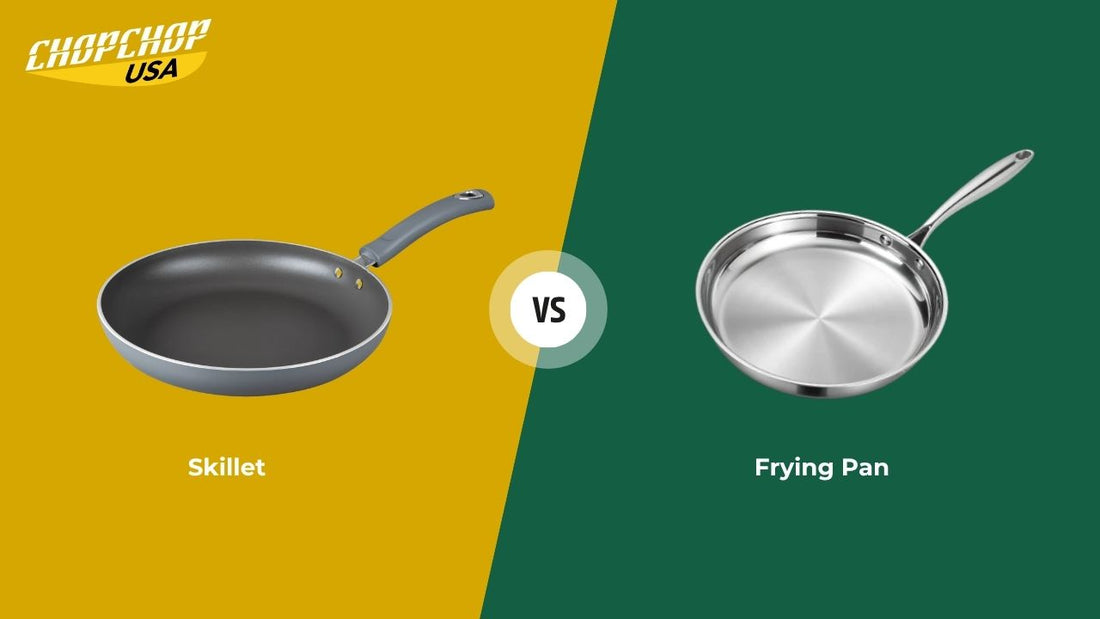
Credit: chopchopusa.com
Design Features
The design features of skillets and frying pans affect how they cook food. Each has unique traits that suit different cooking tasks. Understanding these features helps you choose the right pan for your kitchen.
Shape And Depth
Skillets usually have slightly higher, sloped sides. This shape holds liquids better and allows easy stirring. Frying pans have lower, flared sides. They make flipping and turning food easier. The depth difference changes how you use each pan.
Handle Style
Skillets often have a long handle plus a small helper handle. This helps lift heavier pans safely. Frying pans usually have just one long handle. The handle design affects how easy it is to move the pan around.
Material Differences
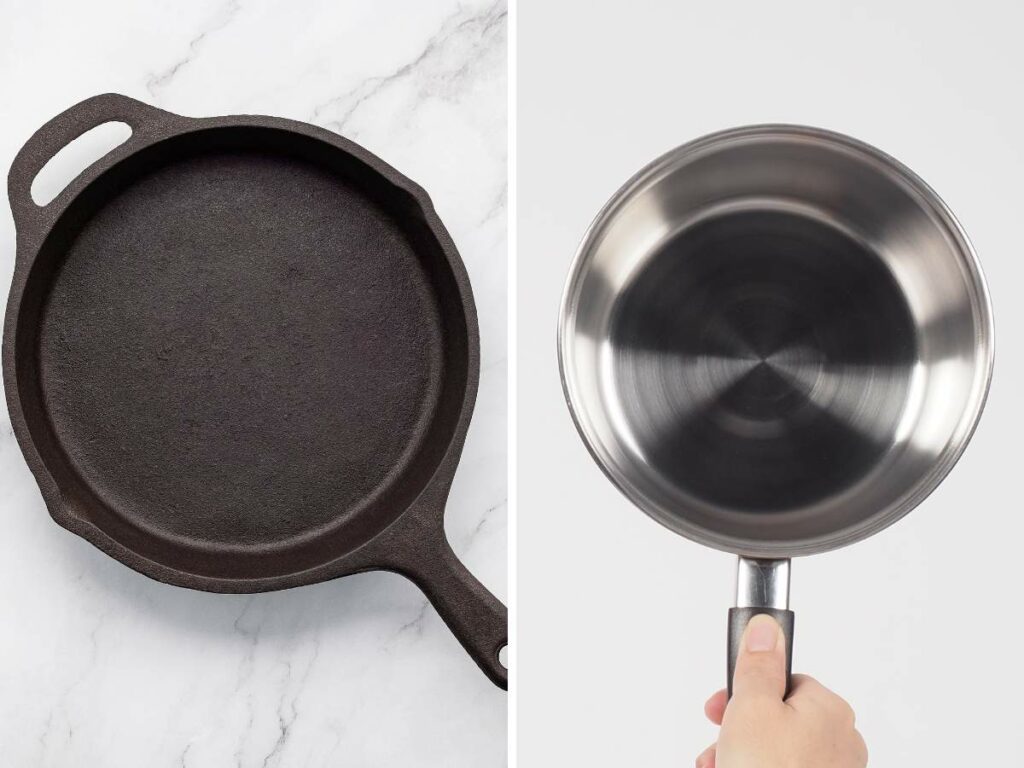
Skillets tend to be made from thicker metals like cast iron. This material holds heat well and cooks evenly. Frying pans come in lighter metals like aluminum or stainless steel. These heat up quickly and are easier to handle.
Cooking Performance
Cooking performance varies between a skillet and a frying pan. Each pan affects heat, cooking style, and food results. Understanding these differences helps in choosing the right tool.
Heat Distribution
A skillet often has thicker walls and a heavier base. This design spreads heat evenly across the surface. A frying pan usually has thinner sides. It heats up quickly but may have hot spots. Even heat means food cooks uniformly. Uneven heat can cause some parts to burn while others stay raw.
Cooking Techniques
Skillets suit slow cooking and searing. Their thick base holds heat longer. This helps when browning meat or simmering sauces. Frying pans are good for quick cooking. Their lighter weight makes flipping easy. Use a frying pan for sautéing vegetables or frying eggs.
Best Uses
Choose a skillet for dishes needing steady heat. Think stews, braises, and thick cuts of meat. Pick a frying pan for fast meals and delicate foods. Eggs, pancakes, and stir-fries cook well here. Each pan has a clear role in the kitchen.
Versatility In The Kitchen
Versatility in the kitchen means using tools that handle many cooking tasks. Both skillets and frying pans are common, but each has unique strengths. Understanding their versatility helps choose the right one for your meals.
Oven Compatibility
Skillets often have thicker handles and can go from stove to oven. This makes them great for recipes that start with searing and finish with baking. Frying pans usually have thinner handles and may not be safe for the oven. Check the material and handle design before placing any pan in the oven.
Dish Variety
Skillets can cook a wide range of dishes. Their deep sides hold sauces and vegetables well. Frying pans work best for quick frying and sautéing foods like eggs or pancakes. Skillets handle heavier meals like stews or braises more easily than frying pans.
Cleaning And Maintenance
Skillets, especially cast iron, need careful cleaning to keep their seasoning. Avoid soap and dry them quickly. Frying pans are often easier to clean and many are dishwasher safe. Choose based on your time and cleaning preference.

Credit: deliciouslyrushed.com
Choosing Between Them
Choosing between a skillet and a frying pan depends on several factors. Both have unique features that suit different cooking styles and needs. Understanding these can help you pick the right one for your kitchen.
Think about what you cook most often and how each pan fits into your routine. Consider space and money too. These points will guide your choice effectively.
Personal Cooking Needs
Skillets usually have thicker sides and a heavier build. They hold heat well and work great for searing and slow cooking. Frying pans are lighter and have sloped sides. They are better for quick frying and flipping food.
Choose a skillet if you cook dishes that need even heat over time. Pick a frying pan for everyday frying and easy food turning.
Budget Considerations
Prices vary between skillets and frying pans. Skillets often cost more due to heavy materials like cast iron. Frying pans come in many affordable options, such as non-stick or stainless steel.
Set a budget before buying. Spend more on a skillet if you want durability. Choose a frying pan for a cost-effective, versatile option.
Storage And Space
Skillets are bulkier and heavier, needing more storage space. They may not fit well in small kitchens. Frying pans are usually lighter and stack easily with other pans.
Consider your kitchen size. Pick a frying pan if space is limited. Choose a skillet if you have room and want a solid, long-lasting pan.
Credit: www.primaledgehealth.com
Frequently Asked Questions
What Defines A Skillet Compared To A Frying Pan?
A skillet usually has higher, slightly sloped sides and a wider cooking surface. This design allows for better heat retention and versatile cooking. Frying pans tend to have lower, more flared sides ideal for quick frying and flipping foods.
Can You Use A Skillet And Frying Pan Interchangeably?
Yes, you can often use them interchangeably in most recipes. However, skillets work better for dishes needing even heat and more space. Frying pans are best for quick frying and sautéing due to their shallow sides.
Which Cookware Heats Food More Evenly, Skillet Or Frying Pan?
Skillets generally heat food more evenly because of their thicker base and higher sides. This design retains heat better, allowing consistent cooking. Frying pans heat quickly but may not maintain uniform heat as well as skillets.
Are Skillets Better For Searing Meat Than Frying Pans?
Yes, skillets are typically better for searing meat. Their heavy construction and higher sides hold heat well, creating a good sear. Frying pans can sear but may not maintain heat as consistently during cooking.
Conclusion
Skillets and frying pans look alike but serve different purposes. Skillets have higher sides, good for cooking with sauces or stirring. Frying pans are flatter, perfect for quick frying or searing. Choosing the right pan helps cook food better and easier.
Both pans have a place in the kitchen. Know their uses to cook your meals well. Simple tools, but they make a big difference.

Hello, This is Annie Walker, a 38-year-old blogger, founder, and editor of Cookware Guider from NY, USA. I am a cookware fanatic and passionate cooker. I love to cook with different types of cooking appliances (example: all types of cookware, rice cookers, slow cookers, etc) almost every day in my kitchen. I love to share my experience with my readers in my blog. Also, I enjoy helping people to solve their problems through my website. You can follow me on Twitter & Pinterest. To know details about my blog please check the about us page.