
If you’ve ever wondered about the quality and origin of your Anolon cookware, you’re not alone. Knowing where your pots and pans are made can give you confidence in their durability and performance.
You want cookware that lasts and cooks evenly every time. You’ll discover exactly where Anolon cookware is made and why that matters for your kitchen. Keep reading to find out how this can impact your cooking experience and help you choose the best tools for your home.
Anolon Cookware Origins
Anolon cookware has earned a strong reputation for quality and durability. Many wonder where this trusted brand began and where its products are made. The story of Anolon cookware origins reveals a blend of expert design and skilled manufacturing. This background helps explain why Anolon stands out in the cookware market.
Anolon’s Beginnings
Anolon started as a brand focused on nonstick cookware. It was created by experienced cookware makers who wanted to improve cooking tools. The brand aimed to offer pots and pans that worked well and lasted long. This clear goal helped Anolon gain loyal customers quickly.
Where Is Anolon Cookware Made?
Anolon cookware is designed in the United States. The brand combines American design with global manufacturing. Most of the actual production happens in Asia, mainly in China. Factories there use advanced technology to ensure high-quality products. This approach keeps costs reasonable and quality consistent.
Quality Control And Manufacturing
- Strict quality checks: Each product undergoes careful inspection.
- High-grade materials: Anolon uses durable metals and coatings.
- Advanced manufacturing: Modern machines ensure precision and strength.
- Skilled workforce: Trained workers follow strict guidelines.
This attention to detail helps Anolon maintain a good reputation worldwide.
Evolution Over Time
Anolon cookware has evolved since its start. Early products focused on nonstick surfaces. Today, the brand offers various lines, including hard-anodized and stainless steel cookware. Each line maintains the brand’s core values of quality and reliability.
| Year | Development |
|---|---|
| 1980s | Brand launch, focus on nonstick cookware |
| 2000s | Introduction of hard-anodized cookware |
| 2010s | Expansion into stainless steel lines |
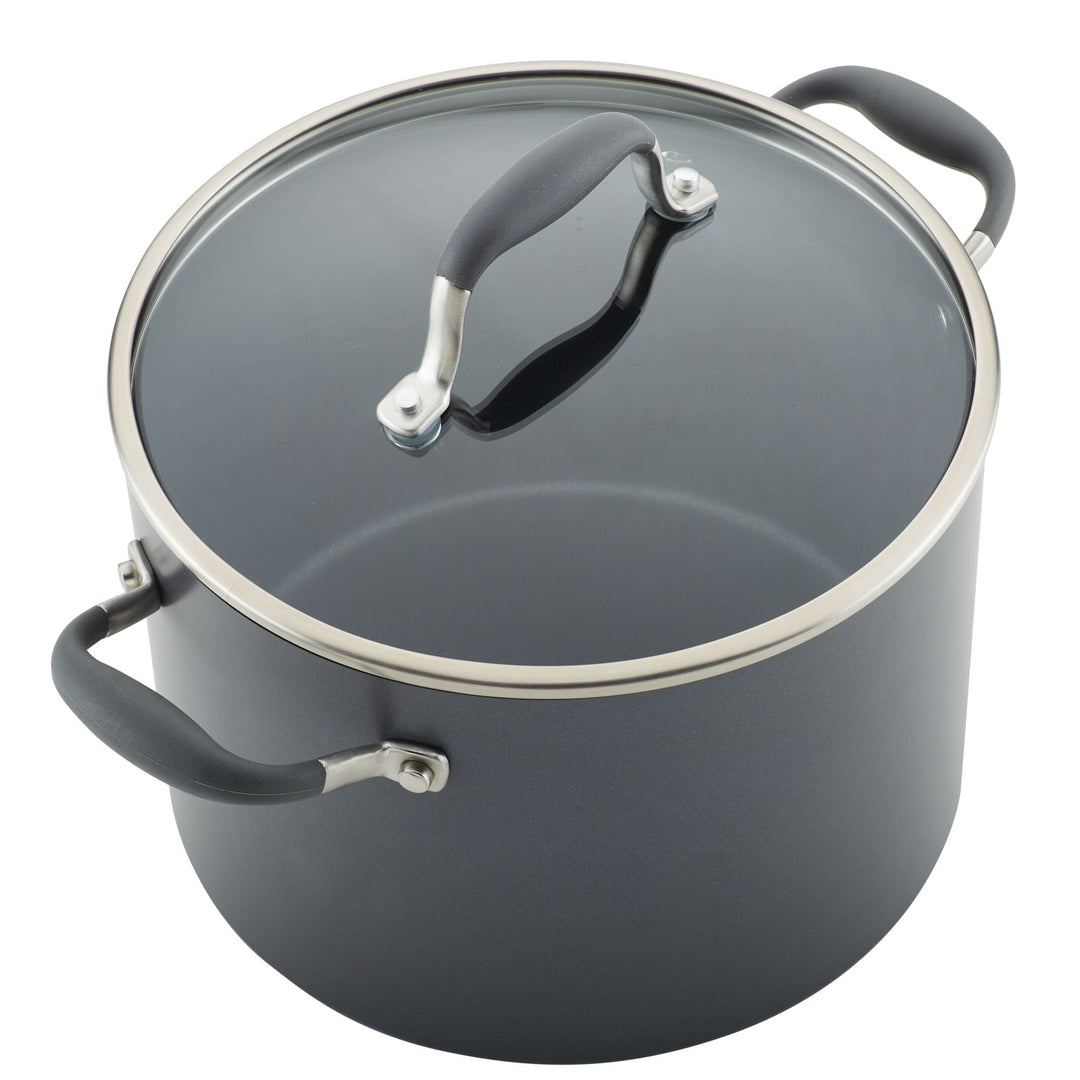
Credit: anolon.com
Manufacturing Locations
Manufacturing locations reveal where Anolon cookware is made and how quality is ensured. Knowing these places helps understand the brand’s commitment to durability and design. Anolon products are crafted using skilled labor and modern technology. The company uses a mix of its own factories and trusted partners worldwide.
Production Facilities
Anolon runs several production facilities that focus on different stages of cookware making. These facilities use advanced machines and strict quality controls. Each plant has a clear role in the creation process, from metal shaping to coating and finishing.
The main features of Anolon’s production facilities include:
- Metal forming: High-grade aluminum and stainless steel are shaped here.
- Non-stick coating: Durable coatings are applied in clean, controlled environments.
- Assembly: Handles and lids are added carefully to ensure safety and comfort.
- Quality testing: Products go through heat, durability, and performance tests.
| Facility Location | Main Function | Key Products |
|---|---|---|
| USA | Final assembly, quality control | High-end cookware sets, specialty pans |
| China | Metal forming, coating | Non-stick pans, skillets |
| Vietnam | Coating, packaging | Cookware with advanced surfaces |
These facilities work together to maintain consistent quality across all Anolon products. Skilled workers and technology keep the standards high.
Global Manufacturing Partners
Anolon partners with global manufacturers to expand production and improve efficiency. These partners are carefully selected for their expertise and strict quality rules. They help Anolon meet demand without losing product quality.
Key points about Anolon’s global partners:
- Experienced partners: Factories with a strong record in cookware production.
- Quality alignment: Partners follow Anolon’s standards and testing methods.
- Technology sharing: Use of cutting-edge tools and coatings.
- Ethical practices: Respect for labor laws and environmental rules.
Below is a summary of Anolon’s global manufacturing partnerships:
| Region | Partner Focus | Quality Control Measures |
|---|---|---|
| Asia | Mass production of non-stick cookware | Regular audits, sample testing |
| Europe | Specialty cookware and design | Strict compliance checks |
| North America | Final assembly and packaging | In-house and partner inspections |
These manufacturing partners help Anolon maintain its reputation. They balance cost, quality, and delivery times to ensure customer satisfaction worldwide.
Materials And Craftsmanship
Anolon cookware is known for its quality and durability. Understanding the materials and craftsmanship behind it helps explain why it performs well in kitchens. This section covers the types of metals used and the coating technologies applied to Anolon cookware. These elements play a big role in its cooking efficiency and lifespan.
Metal Types Used
Anolon cookware mainly uses heavy-gauge hard-anodized aluminum. This metal offers excellent heat distribution and durability. Hard-anodized aluminum is resistant to warping and scratching. It also stays lightweight, making pans easy to handle.
Some Anolon products also feature stainless steel. Stainless steel is known for its strength and corrosion resistance. It works well for cookware parts like lids and handles. Combining metals improves overall performance.
- Hard-Anodized Aluminum: Fast, even heating and long-lasting.
- Stainless Steel: Durable, rust-resistant, and easy to clean.
- Aluminum Core: Used in some models to enhance heat conduction.
| Metal Type | Benefits | Common Use in Anolon Cookware |
|---|---|---|
| Hard-Anodized Aluminum | Durable, scratch-resistant, lightweight, excellent heat conduction | Main body of pans and pots |
| Stainless Steel | Strong, rust-resistant, easy to maintain | Handles, lids, and some cookware bodies |
| Aluminum Core | Enhances heat distribution | Layer inside some stainless steel cookware |
Each metal type is chosen to improve cooking results and ensure the cookware lasts. Anolon’s selection reflects a balance of performance and ease of use.
Coating Technologies
Anolon uses advanced nonstick coatings to make cooking and cleaning easier. Their coatings are designed to last longer and resist scratching. This allows safer cooking with less oil and hassle.
The main coating technology is a multi-layer nonstick system. It includes several layers of tough, bonded material. This creates a smooth surface that prevents food from sticking.
- Durable Nonstick Surface: Resists peeling and flaking.
- Scratch Resistance: Can handle metal utensils in some collections.
- Safe and PFOA-Free: Meets modern safety standards.
Anolon also applies a special coating on the exterior of some cookware. This coating protects against stains and discoloration, keeping the pans looking new longer.
| Coating Type | Purpose | Benefits |
|---|---|---|
| Multi-Layer Nonstick | Prevent food from sticking | Easy cooking and cleaning, long-lasting |
| Scratch-Resistant Surface | Protect from utensil damage | Durability, maintains smooth surface |
| Exterior Protective Coating | Protect against stains and discoloration | Attractive appearance, easier maintenance |
The combination of metals and coatings in Anolon cookware results in reliable, high-quality kitchen tools. This focus on materials and craftsmanship supports consistent cooking performance.

Credit: www.amazon.com
Quality Control Measures
Quality control measures are key to making sure Anolon cookware meets high standards. These steps protect the cookware’s durability, safety, and performance. Anolon uses strict checks during and after production to keep quality consistent.
Manufacturing Inspections
Every Anolon cookware piece goes through several inspections. Workers check the materials and the manufacturing process closely. This helps catch problems early and keeps the cookware strong and even.
Material Testing
- Aluminum and stainless steel: Tested for purity and strength
- Nonstick coatings: Checked for safety and durability
- Handles and lids: Examined for heat resistance and fit
These tests ensure only safe, reliable materials are used in every product.
Performance Testing
- Heat distribution is tested to ensure even cooking.
- Nonstick surfaces are checked for easy food release.
- Handles are tested to stay cool and remain secure.
Performance tests confirm the cookware works well in real kitchens.
Final Quality Checks
| Check | Purpose | Method |
|---|---|---|
| Visual inspection | Find scratches or defects | Manual and machine scans |
| Weight check | Ensure correct size and balance | Precision scales |
| Packaging test | Protect during shipment | Drop tests and material strength |
These final steps make sure each piece is perfect before shipping.
Impact Of Manufacturing On Product Quality
Where Anolon cookware is made plays a big role in its quality and performance. The impact of manufacturing on product quality shows in the cookware’s durability, heat distribution, and coating. Factories with strict quality controls produce better cookware that lasts long and cooks evenly.
Manufacturing Location And Quality Control
Anolon cookware is mainly made in China, where the company works closely with factories. These factories follow strict quality control standards. The process includes careful inspection of materials and finished products. This step ensures each pan and pot meets high standards.
Materials Used In Production
Anolon uses hard-anodized aluminum for most cookware. This material offers excellent heat conduction and is very durable. Factories carefully process the aluminum to create a hard surface that resists scratches and warping. The quality of raw materials directly affects the cookware’s strength and cooking performance.
Manufacturing Techniques That Improve Durability
- Hard-Anodizing: Increases metal strength and corrosion resistance.
- Multi-layer Coating: Adds non-stick surfaces that last longer.
- Precision Assembly: Ensures handles and lids fit securely.
These techniques reduce damage and improve the cookware’s lifespan. They help Anolon maintain a strong reputation for quality.
Impact On Cooking Performance
| Manufacturing Aspect | Effect on Cooking |
|---|---|
| Material Quality | Even heat distribution and long-lasting cookware |
| Coating Process | Non-stick surface that is easy to clean |
| Assembly Accuracy | Comfortable handles and tight-fitting lids |
Good manufacturing leads to better heat control and user experience. Poor manufacturing causes uneven heating and quicker wear.
Comparisons With Other Cookware Brands
Many people wonder where Anolon cookware is made and how it compares to other brands. Anolon products are primarily manufactured in China and Taiwan, where the company ensures strict quality control. The brand focuses on durable materials and non-stick coatings. Comparing Anolon to other cookware brands helps buyers choose the best set for their kitchen needs.
Material Quality And Durability
Anolon cookware uses hard-anodized aluminum, which offers excellent heat distribution and durability. Other brands might use stainless steel, cast iron, or cheaper aluminum. Hard-anodized aluminum resists scratches and warping better than regular aluminum.
- Anolon: Hard-anodized aluminum, scratch-resistant coating
- Calphalon: Similar hard-anodized aluminum but less non-stick coating layers
- Cuisinart: Stainless steel or aluminum, less durable non-stick
Non-stick Coating Performance
Anolon offers multi-layer non-stick coatings that last longer and clean easily. Some brands use fewer layers or less durable coatings, causing peeling or sticking after months. Anolon’s coating performs well in regular household cooking.
| Brand | Coating Layers | Durability | Ease of Cleaning |
|---|---|---|---|
| Anolon | 3-4 layers | High | Very Easy |
| GreenPan | 2-3 layers | Medium | Easy |
| T-fal | 1-2 layers | Low-Medium | Moderate |
Price And Value
Anolon cookware is often priced in the mid to high range. The brand balances quality and cost effectively. Some cheaper brands offer lower prices but may compromise durability. Premium brands cost more but don’t always offer better non-stick performance.
- Budget: T-fal, cheaper but less durable
- Mid-range: Anolon, Calphalon – good durability and coating
- Premium: All-Clad – excellent materials, higher price
Design And Usability
Anolon designs focus on comfort and control. Handles stay cool and offer a firm grip. Many sets have lids that fit tightly and are oven safe. Other brands may lack ergonomic handles or oven-safe features.
- Ergonomic, cool-touch handles
- Oven safe up to 400°F or more
- Tight-fitting tempered glass lids

Credit: www.ubuy.com.ru
Frequently Asked Questions
Where Is Anolon Cookware Manufactured?
Anolon cookware is primarily made in China. The brand ensures strict quality control to meet high manufacturing standards. Some premium lines may have parts sourced from other countries but are assembled in China to maintain consistency.
Is Anolon Cookware Made In The Usa?
No, Anolon cookware is not made in the USA. The brand focuses on overseas manufacturing, mainly in China, to keep costs competitive while ensuring quality through rigorous inspections.
What Materials Are Used In Anolon Cookware?
Anolon cookware uses hard-anodized aluminum, stainless steel, and non-stick coatings. These materials provide durability, even heat distribution, and ease of cleaning for everyday cooking needs.
Are Anolon Pans Dishwasher Safe?
Most Anolon pans are dishwasher safe. However, hand washing is recommended to prolong the non-stick coating’s life and maintain the cookware’s appearance and performance.
Conclusion
Anolon cookware is made with care and quality materials. The brand mainly produces its pots and pans in China and Taiwan. These locations help keep costs low while maintaining good standards. Many cooks trust Anolon for durability and performance. Knowing where it is made helps buyers feel confident.
You can enjoy cooking with this reliable cookware every day. Choose Anolon if you want strong, well-made kitchen tools. Simple, practical, and designed to last.

Hello, This is Annie Walker, a 38-year-old blogger, founder, and editor of Cookware Guider from NY, USA. I am a cookware fanatic and passionate cooker. I love to cook with different types of cooking appliances (example: all types of cookware, rice cookers, slow cookers, etc) almost every day in my kitchen. I love to share my experience with my readers in my blog. Also, I enjoy helping people to solve their problems through my website. You can follow me on Twitter & Pinterest. To know details about my blog please check the about us page.