
When you cook, the cookware you choose affects not just the taste of your food but also your health. Have you ever wondered what the safest material for cookware really is?
Picking the right pots and pans can protect you from harmful chemicals and keep your meals pure and delicious. You’ll discover which materials are best for your kitchen and why they matter. Keep reading to make smarter, healthier choices for you and your family every time you cook.
Common Cookware Materials
Cookware comes in many materials. Each has its own benefits and risks. Knowing the common materials helps you choose safe pots and pans. Safety means less chance of harmful chemicals or metals entering food.
Materials also affect cooking style and care. Some heat fast, some hold heat well. Some need special cleaning, others do not. Let’s explore the most common cookware materials to find which suits you best.
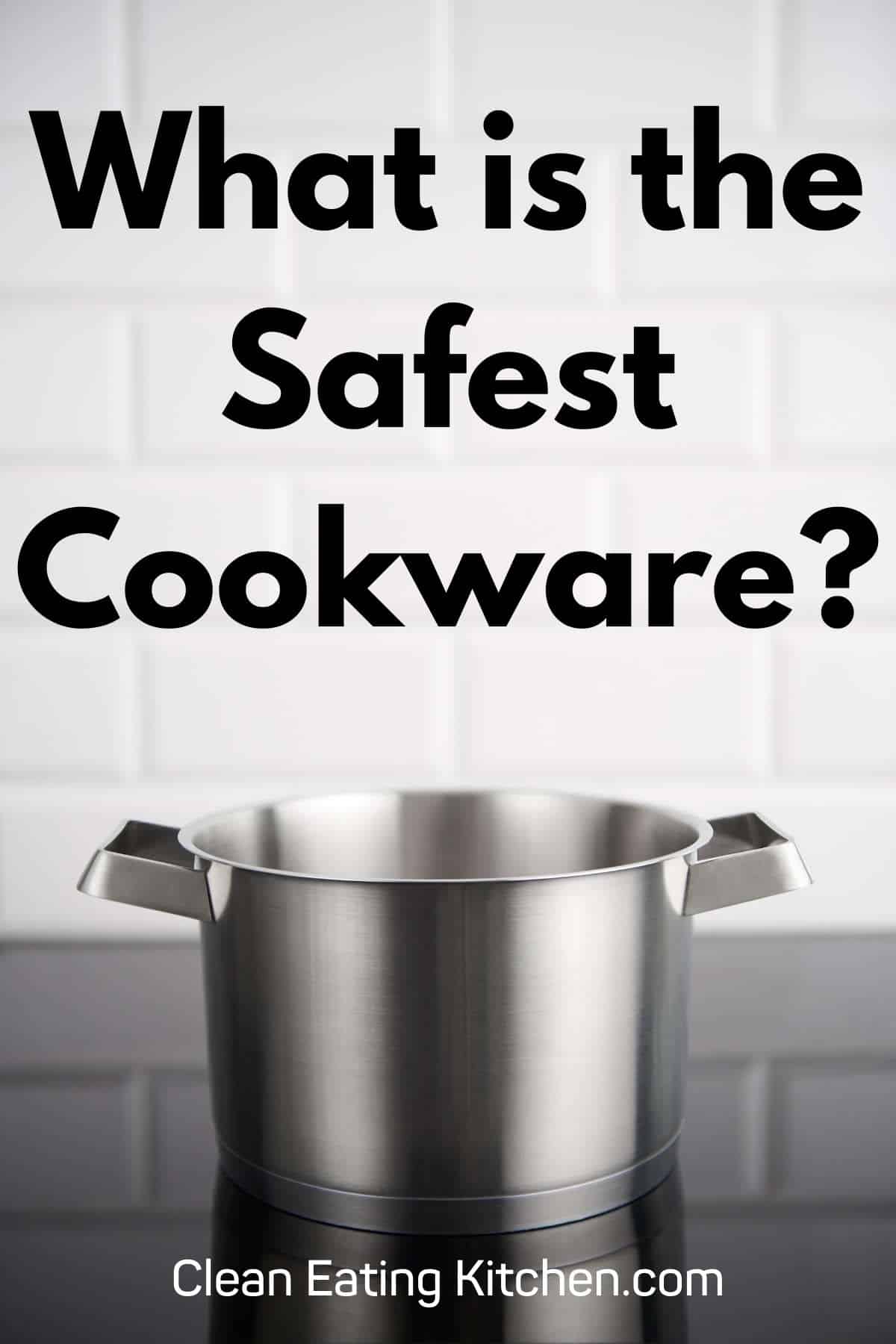
Stainless Steel
Stainless steel is strong and does not react with food. It lasts a long time without rusting. It heats evenly but not too fast. Many cooks like it for sauces and frying. It is easy to clean and dishwasher safe. Safe and reliable for everyday use.
Cast Iron
Cast iron holds heat very well and cooks food evenly. It can last for decades with proper care. It adds a small amount of iron to food, which can be good. Needs seasoning to keep food from sticking. Heavy but very durable. Good for frying and slow cooking.
Nonstick Coatings
Nonstick pans need less oil for cooking. They are easy to clean and prevent food from sticking. Some nonstick coatings can release fumes if overheated. Choose pans with safe, PFOA-free coatings. Avoid scraping with metal utensils to protect the surface.
Ceramic
Ceramic cookware has a smooth, nonstick surface. Made from natural minerals and free from toxic chemicals. It heats evenly and cleans easily. May chip or crack if dropped. A safer nonstick option for many kitchens. Works well for low to medium heat cooking.
Copper
Copper heats very fast and controls temperature well. It often has a lining of stainless steel or tin inside. Pure copper can react with acidic food, so lining is important. Copper cookware looks beautiful but needs polishing. Great for precise cooking but requires more care.
Aluminum
Aluminum heats quickly and evenly. It is lightweight and affordable. Raw aluminum can react with acidic foods and change taste. Anodized aluminum is safer and more durable. Easy to clean and good for many recipes. Avoid scratched or worn aluminum cookware.
Health Risks Linked To Cookware
Cookware can affect your health in many ways. Some materials release harmful substances during cooking. Knowing these risks helps you choose safer pots and pans.
Chemical Leaching
Some cookware coatings break down with heat. Chemicals like PFOA and PTFE can leach into food. Long-term exposure may cause health problems. Avoid scratched or damaged non-stick pans to reduce risk.
Heavy Metal Exposure
Certain metals in cookware can seep into food. Aluminum, lead, and cadmium are common culprits. These metals may harm organs and cause illness. Choose cookware with safe metal coatings or made from stainless steel or cast iron.
Toxic Fumes
Overheated non-stick pans can release toxic fumes. These fumes can cause flu-like symptoms in people. Always cook at recommended temperatures. Use ventilated areas to keep air clean.
Safe Material Characteristics
Choosing the right cookware means focusing on safe material characteristics. These traits ensure your food stays healthy and your kitchen stays clean. Safe cookware materials protect you from harmful chemicals and last a long time. They also make cooking easier and cleanup faster.
Non-toxic Composition
Safe cookware must be free from harmful chemicals. Materials like stainless steel, cast iron, and ceramic do not release toxins. Avoid materials with lead, cadmium, or PFOA. Non-toxic cookware keeps your food pure and healthy. It does not react with acidic or alkaline foods.
Durability And Heat Resistance
Cookware should handle high heat without warping or breaking. Durable materials like cast iron and stainless steel last for years. They spread heat evenly, preventing hot spots. Heat resistance means the cookware stays safe at cooking temperatures. This helps avoid damage and maintains food quality.
Ease Of Cleaning
Safe cookware is easy to clean without harsh chemicals. Smooth surfaces like stainless steel and ceramic prevent food from sticking. This reduces the need for scrubbing and strong detergents. Easy cleaning keeps the cookware safe and ready for the next meal. It also helps avoid bacteria buildup in your kitchen.
Credit: www.cleaneatingkitchen.com
Best Safe Cookware Choices
Choosing safe cookware matters for your health and cooking. Some materials keep food pure and avoid harmful chemicals. The best safe cookware types last long and work well on many stoves.
These options do not release toxins or metals into food. They also handle heat evenly, so your meals cook better. Here are three top safe cookware choices.
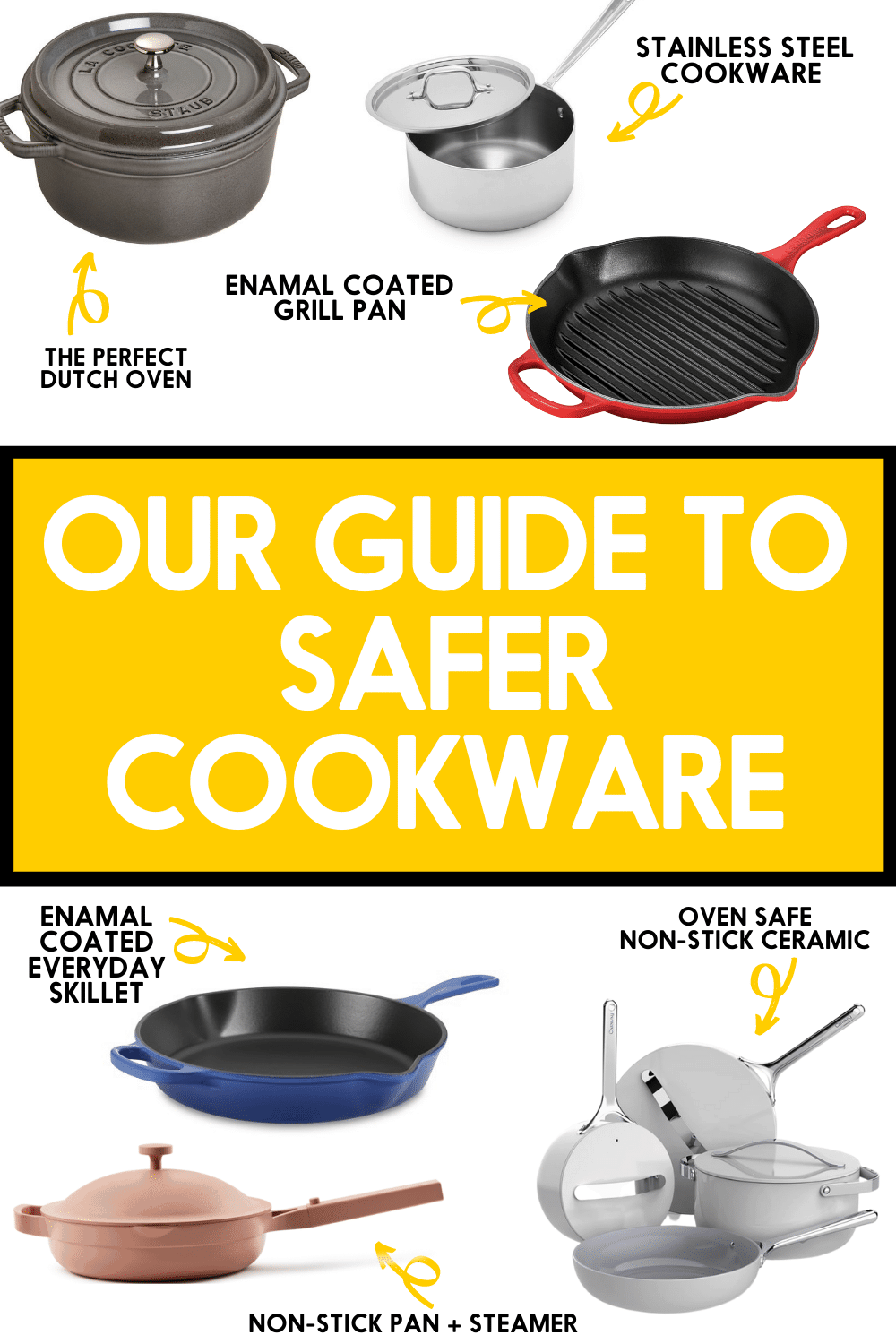
Enameled Cast Iron
Enameled cast iron has a smooth coating that stops rust. It does not react with acidic foods like tomato sauce. This cookware keeps heat steady and cooks food evenly. Cleaning is easy because food does not stick. It suits slow cooking and baking well.
High-quality Stainless Steel
Stainless steel is strong and does not leach metals into food. Look for high-quality types with a thick base. They heat up fast and hold heat well. Stainless steel pans are great for frying and boiling. They are dishwasher safe and last many years.
100% Ceramic Cookware
Pure ceramic cookware comes from natural clay and minerals. It has no metal or chemicals inside. Ceramic heats gently and keeps food warm longer. This cookware is perfect for baking and simmering. It also cleans easily with soap and water.
Materials To Avoid
Choosing the right cookware material is important for health and cooking quality. Some materials can release harmful substances or wear down quickly. Avoiding unsafe cookware helps keep your meals healthy and tasty. Below are common materials to avoid when selecting cookware.
Teflon And Other Nonstick Chemicals
Teflon contains chemicals that can release toxic fumes when overheated. These fumes may cause flu-like symptoms in people. Scratched or old nonstick pans can shed harmful particles into food. Safer nonstick options use ceramic or other natural coatings.
Uncoated Aluminum
Uncoated aluminum reacts with acidic foods like tomatoes or vinegar. This reaction can change the taste and color of your meals. Aluminum can also leach into food, which may affect health over time. Anodized or coated aluminum is a safer choice.
Low-quality Copper
Low-quality copper cookware can release copper into food. Excess copper intake can cause stomach problems and other health issues. Copper pans must have a safe lining, like stainless steel, to avoid contact with food. Only buy copper cookware from trusted brands.
Credit: lexiscleankitchen.com
Tips For Maintaining Cookware Safety
Maintaining cookware safety is essential for healthy cooking and long-lasting pots and pans. Proper care helps prevent harmful chemicals from leaching into food. It also keeps your cookware in good shape for many meals. Follow simple tips to ensure your cookware stays safe and effective.
Proper Cleaning Techniques
Clean cookware after each use to avoid residue buildup. Use mild dish soap and warm water. Avoid harsh scrubbers that can scratch surfaces. For stuck food, soak the cookware before washing. Dry thoroughly to stop rust and bacteria growth.
Avoiding Overheating
Do not heat empty cookware. High heat can damage coatings and release toxins. Use medium or low heat for better control. Overheating can warp metal or break non-stick surfaces. Always follow the manufacturer’s temperature guidelines.
Regular Inspection For Damage
Check cookware regularly for scratches, cracks, or peeling. Damaged surfaces can release harmful substances into food. Replace cookware that shows signs of wear. Keep an eye on handles and lids for stability. Safe cookware means safe cooking every day.
Emerging Cookware Technologies
New technologies are changing the way cookware is made. These innovations focus on safety, durability, and eco-friendliness. Understanding these emerging materials helps you choose better cookware for your kitchen. Here are some of the latest trends in cookware technology.
Nano-coatings
Nano-coatings use tiny particles to create a strong, smooth surface on cookware. This surface resists scratches and stops food from sticking. Nano-coatings can also reduce the need for harmful chemicals. They make cleaning easier and keep cookware safe for cooking.
Glass-based Cookware
Glass cookware is gaining attention for its safety and health benefits. It does not release toxins or metals into food. Glass heats evenly and shows the cooking process clearly. It is easy to clean and does not absorb odors or stains.
Sustainable Materials
Cookware made from sustainable materials helps protect the environment. Materials like recycled metals and bamboo are becoming popular. These choices reduce waste and lower pollution. Sustainable cookware often lasts longer and is safer to use.

Credit: www.thinkitchen.in
Frequently Asked Questions
What Is The Safest Cookware Material For Health?
The safest cookware material is stainless steel. It does not leach harmful chemicals into food. It is durable and non-reactive, making it ideal for everyday use.
Are Non-stick Pans Safe For Cooking?
Non-stick pans are generally safe if used correctly. Avoid overheating them, as high temperatures can release toxic fumes. Choose PFOA-free coatings for safer cooking.
Is Cast Iron Cookware Safe For All Foods?
Yes, cast iron is safe and adds iron to your food. It is durable and naturally non-stick when seasoned properly. Avoid cooking acidic foods frequently to protect the seasoning.
Why Is Ceramic Cookware Considered Safe?
Ceramic cookware is made from natural materials and is free from toxic chemicals. It offers a non-stick surface without harmful coatings. It is safe for high-heat cooking and easy to clean.
Conclusion
Choosing safe cookware matters for your health and cooking quality. Materials like stainless steel, cast iron, and ceramic offer safety and durability. Avoid cookware that may release harmful chemicals or metals. Clean and maintain your pots and pans properly. Safe cookware helps keep your meals healthy and tasty.
Remember, good cookware supports good cooking habits. Select wisely to enjoy cooking with peace of mind. Your kitchen deserves the best, safest tools.

Hello, This is Annie Walker, a 38-year-old blogger, founder, and editor of Cookware Guider from NY, USA. I am a cookware fanatic and passionate cooker. I love to cook with different types of cooking appliances (example: all types of cookware, rice cookers, slow cookers, etc) almost every day in my kitchen. I love to share my experience with my readers in my blog. Also, I enjoy helping people to solve their problems through my website. You can follow me on Twitter & Pinterest. To know details about my blog please check the about us page.