
When it comes to cooking, you want cookware that is not only easy to use but also safe for you and your family. If you’ve been eyeing Farberware nonstick cookware, you’re probably wondering: Is it really safe?
You might worry about chemicals, durability, or how it affects your food. This article will clear up all your doubts and help you decide if Farberware nonstick pans deserve a spot in your kitchen. Keep reading to find out everything you need to know before making your next cookware purchase.

Credit: www.amazon.com
Farberware Nonstick Basics
Understanding the basics of Farberware nonstick cookware is key to knowing if it is safe for daily use. Farberware offers a range of pots and pans designed to make cooking easier and cleaning quicker. These products feature nonstick surfaces that prevent food from sticking, reducing the need for excess oil or butter. This section breaks down what materials Farberware uses and the types of nonstick coatings applied to their cookware. Knowing these details helps you make informed decisions about your kitchen tools and health.
Materials Used
Farberware nonstick cookware typically combines strong base materials with a smooth nonstick surface. The main materials include:
- Aluminum: Lightweight and heats quickly and evenly, making it a popular choice.
- Stainless Steel: Sometimes used in the base or handles for durability and heat resistance.
- Hard-Anodized Aluminum: A tougher form of aluminum that resists scratches and corrosion.
The combination of these materials ensures good heat distribution and durability. For example, aluminum cores provide fast heating, while stainless steel parts offer strength and a sturdy feel. Hard-anodized aluminum is especially common in Farberware’s mid to high-end products because it lasts longer and resists dents.
The table below summarizes key material features:
| Material | Benefits | Common Use |
|---|---|---|
| Aluminum | Lightweight, fast heating, good heat conduction | Cookware body |
| Stainless Steel | Durable, heat resistant, corrosion resistant | Handles, base |
| Hard-Anodized Aluminum | Scratch resistant, long-lasting, corrosion resistant | Cookware body |
Types Of Nonstick Coatings
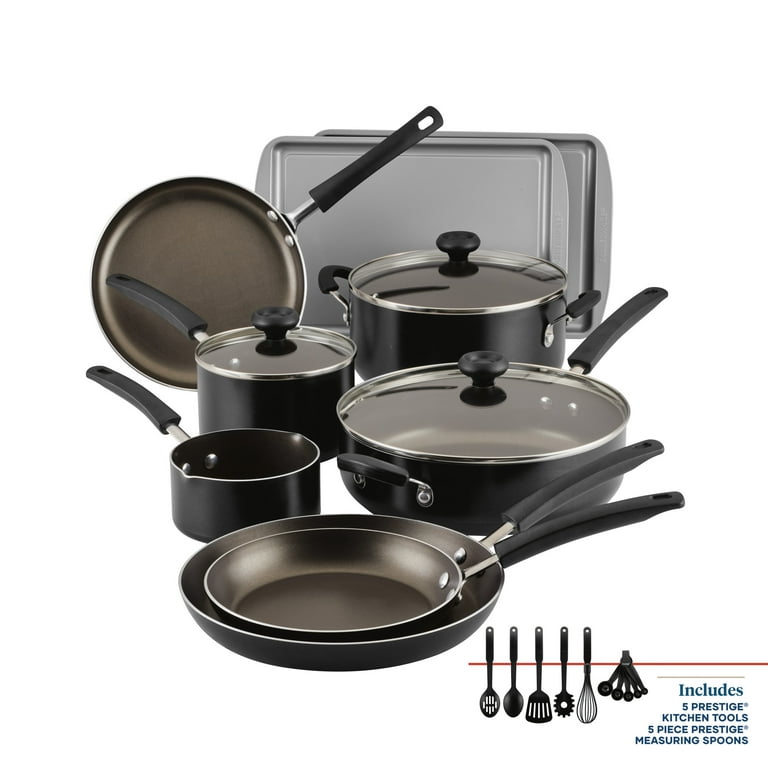
Farberware uses several types of nonstick coatings to make cooking and cleaning easier. The coatings differ in durability, safety, and performance. The common types include:
- PTFE (Polytetrafluoroethylene): A popular nonstick coating that provides smooth release of food. It is safe when used below 500°F.
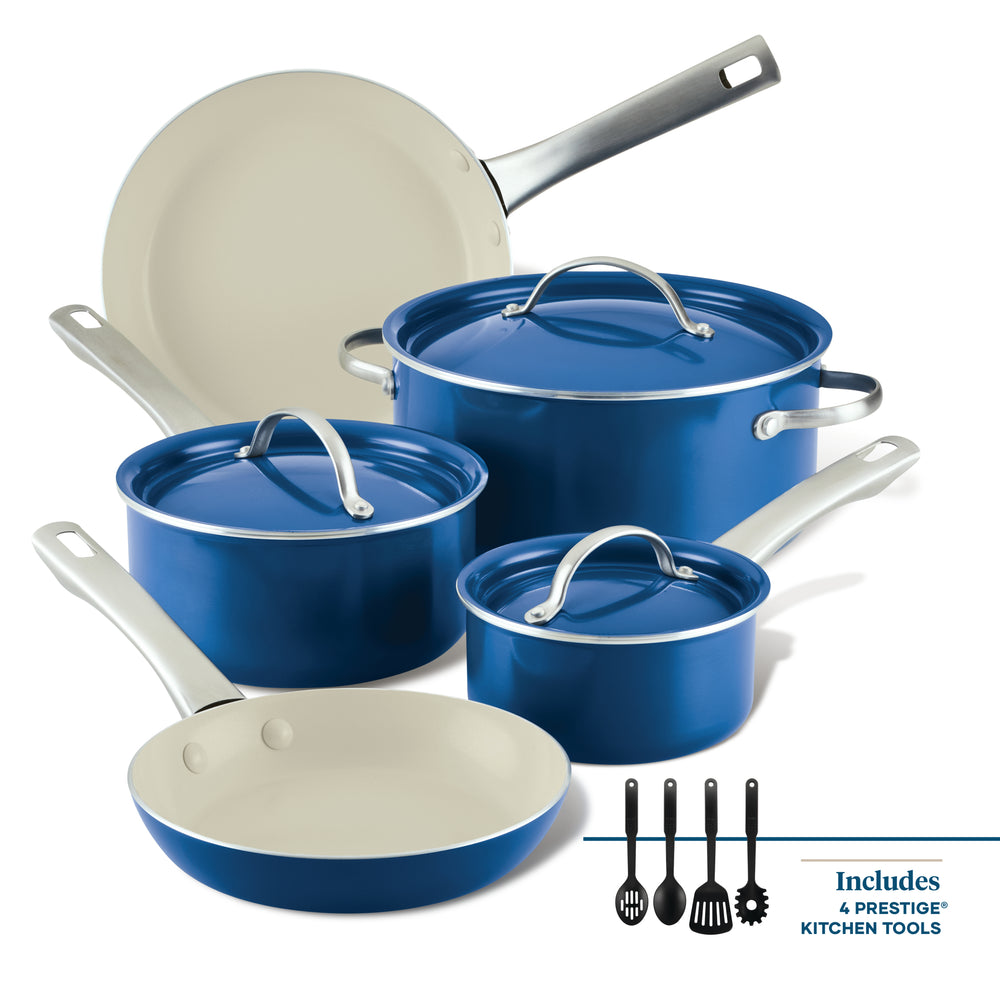
- Ceramic Coating: Made from inorganic materials, it is free of PTFE and PFOA. Offers good nonstick properties and is more environmentally friendly.
- PFOA-Free Coatings: Farberware ensures their coatings do not use PFOA, a chemical once linked to health concerns.
Each coating has pros and cons. PTFE coatings are very slick but may degrade if overheated. Ceramic coatings resist high heat but can wear faster. Farberware labels their products clearly, so buyers can choose based on their needs.
Here is a comparison table of Farberware’s main nonstick coatings:
| Coating Type | Key Feature | Heat Resistance | Safety Notes |
|---|---|---|---|
| PTFE | Very smooth, easy food release | Up to 500°F | Avoid overheating to prevent fumes |
| Ceramic | Non-toxic, eco-friendly | Up to 600°F | Less durable, avoid metal utensils |
| PFOA-Free | Safe coating without harmful chemicals | Varies by coating | Approved for regular home use |
Credit: www.walmart.com
Safety Concerns
Safety concerns often arise when discussing nonstick cookware like Farberware. Many wonder if these pans are truly safe for daily cooking. Understanding the materials, heat tolerance, and health risks is key. This section breaks down these factors clearly. It helps you make a smart choice for your kitchen and family health.
Chemical Composition
Farberware nonstick cookware typically uses a coating made from PTFE (polytetrafluoroethylene). PTFE is a common nonstick material known for its slick surface. It prevents food from sticking and requires less oil during cooking. This chemical is generally stable and safe at normal cooking temperatures.
Here are some key points about the chemical composition:
- PTFE coating: The main nonstick layer on Farberware pans.
- Aluminum base: Provides quick and even heating.
- No PFOA: Farberware states their products are PFOA-free. PFOA is a harmful chemical once used in older nonstick coatings.
The absence of PFOA is important. PFOA has been linked to health problems and is now mostly banned. Farberware’s commitment to being PFOA-free adds a safety layer. Still, PTFE coatings can degrade if overheated. This breakdown may release fumes.
| Component | Description | Safety Notes |
|---|---|---|
| PTFE | Nonstick coating | Safe below 500°F; releases fumes if overheated |
| Aluminum | Cookware base | Lightweight, good heat conductor |
| PFOA | Former chemical in older coatings | Not used in Farberware; linked to health risks |
Heat Resistance
Heat resistance affects both safety and cookware durability. Farberware nonstick pans work best at medium to medium-high heat. Overheating can damage the coating and release harmful fumes. The PTFE layer can start to break down at temperatures above 500°F (260°C).
Here are important heat resistance facts:
- Safe cooking range: Up to about 450°F (232°C).
- Avoid empty heating: Do not heat an empty pan on high heat.
- Use moderate heat: Medium heat maintains coating integrity.
- Oven use: Some Farberware pans are oven safe, but check limits (usually 350°F to 400°F).
Using high heat can cause the coating to degrade faster. This affects nonstick performance and could pose health risks. Users should follow manufacturer guidelines carefully. Proper heat control extends the life of the pan and keeps cooking safe.
| Heat Level | Temperature Range | Effect on Farberware Cookware |
|---|---|---|
| Low | Below 300°F (149°C) | Safe, maintains coating |
| Medium | 300°F to 450°F (149°C to 232°C) | Ideal cooking range |
| High | Above 450°F (232°C) | Risk of coating damage and fumes |
Potential Health Risks
Potential health risks from Farberware nonstick cookware relate mostly to overheating. When PTFE coatings exceed safe temperatures, they may release toxic fumes. These fumes can cause flu-like symptoms called “polymer fume fever.” This condition is rare and usually occurs only in extreme cases.
Key health risk points include:
- Fume exposure: Dangerous only if pans are overheated beyond 500°F.
- Inhalation risk: Mainly affects birds and people with respiratory issues.
- Scratches and wear: Damaged coatings can flake off into food but are considered non-toxic.
- Safe use tips: Avoid high heat and metal utensils to protect the coating.
Farberware nonstick pans are generally safe when used correctly. The biggest health risk comes from misuse, such as overheating or scratching the surface. Proper care avoids most concerns. Users should replace pans when the coating shows signs of wear.
| Risk | Cause | Prevention |
|---|---|---|
| Polymer fume fever | Overheating PTFE coating | Cook at medium heat; avoid empty pans |
| Coating flaking | Scratches or wear | Use wooden or silicone utensils; replace old pans |
| Respiratory irritation | Inhaling fumes from overheated pans | Ensure good ventilation; avoid overheating |
Comparing Farberware To Other Brands
Choosing safe and reliable cookware matters to every kitchen. Farberware nonstick cookware often appears in this discussion. Comparing Farberware to other brands helps understand its value and safety. This section looks closely at its durability, toxicity levels, and user reviews versus competitors.
Durability
Durability shows how long cookware lasts and holds up under daily use. Farberware nonstick pans usually feature aluminum or stainless steel bases with nonstick coatings. These materials offer decent strength but vary by model.
- Farberware: Many models use triple-layer nonstick coatings for extra protection.
- Other Brands: Higher-end brands sometimes use ceramic or hard-anodized aluminum, which resist scratches better.
Below is a simple comparison table of durability features:
| Brand | Coating Type | Scratch Resistance | Heat Tolerance |
|---|---|---|---|
| Farberware | Triple-layer PTFE | Moderate | Up to 400°F |
| T-fal | Hard-anodized nonstick | High | Up to 500°F |
| Calphalon | Ceramic nonstick | Moderate to high | Up to 450°F |
Farberware performs well for everyday cooking but may wear faster than premium brands. Using wooden or silicone utensils helps keep the coating intact. Proper cleaning and avoiding high heat increase lifespan.
Toxicity Levels
Cookware safety depends on the materials used and chemical release during cooking. Farberware nonstick pans use PTFE coatings, which are generally safe at normal cooking temperatures.
- Farberware coatings are PFOA-free, a chemical linked to health risks.
- PTFE is stable below 500°F, preventing toxic fumes.
- Overheating any nonstick pan risks releasing harmful fumes.
Comparison of toxicity safety features:
| Brand | PFOA-Free | PFAS Use | Safe Cooking Temp |
|---|---|---|---|
| Farberware | Yes | Uses PTFE | Up to 500°F |
| Lodge (Cast Iron) | Not applicable | No PFAS | High heat safe |
| GreenPan | Yes | Ceramic (PFAS free) | Up to 600°F |
Farberware is safe under normal use but needs careful heating control. Brands with ceramic coatings avoid PTFE and PFAS chemicals but may be less nonstick. Cast iron offers chemical-free cooking but requires seasoning.
User Reviews
User feedback reveals real-life experiences with Farberware and other brands. Farberware often earns praise for affordability and ease of use.
- Positives: Users like quick heating and decent nonstick performance.
- Negatives: Some report coating wear after 1-2 years.
- Other brands: High-end pans get better durability but cost more.
Common themes from reviews:
- Farberware suits casual cooks and small households well.
- Heavy use or metal utensils shorten pan life.
- Brands like T-fal and Calphalon last longer but ask for more investment.
Many users recommend Farberware for value and safety when handled properly. Cleaning with gentle sponges and avoiding high heat extends usability. For long-term durability, some choose brands with advanced coatings despite higher prices.
Credit: farberwarecookware.com
Care And Maintenance Tips
Proper care and maintenance play a vital role in keeping Farberware nonstick cookware safe and effective. Following the right steps ensures the nonstick surface lasts longer and stays free from harmful residues. Simple habits during cleaning and use protect the cookware from damage and maintain its performance over time. This section offers practical tips to clean, avoid damage, and extend the life of your Farberware nonstick pots and pans.
Cleaning Methods
Cleaning Farberware nonstick cookware correctly helps preserve its coating and safety. Avoid harsh scrubbing or abrasive cleaners that can scratch the surface. Use warm, soapy water and a soft sponge or cloth for daily cleaning. For stuck-on food, soak the cookware in warm water first.
- Use mild dish soap and warm water.
- Clean with a soft sponge or cloth.
- Soak cookware before scrubbing tough residue.
- Rinse thoroughly to remove all soap.
- Dry with a soft towel to prevent water spots.
For stubborn stains or grease, baking soda provides a gentle cleaning option. Make a paste with water, apply it, and let it sit for 15 minutes before wiping. Avoid steel wool or metal brushes as they damage the nonstick surface.
| Cleaning Tool | Recommended Use |
|---|---|
| Soft sponge or cloth | Daily cleaning, gentle on coating |
| Baking soda paste | Removing tough stains without scratching |
| Steel wool or metal brush | Not recommended; damages coating |
Avoiding Damage
Protecting Farberware nonstick cookware from damage ensures its safety and functionality. Avoid overheating the pans, as very high heat can break down the nonstick coating. Use low to medium heat settings for cooking.
Metal utensils can scratch and harm the surface. Choose silicone, wooden, or plastic utensils instead. Also, avoid stacking pans without protection to prevent scratches.
- Cook on low to medium heat only.
- Use non-metal utensils such as wood or silicone.
- Do not use sharp or abrasive tools on the surface.
- Store pans carefully to avoid scratches.
- Never spray cooking sprays directly on the surface; they build residue.
Check the cookware regularly for chips or peeling. Discontinue use if the nonstick coating shows severe wear to avoid health risks.
Extending Cookware Life
Extending the life of Farberware nonstick cookware means better safety and saving money. Seasoning the pans before first use creates a protective layer. Lightly rub cooking oil on the surface and heat it for a few minutes.
Use moderate heat and avoid rapid temperature changes, such as putting hot pans into cold water. This prevents warping and coating damage. Clean the cookware soon after use to avoid stuck-on food hardening.
Follow these simple steps to keep your cookware in top shape:
- Season pans before first use with oil and heat.
- Cook on low to medium heat settings.
- Allow pans to cool before washing.
- Use soft cleaning tools and mild detergents.
- Store cookware carefully, avoiding stacking without liners.
Proper care keeps Farberware nonstick cookware safe for cooking and extends its useful life. Simple habits make a big difference in maintaining coating quality and cooking performance.
Expert Opinions
Experts have studied Farberware nonstick cookware to determine its safety for everyday cooking. Their views help us understand if this cookware is a good choice for health and kitchen use. The opinions come from trusted food safety professionals and consumer watchdog groups.
Food Safety Experts
Food safety experts carefully examine the materials and coatings used in nonstick cookware. Farberware uses a type of nonstick coating designed to resist peeling and chemical release during normal cooking. Experts say the main concern with nonstick pans is the possible release of toxic fumes if overheated above recommended temperatures.
Key points from food safety experts about Farberware nonstick cookware:
- Farberware coatings are free of PFOA, a harmful chemical once common in nonstick pans.
- They perform well at temperatures below 500°F (260°C), which is typical for home cooking.
- Experts advise avoiding empty heating and high flames that can damage the coating.
- Use of wooden or silicone utensils is recommended to prevent scratching the nonstick surface.
Many food safety professionals agree that Farberware nonstick pans are safe if used as directed. Overheating any nonstick surface can cause problems, but Farberware’s materials meet safety standards to minimize risk.
| Concern | Farberware Status | Expert Advice |
|---|---|---|
| PFOA Chemical Use | None in coating | Safe, no toxic release from this chemical |
| Overheating | Can damage coating if above 500°F | Avoid empty heating and high flames |
| Scratching | Coating can scratch with metal utensils | Use non-metal utensils for longer life |
Consumer Reports
Consumer Reports tests cookware for safety, durability, and performance. Their reviews include Farberware nonstick pans, focusing on how well the coating holds up and whether the pans heat evenly. They also check if any harmful chemicals could affect food.
Consumer Reports highlights about Farberware nonstick cookware:
- Durability: Farberware pans show good resistance to scratches and wear.
- Nonstick Performance: Food releases easily without needing much oil.
- Safety Testing: No unsafe chemical levels found in Farberware coatings.
- Heat Distribution: Pans heat evenly, reducing risk of hotspots or burning.
Consumer Reports recommends using Farberware nonstick cookware according to care instructions for best results. They suggest hand washing to protect the coating and avoiding metal tools.
| Criteria | Farberware Rating | Consumer Advice |
|---|---|---|
| Scratch Resistance | Good | Use wooden or silicone utensils |
| Nonstick Quality | Excellent | Low oil needed for cooking |
| Chemical Safety | Passed | Safe for everyday cooking |
| Heat Distribution | Even | Prevents food burning |
Alternatives To Farberware Nonstick
Farberware nonstick cookware is popular, but some people worry about its safety. Nonstick coatings can release harmful chemicals if overheated or scratched. Choosing safer cookware options helps protect health and improve cooking. Several alternatives provide good performance without the risks linked to traditional nonstick pans. These options offer durability, ease of use, and better safety for daily cooking.
Ceramic Cookware
Ceramic cookware is a great alternative to nonstick pans. It uses a natural, non-toxic coating made from silica. This coating is free from PTFE, PFOA, and other harmful chemicals. Ceramic pans heat evenly and provide a smooth cooking surface. They work well for low to medium heat cooking.
Benefits of ceramic cookware:
- Non-toxic and eco-friendly
- Good heat distribution
- Easy to clean with mild soap
- Scratch-resistant surface
Some tips for ceramic cookware use:
- Avoid sudden temperature changes to prevent cracking.
- Use wooden or silicone utensils to protect the surface.
- Hand wash gently instead of using harsh scrubbing pads.
| Feature | Ceramic Cookware | Farberware Nonstick |
|---|---|---|
| Coating Type | Natural silica-based | PTFE-based |
| Safety | Non-toxic, chemical-free | May release fumes if overheated |
| Durability | Moderate, can chip | Can scratch over time |
| Cleaning | Easy, gentle soap recommended | Easy, but avoid abrasive tools |
Cast Iron
Cast iron cookware has been used for centuries. It is very durable and can last a lifetime. Cast iron does not have any chemical coatings, making it safe for cooking. The pan develops a natural nonstick layer called seasoning. This layer improves with use and proper care.
Advantages of cast iron cookware:
- Excellent heat retention and even heating
- Safe with no synthetic coatings
- Can be used on stovetop, oven, and grill
- Builds a natural nonstick surface over time
Care tips for cast iron:
- Season regularly with oil to maintain nonstick quality.
- Avoid washing with soap; use hot water and a brush.
- Dry immediately to prevent rust.
Stainless Steel
Stainless steel cookware is a classic choice for safe cooking. It is made from a mix of metals like iron, chromium, and nickel. Stainless steel does not have a nonstick coating but can still cook food well. It is resistant to rust and corrosion.
Benefits of stainless steel cookware:
- Durable and long-lasting
- Non-reactive, so it won’t leach chemicals
- Suitable for high-heat cooking
- Easy to clean and dishwasher safe
Using stainless steel pans effectively:
- Preheat the pan before adding oil to reduce sticking.
- Use enough oil or butter to help food release easily.
- Scrape gently with a spatula to avoid scratching.
| Feature | Stainless Steel | Ceramic Cookware |
|---|---|---|
| Coating | None (metal surface) | Natural silica-based |
| Safety | Non-toxic, metal alloy | Non-toxic, chemical-free |
| Maintenance | Easy to clean, dishwasher safe | Hand wash recommended |
| Heat Tolerance | High heat safe | Moderate heat safe |
Frequently Asked Questions
Is Farberware Nonstick Cookware Safe For Daily Use?
Yes, Farberware nonstick cookware is safe for daily cooking. It uses PFOA-free coatings that prevent harmful chemical release. Proper use and care ensure long-lasting safety and performance in everyday kitchen tasks.
Does Farberware Cookware Release Toxins When Heated?
Farberware cookware does not release toxins if used correctly. Avoid overheating beyond recommended temperatures to prevent coating breakdown. Follow manufacturer guidelines for safe cooking and maintain nonstick integrity.
Can I Use Metal Utensils On Farberware Nonstick Pans?
It is not recommended to use metal utensils on Farberware nonstick pans. Metal can scratch and damage the coating. Use silicone, wood, or plastic utensils to extend cookware life and maintain safety.
How Do I Clean Farberware Nonstick Cookware Safely?
Clean Farberware nonstick cookware with mild soap and a soft sponge. Avoid abrasive scrubbers and harsh chemicals. Proper cleaning preserves the nonstick surface and ensures safe, healthy cooking.
Conclusion
Farberware nonstick cookware offers a safe option for everyday cooking. Its coating prevents food from sticking and uses materials tested for safety. Still, avoid heating it above recommended temperatures to keep the coating intact. Proper care helps extend its life and keeps it safe to use.
Many users find it reliable for low to medium heat cooking. Choose the right cookware based on your cooking style and needs. Safety and ease make Farberware a practical choice in the kitchen.

Hello, This is Annie Walker, a 38-year-old blogger, founder, and editor of Cookware Guider from NY, USA. I am a cookware fanatic and passionate cooker. I love to cook with different types of cooking appliances (example: all types of cookware, rice cookers, slow cookers, etc) almost every day in my kitchen. I love to share my experience with my readers in my blog. Also, I enjoy helping people to solve their problems through my website. You can follow me on Twitter & Pinterest. To know details about my blog please check the about us page.