
Are you tired of worrying about the chemicals in your nonstick cookware every time you cook? You want pots and pans that make cooking easy, but you also want to keep your family safe.
The big question is: Is there a safe nonstick cookware that won’t harm you or your loved ones? You’ll discover what makes nonstick cookware safe or risky, and how to choose the best option for your kitchen. Keep reading—you deserve cookware that works well and protects your health.
Health Risks Of Traditional Nonstick Cookware
Traditional nonstick cookware is popular for easy cooking and cleaning. But many people worry about its safety for health. Understanding the risks helps make better choices.
Chemicals Used In Nonstick Coatings
Most nonstick pans use a chemical called PTFE. This substance creates the smooth, sticky surface. Another group of chemicals, called PFOA, was used earlier. PFOA helped make PTFE but is now mostly banned. These chemicals can stay in the environment for years.
Potential Toxins Released When Heated
Heating nonstick pans above 500°F can release harmful gases. These fumes may cause flu-like symptoms in people. Pets, especially birds, are very sensitive to these gases. Cooking on high heat raises the risk of toxin release.
Long-term Exposure Concerns
Some studies link long-term exposure to these chemicals with health problems. These include thyroid issues and weakened immune systems. Scientists also explore links to some cancers. Daily use of old or damaged pans may increase risks.
Key Features Of Safe Nonstick Cookware
Choosing safe nonstick cookware means knowing what makes it safe and effective. Key features help identify cookware that protects health and lasts long. These features focus on the materials used, how strong the coating is, and how well the cookware handles heat. Understanding these points helps pick safe, reliable nonstick pans for everyday cooking.
Materials To Look For
Safe nonstick cookware uses materials that do not release harmful chemicals. Ceramic coatings stand out for being free from PTFE and PFOA. Anodized aluminum offers a tough, non-reactive surface. Stainless steel with a nonstick layer can also be safe. Avoid cookware with coatings that degrade at low temperatures.
Durability And Scratch Resistance
Durable nonstick cookware resists scratches and chips. Strong coatings last longer and keep food from sticking. A scratched surface may release unsafe particles. Hard-anodized or ceramic coatings are usually more scratch-resistant. Use wooden or silicone tools to protect the surface. Durability ensures the pan stays safe over time.
Heat Tolerance And Performance
Safe cookware withstands high cooking temperatures without breaking down. Ceramic coatings hold up well under heat. Avoid pans that release fumes when overheated. Heat tolerance keeps the nonstick layer intact and food safe. Good heat distribution helps cook food evenly. This improves cooking results and prevents hot spots.
Top Healthy Nonstick Cookware Options
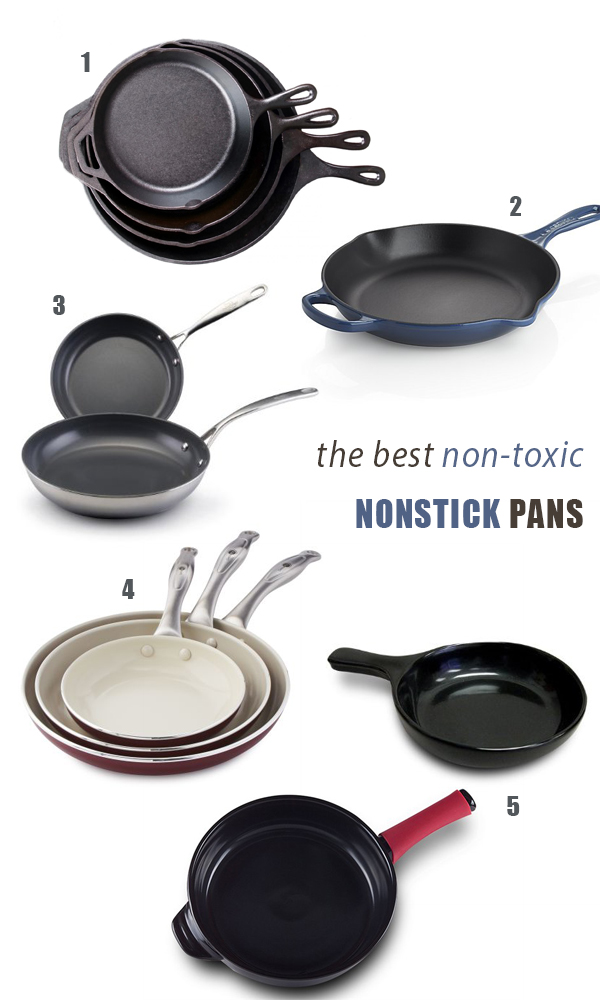
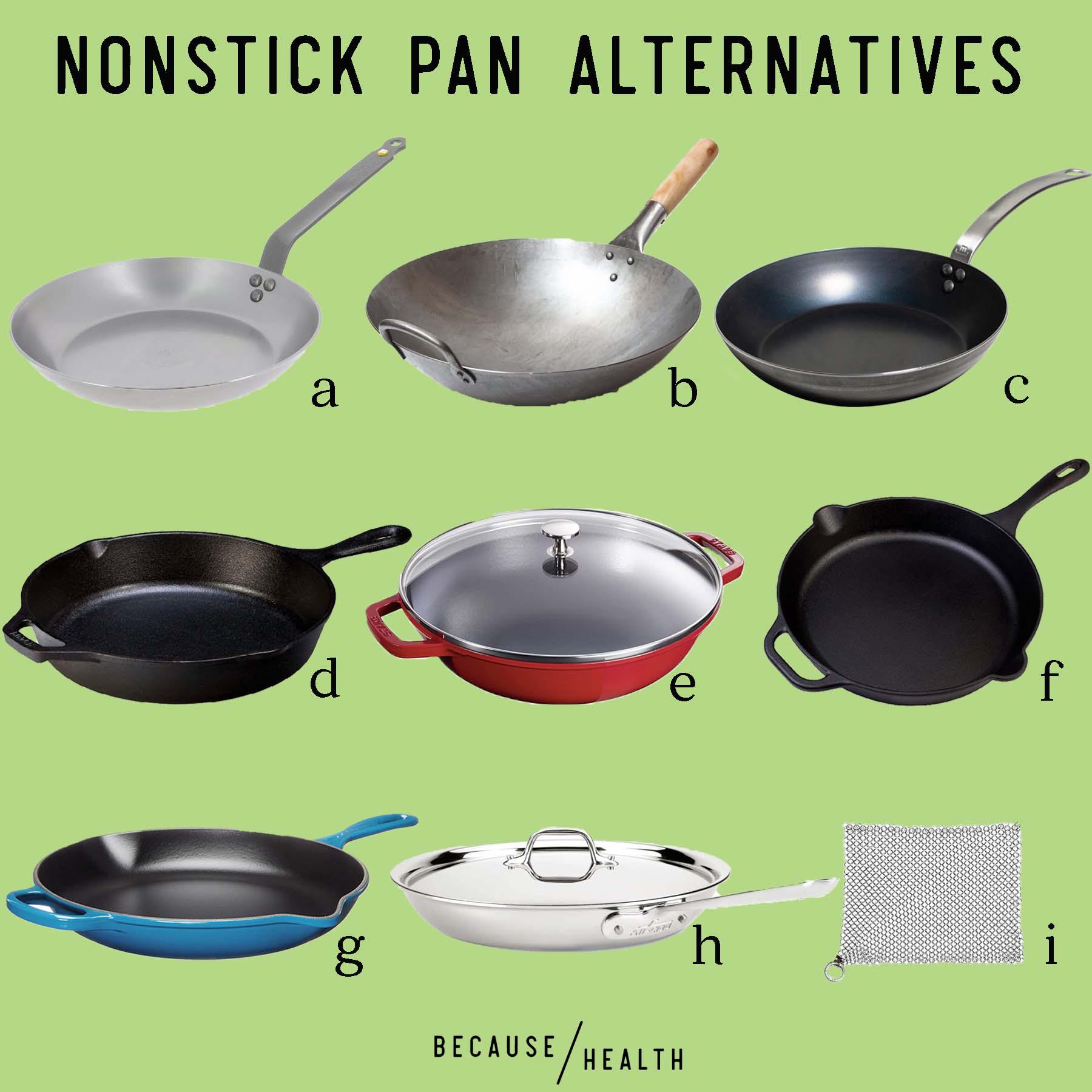
Choosing safe nonstick cookware is important for health and cooking ease. Many options exist that avoid harmful chemicals yet offer good performance. These healthy nonstick cookware types provide durability and easy cleanup. Each option has unique benefits and suits different cooking styles.
Ceramic-coated Cookware
Ceramic-coated cookware uses a natural mineral coating. It contains no PTFE or PFOA chemicals. The surface is smooth and nonstick, making food release easy. Ceramic pans heat evenly and resist scratching. They work well for low to medium heat cooking. Over time, the coating may wear, so gentle care helps.
Anodized Aluminum
Anodized aluminum is aluminum treated to form a hard surface. It is non-reactive and resists corrosion. The surface is naturally nonstick without added chemicals. This cookware heats quickly and evenly. It is lighter than cast iron, making it easy to handle. Avoid metal utensils to keep the surface intact.
Cast Iron With Nonstick Seasoning
Cast iron becomes nonstick through seasoning with oil. This creates a natural protective layer. It improves with use and proper care. Cast iron holds heat well for consistent cooking. It is safe and free of synthetic coatings. Avoid soaking in water and dry thoroughly after washing.
Stainless Steel Alternatives
Stainless steel is durable but not naturally nonstick. Adding a small amount of oil helps prevent sticking. It is safe and does not release toxins. Stainless steel works best for searing and browning. It requires more attention to heat control. This option is excellent for those avoiding coatings.
:max_bytes(150000):strip_icc()/Simply-Recipes-Scratched-Skillet-LEAD-01-b4ce97b15a994f2eacbb729aa4d99bc7.jpg)
Credit: www.simplyrecipes.com
Tips To Maintain Nonstick Cookware Safety
Maintaining the safety of nonstick cookware helps protect your health and keeps your pans lasting longer. Simple care habits make a big difference. Follow easy steps to keep your cookware safe and effective.
Proper Cleaning Techniques
Clean nonstick pans gently with a soft sponge or cloth. Avoid abrasive scrubbers that can damage the coating. Use mild dish soap and warm water for washing. Rinse thoroughly to remove all soap. Dry completely before storing to prevent rust and damage.
Avoiding Overheating
Nonstick coatings can break down at high temperatures. Cook on low to medium heat settings. Avoid heating an empty pan for long periods. High heat can release harmful fumes and ruin the coating. Use cookware designed to handle higher heat if needed.
Using Appropriate Utensils
Metal utensils can scratch nonstick surfaces. Choose wooden, silicone, or plastic tools instead. These materials protect the coating and extend the pan’s life. Avoid cutting or stirring aggressively to keep the surface smooth. Handle your cookware with care for safe use.
Comparing Costs And Longevity
Choosing safe nonstick cookware means thinking about both cost and how long it lasts. Some pans cost more but last longer. Others are cheaper but wear out fast. Finding the right balance saves money and keeps your kitchen safe.
Understanding costs and durability helps make smart choices. It also avoids frequent replacements that waste money and resources.
Initial Investment Vs. Durability
High-quality nonstick cookware often costs more at first. This higher price usually means better materials and coatings. These pans resist scratches and heat damage. They keep food from sticking longer than cheap options.
Low-cost pans may seem like a good deal. But their coatings wear off quickly. This means you must buy new pans more often. Over time, the extra cost adds up.
Investing in durable cookware reduces waste and saves money. It also offers safer cooking since worn coatings can release harmful substances.
When To Replace Nonstick Cookware
Nonstick pans do not last forever. Watch for signs like peeling, flaking, or scratches. These damage the nonstick surface and can be unsafe.
Replace pans when food starts sticking more often. This means the coating is wearing off. Also, replace pans with visible damage to avoid health risks.
Proper care extends cookware life but does not stop wear. Avoid metal utensils and harsh cleaning to keep pans safe longer.
Credit: feedmephoebe.com
Credit: ceh.org
Frequently Asked Questions
What Makes Nonstick Cookware Safe To Use?
Safe nonstick cookware uses coatings free of harmful chemicals like PFOA and PFAS. Ceramic and anodized aluminum are popular safe options. Always check for labels indicating non-toxic, eco-friendly materials. Proper use and care also enhance safety and durability.
Are Ceramic Nonstick Pans Truly Safer?
Yes, ceramic nonstick pans are generally safer as they use natural, non-toxic coatings. They don’t release harmful fumes when overheated. However, their coating may wear out faster than traditional nonstick surfaces, requiring careful use and replacement over time.
Can Nonstick Cookware Release Toxic Fumes?
Overheated nonstick cookware can release toxic fumes, especially if coated with PTFE. Safe options avoid these chemicals or have higher heat tolerance. Use low to medium heat and ventilate your kitchen to minimize any risk from fumes.
How Long Does Safe Nonstick Cookware Last?
Safe nonstick cookware usually lasts 3 to 5 years with proper care. Ceramic coatings may wear faster than traditional ones. Avoid metal utensils and high heat to extend the lifespan. Replace cookware once coating starts peeling or degrading.
Conclusion
Choosing safe nonstick cookware matters for your health and cooking. Some materials like ceramic or hard-anodized aluminum offer safer options. Avoid overheating pans to keep coatings intact and safe. Regularly check for scratches or damage before use. Proper care extends the life of your cookware and keeps meals healthy.
Safe cookware helps you enjoy cooking without worry. Simple steps make a big difference in kitchen safety. Consider your needs and choose wisely for peace of mind.

Hello, This is Annie Walker, a 38-year-old blogger, founder, and editor of Cookware Guider from NY, USA. I am a cookware fanatic and passionate cooker. I love to cook with different types of cooking appliances (example: all types of cookware, rice cookers, slow cookers, etc) almost every day in my kitchen. I love to share my experience with my readers in my blog. Also, I enjoy helping people to solve their problems through my website. You can follow me on Twitter & Pinterest. To know details about my blog please check the about us page.