
Are you wondering if granite coated cookware is truly safe for your kitchen? With so many options out there, it’s easy to feel confused about what materials are best for your health and cooking needs.
You want cookware that won’t release harmful chemicals, lasts a long time, and makes your meals taste great. You’ll discover the truth about granite coated cookware—what it is, how it works, and whether it’s a safe choice for you and your family.
Keep reading to make an informed decision that protects your health and enhances your cooking experience.
Credit: macclite.com
Granite Coated Cookware Basics
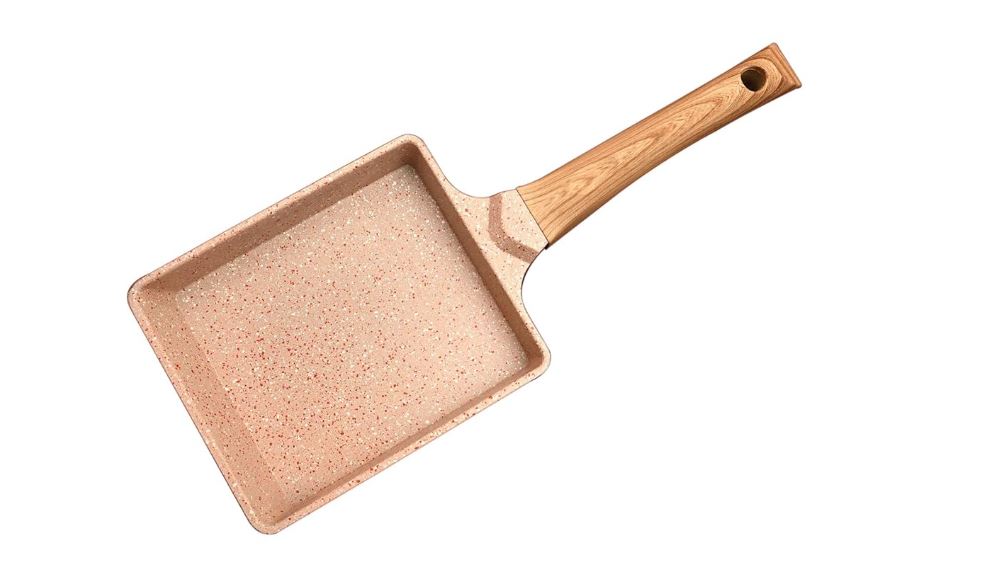
Granite coated cookware has become popular due to its durability and non-stick features. Many wonder about its safety and what makes it different from other pans. Understanding the basics of granite coated cookware helps to see why it is a trusted choice for many kitchens. This section covers the core aspects, including what materials are used and how the cookware is made. These points clarify why granite coated cookware is safe and effective for daily cooking.
Material Composition
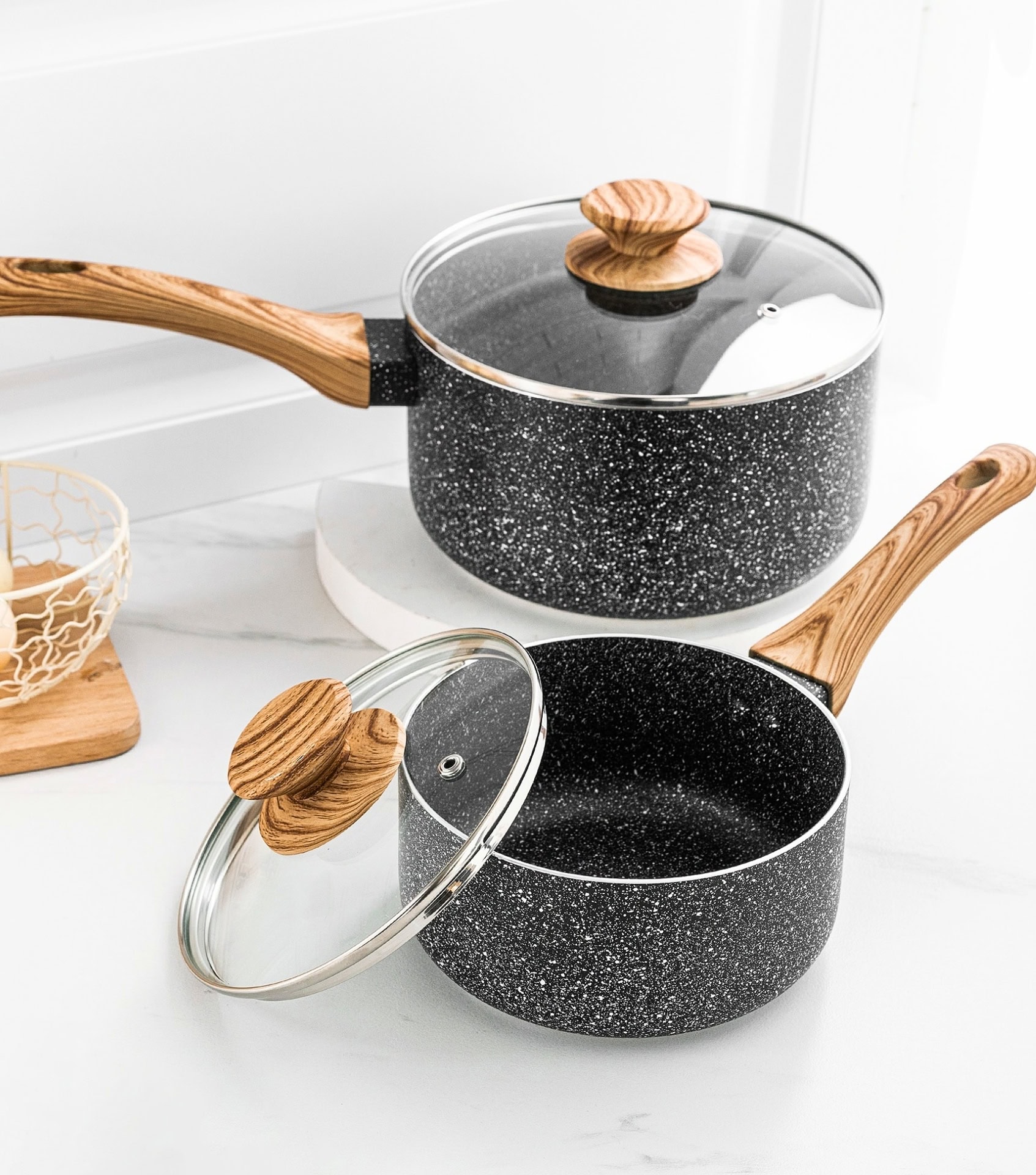
Granite coated cookware usually consists of several layers to ensure strength and non-stick performance. The base material is often aluminum or stainless steel. This base provides good heat distribution and makes the cookware lightweight.
The key part is the granite coating itself. It is a mix of natural minerals and synthetic materials that create a hard, non-stick surface. This coating is free from harmful chemicals like PFOA and PTFE, which are common concerns in some non-stick pans.
- Aluminum or stainless steel base: Offers stability and fast heating.
- Granite coating: Made from natural stone particles and safe synthetic compounds.
- Non-stick properties: Helps food to cook evenly without sticking.
The granite coating is usually applied in multiple layers, each adding to the durability and safety. It is resistant to scratches and can handle high cooking temperatures without releasing toxins.
| Component | Description | Safety Aspect |
|---|---|---|
| Aluminum/Stainless Steel Base | Strong, lightweight metal base | Safe, no chemical leaching |
| Granite Coating | Natural minerals + synthetic resins | PFOA and PTFE free |
| Multiple Layers | Enhance durability and non-stick | Prevents scratching and toxin release |
Manufacturing Process
The manufacturing of granite coated cookware involves careful steps to ensure quality and safety. The process starts with preparing the metal base, usually by cutting and shaping aluminum or stainless steel into the desired pan form.
Next, the base is cleaned thoroughly to remove any dust or oils. This cleaning helps the coating stick properly to the metal surface. The coating layers are then applied through a method called spraying or dipping.
- Base preparation: Cutting, shaping, and cleaning the metal.
- Coating application: Several layers of granite mixture are sprayed or dipped on the base.
- Curing process: The coated pans are heated in ovens to harden the layers.
The curing step is very important. It solidifies the granite coating, making it strong and safe for cooking. This high-temperature baking ensures no harmful substances remain loose in the surface.
The finished pans go through quality checks for uniform coating and resistance to scratches. This process guarantees the cookware is ready for safe everyday use.
| Step | Purpose | Outcome |
|---|---|---|
| Cutting & Shaping | Form the metal base | Proper pan shape and size |
| Cleaning | Remove impurities | Better coating adhesion |
| Coating Application | Apply granite layers | Non-stick, durable surface |
| Curing | Harden coating | Safe, strong finish |
| Quality Check | Inspect durability and safety | Reliable cookware |
Credit: www.sustainablejungle.com
Health Concerns And Safety
Granite coated cookware is popular for its durability and stylish look. Many wonder about its safety and potential health risks. Understanding health concerns and safety is key before choosing any cookware. This section explains the main points about granite coated cookware and health.
Non-toxic Properties
Granite coated cookware is often marketed as a non-toxic option. The coating usually contains natural minerals combined with a non-stick layer. This design aims to reduce harmful chemicals found in some other pans.
Key non-toxic features:
- Free from PFOA and PTFE, common in some non-stick pans
- Does not release toxic fumes during cooking
- Made with materials that resist scratching and peeling
The granite coating is harder and more durable than traditional non-stick surfaces. It helps prevent food from sticking without the use of harmful chemicals. This means fewer risks of ingesting toxic substances.
Many brands advertise their granite cookware as safe for daily use. The non-toxic nature makes it suitable for families, especially those with children. Still, quality varies between products, so checking labels and certifications is smart.
Chemical Leaching Risks
Chemical leaching means harmful substances can move from the cookware into food. This can happen if the coating breaks down or heats too much. Granite coated cookware usually has a strong surface, but risks exist.
Factors affecting chemical leaching:
- High cooking temperatures can damage the coating
- Scratches or chips increase exposure to underlying metals
- Low-quality coatings may contain unsafe chemicals
Most granite pans resist heat up to 450°F (232°C). Cooking above this may cause coating breakdown. It is best to use medium or low heat to maintain safety.
Here is a simple table to compare leaching risks of common cookware types:
| Cookware Type | Leaching Risk | Common Harmful Chemicals |
|---|---|---|
| Granite Coated | Low (if used properly) | Minimal to none |
| Non-Stick (Teflon) | Medium to High | PFOA, PTFE |
| Aluminum | Medium | Aluminum particles |
| Cast Iron | Low | Iron particles (usually safe) |
Using proper care helps reduce leaching risks. Avoid metal utensils and harsh cleaners. Do not overheat the pan. Replace the pan if the coating peels or wears out.
Allergen Considerations
Granite coated cookware generally does not cause allergies. It contains minerals and safe synthetic materials. Most people can use it without allergic reactions.
Still, some factors to consider:
- Nickel content: Some granite coatings may have trace amounts of nickel. People with nickel allergy should check product details.
- Cross-contamination: Cookware used with allergenic foods can carry residues. Clean pans thoroughly to avoid this.
- Manufacturing additives: Rarely, additives in coatings can cause sensitivities. Choose well-known brands to reduce this risk.
For sensitive users, testing a small amount of cooked food first is wise. Proper cleaning and maintenance lower allergen risks. Granite coated cookware is safe for most users, including those with mild allergies.
Durability And Wear
Granite coated cookware is popular for its stylish look and non-stick surface. People often ask about the durability and wear of these pots and pans. Understanding how long they last and how wear affects safety helps users make smart choices. Granite coating combines natural stone with a non-stick layer, which can be strong but still needs care.
Scratch Resistance
Granite coated cookware is known for better scratch resistance than traditional non-stick pans. The coating uses a mixture of stone particles and resin, making it tougher. This means it stands up well against metal utensils and scrubbing pads.
- Metal utensils: Some granite coatings tolerate metal tools better than regular non-stick surfaces.
- Cleaning tools: Soft sponges or cloths keep the coating intact longer.
- Daily use: Avoid sharp objects that can chip or scratch the coating.
Still, not all granite coatings are equal. Higher quality products usually have thicker and harder layers. Look for labels that mention reinforced or multi-layered coatings. This helps resist scratches and keeps the surface smooth.
| Type of Utensil | Scratch Risk | Recommended Use |
|---|---|---|
| Wooden | Low | Safe for all granite cookware |
| Silicone | Low | Safe and gentle |
| Metal | Medium | Use with care on high-quality coatings |
| Sharp knives or forks | High | Avoid direct contact |
Impact Of Wear On Safety
Wear on granite coated cookware can affect its safety over time. The coating protects the base metal and keeps food from sticking. If the coating wears off or chips, food can touch the metal, which may cause issues.
Key points about wear and safety:
- Worn areas may release small particles into food.
- Exposed metal might react with acidic foods.
- Scratched surfaces reduce non-stick benefits.
- Overheating worn pans can damage coating further.
Choosing cookware with thick, durable coatings lowers risks. Replace pans if coating peels or cracks. Proper cleaning and avoiding metal tools help keep the coating safe longer.
| Wear Condition | Safety Concern | Action |
|---|---|---|
| Minor scratches | Low risk | Continue use, avoid further damage |
| Peeling coating | Possible ingestion of particles | Stop use, replace cookware |
| Exposed metal | Food may react, taste change | Replace or repair coating |
Comparison With Other Cookware
Choosing the right cookware affects health, cooking results, and kitchen safety. Granite coated cookware has grown popular, but many wonder how it compares to other types. This section examines granite coated pots and pans alongside common alternatives. It helps you understand safety, durability, and cooking ease across different materials.
Non-stick Alternatives
Granite coated cookware is often compared to traditional non-stick pans, like Teflon or ceramic-coated ones. Each type has unique features and safety concerns.
- Teflon Non-Stick: Uses PTFE coating, which can release toxic fumes if overheated above 500°F (260°C).
- Ceramic Coated: Made from inorganic materials, generally free of PTFE and PFOA, but coating may wear out faster.
- Granite Coated: Combines non-stick layers with a stone-like finish, usually free of harmful chemicals.
Granite coated cookware offers stronger scratch resistance than ceramic pans. It also handles medium to high heat better than Teflon without releasing fumes. Many users prefer granite coatings because:
- They clean easily with less oil needed.
- They usually contain no PFOA or PFAS chemicals.
- They maintain non-stick performance longer than some ceramic pans.
| Cookware Type | Non-Stick Quality | Heat Resistance | Safety | Durability |
|---|---|---|---|---|
| Teflon | Excellent (low-temp) | Up to 500°F | Potential fumes if overheated | Moderate |
| Ceramic | Good | Up to 600°F | Generally safe | Less durable |
| Granite Coated | Very Good | Up to 700°F | Safe, chemical-free | High |
Cast Iron And Stainless Steel
Cast iron and stainless steel are classic cookware choices. They differ from granite coated pans in material and care.
Cast Iron: Known for durability and heat retention. Requires seasoning to create a natural non-stick surface. Heavy but lasts for decades.
- Can leach small iron amounts into food, beneficial for some diets.
- Not non-stick out of the box; seasoning is essential.
- Can handle very high heat without damage.
Stainless Steel: Durable and resistant to rust and corrosion. Does not have a non-stick coating, so food may stick without proper cooking technique.
- Does not release harmful chemicals.
- Great for browning and searing foods.
- Easy to clean but may need oil to prevent sticking.
| Cookware Type | Non-Stick Quality | Heat Resistance | Safety | Durability |
|---|---|---|---|---|
| Cast Iron | Natural non-stick with seasoning | Very high | Safe, iron leaching possible | Very high |
| Stainless Steel | Low (no coating) | Very high | Safe | Very high |
| Granite Coated | High | High | Safe | High |
Granite coated cookware offers a balance between ease of use and safety. It requires less maintenance than cast iron and provides better non-stick features than stainless steel.
Usage Tips For Safety
Granite coated cookware is popular for its durability and non-stick surface. To keep it safe and long-lasting, following the right usage tips is key. Proper care helps avoid damage and ensures the cookware stays free from harmful substances. Below are important guidelines on cleaning and heat use to protect your granite coated pots and pans.
Proper Cleaning Methods
Cleaning granite coated cookware correctly preserves its non-stick layer and prevents scratches. Use gentle tools and mild detergents. Avoid harsh scrubbing or metal utensils that can damage the surface.
- Hand wash only: Use warm water with a soft sponge or cloth.
- Mild soap: Choose dish soap that is not abrasive.
- Soak stubborn food: Let the cookware soak in warm soapy water before wiping.
- Do not use steel wool: Avoid abrasive scrubbers that wear down the coating.
- Dry carefully: Use a soft towel to prevent water spots and rust on exposed metal parts.
Here is a quick cleaning guide table:
| Step | Action | Reason |
|---|---|---|
| 1 | Rinse with warm water | Removes loose food particles |
| 2 | Use soft sponge with mild soap | Protects non-stick surface |
| 3 | Soak if needed | Loosens tough residue |
| 4 | Rinse and dry immediately | Prevents water spots and rust |
Washing in a dishwasher is not recommended for granite coated cookware. The strong detergents and heat can weaken the coating. Following these cleaning tips will keep your cookware safe and working well for years.
Avoiding High Heat Damage
Granite coated cookware works best at medium or low heat. High heat can damage the coating and reduce its non-stick ability. Overheating may also cause warping or discoloration of the pan.
Here are simple tips to protect your cookware from heat damage:
- Use medium or low flame: Most cooking tasks do not require high heat.
- Preheat gradually: Avoid placing an empty pan on high heat immediately.
- Remove from heat promptly: Do not leave the pan heating without food inside.
- Use proper burner size: Match pan size to burner to avoid uneven heating.
- Turn off heat early: Residual heat continues cooking food after the burner is off.
Below is a chart showing heat levels and their effects on granite cookware:
| Heat Level | Effect on Granite Coating |
|---|---|
| Low | Safe for slow cooking and simmering |
| Medium | Ideal for most cooking tasks |
| High | Risk of coating damage and warping |
By controlling heat properly, you keep the coating intact and avoid releasing harmful fumes. Using granite coated cookware carefully ensures safe meals and extends the life of your pans.

Credit: safetouseit.com
Frequently Asked Questions
Is Granite Coated Cookware Non-toxic And Safe To Use?
Granite coated cookware is generally non-toxic and safe for cooking. It uses natural minerals and does not release harmful chemicals when heated. Always check for quality certifications and avoid overheating to maintain safety and durability.
Can Granite Coated Cookware Withstand High Cooking Temperatures?
Yes, granite coated cookware can handle moderate to high cooking temperatures. However, avoid extreme heat to prevent coating damage. Use medium heat for best performance and longer lifespan of the cookware.
Does Granite Coating Prevent Food From Sticking Effectively?
Granite coating provides a natural non-stick surface, reducing food sticking. It requires less oil, making cooking healthier. Proper care and cleaning help maintain its non-stick properties over time.
Is Granite Coated Cookware Easy To Clean And Maintain?
Granite coated cookware is easy to clean with warm soapy water. Avoid abrasive cleaners to protect the coating. Regular maintenance ensures longevity and preserves its non-stick and aesthetic qualities.
Conclusion
Granite coated cookware offers a safe option for everyday cooking. It resists scratches and does not release harmful chemicals. Always follow the manufacturer’s care instructions to keep it in good shape. Avoid using metal utensils to protect the coating. Regular cleaning helps maintain its safety and performance.
Choosing quality granite cookware means safer meals for your family. Trust your cookware but stay aware of how you use it. Safe cooking starts with the right tools and care.

Hello, This is Annie Walker, a 38-year-old blogger, founder, and editor of Cookware Guider from NY, USA. I am a cookware fanatic and passionate cooker. I love to cook with different types of cooking appliances (example: all types of cookware, rice cookers, slow cookers, etc) almost every day in my kitchen. I love to share my experience with my readers in my blog. Also, I enjoy helping people to solve their problems through my website. You can follow me on Twitter & Pinterest. To know details about my blog please check the about us page.