
Are you wondering if your Made In cookware works with an induction cooktop? Choosing the right cookware can be confusing, especially when you want to make sure it’s compatible with your stove.
Using the wrong pots and pans can lead to uneven cooking or even damage your cooktop. You’ll discover exactly what makes Made In cookware induction compatible and how to get the best performance from your kitchen tools. Keep reading to find out if your favorite cookware is ready for induction cooking—and how to make the most of it every time you cook.

Credit: www.amazon.com
Induction Cooking Basics
Induction cooking is a popular method for fast and efficient meal preparation. It uses special cookware that works with magnetic fields to heat food directly. Understanding the basics of induction cooking helps to know if Made In cookware is induction compatible. This section explains how induction cooktops function and the main benefits of using them.
How Induction Cooktops Work
Induction cooktops use electricity to create a magnetic field. This field heats the cookware directly, not the cooktop surface. Only pots and pans with a magnetic base work on induction stoves.
Here is how induction cooktops work step-by-step:
- The cooktop sends an electric current through a copper coil.
- This current creates a magnetic field above the cooktop surface.
- The magnetic field induces heat in the cookware’s metal base.
- The cookware heats up and cooks the food inside.
Important points about induction cooktops:
- The cooktop itself stays cool because only the pan heats up.
- Cookware must have a flat, magnetic bottom for proper contact.
- Materials like cast iron and some stainless steel work well.
- Aluminum, glass, or copper cookware usually does not work unless it has a magnetic plate.
| Cookware Material | Induction Compatibility |
|---|---|
| Cast Iron | Compatible |
| Stainless Steel (magnetic grade) | Compatible |
| Aluminum | Not Compatible (unless magnetic base added) |
| Glass/Ceramic | Not Compatible |
Made In cookware often features stainless steel with a magnetic base. This makes it suitable for induction cooktops. Checking the product details or using a magnet test can confirm compatibility.
Benefits Of Induction Cooking
Induction cooking offers many advantages over traditional gas or electric stoves. The technology heats food faster and uses energy more efficiently. This saves time and lowers electricity bills.
Key benefits include:
- Faster Cooking: Heat transfers directly to the pan, reducing cooking time.
- Energy Efficiency: Less energy is wasted because the cooktop stays cool.
- Safer Surface: The cooktop remains cool, reducing burn risks.
- Precise Temperature Control: Instant heat adjustment improves cooking accuracy.
- Easy Cleaning: Spills do not burn on the cool surface, making cleanup simple.
Here is a simple comparison table showing energy use and cooking time:
| Cooking Method | Average Cooking Time | Energy Efficiency |
|---|---|---|
| Induction | 5-10 minutes | 85-90% |
| Electric Coil | 10-15 minutes | 65-70% |
| Gas Stove | 10-20 minutes | 40-55% |
Using induction-compatible Made In cookware maximizes these benefits. It delivers quick, safe, and energy-saving cooking experiences. This makes induction a smart choice for modern kitchens.
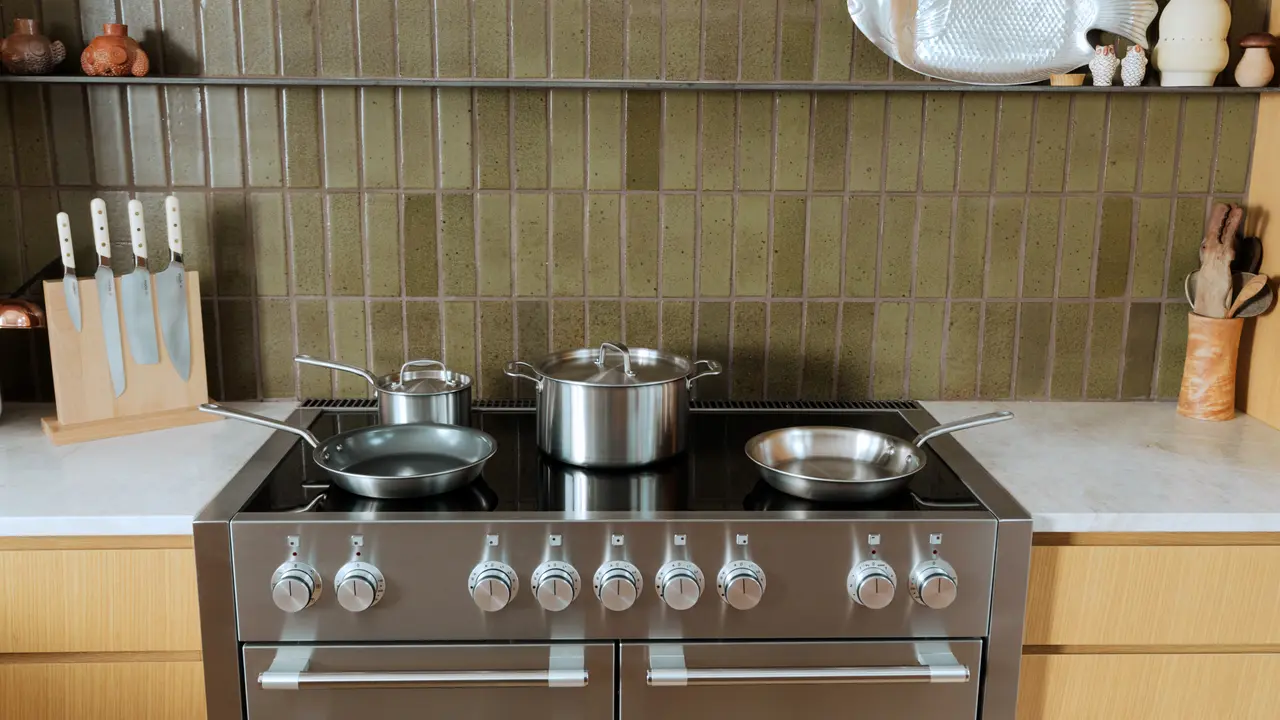
Credit: madeincookware.com
Materials That Work With Induction
Made In cookware is popular for its quality and design. Many buyers want to know if it works on induction cooktops. The key lies in the cookware’s materials. Induction cooking uses magnetic fields to heat pots and pans. Only certain materials respond to these magnetic fields. Understanding the materials that work with induction helps you choose the right cookware for your stove. Let’s explore which materials are suitable for induction cooking and what makes them compatible.
Magnetic Properties Required
Induction cooktops heat cookware using magnetic energy. This energy creates heat directly inside the pan. For this to happen, the cookware must have magnetic properties. Materials that are magnetic attract the magnetic field from the cooktop. This attraction causes the material to heat up quickly.
Non-magnetic materials do not work on induction stoves. They will not heat up no matter how high the heat setting is.
Key magnetic properties needed for induction compatibility:
- Ferromagnetism: The material must be ferromagnetic. This means it contains iron or similar metals.
- Magnetic Permeability: The material should allow magnetic fields to pass through easily.
- Good Electrical Conductivity: Helps generate heat fast and evenly.
To check if cookware is induction compatible, use a simple magnet test. If a magnet sticks firmly to the base of the pan, the cookware will work on induction. If it does not stick, the cookware is not induction-friendly.
| Property | Importance for Induction |
|---|---|
| Ferromagnetism | Allows cookware to react to magnetic fields |
| Magnetic Permeability | Ensures magnetic field passes through easily |
| Electrical Conductivity | Generates heat quickly and distributes it evenly |
Common Induction-compatible Materials
Certain materials work well with induction cooktops. These materials either contain iron or are specially designed to be magnetic. Knowing which materials are induction compatible helps in choosing the right cookware.
Here are the most common induction-compatible materials:
- Cast Iron: Naturally magnetic and heats evenly. Heavy but very durable.
- Stainless Steel (Magnetic Grade): Not all stainless steel works. Only those with iron content attract magnets. Look for labels that mention induction compatibility.
- Enamel-Coated Steel: Steel base coated with enamel. Magnetic base heats well on induction.
- Carbon Steel: Similar to cast iron but lighter. Magnetic and heats quickly.
Materials that do not work on induction include pure copper, glass, aluminum, and non-magnetic stainless steel. Sometimes, manufacturers add a magnetic layer at the base to make these materials induction compatible.
| Material | Induction Compatibility | Notes |
|---|---|---|
| Cast Iron | Yes | Heavy, excellent heat retention |
| Magnetic Stainless Steel | Yes | Look for induction labels |
| Enamel-Coated Steel | Yes | Steel base provides magnetism |
| Carbon Steel | Yes | Lightweight, heats fast |
| Pure Copper | No | Non-magnetic, unless layered |
| Glass | No | Non-magnetic |
| Aluminum | No | Non-magnetic, often layered to work |
Made In Cookware Features
Made In Cookware is known for its quality and thoughtful design. Many wonder if this cookware works on induction stoves. Understanding the features of Made In Cookware helps answer this. These features include the materials used and the construction style. Both play a big role in induction compatibility and cooking performance. This section explores these important aspects.
Materials Used In Made In Cookware
Made In Cookware uses high-quality materials to ensure durability and heat efficiency. The key to induction compatibility lies in the type of metal used at the cookware’s base. Induction stoves need cookware with magnetic properties to generate heat effectively.
Here are the main materials used in Made In Cookware:
- Stainless Steel: The primary material is 5-ply stainless steel. It combines layers of stainless steel and aluminum.
- Aluminum Core: The aluminum layer helps with quick and even heat distribution.
- Magnetic Stainless Steel Layer: The outermost layer contains magnetic stainless steel. This layer makes the cookware induction compatible.
The combination of these materials creates a strong and responsive cookware base. This base works well on induction cooktops by allowing magnetic fields to heat the pan directly.
| Material | Purpose | Benefit |
|---|---|---|
| Stainless Steel | Durability and corrosion resistance | Long-lasting and easy to clean |
| Aluminum Core | Heat conduction | Even heat distribution, no hot spots |
| Magnetic Stainless Steel Layer | Induction compatibility | Works efficiently on induction stoves |
Construction And Design Elements
The construction of Made In Cookware blends function with style. Its design supports cooking on various heat sources, including induction. The cookware features a multi-ply construction that enhances heat control and strength.
Key design elements include:
- Multi-Ply Layers: Typically, 5 layers of metal sandwiching aluminum inside stainless steel.
- Flat, Magnetic Base: Ensures full contact with induction cooktops for faster heating.
- Ergonomic Handles: Made from stainless steel, these handles stay cool and provide a firm grip.
- Precision Pour Spouts: Help prevent spills while pouring liquids.
- Oven Safe: Designed to withstand high temperatures, expanding cooking options.
The cookware’s thick base provides excellent heat retention and avoids warping. It heats evenly, which improves cooking results. The strong handle design offers comfort and safety during use. Overall, the construction focuses on durability, performance, and ease of use.
Testing Made In Cookware For Induction
Testing Made In cookware for induction compatibility is important before buying. Induction cooktops heat pots and pans using magnetic fields. Not all cookware works with induction because the base must be magnetic. Made In cookware is popular for its quality, but you need to check if it works with your induction stove. Testing helps avoid buying pots that won’t heat properly. There are simple ways to test if your Made In cookware is induction compatible.
Magnet Test Method
The easiest way to test Made In cookware for induction compatibility is the magnet test. Take a small magnet and place it on the bottom of the pan or pot. If the magnet sticks well, the cookware has a magnetic base and should work on an induction cooktop.
- Strong magnet pull: Cookware is induction compatible.
- Weak or no pull: Cookware likely won’t work on induction.
This test works because induction cooktops require a magnetic surface to generate heat. The base of the cookware must contain ferrous metals like stainless steel or iron. Aluminum or copper alone usually won’t work unless they have a magnetic plate attached.
Here is a simple table to understand the results:
| Magnet Test Result | Induction Compatibility |
|---|---|
| Strong Magnet Attraction | Compatible |
| Weak Magnet Attraction | Possibly Compatible |
| No Magnet Attraction | Not Compatible |
Manufacturer’s Specifications
Checking the manufacturer’s specifications is another reliable way to confirm induction compatibility for Made In cookware. The brand usually lists this information on product tags, packaging, or their website.
Look for these keywords or icons:
- “Induction compatible” or “induction ready”
- An induction symbol, often a coil or series of loops
- Material details like “magnetic stainless steel base”
Made In cookware often uses stainless steel with an aluminum core. Stainless steel can be magnetic or non-magnetic. The manufacturer will specify if the base supports induction cooking.
Here is a checklist to review the specifications:
- Find the product description on the official site or packaging.
- Check for the induction compatibility statement or icon.
- Confirm the base material is magnetic stainless steel or contains iron.
- Read customer reviews to see if users have tested it on induction.
Always trust the manufacturer’s information for the most accurate compatibility details. Testing with a magnet helps, but the specs give the final confirmation.
Performance On Induction Cooktops
Made In cookware has gained popularity for its quality and design. One common question is whether it works well on induction cooktops. Induction cooking requires cookware with magnetic properties to heat efficiently. Understanding how Made In cookware performs on induction cooktops helps buyers make smart choices. This section explores the heating efficiency and user feedback of Made In cookware on induction stoves.
Heating Efficiency
Made In cookware is designed with stainless steel and an aluminum core. The base includes a magnetic stainless steel layer that suits induction cooking. This base ensures quick and even heat distribution on induction cooktops. The cookware heats up faster compared to traditional gas or electric stoves.
Key points about heating efficiency:
- Magnetic stainless steel base supports induction technology
- Aluminum core spreads heat evenly, avoiding hot spots
- Faster heat-up times reduce cooking duration
- Maintains consistent temperature during cooking
| Feature | Benefit on Induction |
|---|---|
| Magnetic Stainless Steel Base | Compatible with induction cooktops; rapid heat transfer |
| Aluminum Core | Even heat distribution; prevents hot spots |
| Heavy Gauge Construction | Retains heat well; steady cooking temperature |
Users can expect efficient cooking with reduced energy consumption. The cookware’s ability to reach high temperatures quickly suits various cooking styles. Made In cookware also cools down faster, giving better control over cooking times.
User Experience And Feedback
Many users report positive experiences using Made In cookware on induction stoves. The cookware’s magnetic base works seamlessly with induction technology. Users appreciate the fast heating and even temperature control. This leads to better cooking results and less burnt food.
Common feedback themes include:
- Quick response to temperature changes
- Easy to clean after cooking
- Durability and resistance to warping
- Comfortable handles stay cool during use
Some users mention the cookware’s weight as a positive factor. It feels sturdy and well-built. A few note that the cookware requires proper care to maintain its shine and performance. Overall, user reviews highlight the cookware’s reliability and efficiency on induction cooktops.
| Aspect | User Rating (out of 5) | Comments |
|---|---|---|
| Heating Speed | 4.7 | Heats quickly and evenly on induction |
| Ease of Cleaning | 4.5 | Non-stick surfaces clean easily |
| Durability | 4.6 | Strong construction, resists warping |
| Handle Comfort | 4.4 | Handles stay cool and are easy to grip |
Feedback shows Made In cookware meets the needs of induction users well. It offers a balance of performance and convenience. Users enjoy the smooth cooking experience and lasting quality.

Credit: baanarjor.com
Alternatives For Induction Cooking
Induction cooking needs cookware that works with magnetic fields. Not all pots and pans fit this need. Made In cookware is popular but may not always be induction compatible. Knowing good alternatives helps cook better on induction stoves. This section shares options and advice for induction cooking.
Other Compatible Cookware Brands
Some brands make cookware that works well on induction cooktops. These brands use magnetic materials like stainless steel or cast iron. Here are a few trusted options:
- All-Clad: Known for high-quality stainless steel with magnetic bases.
- Lodge: Famous for cast iron skillets and pans, perfect for induction.
- T-fal: Offers affordable stainless steel and non-stick cookware with induction bases.
- Calphalon: Provides hard-anodized and stainless steel sets suitable for induction.
- Cuisinart: Known for versatile stainless steel pots and pans that work on induction.
Here is a quick comparison table showing features of these brands:
| Brand | Material | Induction Compatibility | Price Range | Durability |
|---|---|---|---|---|
| All-Clad | Stainless Steel | Yes | High | Excellent |
| Lodge | Cast Iron | Yes | Low to Medium | Excellent |
| T-fal | Stainless Steel, Non-Stick | Yes | Low to Medium | Good |
| Calphalon | Hard-Anodized, Stainless Steel | Yes | Medium to High | Very Good |
| Cuisinart | Stainless Steel | Yes | Medium | Good |
Each brand offers options for different budgets and cooking styles. Cast iron pans hold heat well but are heavier. Stainless steel is lighter and easy to clean. Non-stick coatings are good for low-fat cooking but need careful use.
Choosing Cookware For Induction
Choosing the right cookware ensures smooth cooking on induction stoves. The base must be magnetic to create heat. Use a magnet test to check compatibility. If a magnet sticks to the pot bottom, it works on induction.
Important factors to consider include:
- Material: Stainless steel, cast iron, and some aluminum with magnetic bases work best.
- Flat Bottom: Flat surfaces make better contact with induction cooktops.
- Size: The cookware base should match the induction burner size for even heating.
- Weight: Heavy pans hold heat longer but may be hard to handle.
- Durability: Look for sturdy construction to last long and resist warping.
Here is a simple checklist for buying induction cookware:
- Check if the base is magnetic.
- Confirm the bottom is flat and smooth.
- Match cookware size to your induction burner.
- Choose materials like stainless steel or cast iron.
- Consider weight and ease of use.
Choosing wisely saves money and improves cooking results. Investing in good induction-compatible cookware means faster heating and better energy use. Avoid glass, pure aluminum, and copper pans without magnetic layers. They will not work on induction stoves.
Frequently Asked Questions
Is Made In Cookware Induction Stove Compatible?
Yes, most Made In cookware is induction compatible. They use magnetic stainless steel bases that work well on induction cooktops. Always check the product details to confirm compatibility.
How To Check If Made In Cookware Works On Induction?
Look for a magnetic base or “induction compatible” label. You can also test with a magnet; if it sticks, it works on induction.
Are All Made In Pots And Pans Induction Ready?
Not all, but many Made In pots and pans are induction ready. Verify product specs to ensure the cookware suits your induction stove.
Does Made In Cookware Perform Well On Induction Cooktops?
Yes, Made In cookware heats evenly and quickly on induction surfaces. Its quality materials enhance cooking performance and energy efficiency.
Conclusion
Made In cookware works well on induction cooktops. Its base contains magnetic materials needed for induction heat. This means your pots and pans will heat up quickly and cook food evenly. Always check the product label or description to confirm compatibility.
Using the right cookware helps save energy and prevents damage to your stove. Choose Made In cookware with confidence for induction cooking. It combines quality with convenience, making your kitchen tasks easier. Simple, effective, and reliable—Made In fits induction cooking needs perfectly.

Hello, This is Annie Walker, a 38-year-old blogger, founder, and editor of Cookware Guider from NY, USA. I am a cookware fanatic and passionate cooker. I love to cook with different types of cooking appliances (example: all types of cookware, rice cookers, slow cookers, etc) almost every day in my kitchen. I love to share my experience with my readers in my blog. Also, I enjoy helping people to solve their problems through my website. You can follow me on Twitter & Pinterest. To know details about my blog please check the about us page.