
Have you ever wished cooking could be faster, healthier, and easier to clean up? Waterless cookware might be the secret you’re missing.
Imagine preparing your favorite meals without adding water or oil, locking in more flavor and nutrients every time. If you’re curious about how to use waterless cookware to transform your cooking, this guide will walk you through everything you need to know.
Get ready to discover a smarter, tastier way to cook that your kitchen—and your taste buds—will thank you for. Keep reading to unlock the full potential of your cookware!
Benefits Of Waterless Cookware
Waterless cookware offers many advantages for everyday cooking. It uses less water and heat, which keeps food fresh and tasty. This type of cookware helps make meals healthy and saves time in the kitchen. It is a smart choice for those who want quick, nutritious meals.
Retains Nutrients And Flavor
Cooking without water keeps vitamins and minerals inside the food. The natural juices stay locked in, making dishes more flavorful. Food cooks in its own steam, so nothing important is lost. Meals taste richer and look more colorful.
Saves Time And Energy
Waterless cookware heats up quickly, reducing cooking time. It uses less energy because you cook at lower temperatures. No need to watch pots for boiling or boiling over. This cookware helps finish meals faster and saves power.
Promotes Healthy Cooking
Less oil or fat is needed with waterless cookware. Food cooks evenly, preventing burning or drying out. It keeps food moist and tender without added water. Cooking this way supports a balanced and healthy diet.
Choosing The Right Waterless Cookware
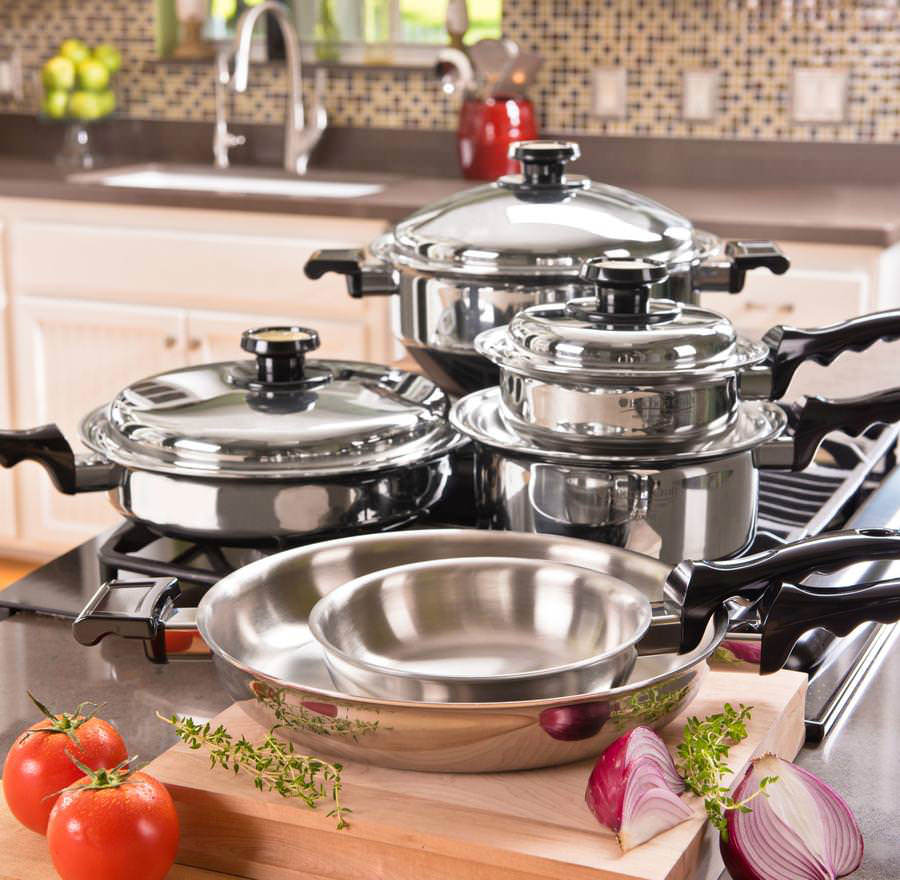
Choosing the right waterless cookware is key for better cooking and durability. The right cookware saves energy and keeps nutrients in your food. It also makes cooking easier and healthier. You need to think about material, size, shape, and features before buying. Each choice affects how well the cookware works and how long it lasts.
Material Types And Their Advantages
Waterless cookware comes in many materials. Stainless steel is strong and does not rust. It spreads heat evenly for good cooking. Aluminum heats fast but can scratch easily. Look for aluminum with a non-stick coating. Copper heats quickly and cools fast. It helps control temperature well. Some waterless pans use layers of metal for best results. The outer layer might be stainless steel, with aluminum inside for heat.
Size And Shape Considerations
Pick the right size for your needs. Small pans suit single servings or small families. Large pots work well for many people or big meals. Round pans are good for frying and sautéing. Square or rectangular pans fit better on the stove and hold more food. Deep pots are perfect for soups and stews. Shallow pans help cook food quickly and evenly.
Essential Features To Look For
Look for tight-fitting lids. They keep steam inside for waterless cooking. Thick bases hold heat and avoid hot spots. Handles should stay cool and feel secure. Non-stick surfaces help clean up easily. Oven-safe cookware adds cooking options. Check if the cookware fits your stove type. Some work better on gas, others on electric or induction.
Preparing Ingredients For Waterless Cooking
Preparing ingredients properly is key to successful waterless cooking. This method relies on the natural moisture in foods to cook them gently. Careful selection and preparation of ingredients help keep flavors fresh and textures perfect. Each step affects the final dish’s taste and appearance.
Selecting Fresh Produce
Choose fresh vegetables and fruits with firm textures. Avoid items that are bruised or soft. Fresh produce holds more moisture, which is important for waterless cooking. Pick seasonal ingredients for better flavor and nutrition. Freshness makes a big difference in the dish’s quality.
Proper Cutting Techniques
Cut ingredients evenly to ensure uniform cooking. Use sharp knives for clean cuts and safety. Smaller pieces cook faster and release moisture efficiently. Avoid crushing or bruising vegetables during cutting. Proper cuts keep the natural juices inside the food.
Seasoning Tips
Use light seasoning to enhance natural flavors. Salt and herbs work well with waterless cooking. Add spices at the start for deep flavor or later for freshness. Avoid heavy sauces that can block steam and moisture. Season gently to keep the dish balanced and tasty.
Cooking Techniques With Waterless Cookware
Waterless cookware uses steam and natural moisture to cook food. This method keeps nutrients and flavors intact. Cooking techniques differ from traditional pots and pans. Understanding these methods helps you get the best results.
Preheating The Cookware
Start by heating the cookware on low or medium heat. Let it warm up before adding food. This step helps distribute heat evenly. Avoid high heat to prevent damage to the cookware.
Using Minimal Or No Water
Waterless cookware requires little to no added water. Most foods release their own moisture during cooking. This keeps food juicy and full of flavor. Add a small splash only if needed for dry ingredients.
Controlling Heat Levels
Keep heat low to medium for best results. High heat can burn food or damage cookware. Adjust heat based on the recipe and food type. Slow cooking helps retain nutrients and enhances taste.
Recipes Perfect For Waterless Cookware
Waterless cookware keeps food moist and full of flavor. It uses little or no added water. This style of cooking is gentle and healthy. It helps keep vitamins and nutrients in your meals.
Some recipes work best with waterless cookware. These dishes need slow heat and steam to cook perfectly. Here are some ideas to try.
Steamed Vegetables
Steamed vegetables taste fresh and crisp. Waterless cookware traps steam inside, cooking veggies evenly. Use carrots, broccoli, or green beans. Cook them until tender but still bright. No need to add water or oil. The vegetables keep their natural colors and flavors.
One-pot Meals
One-pot meals are simple and quick. Use your waterless pot to cook rice, beans, and meat together. The steam cooks ingredients gently. Flavors blend well without burning. Try chicken and rice or vegetable stew. Cleanup is easy with just one pot to wash.
Slow-cooked Dishes
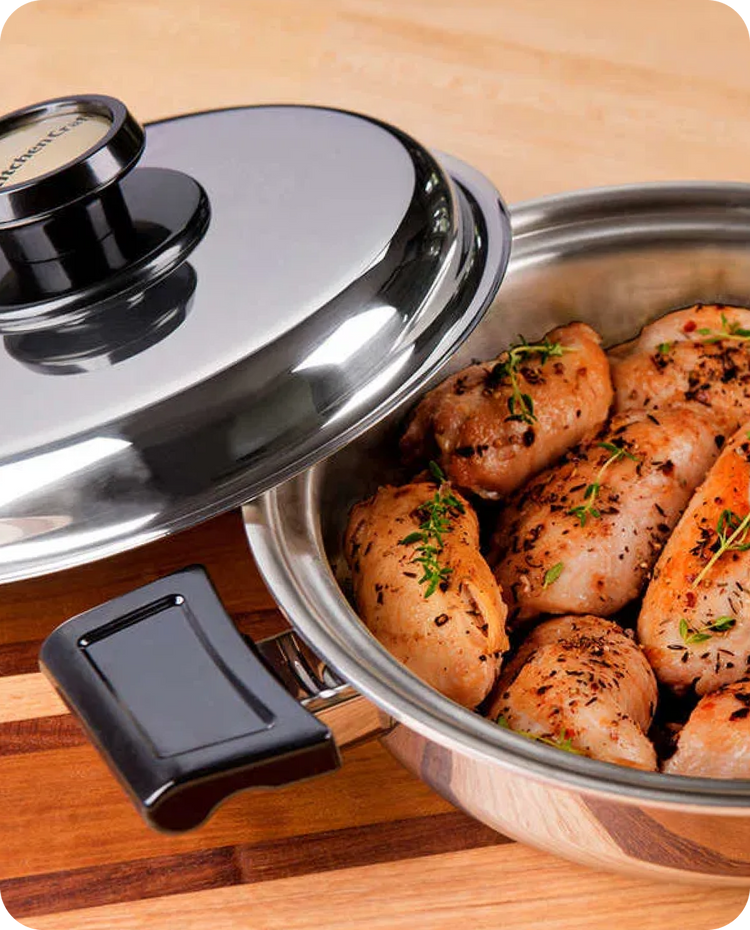
Slow-cooked dishes benefit from gentle heat. Waterless cookware keeps the temperature low and steady. Try stews, soups, or braised meats. The food stays juicy and tender. No drying out or sticking to the pan. Perfect for rich, comforting meals.
Credit: gurlgonegreen.com
Cleaning And Maintaining Waterless Cookware
Cleaning and maintaining waterless cookware is key to its long life and great performance. These pots and pans need gentle care to keep their special non-stick surface and metal intact. Proper cleaning and storage help avoid scratches and keep your cookware looking new.
Safe Cleaning Methods
Use warm water and mild soap for washing. Avoid strong detergents or bleach. Let the cookware cool before washing to avoid warping. Use a soft sponge or cloth to clean. Never use steel wool or abrasive pads. For stuck food, soak the pan in warm water. Gently scrub to remove any residue.
Avoiding Damage
Do not use metal utensils; choose wooden or silicone ones. Avoid sudden temperature changes to prevent warping. Do not put waterless cookware in the dishwasher unless the manufacturer allows it. Avoid stacking pans without protection to prevent scratches. Regularly check handles and lids for tightness.
Storage Tips
Store cookware in a dry place to prevent rust. Use pan protectors or soft cloth between stacked pans. Keep lids separate or upside down to avoid damage. Avoid storing cookware with heavy items on top. Proper storage keeps your pots and pans safe and ready to use.
Common Mistakes And How To Avoid Them
Using waterless cookware can improve your cooking, but mistakes can reduce its benefits. Avoiding common errors helps keep your cookware in good shape. It also ensures food cooks evenly and tastes better.
Overcrowding The Pan
Putting too much food in the pan blocks heat and steam. Food cooks unevenly and takes longer. Leave space between pieces for steam circulation. Cook in batches if needed.
Using Excessive Heat
Waterless cookware works best on low or medium heat. High heat can burn food and damage the cookware. Start with low heat and increase slowly if needed. This keeps food moist and flavors intact.
Neglecting Regular Maintenance
Cleaning your cookware after every use is important. Use soft sponges and mild soap to avoid scratches. Avoid harsh chemicals that damage the surface. Regular care extends the life of your cookware.
Credit: waterlesscookware.com
Credit: waterlesscookware.com
Frequently Asked Questions
What Is Waterless Cookware And How Does It Work?
Waterless cookware uses tight-fitting lids and heavy bases to trap moisture. This method cooks food with its natural juices, preserving nutrients and flavors without added water or oil.
Can I Use Waterless Cookware On All Stovetops?
Yes, most waterless cookware works on gas, electric, and induction stovetops. Always check the manufacturer’s instructions for specific compatibility to ensure optimal performance.
How Do I Clean And Maintain Waterless Cookware?
Clean waterless cookware with warm soapy water and a soft sponge. Avoid abrasive cleaners to preserve the surface and maintain its non-stick properties.
What Foods Are Best Cooked In Waterless Cookware?
Vegetables, rice, and lean meats cook well in waterless cookware. This method retains natural flavors and nutrients, making meals healthier and tastier.
Conclusion
Waterless cookware saves time and keeps food healthy. It uses less oil and water for cooking. Heat spreads evenly for better results. Cleaning is easy and quick after cooking. Try using waterless cookware for daily meals. You will enjoy the natural flavors of your food.
Simple steps bring great benefits in your kitchen. Give it a try and see the difference. Cooking can be easier and better every day.

Hello, This is Annie Walker, a 38-year-old blogger, founder, and editor of Cookware Guider from NY, USA. I am a cookware fanatic and passionate cooker. I love to cook with different types of cooking appliances (example: all types of cookware, rice cookers, slow cookers, etc) almost every day in my kitchen. I love to share my experience with my readers in my blog. Also, I enjoy helping people to solve their problems through my website. You can follow me on Twitter & Pinterest. To know details about my blog please check the about us page.