
Have you ever looked at your saucepan and felt a wave of frustration because the bottom is burnt and stubborn stains won’t budge? You’re not alone.
Burnt pans can make cooking feel like a chore and cleaning seem impossible. But what if you could restore your saucepan to its shiny, clean self without spending hours scrubbing or buying harsh chemicals? You’ll discover simple, effective ways to clean your burnt saucepan bottom quickly and easily.
Keep reading—you’ll be amazed at how effortless it can be to bring your cookware back to life.
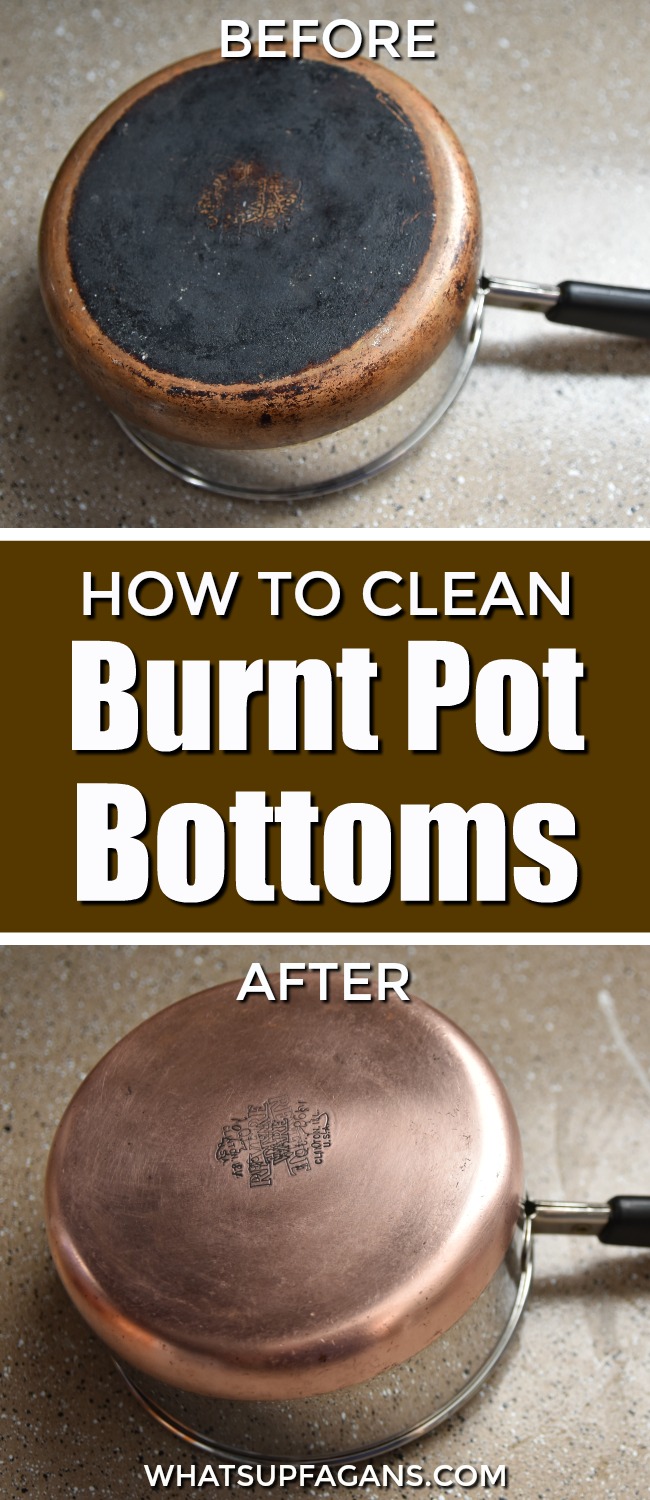
Credit: homecleaningfamily.com
Common Causes Of Burnt Saucepan Bottoms
Burnt saucepan bottoms are a common kitchen problem. They happen for several reasons. Knowing these causes helps prevent damage and keeps pans clean longer.
Burnt spots form when heat or food sticks too much. Sometimes, the pan’s material plays a role. Understanding these factors makes cleaning easier and stops future burns.
High Heat And Cooking Mistakes
High heat can quickly burn food and the pan’s bottom. Many cooks use heat that is too strong for the dish. Leaving a pan empty on heat also causes burns. Stirring less often lets food stick and burn. These common cooking errors cause dark, hard stains on saucepans.
Food Residue Build-up
Food bits left in the pan after cooking add up over time. Each cooking session adds a thin layer of residue. This layer burns faster than the clean pan surface. Sticky sauces and sugary foods cause the worst buildup. Ignoring this residue makes cleaning harder and leads to burnt bottoms.
Material Types And Heat Distribution
Different saucepan materials heat unevenly. Thin pans heat too fast and burn food easily. Heavy pans spread heat more evenly but take longer to heat. Some metals react with food and burn faster. Choosing the right pan helps reduce burnt bottoms and makes cooking smoother.
Safety Tips Before Cleaning
Cleaning a saucepan with a burnt bottom requires care to avoid injury and damage. Following safety tips before you start helps protect you and your kitchen. Simple steps make the cleaning process safer and easier.
Handling Hot Pans
Never clean a pan right after cooking. Hot pans can cause burns. Wait until the pan cools down completely. Use oven mitts or thick cloths to handle the pan. Avoid sudden temperature changes that can warp or crack the pan.
Choosing Safe Cleaning Agents
Pick cleaning products that are safe for your pan type. Avoid harsh chemicals that can damage the surface. Natural cleaners like baking soda and vinegar work well. Read labels carefully to prevent skin or respiratory irritation. Use mild detergents for regular cleaning.
Protecting Your Hands And Surfaces
Wear rubber gloves to protect your skin from harsh cleaners. Gloves also help prevent cuts or scrapes. Lay a towel or cloth under the pan to protect countertops. Keep cleaning tools like scrubbers gentle to avoid scratching. Clean spills immediately to avoid stains or damage.
Quick Fixes For Fresh Burnt Spots
Fresh burnt spots on a saucepan can be fixed quickly with simple kitchen ingredients. These quick fixes save time and effort. They work well for recent burns and stop stains from setting deep. Try these easy methods to clean your saucepan fast.
Boiling Water Method
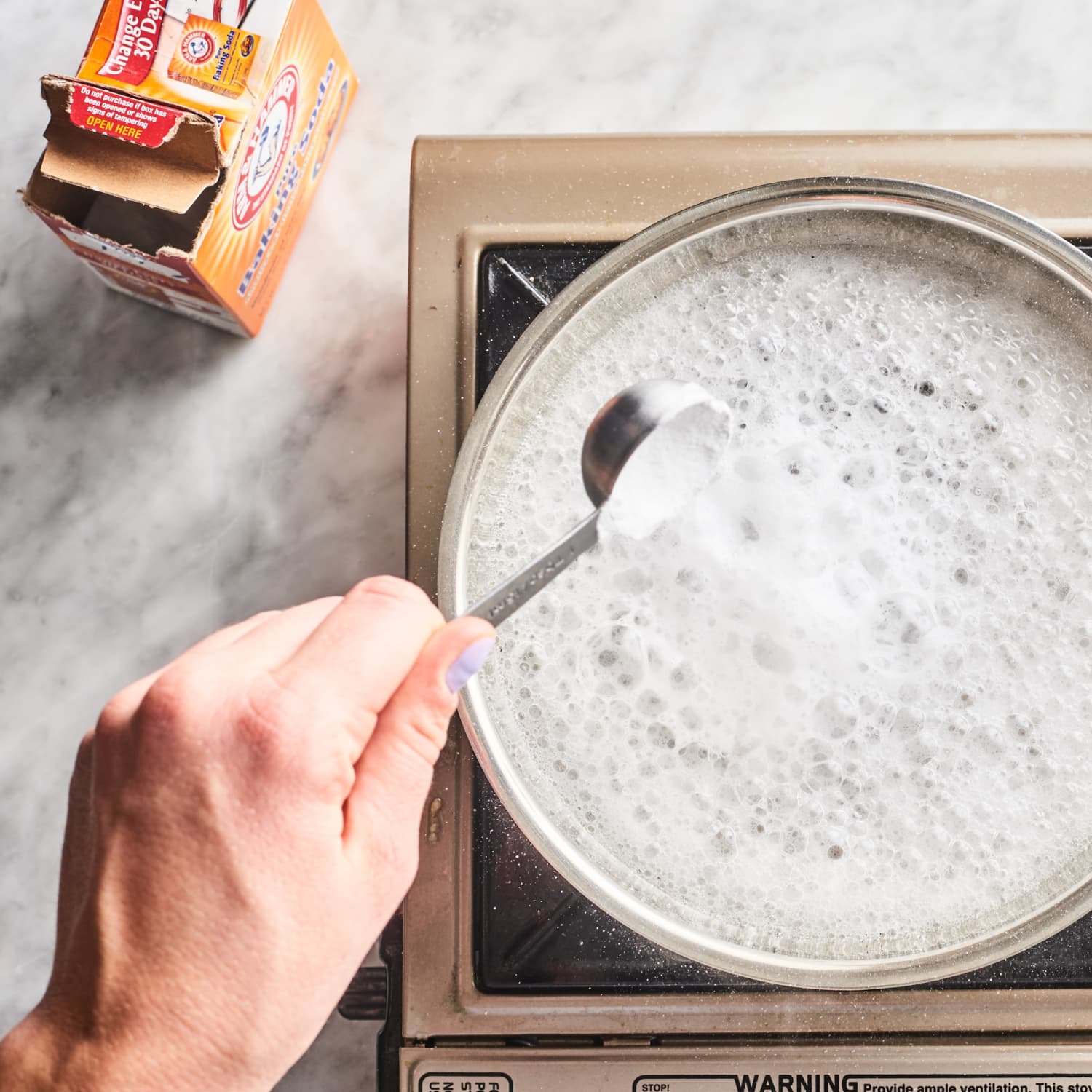
Fill the saucepan with water. Bring the water to a boil on the stove. Let it boil for 10 to 15 minutes. The heat helps loosen the burnt food. After boiling, carefully pour out the water. Use a soft sponge to scrub the burnt spots. Most of the residue will come off easily.
Baking Soda Paste
Mix baking soda with a little water to form a thick paste. Spread this paste over the burnt bottom. Let it sit for 15 to 20 minutes. Baking soda helps break down burnt food. Use a sponge or brush to scrub gently. Rinse the pan with warm water afterward. The burnt spots will look much cleaner.
Vinegar Soak Technique
Pour white vinegar into the saucepan until it covers the burnt area. Let it soak for 30 minutes. Vinegar softens burnt stains and grime. After soaking, heat the pan gently for a few minutes. Turn off the heat and cool the pan. Scrub the burnt spots with a sponge. Rinse well with water to finish.
Deep Cleaning For Stubborn Burns
Burnt bottoms on saucepans can be tough to clean. Simple washing does not always work. Deep cleaning helps remove those stubborn stains. It restores your saucepan’s look and usability.
Using Cream Of Tartar
Cream of tartar is a gentle cleaning agent. Mix two tablespoons with water to make a paste. Spread the paste on the burnt area. Let it sit for 30 minutes. Scrub gently with a soft brush. Rinse well with warm water. Repeat if needed for tough burns.
Lemon And Salt Scrub
Cut a lemon in half and sprinkle salt on it. Use the lemon to scrub the burnt bottom. The acid breaks down the burn, and salt acts as a scrub. Rub until the stains start to fade. Wash the saucepan with warm water. Dry it with a clean cloth.
Commercial Cleaners Options
Many commercial cleaners target burnt cookware. Choose one safe for your saucepan material. Follow the instructions on the packaging carefully. Usually, it involves applying the cleaner and waiting. Scrub with a non-abrasive pad. Rinse thoroughly to remove all residues. These products can save time and effort.
Natural Remedies That Work
Burnt saucepans can be tough to clean. Harsh chemicals are not always the best choice. Natural remedies offer a safe, easy way to restore your cookware. These methods use common household items. They save money and avoid damage to your saucepan. Try these simple tricks to remove burnt stains with ease.
Dish Soap And Dryer Sheet Hack
Fill the saucepan with warm water. Add a few drops of dish soap. Place a dryer sheet in the water. Let it soak for an hour or more. The dryer sheet loosens burnt food particles. After soaking, scrub gently with the sheet. Rinse the pan well. This method softens burnt bits without scratching.
Aluminum Foil Scrubbing
Crumple a piece of aluminum foil into a ball. Use it to scrub the burnt bottom of the pan. The foil is firm enough to remove stains. It is gentle enough not to harm the pan’s surface. Dip the foil in warm water for easier scrubbing. Wipe clean with a soft cloth after scrubbing.
Cornstarch Paste Approach
Mix cornstarch with a little water to form a paste. Spread the paste over the burnt areas. Let it sit for 15 to 20 minutes. Cornstarch absorbs grime and softens burnt spots. Use a sponge to scrub the paste gently. Rinse the pan thoroughly with warm water. This method works well for stubborn stains.

Credit: www.reddit.com
Preventing Future Burnt Bottoms
Preventing burnt bottoms on saucepans saves time and money. It keeps your cookware in good shape. Simple steps can stop burns before they happen. Small changes in how you cook make a big difference. Here are key tips to protect your pans and food.
Proper Heat Management
Use medium or low heat while cooking. High heat causes food to burn quickly. Preheat the pan gently before adding ingredients. Stir food often to spread heat evenly. Turn off the heat as soon as cooking finishes.
Regular Cleaning Routines
Clean your saucepan after every use. Remove food bits before they harden. Use warm water and mild soap for washing. Avoid abrasive scrubbers that damage the pan’s surface. Dry the pan well to prevent rust and stains.
Choosing The Right Cookware
Select pans with thick, even bottoms. Heavy materials like stainless steel or cast iron work best. Avoid thin, cheap pans that heat unevenly. Non-stick pans help reduce food sticking and burning. Match the pan size to your burner for better heat control.
Credit: www.thekitchn.com
Frequently Asked Questions
How Do I Remove Burnt Stains From A Saucepan Bottom?
To remove burnt stains, soak the saucepan in warm water with baking soda. Scrub gently with a non-abrasive sponge to lift the burn marks without damaging the surface.
Can Vinegar Help Clean Burnt Saucepans Effectively?
Yes, vinegar is effective. Boil equal parts vinegar and water in the saucepan. Let it cool, then scrub the burnt areas to loosen residue easily.
What Household Items Clean Burnt Pans Without Harsh Chemicals?
Baking soda, vinegar, lemon, and salt are natural cleaners. They break down burnt food safely and are eco-friendly alternatives to chemical cleaners.
Is It Safe To Use Abrasive Scrubbers On Saucepans?
Avoid abrasive scrubbers on non-stick or delicate pans. Use soft sponges or nylon scrubbers to prevent scratches and preserve the pan’s coating.
Conclusion
Cleaning a saucepan with a burnt bottom is not hard. Use simple ingredients like baking soda and vinegar. Let the pot soak to loosen the burnt bits. Scrub gently but firmly to avoid damage. Repeat if needed for tough stains.
Regular cleaning helps keep your pans in good shape. Save time and money by caring for your cookware. Your kitchen will stay clean and ready for cooking. Try these steps next time you face burnt pans. You will feel satisfied and confident in your cleaning skills.

Hello, This is Annie Walker, a 38-year-old blogger, founder, and editor of Cookware Guider from NY, USA. I am a cookware fanatic and passionate cooker. I love to cook with different types of cooking appliances (example: all types of cookware, rice cookers, slow cookers, etc) almost every day in my kitchen. I love to share my experience with my readers in my blog. Also, I enjoy helping people to solve their problems through my website. You can follow me on Twitter & Pinterest. To know details about my blog please check the about us page.