
Are you confused about the difference between a cooktop and a stove? You’re not alone.
Many people use these terms interchangeably, but they’re not exactly the same. Understanding what sets a cooktop apart from a stove can help you make smarter choices for your kitchen. Keep reading, and by the end, you’ll know exactly which one fits your cooking style and space.
Ready to clear up the mystery? Let’s dive in.
Cooktop Basics
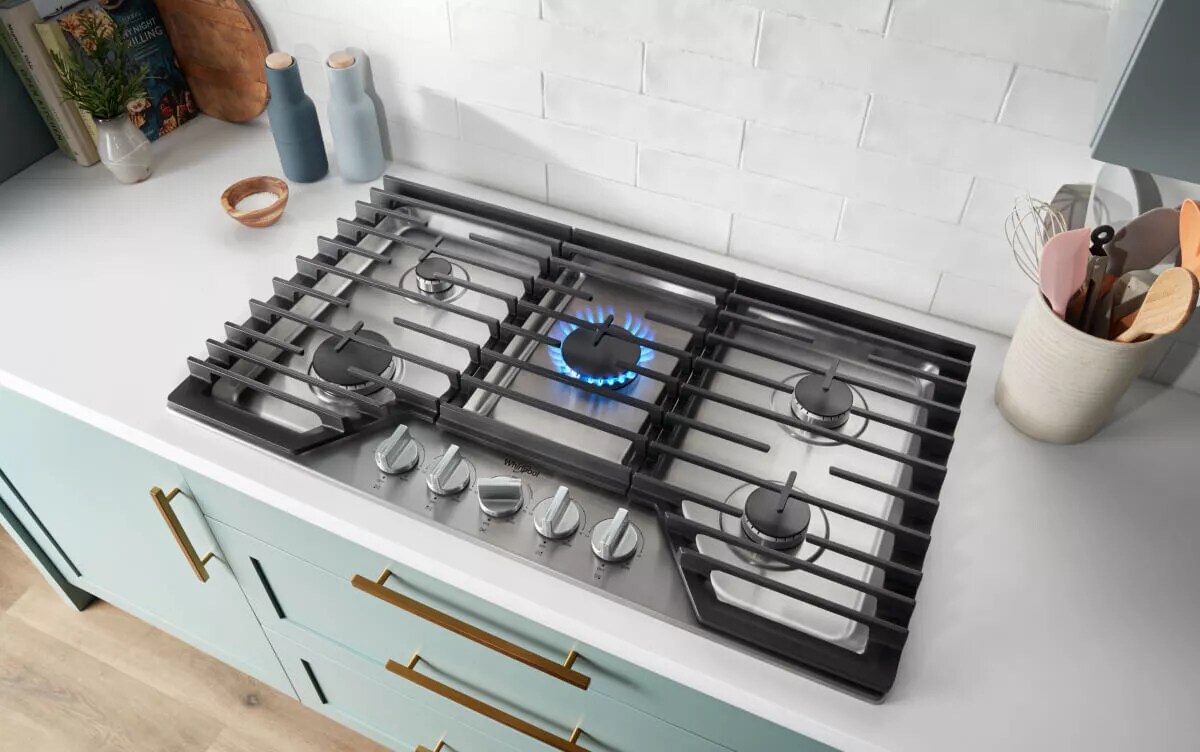
Understanding the basics of a cooktop helps clarify its role in your kitchen. A cooktop is a flat cooking surface with burners or heating elements. It differs from a stove, which usually includes an oven. Knowing the design, fuel types, and features will help you choose the right cooktop for your needs.
Design And Installation
Cooktops come in various sizes and styles. Most are built into the countertop for a seamless look. Some models fit into kitchen islands or walls. Installation needs proper support and connections. A professional often handles the setup to ensure safety and function.
Fuel Types
Cooktops use different fuel sources. Gas cooktops offer instant heat and control. Electric cooktops heat evenly and are easy to clean. Induction cooktops use magnetic fields for fast heating. Each type suits different cooking styles and budgets.
Common Features
Modern cooktops have useful features. Some include touch controls for easy use. Safety locks prevent accidental activation. Timers help manage cooking time. Many have indicator lights to show when burners are hot.
Credit: www.whirlpool.com
Stove Essentials
A stove is a key appliance in many kitchens. It helps to cook food using heat. Understanding a stove’s basics makes it easier to decide what you need. A cooktop is part of the stove but not the whole unit. Let’s explore the important parts and features of stoves.
Structure And Components
A stove has several parts. The cooktop is the top part with burners or heating elements. Below it is the oven, where baking and roasting happen. The control panel lets you adjust heat levels. Some stoves have knobs, others have touch controls. The body holds all parts together and keeps the stove stable.
Fuel Options
Stoves use different fuels for heat. Gas stoves burn natural gas or propane. Electric stoves use electricity to heat coils or glass tops. Some stoves combine both gas and electric features. Each fuel type has pros and cons for cooking speed and heat control. Choose the fuel that fits your kitchen and cooking style.
Additional Functions
Modern stoves offer extra features. Some have timers and automatic shut-off for safety. Others include convection ovens for even baking. Self-cleaning options reduce maintenance work. Some stoves have warming drawers to keep food hot. These functions add convenience but can increase the price.
Comparing Cooktops And Stoves
Understanding the difference between cooktops and stoves helps in choosing the right kitchen appliance. Both cooktops and stoves serve to cook food but vary in design and function. Comparing their size, surface, and oven options clarifies their unique features.
Size And Space Requirements
Cooktops are usually smaller than stoves. They fit into countertops and save space. Stoves take up more room, combining cooktop and oven in one unit. Smaller kitchens benefit from cooktops. Larger kitchens often use stoves for flexibility.
Cooking Surface Differences
Cooktops offer a flat cooking surface with burners or induction zones. They focus only on heating pots and pans. Stoves have a similar surface but include controls and sometimes extra features. Cooktops provide more countertop space around them. Stoves can be bulkier due to extra parts.
Oven Integration
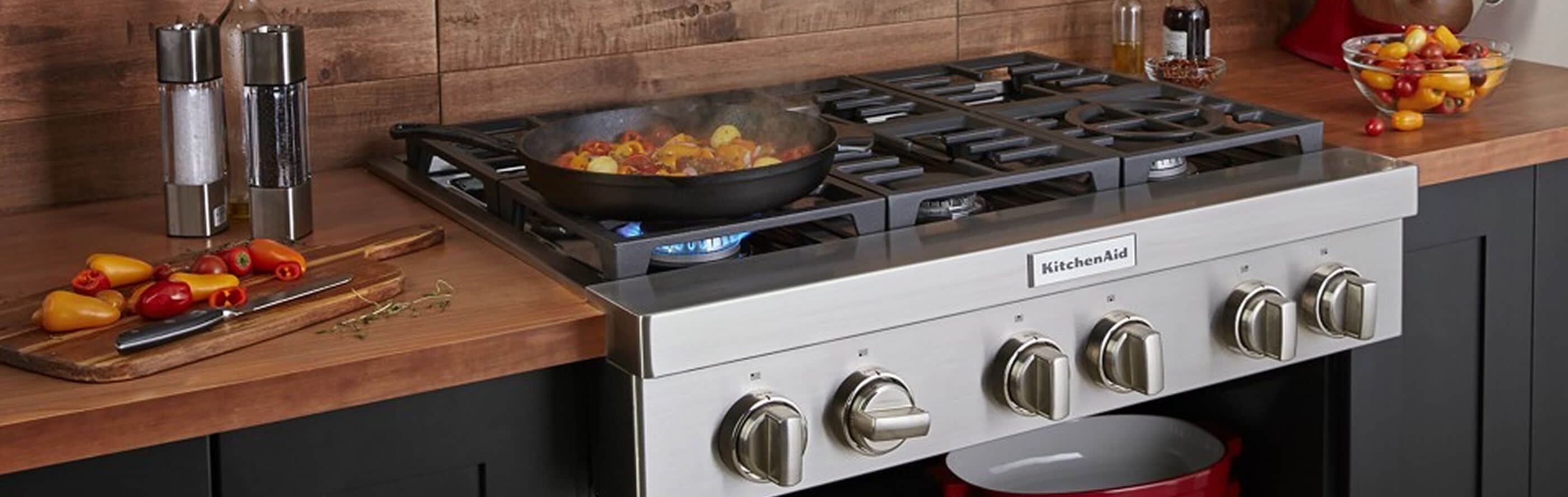
Cooktops do not include ovens. You need a separate oven for baking or roasting. Stoves combine a cooktop and an oven in one appliance. This setup saves space and adds convenience. Choosing a stove means having both cooking surfaces and an oven ready.
Credit: www.kitchenaid.com
Advantages Of Cooktops
Cooktops offer many benefits that make cooking easier and more enjoyable. They are popular in modern kitchens because they combine style and function. Understanding their advantages helps decide if a cooktop suits your kitchen needs.
Customization And Flexibility
Cooktops come in various sizes and fuel types, like gas, electric, or induction. You can choose the number of burners based on your cooking habits. This flexibility allows fitting cooktops in small or large kitchens. Some models offer special features like precise temperature control.
Aesthetics And Design
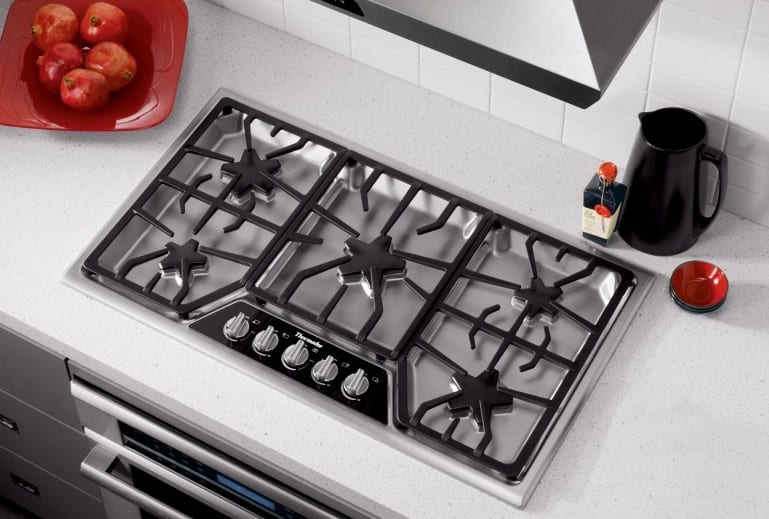
Cooktops have sleek and modern designs. They sit flush with the countertop, creating a clean look. This design fits well with many kitchen styles, from traditional to contemporary. Cooktops can be a stylish centerpiece without bulky parts.
Ease Of Cleaning
Cooktops have smooth surfaces, making cleaning fast and simple. Spills do not get trapped in crevices as in traditional stoves. Many cooktops have removable grates and burners for easy washing. This ease saves time and keeps the kitchen neat.
Advantages Of Stoves
Stoves offer many benefits that make cooking easier and more enjoyable. They combine different functions into one device. This helps save space and keeps your kitchen organized. Stoves also come in various styles and prices. This allows you to choose one that fits your needs and budget.
All-in-one Convenience
Stoves have burners and ovens in one unit. This means you can cook meals that need both heat sources at once. It saves time and effort. You don’t need separate appliances for baking and frying. Cleaning is also simpler with just one appliance to maintain.
Cost Considerations
Buying a stove can be less expensive than purchasing multiple appliances. It reduces the number of cords and outlets needed. Energy use is often lower because the stove is designed to work efficiently. Maintenance costs may be smaller since you only service one device.
Versatility In Cooking
Stoves support many cooking styles. You can boil, fry, bake, roast, and simmer. Different heat levels help create a variety of dishes. Some models include features like grills or warming drawers. This flexibility makes stoves suitable for all kinds of recipes.
Credit: www.reviewed.com
Choosing Between Cooktop And Stove
Choosing between a cooktop and a stove is an important decision for your kitchen. Both have unique features and benefits. Understanding these can help you pick the right one. Consider your kitchen space, how you cook, and your budget. This guide breaks down key factors to think about.
Kitchen Layout Factors
Cooktops fit into the countertop and save space. They work well in kitchens with limited room. Stoves combine an oven and cooktop in one unit. They need more space but offer more cooking options. Think about your kitchen size and design before choosing.
Cooking Habits
Cooktops give flexibility with different heat sources. You can choose gas, electric, or induction models. Stoves are good for those who bake and cook on top. If you cook large meals often, a stove might suit you better. Your daily cooking style matters most.
Budget And Maintenance
Cooktops usually cost less but need separate ovens. Stoves can be more expensive but include both cooking areas. Maintenance depends on the model and fuel type. Cooktops with smooth surfaces are easier to clean. Consider your budget and time for upkeep.
Frequently Asked Questions
What Is The Difference Between A Cooktop And A Stove?
A cooktop is the flat surface with burners for cooking. A stove includes the cooktop plus an oven beneath it. Cooktops focus only on heating elements, while stoves combine cooking and baking functions in one appliance.
Can A Cooktop Replace A Traditional Stove?
A cooktop can replace a stove’s cooking surface but lacks an oven. If baking is needed, a separate oven is required. Cooktops are ideal for kitchens needing only burners without the bulk of a full stove.
Are Cooktops More Energy-efficient Than Stoves?
Cooktops, especially induction models, tend to be more energy-efficient than traditional stoves. They heat faster and use less energy overall. Stoves with ovens consume more power due to baking and broiling functions.
Do Cooktops Offer The Same Cooking Options As Stoves?
Cooktops provide similar burner options as stoves but lack an oven for baking or roasting. They are excellent for stovetop cooking but limited to surface-level heat applications. Stoves offer more versatile cooking methods due to the oven.
Conclusion
A cooktop and a stove are not exactly the same. A cooktop is just the cooking surface. A stove includes the cooktop and often an oven below. Knowing this helps when choosing kitchen appliances. Each has its own benefits and uses.
Decide what fits your cooking style best. Both cooktops and stoves can cook meals well. Understanding the difference makes shopping easier and clearer. Choose what matches your kitchen space and needs. Cooking will be more enjoyable with the right choice.

Hello, This is Annie Walker, a 38-year-old blogger, founder, and editor of Cookware Guider from NY, USA. I am a cookware fanatic and passionate cooker. I love to cook with different types of cooking appliances (example: all types of cookware, rice cookers, slow cookers, etc) almost every day in my kitchen. I love to share my experience with my readers in my blog. Also, I enjoy helping people to solve their problems through my website. You can follow me on Twitter & Pinterest. To know details about my blog please check the about us page.