
Pan-fried shrimp is a simple dish that can feel special. It’s fast to make, but easy to get wrong if you miss a few details. Perfectly cooked shrimp is juicy, a bit crisp on the outside, and full of flavor. Undercooked, it can taste watery. Overcooked, it turns rubbery. This guide will show you everything you need to know about pan frying shrimp: from choosing the right shrimp, prepping it for the pan, picking the best oil, and seasoning, to mastering cooking techniques for the best results. Even if you’ve never cooked shrimp before, you’ll be able to make a restaurant-style dish at home.
Understanding Shrimp: Types, Sizes, And How To Choose
Not all shrimp are the same. There are different types and sizes. These choices change how your dish tastes and feels.
Types Of Shrimp
You will find two main types in stores:
- Wild-caught shrimp: These come from the ocean, rivers, or lakes. They often have a stronger, more complex flavor.
- Farm-raised shrimp: Grown in ponds or tanks. Their taste is usually milder, and they can be a bit more tender.
Most shrimp in the US are farm-raised. Some people prefer wild-caught for the flavor, but both work well for pan frying.
Sizes And What They Mean
Shrimp are sold by “count per pound. ” For example, “16/20” means there are 16 to 20 shrimp in a pound. The lower the number, the larger the shrimp.
Here’s a quick look at common shrimp sizes:
| Shrimp Size Name | Count Per Pound | Best Use |
|---|---|---|
| Colossal | U/10 | Grilling, impressive presentations |
| Jumbo | 11/15 | Pan frying, sautéing |
| Large | 16/20 | Pan frying, pasta, salads |
| Medium | 21/30 | Stir-fries, curries |
| Small | 31/40 | Soups, fried rice |
Large or jumbo shrimp are best for pan frying. They cook evenly and stay juicy.
Fresh Vs Frozen Shrimp
Most “fresh” shrimp at the store were frozen before. Buying frozen is just as good, often better. Choose shrimp with no freezer burn or strong fishy smell.
Tip beginners miss: If you buy pre-cooked shrimp, you can’t pan fry it the same way. Pre-cooked shrimp will turn tough and dry if cooked again.
Preparing Shrimp For Pan Frying
Proper prep is key. This step affects flavor and texture.
Cleaning And Deveining
- Peeling: Remove the shell. You can leave the tail on for looks or grip.
- Deveining: Run a small knife down the back and pull out the black line (the digestive tract). It’s safe to eat but can taste gritty.
- Rinsing: Rinse under cold water and pat dry with paper towels.
Non-obvious insight: Wet shrimp won’t brown well. Dry them thoroughly before cooking.
Brining For Better Texture
Soaking shrimp in a saltwater brine (1 tablespoon salt per 2 cups cold water) for 15 minutes can improve juiciness. Rinse and dry before cooking.
Removing Excess Moisture
Lay shrimp on a towel in a single layer. Press gently with another towel. This step gives you a crisp finish.
Should You Butterfly Shrimp?
Butterflying (cutting partway through the back) helps shrimp cook evenly and look bigger. It’s not needed, but gives a nice touch for special meals.
Choosing Seasonings And Marinades
Shrimp has a mild taste and can handle many flavors. You can keep it simple or use bold spices.
Simple Seasoning
- Salt and pepper are enough for a classic taste.
- Add a sprinkle of paprika or garlic powder for more flavor.
Marinades
Short marinades (15-30 minutes) work best. Longer times will “cook” the shrimp with acid and make it mushy.
Examples:
- Lemon juice, olive oil, garlic, and parsley
- Soy sauce, ginger, honey, and chili flakes
- Lime juice, cumin, smoked paprika, and olive oil
Beginner mistake: Avoid using too much acid (lemon, vinegar) for more than 30 minutes. Acid breaks down shrimp protein fast.
Picking The Right Oil And Pan
The right pan and oil make a big difference in texture.
Oils For Pan Frying
Use oils with a high smoke point. This lets you cook at higher heat without burning.
| Oil | Smoke Point (°F) | Flavor |
|---|---|---|
| Canola Oil | 400 | Neutral |
| Grapeseed Oil | 420 | Light, clean |
| Olive Oil (light) | 465 | Rich, mild |
| Vegetable Oil | 400 | Neutral |
| Butter | 350 | Rich, creamy |
You can use butter for flavor, but mix with oil to stop burning.
Best Pan Types
- Stainless steel pans: Give good browning but need enough oil to prevent sticking.
- Nonstick pans: Easy to use, less browning.
- Cast iron pans: Hold heat well and give a crispy surface.
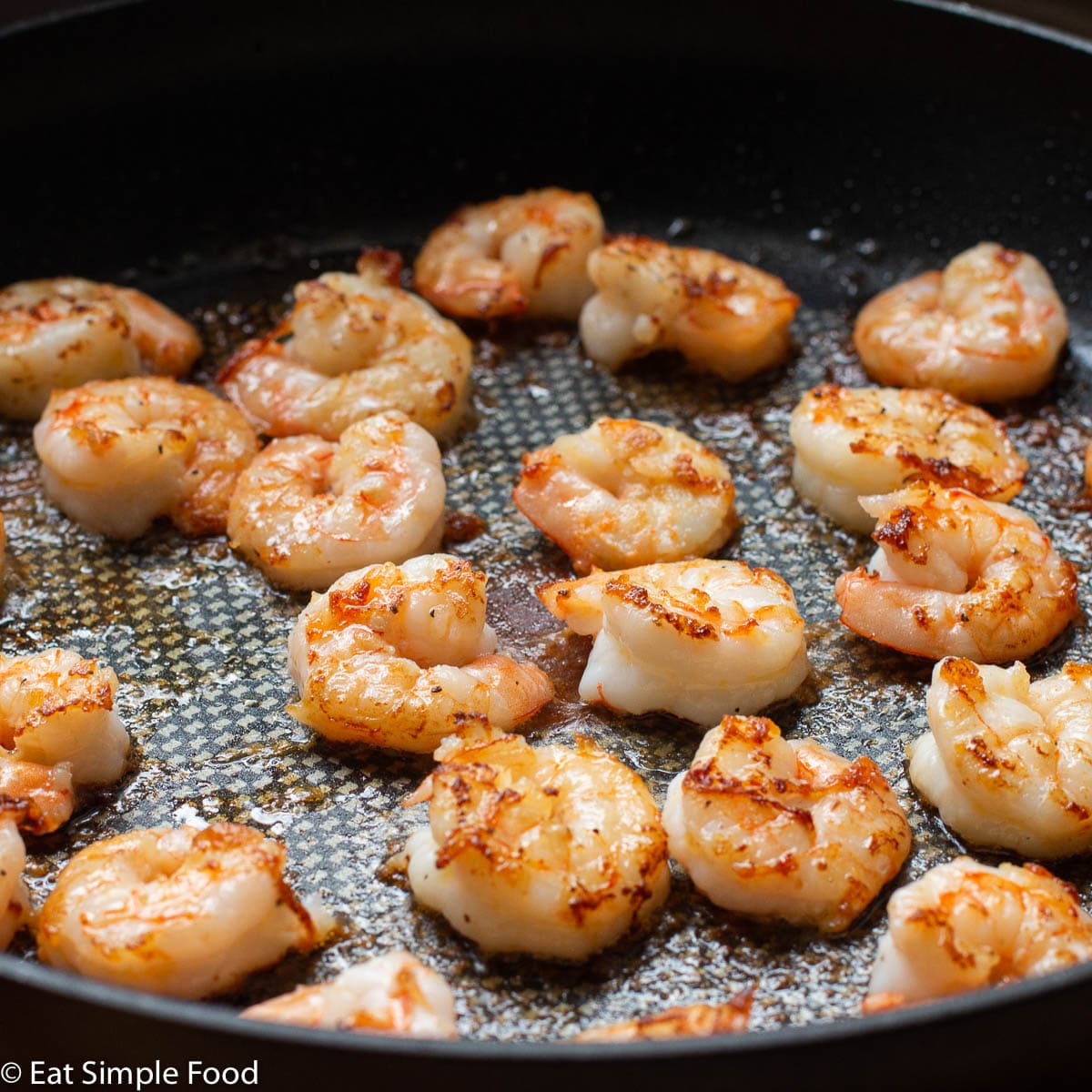
A 10- to 12-inch pan fits one pound of shrimp in a single layer.
Credit: eatsimplefood.com
Step-by-step: How To Pan Fry Shrimp
Here’s how to pan fry shrimp for the best results.
1. Thaw And Dry Shrimp
If using frozen shrimp, thaw in the fridge overnight or place in a bowl of cold water (15-20 minutes). Pat dry as described earlier.
2. Season Or Marinate
Season with salt, pepper, and any spices you like. If marinating, do it for 15-30 minutes max.
3. Preheat The Pan
Place your pan over medium-high heat. Add 1-2 tablespoons of oil and heat until shimmering.
4. Add Shrimp In A Single Layer
Don’t overcrowd the pan. Each shrimp should touch the surface. If needed, cook in batches.
5. Cook Until Pink And Slightly Brown
Shrimp cook fast. For large shrimp (16/20), cook about 1.5 to 2 minutes per side. Turn when the bottom turns pink and you see a golden edge.
Non-obvious insight: Shrimp curl into a “C” shape when done. If they curl tightly into an “O”, they are overcooked.
6. Remove From Pan
Take shrimp out as soon as both sides are pink and slightly browned. Residual heat will finish the cooking.
7. Finish And Serve
Add a squeeze of lemon or a pat of butter for more flavor. Serve hot.
Common Mistakes When Pan Frying Shrimp
Many beginners make errors that ruin the dish. Here’s how to avoid them.
- Overcooking: Shrimp turn rubbery quickly. Set a timer and watch closely.
- Not drying shrimp: Wet shrimp steam instead of browning.
- Overcrowding the pan: Too many shrimp lower the pan’s heat, leading to soggy results.
- Cold pan: If oil isn’t hot enough, shrimp stick and don’t brown.
- Adding acid too early: Marinate shrimp only briefly with acidic liquids.
Pro tip: Remove the pan from heat just before shrimp are fully cooked. Let them finish with residual heat.
Creative Flavor Ideas For Pan-fried Shrimp
Shrimp is like a blank canvas. Try these ideas for more excitement:
- Garlic butter: Add minced garlic to the pan before adding shrimp. Finish with butter and parsley.
- Spicy Cajun: Use a mix of paprika, cayenne, garlic powder, and thyme.
- Asian-style: Cook with ginger and scallions, finish with sesame oil.
- Lemon herb: Cook with lemon zest and fresh herbs like basil or dill.
Use leftover pan drippings to flavor rice or vegetables.
How To Tell When Shrimp Is Done
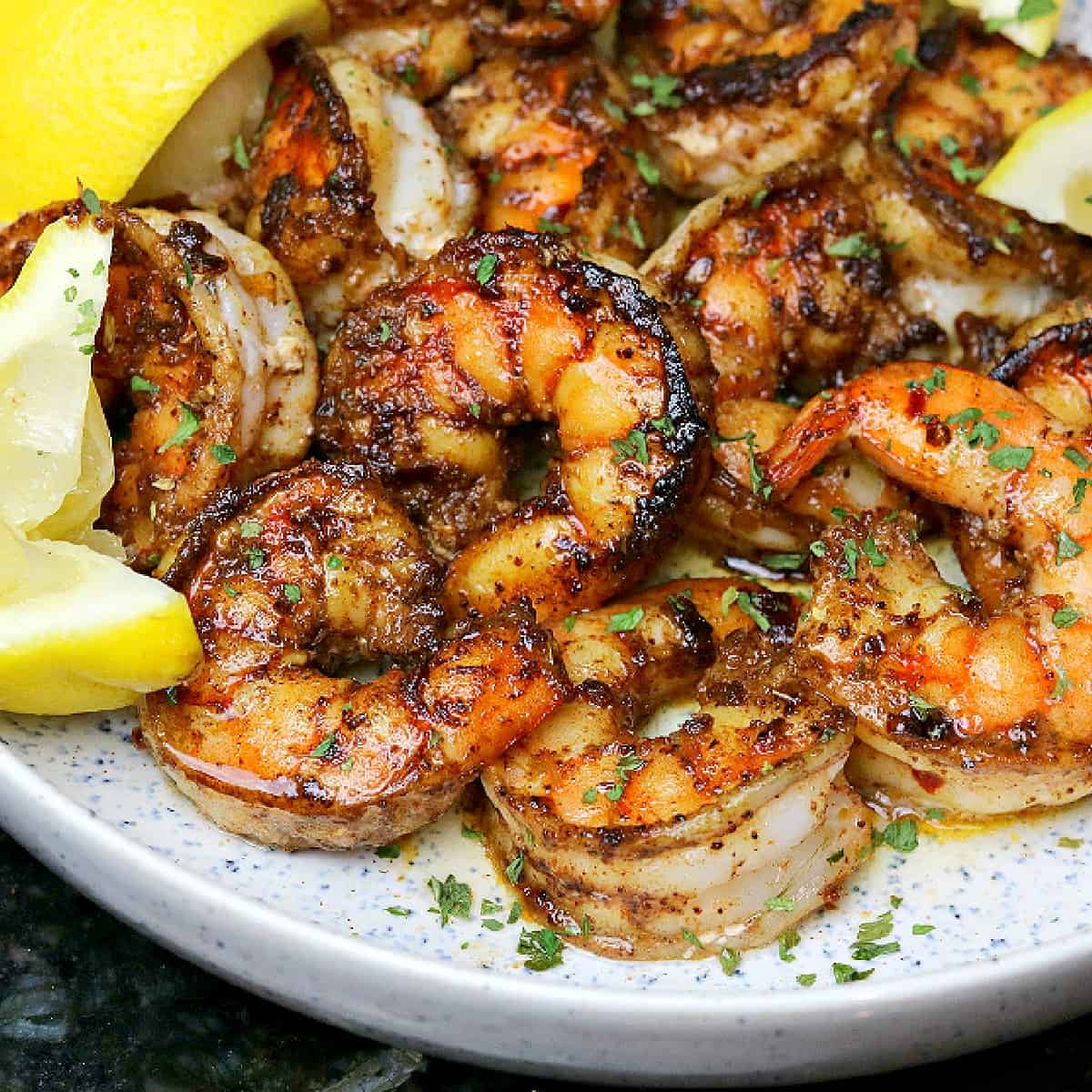
Perfectly cooked shrimp is pink with a hint of golden brown and is just firm to the touch.
Visual And Texture Cues
- Color: Raw shrimp is gray and translucent. Cooked shrimp is pink and opaque.
- Shape: Done shrimp form a “C.” “O” means overcooked.
- Surface: Should be slightly crisp from browning.
Temperature
If you use a meat thermometer, shrimp should reach 120-130°F in the thickest part.
Credit: drdavinahseats.com
Serving Ideas For Pan-fried Shrimp
Pan-fried shrimp is versatile. You can serve it in many ways.
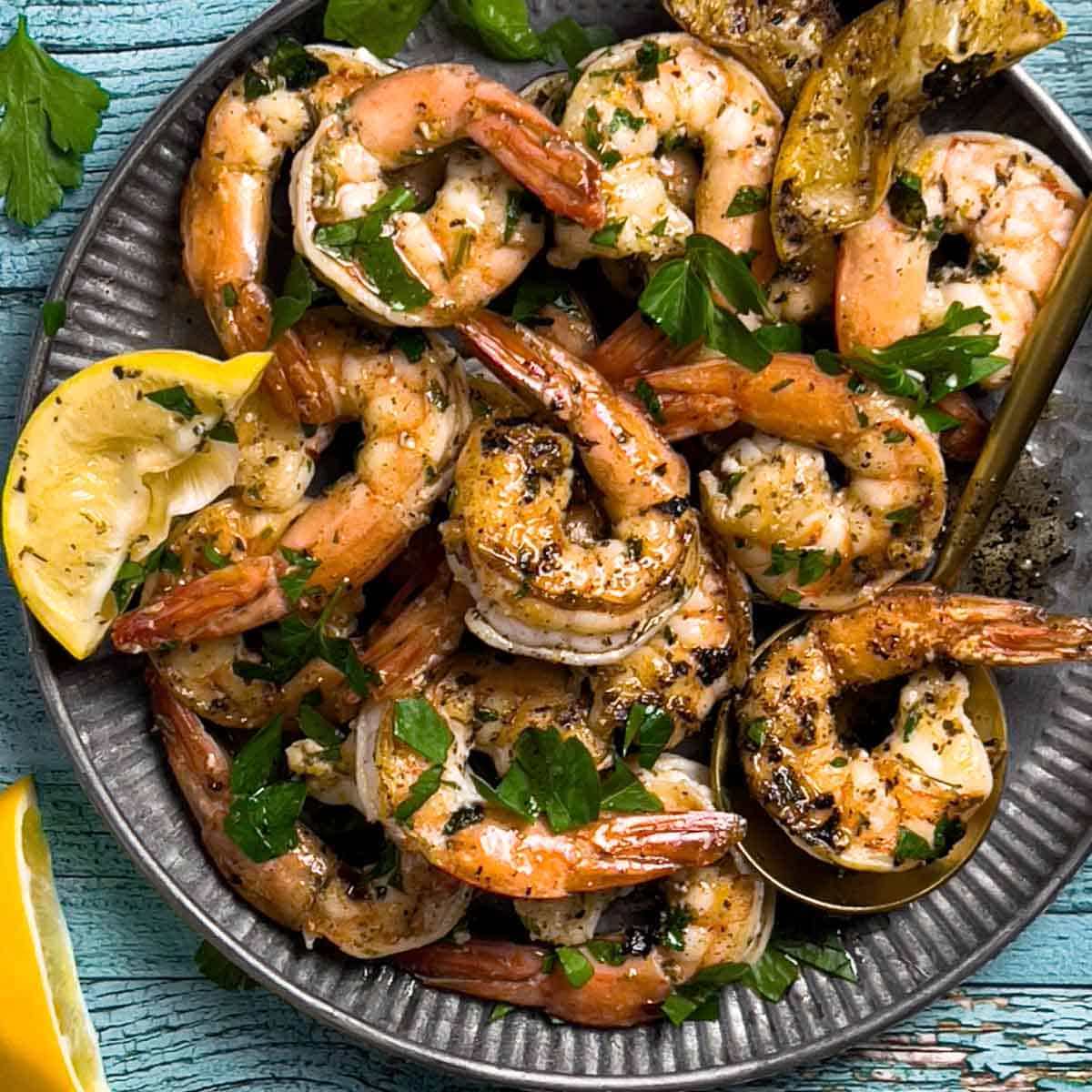
- With rice or pasta: Toss shrimp with linguine, garlic, and olive oil.
- On salads: Add to a bed of greens with lemon vinaigrette.
- In tacos: Use warm tortillas, cabbage, and a spicy sauce.
- As an appetizer: Serve with cocktail sauce or aioli.
Pro tip: Serve immediately for best texture. Shrimp cool and dry out fast.
Storing And Reheating Pan-fried Shrimp
Leftover shrimp can be tasty if handled right.
- Storage: Cool shrimp quickly. Store in an airtight container in the fridge for up to 2 days.
- Reheating: Warm gently in a pan over low heat with a splash of water or oil. Avoid microwaving, which can make shrimp rubbery.
Beginner tip: Shrimp is best fresh. Only cook as much as you need.
Credit: thevirtualcaterer.com
Nutrition Facts: Why Pan-fried Shrimp Is Healthy
Shrimp is low in calories and high in protein. It also contains vitamins and minerals like selenium, B12, and iodine.
Here’s a quick look at the nutrition for a 3-ounce (85g) serving of cooked shrimp:
| Nutrient | Amount | % Daily Value (approx.) |
|---|---|---|
| Calories | 84 | 4% |
| Protein | 18g | 36% |
| Total Fat | 0.3g | <1% |
| Sodium | 94mg | 4% |
| Cholesterol | 166mg | 55% |
| Vitamin B12 | 1.4mcg | 23% |
| Selenium | 34mcg | 62% |
Shrimp is also low in mercury compared to many other seafood options.
For more details on seafood nutrition, check out the FDA’s seafood advice.
Cleaning Up After Pan Frying Shrimp
Shrimp can leave a strong smell in your kitchen and pan.
- Deodorizing the pan: Boil water with a bit of vinegar in your pan after cooking.
- Kitchen air: Simmer a pot of water with lemon peels and cloves to freshen the air.
- Hands: Rub your hands with lemon juice to remove odors.
Non-obvious tip: Avoid putting shrimp shells down the garbage disposal. They can clog pipes.
Frequently Asked Questions
How Long Does It Take To Pan Fry Shrimp?
Shrimp cooks very fast. For large shrimp (16/20 count), it takes about 1.5 to 2 minutes per side on medium-high heat. Smaller shrimp will need less time. Watch for shrimp to turn pink and form a “C” shape.
Should You Peel Shrimp Before Pan Frying?
You can pan fry shrimp with or without the shell. Peeling makes it easier to eat and lets seasoning stick better. Leaving the shell on can help keep shrimp juicy and gives a little extra flavor, especially if you like to suck the juices from the shell.
Can You Pan Fry Frozen Shrimp?
It’s best to thaw shrimp before pan frying for even cooking and better browning. Thaw in the fridge overnight or in a bowl of cold water for 15-20 minutes. Cooking shrimp straight from frozen can lead to uneven texture.
What Seasonings Go Best With Pan-fried Shrimp?
Classic options are salt, pepper, garlic powder, and paprika. For more flavor, try Cajun spice, lemon zest, or chili flakes. Shrimp pairs well with both simple and bold seasonings.
How Do You Keep Shrimp From Sticking To The Pan?
Make sure the pan and oil are hot before adding shrimp. Dry shrimp very well before cooking. Using a nonstick pan or enough oil in a stainless steel pan will also help prevent sticking.
Pan-fried shrimp is a dish anyone can master with a few smart steps. Choosing the right shrimp, drying it well, and keeping an eye on the pan will give you great results. Try different seasonings and serving ideas to keep things interesting.
With practice, you’ll be able to serve perfectly cooked shrimp every time—whether as a quick weeknight meal or for special guests.

Hello, This is Annie Walker, a 38-year-old blogger, founder, and editor of Cookware Guider from NY, USA. I am a cookware fanatic and passionate cooker. I love to cook with different types of cooking appliances (example: all types of cookware, rice cookers, slow cookers, etc) almost every day in my kitchen. I love to share my experience with my readers in my blog. Also, I enjoy helping people to solve their problems through my website. You can follow me on Twitter & Pinterest. To know details about my blog please check the about us page.