
Cooking the perfect sirloin steak in a pan is a skill every home cook can master. Sirloin is prized for its balance of tenderness, flavor, and value. But many people worry about making it tough or dry. The truth is, pan-frying sirloin steak is straightforward if you pay attention to a few details.
This article will walk you step-by-step through the process, including choosing the best steak, prepping it, and cooking it for restaurant-quality results. Along the way, you’ll find practical tips, common mistakes to avoid, and data-backed comparisons to help you get the most from your steak.
Whether you’re new to cooking or want to take your skills to the next level, you’ll find everything you need right here.
Why Pan Fry Sirloin Steak?
Pan-frying is one of the quickest ways to cook sirloin steak. It creates a beautiful crust, locks in juices, and allows for good control over doneness. Unlike grilling, you can cook year-round, no matter the weather. It also requires very little equipment—just a pan and a stove.
Sirloin steak is a versatile cut, perfect for pan-frying. It comes from the back of the cow, between the short loin and the round. It’s more flavorful than filet mignon but more tender than round steak. Many chefs and home cooks choose sirloin for its great balance of price and quality.
Choosing The Right Sirloin Steak
Not all sirloin steaks are the same. Selecting the right cut will make a big difference in your final dish. Here’s what you should consider:
Grades And Marbling
The USDA grades beef by tenderness, juiciness, and flavor. The three main grades you’ll see in stores are:
| Grade | Description | Best For |
|---|---|---|
| Prime | Highest marbling, very tender | Special occasions |
| Choice | Good marbling, widely available | Everyday cooking |
| Select | Less marbling, leaner | Budget-friendly |
For pan-frying, Choice or Prime sirloin is best. Marbling—the small streaks of fat within the meat—keeps the steak juicy. Avoid steaks that look very lean or have a dry surface.
Thickness
A thicker steak (about 1 to 1.5 inches) is easier to cook evenly. Thin steaks (less than 1 inch) can overcook quickly. If you want your steak juicy inside with a good sear outside, ask your butcher for a thicker cut.
Bone-in Vs Boneless
Sirloin steaks can be bone-in or boneless. Bone-in steaks often have more flavor, but boneless are easier to handle and cook more evenly. For beginners, boneless is usually a safer choice.
Fresh Vs Frozen
Fresh steaks are ideal, but high-quality frozen sirloin can be just as good if thawed properly in the fridge overnight. Never thaw steak at room temperature or in warm water, as this can affect texture and safety.
What You Need: Tools And Ingredients
Having the right tools and ingredients makes pan-frying sirloin steak much easier. Here’s a quick checklist:
Essential Tools
- Heavy skillet (cast iron or stainless steel): Holds heat well for a good sear.
- Tongs: For flipping the steak.
- Instant-read thermometer: For checking doneness.
- Paper towels: To pat the steak dry.
- Small bowl: For mixing seasoning (optional).
- Cutting board: For resting and slicing.
Key Ingredients
- 1 sirloin steak (1–1.5 inches thick, 8–12 ounces)
- 1–2 teaspoons of kosher salt
- 1 teaspoon of black pepper
- 1–2 tablespoons of high-smoke point oil (canola, grapeseed, or avocado)
- 1 tablespoon of unsalted butter (for finishing)
- Optional: Fresh herbs (like thyme or rosemary), 1–2 cloves of garlic
Ingredient Data Comparison
Different oils affect taste and smoke point. Here’s a quick comparison:
| Oil | Smoke Point (°F) | Flavor |
|---|---|---|
| Canola | 400 | Neutral |
| Grapeseed | 420 | Light, clean |
| Avocado | 520 | Neutral |
| Olive (extra virgin) | 375 | Strong, fruity |
Choose a neutral, high-smoke point oil for searing. Save butter for basting at the end—it adds flavor without burning.
Step-by-step Guide To Pan Frying Sirloin Steak
Cooking a great steak is all about control—over temperature, time, and technique. Here’s how to do it, broken down into easy steps.
1. Bring The Steak To Room Temperature
Take the steak out of the fridge 30–45 minutes before cooking. This helps it cook more evenly. Cold steak can cook unevenly and may be tough.
2. Pat Dry And Season Well
Use paper towels to pat the steak completely dry. Moisture on the surface will steam the meat and prevent a good crust. Season generously with salt and black pepper on all sides. Don’t be shy—much of the seasoning stays on the pan.
3. Preheat The Pan
Heat your skillet over medium-high heat for 3–5 minutes. It should be very hot before adding the oil. A drop of water should sizzle and evaporate on contact.
4. Add Oil And Sear
Pour in enough oil to lightly coat the bottom of the pan. When it shimmers, carefully lay the steak in the pan, away from you to avoid splatters.
Let the steak cook without moving it for 2–3 minutes. You’re looking for a deep, golden-brown crust.
5. Flip And Sear The Other Side
Use tongs to flip the steak. Cook for another 2–3 minutes. For a 1-inch steak, this will give you a medium-rare to medium finish.
6. Add Butter, Herbs, And Garlic (optional)
Reduce heat to medium. Add butter, herbs, and garlic to the pan. Tilt the pan and spoon melted butter over the steak for 1–2 minutes. This is called basting, and it adds flavor and moisture.
7. Check Doneness
Use an instant-read thermometer to check the internal temperature:
- Rare: 120–125°F
- Medium-rare: 130–135°F
- Medium: 140–145°F
- Medium-well: 150–155°F
- Well-done: 160°F+
Remember, the steak will rise about 5°F as it rests. Remove it when it’s 5°F below your target.
8. Let It Rest
Place the steak on a cutting board and tent loosely with foil. Rest for 5–10 minutes. This lets juices redistribute, making the steak juicy.
9. Slice And Serve
Slice against the grain for maximum tenderness. Serve immediately, spooning any pan juices on top.
How Doneness Affects Texture And Flavor
Choosing your steak’s doneness is personal, but it also affects the eating experience. Here’s a quick look at how doneness changes texture and flavor:
| Doneness | Internal Temp (°F) | Color | Texture | Juiciness |
|---|---|---|---|---|
| Rare | 120–125 | Red, cool center | Very soft | Maximum |
| Medium-rare | 130–135 | Warm red center | Tender | Very juicy |
| Medium | 140–145 | Pink center | Firm, still tender | Juicy |
| Medium-well | 150–155 | Slightly pink | Firm | Less juicy |
| Well-done | 160+ | No pink | Tough | Dry |
For most people, medium-rare is the sweet spot for flavor and tenderness.
Non-obvious Tips For Perfect Pan-fried Sirloin
Even if you follow the basic steps, a few extra insights can take your steak from good to great.
Dry Brining
For better flavor, salt your steak 1–2 hours before cooking and let it rest uncovered in the fridge. This is called “dry brining.” It draws moisture to the surface, then reabsorbs it, making the steak more flavorful and tender. Pat it dry before cooking.
Rest The Steak On A Rack
Instead of a plate, rest your steak on a wire rack set over a tray. This keeps the bottom from steaming in its own juices, preserving the crust.
Don’t Overcrowd The Pan
If you’re cooking more than one steak, use a larger pan or cook in batches. Overcrowding lowers the pan temperature and leads to uneven browning.
Use The Right Pan Material
Cast iron is ideal for pan-frying steak. It retains heat and creates a great crust. Stainless steel works too, but avoid nonstick pans—they can’t handle high heat and won’t give a good sear.
Sear The Sides
For extra flavor, hold the steak with tongs and sear the fat cap or edges for 20–30 seconds after searing both sides.
Common Mistakes (and How To Avoid Them)
Many home cooks make the same errors when pan-frying steak. Here’s how to avoid the most common pitfalls:
- Cooking straight from the fridge: Always let the steak come to room temperature. Cold meat cooks unevenly.
- Pan not hot enough: Without enough heat, you’ll get gray, steamed meat—not a golden crust.
- Not drying the steak: Moisture on the surface prevents browning.
- Flipping too often: Let the steak sear undisturbed for a good crust, but flipping only once is not required. Flipping more than once can help even cooking if you’re careful.
- Skipping the rest: Cutting into the steak too soon will let juices run out, making it dry.
- Not using a thermometer: Guessing doneness leads to overcooked or undercooked steak. An instant-read thermometer is a small investment for perfect results.
- Overcooking: Sirloin dries out faster than fattier cuts. Pull it from the pan earlier than you think.
Flavor Variations And Simple Sauces
A classic pan-fried sirloin steak is delicious with just salt, pepper, and butter. But you can easily change the flavor with simple additions:
- Garlic butter: Mash roasted garlic into your butter before basting.
- Fresh herbs: Try thyme, rosemary, or sage for basting.
- Spice rubs: Mix smoked paprika, garlic powder, and cumin for a smoky crust.
- Pan sauce: After removing the steak, add a splash of red wine or beef broth, scrape up brown bits, and finish with a knob of butter.
A quick pan sauce is a great way to use the flavorful bits left in the pan. Just be sure to deglaze the pan while it’s still hot.

Credit: www.onceuponachef.com
How To Serve Sirloin Steak
Sirloin steak is versatile. Here are some serving ideas:
- With a classic baked potato and green beans
- Over a fresh salad with blue cheese and walnuts
- Sliced thinly for steak sandwiches
- With sautéed mushrooms and onions
Always slice against the grain for the most tender bite.
Nutrition Facts And Health Information
Sirloin steak is a good source of protein, iron, and B vitamins. It’s leaner than ribeye or T-bone, making it a healthier choice for those watching fat intake.
A 6-ounce cooked sirloin steak contains:
- Calories: ~340
- Protein: ~48g
- Fat: ~16g
- Carbohydrates: 0g
- Iron: ~20% of daily value
Removing excess fat before cooking can reduce calories further. Choose grass-fed beef if you want higher omega-3s and lower saturated fat.
Storing And Reheating Leftover Steak
Proper storage keeps your steak tasting good, even the next day.
- Refrigerate leftovers within 2 hours, wrapped tightly or in an airtight container. Eat within 3–4 days.
- For freezing, wrap in plastic and foil or use a freezer bag. Best eaten within 2 months.
- To reheat, bring to room temp, then heat in a 250°F oven until just warm (about 10–15 minutes). Avoid the microwave—it can make steak rubbery.
- Use leftovers in salads, sandwiches, or stir-fries for a quick meal.
Advanced Techniques: Reverse Sear And Finishing In Oven
If you want to experiment, try the reverse sear method. Start the steak in a low oven (250°F) until it’s about 10°F below your target doneness, then sear in a hot pan for 1–2 minutes per side. This gives you a more even doneness and a great crust.
For very thick sirloin steaks (2 inches or more), sear both sides in the pan and finish in a 400°F oven until done. This prevents burning the outside before the inside is cooked.
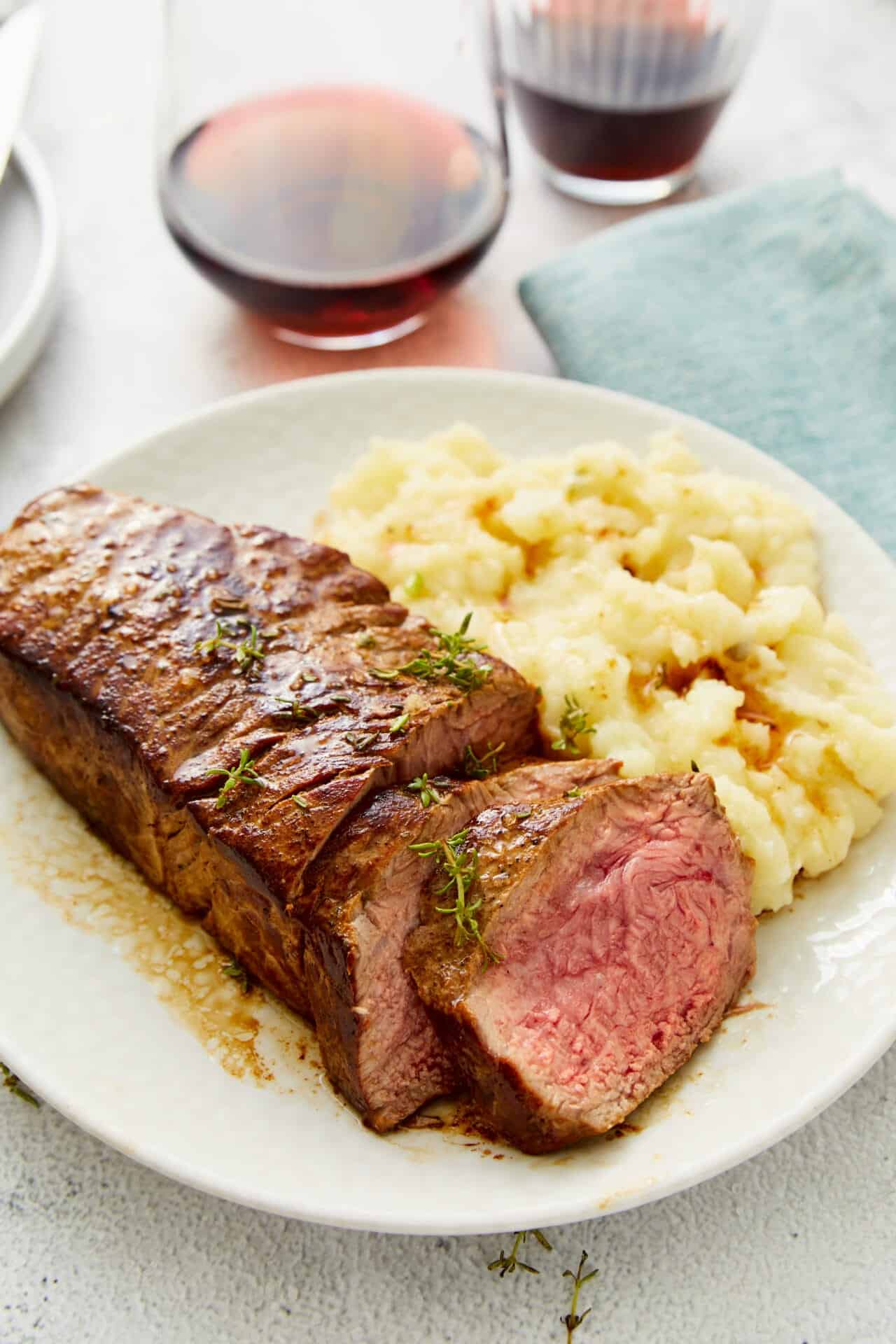
Credit: www.antillespr.edu
Environmental Impact And Ethical Choices
Choosing sirloin steak has an impact beyond your table. Consider buying from local farms or choosing grass-fed beef for lower environmental impact. Some farms use sustainable practices that reduce water and land use.
Beef production creates more greenhouse gases than chicken or pork. Eating steak less often, or choosing smaller portions, is a simple way to lower your footprint. For more info on sustainable beef, see the National Cattlemen’s Beef Association.
Frequently Asked Questions
How Do I Know When My Sirloin Steak Is Done Without A Thermometer?
You can use the finger test: Press the steak with your finger or tongs. Rare feels very soft, medium-rare feels slightly springy, medium is firmer, and well-done is very firm. This method isn’t as accurate as a thermometer, but with practice, it helps.
Why Is My Sirloin Steak Tough?
Overcooking is the most common reason. Sirloin doesn’t have much fat, so it dries out quickly. Also, not letting the steak rest or slicing with the grain can make it chewy. Always slice against the grain for tenderness.
Can I Use Olive Oil For Pan-frying Steak?
You can use light or pure olive oil, which has a higher smoke point than extra virgin. Extra virgin olive oil can burn at high heat and create off flavors. For a better sear, use canola, grapeseed, or avocado oil.
Should I Marinate Sirloin Steak Before Pan-frying?
You don’t need to marinate high-quality sirloin, but a quick marinade can add extra flavor. Avoid acidic marinades for more than an hour—they can make the steak mushy. A dry rub or simple salt and pepper works best for pan-frying.
What Is The Best Pan For Frying Steak?
Cast iron is the top choice for frying steak. It holds heat well and creates the best crust. Stainless steel is also good. Avoid nonstick pans—they can’t get hot enough and the coating can break down at high temperatures.
Cooking sirloin steak in a pan is a simple way to enjoy a classic, flavorful meal at home. With the right cut, proper seasoning, and careful attention to technique, anyone can achieve a restaurant-worthy result. Remember the little details—like resting, slicing against the grain, and using a thermometer—for the best outcome.
Whether you serve it for a special occasion or a weeknight dinner, a well-cooked sirloin steak is always a treat.
:max_bytes(150000):strip_icc()/perfect-pan-seared-steaks-recipe-step-beauty-c7a9ca69ad9e4d4cb783f845fd429251.JPG)
Credit: www.seriouseats.com

Hello, This is Annie Walker, a 38-year-old blogger, founder, and editor of Cookware Guider from NY, USA. I am a cookware fanatic and passionate cooker. I love to cook with different types of cooking appliances (example: all types of cookware, rice cookers, slow cookers, etc) almost every day in my kitchen. I love to share my experience with my readers in my blog. Also, I enjoy helping people to solve their problems through my website. You can follow me on Twitter & Pinterest. To know details about my blog please check the about us page.