
Cooking a hamburger in a frying pan is a skill that transforms a simple meal into something delicious and satisfying. You don’t need fancy equipment or years of experience—just the right technique, a good pan, and a few helpful tips.
In this guide, you’ll learn exactly how to cook a juicy hamburger on your stovetop, from choosing the best meat to assembling a burger that rivals your favorite diner.
Why Cook Hamburgers In A Frying Pan?
When you use a frying pan, you have more control over the cooking process. Unlike grilling, where flare-ups and uneven heat can make things tricky, a pan gives you steady contact with the meat. This means you can create a flavorful crust, keep the inside moist, and cook your burger just the way you like it.
Plus, anyone with a stovetop can do it—no backyard or grill required.
Choosing The Right Ingredients
Best Ground Beef For Hamburgers
The foundation of a great hamburger is quality ground beef. Look for 80/20 ground beef—that means 80% lean, 20% fat. The fat adds flavor and juiciness. Leaner beef (like 90/10) can turn out dry and tough, especially in a frying pan.
| Type of Ground Beef | Fat Content | Best For |
|---|---|---|
| 80/20 | 20% | Juicy, flavorful burgers |
| 85/15 | 15% | Balanced flavor and less grease |
| 90/10 | 10% | Healthier, but drier burgers |
Bun And Toppings
A soft, fresh burger bun is best. Classic potato buns or brioche buns hold up well and taste great. For toppings, keep it simple or go creative:
- Lettuce, tomato, onion
- Pickles, ketchup, mustard
- Cheese (American, cheddar, Swiss)
- Bacon, grilled mushrooms, jalapeños
Seasonings
Salt and pepper are essential. You can also add a sprinkle of garlic powder or onion powder for extra flavor, but don’t overcomplicate things. Let the beef shine.

Credit: www.omahasteaks.com
Tools You Need
- Heavy frying pan or skillet (cast iron is best, but stainless steel works)
- Spatula (a sturdy metal one works best)
- Meat thermometer (optional, but helps with accuracy)
- Paper towels
- Plate for resting the burgers
Step-by-step: Cooking A Hamburger In A Frying Pan
Let’s break down the process so you get a juicy, well-cooked burger every time.
1. Shape The Patties
Start with cold ground beef. Divide into equal portions—4 to 6 ounces per patty is standard. Gently form into balls, then flatten to about 3/4-inch thick. Make a small indentation in the center with your thumb. This helps the patty cook evenly and prevents it from puffing up.
> Pro tip: Do not overwork the meat. Handling it too much makes the burger tough.
2. Season The Patties
Just before cooking, sprinkle both sides with salt and black pepper. If you season too early, the salt draws out moisture and can dry the burger.
3. Preheat The Pan
Place your pan on medium-high heat. Let it get hot—this is key for a good sear. Add a small amount of neutral oil (like canola or vegetable), just enough to coat the bottom lightly.
4. Cook The Burgers
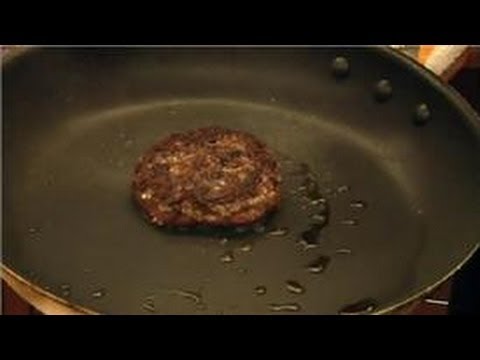
Lay the patties in the hot pan. You should hear a sizzle. Don’t crowd the pan—give each patty space.
- For medium-rare: Cook 3 minutes on the first side, flip, then another 3 minutes on the other.
- For medium: 4 minutes per side.
- For well-done: 5 minutes per side.
Do not press down on the patties with your spatula. This squeezes out juices and makes the burger dry.
Check the internal temperature for safety:
| Doneness | Internal Temperature | Color |
|---|---|---|
| Medium-rare | 130–135°F | Warm, red center |
| Medium | 140–145°F | Pink center |
| Well-done | 160°F+ | No pink |
5. Add Cheese (optional)
If you want a cheeseburger, add a slice of cheese about one minute before the burgers are done. Cover the pan with a lid or foil for 30 seconds to help the cheese melt evenly.
6. Rest The Burgers
Once cooked, transfer the patties to a plate. Let them rest for 2–3 minutes. This step helps the juices redistribute, so every bite is moist.
7. Toast The Buns (optional)
For extra flavor, place the buns cut-side down in the hot pan for 1 minute. They’ll soak up a bit of the burger’s flavor and won’t get soggy.
8. Assemble Your Burger
Start with the bottom bun, add your patty, then layer on toppings and sauces. Finish with the top bun. Press gently and serve immediately.
:max_bytes(150000):strip_icc()/Simply-Recipes-Burger-On-Stovetop-METHOD-02-5a129272bf0344588c1bee3dfc2c4f2f.jpg)
Credit: www.simplyrecipes.com
Practical Cooking Tips For Better Pan-fried Hamburgers
- Use cast iron for the best crust. Cast iron pans hold heat evenly and create a nice sear.
- Start with cold meat, but let patties sit at room temp for 5 minutes before cooking. This helps them cook evenly.
- Don’t flip more than once. Flipping too often can break the crust and dry the burger.
- Wipe out excess fat if cooking multiple batches. Too much grease can make burgers greasy instead of juicy.
- Add a splash of water and cover for extra-juicy burgers. The steam keeps the meat moist, especially if you want well-done burgers.
Common Mistakes To Avoid
Even simple recipes have pitfalls. Here are mistakes that beginners often make:
- Forming patties too tightly: This makes burgers dense and dry. Handle the meat gently.
- Skipping the thumb indentation: Without it, burgers puff up and cook unevenly.
- Cooking straight from the fridge: Ice-cold patties can cook unevenly; let them sit out for a few minutes.
- Overcrowding the pan: This lowers the temperature, making burgers steam rather than sear.
- Pressing burgers while cooking: This squeezes out juices and makes the burger less flavorful.
Credit: www.youtube.com
Comparison: Pan-fried Vs. Grilled Burgers
Ever wonder how pan-fried burgers stack up to grilled burgers? Here’s a quick look:
| Aspect | Pan-Fried | Grilled |
|---|---|---|
| Flavor | Rich, beefy, caramelized crust | Smoky, charred flavor |
| Juiciness | Often juicier (if cooked right) | Can dry out faster |
| Control | High—easy to monitor heat | Medium—can have flare-ups |
| Convenience | Any kitchen, any weather | Needs outdoor grill |
Simple Hamburger Recipe
Here’s a straightforward recipe for two homemade hamburgers.
Ingredients:
- 1/2 pound (8 oz) 80/20 ground beef
- Salt and freshly ground black pepper
- 2 hamburger buns
- 2 slices cheese (optional)
- Lettuce, tomato, onion, pickles (optional)
- 1 tablespoon neutral oil (canola, vegetable)
- Ketchup, mustard, or your favorite sauce
Instructions:
- Divide the ground beef into two equal balls. Gently form into patties about 3/4-inch thick, making a small indentation in the center.
- Preheat a frying pan over medium-high heat. Add oil and swirl to coat.
- Season patties with salt and pepper on both sides.
- Place patties in the pan. Cook 3–4 minutes on the first side (do not press).
- Flip and cook another 3–4 minutes for medium doneness.
- Add cheese in the last minute, cover pan to melt.
- Remove burgers, rest 2–3 minutes.
- Toast buns in the pan if desired.
- Assemble burgers with toppings and serve.
Total time: 15 minutes
Serves: 2
How To Tell When Your Hamburger Is Done
Relying on color alone can be tricky. The best way is to use a meat thermometer:
- Insert into the center of the patty.
- For safety, the USDA recommends 160°F for ground beef (no pink).
- If you like it less done, use the temperature chart above, but know there is a small risk.
Tip: If you don’t have a thermometer, press the center gently. Medium burgers will feel springy but not squishy.
Cleaning Up After Cooking
Pan-frying burgers leaves behind grease. Here’s how to clean up safely and easily:
- Let the pan cool slightly.
- Wipe away excess fat with paper towels.
- Wash with hot, soapy water. For cast iron, wipe clean and rub with a little oil.
- Never pour grease down the drain—it can clog pipes. Pour into a can or jar, let it harden, then throw it away.
Health And Nutrition Considerations
Hamburgers can be part of a balanced diet if you make smart choices:
- Use leaner beef if you want to cut calories and fat.
- Choose whole-wheat buns for more fiber.
- Load up on veggies for vitamins and crunch.
- Skip or limit cheese and bacon to reduce saturated fat.
A typical homemade hamburger (with bun, no cheese or heavy sauces) has about 350–400 calories, 20–25g protein, and 20g fat per patty.
Variations: Beyond The Classic Burger
Once you’ve mastered the basics, try these twists:
- Turkey or chicken burgers: Use ground turkey or chicken. They cook faster and can be drier, so add a tablespoon of olive oil or chopped onion for moisture.
- Vegetarian burgers: Use black bean or lentil patties. They need less cooking time and don’t require as high heat.
- Stuffed burgers: Place cheese, cooked mushrooms, or jalapeños inside the patty before sealing and cooking.
- Slider-sized burgers: Make smaller patties and serve on mini buns for parties.
Frequently Asked Questions
How Do You Keep Hamburgers From Sticking To The Pan?
Use a hot, lightly oiled pan. Cast iron or nonstick pans work best. Don’t move the patties until a crust forms, about 3 minutes. If they stick, they’re not ready to flip.
Should You Cover Hamburgers While Cooking In A Pan?
Covering the pan helps cheese melt and keeps burgers juicy. For regular burgers, it’s optional, but if you want well-done or extra-moist burgers, cover for the last 1–2 minutes.
Is It Safe To Eat A Hamburger Cooked Medium?
There is a small risk with ground beef, because bacteria can be mixed inside. The USDA recommends 160°F (well-done). If you trust your beef source and prefer medium, cook to 140–145°F, but know there’s a slight risk. For official guidance, see the USDA’s food safety advice.
Can I Cook Frozen Hamburger Patties In A Frying Pan?
Yes. Cook over medium heat, add a little extra oil, and extend cooking time by 2–3 minutes per side. Season after the first flip. Don’t try to press or break up the patty—it will cook through with patience.
What’s The Best Cheese For A Cheeseburger?
American cheese melts smoothly and has a classic burger flavor. Cheddar, Swiss, and pepper jack also work well. For a gourmet touch, try blue cheese or smoked gouda.
Cooking a hamburger in a frying pan is simple, convenient, and creates delicious results. With the right beef, a hot pan, and a few smart techniques, you can enjoy a juicy burger any time—no grill required. Once you’ve tried it, you’ll see just how easy it is to make a restaurant-quality burger at home.

Hello, This is Annie Walker, a 38-year-old blogger, founder, and editor of Cookware Guider from NY, USA. I am a cookware fanatic and passionate cooker. I love to cook with different types of cooking appliances (example: all types of cookware, rice cookers, slow cookers, etc) almost every day in my kitchen. I love to share my experience with my readers in my blog. Also, I enjoy helping people to solve their problems through my website. You can follow me on Twitter & Pinterest. To know details about my blog please check the about us page.