
Cleaning aluminum bakeware is not as simple as washing other kitchen items. Aluminum is lightweight, strong, and conducts heat well, which makes it a favorite for baking. However, it also reacts easily with certain cleaners, foods, and even water. If you’ve ever seen your shiny baking sheet turn gray or develop stains, you know how tricky it can be to keep aluminum looking its best.
But with the right methods and some care, you can keep your bakeware clean, safe, and long-lasting.
Let’s dive into the best ways to clean aluminum bakeware, what to avoid, and some little-known tips to help you get the most from your pans.
Why Aluminum Bakeware Needs Special Care
Aluminum is different from other common kitchen metals like stainless steel or cast iron. It’s much softer and reacts with acids and alkaline substances. This means regular dish soap and water usually work, but strong cleaners or harsh scrubbing can cause damage.
Over time, improper cleaning can lead to dullness, pitting, or a chalky surface. If you use aluminum bakeware for cakes, cookies, or roasting, you’ll want to keep it performing well and looking good.
Common Problems With Aluminum Bakeware
- Discoloration: Baking soda, dishwasher detergent, or acidic foods (like tomatoes or lemon) can turn aluminum gray or dark.
- Pitting: Leaving wet food, especially salty or acidic, can pit the surface.
- Chalky Residue: Air-drying or using hard water can leave white spots or a powdery feel.
- Baked-on Grease: Over time, oil and fat can build up, especially if not cleaned promptly.
Understanding these problems is the first step to avoiding them.
Essential Tools And Products For Cleaning
Before you start cleaning, gather the right tools. This helps protect your bakeware and makes cleaning faster.
- Soft sponge or cloth: Avoid steel wool or abrasive scrubbers.
- Mild dish soap: Gentle, non-citrus formulas are best.
- Baking soda: For gentle scrubbing.
- Cream of tartar: Useful for stubborn stains.
- White vinegar: Can help remove discoloration, if used carefully.
- Plastic or wooden scraper: For stuck food.
- Towel for drying: To prevent water spots.
A surprising tip: avoid using regular dishwasher detergent. Most contain alkaline salts that react with aluminum, leading to discoloration.

Credit: www.youtube.com
How To Clean Aluminum Bakeware After Everyday Use
Routine cleaning after each use is the best way to keep your bakeware in good shape. Here’s a step-by-step guide that works for most pans:
- Let the pan cool. Never put a hot aluminum pan under cold water, as this can warp the metal.
- Rinse with warm water. This helps lift off loose food bits.
- Wash with mild soap and a soft sponge. Gently rub the surface, focusing on any food residue.
- Avoid soaking for long periods. Short soaks (5–10 minutes) are fine for tough spots, but leaving aluminum in water for hours can cause pitting.
- Rinse thoroughly. Remove all soap—leftover residue can cause dullness.
- Dry immediately with a towel. Air-drying can lead to white spots or chalkiness.
If you notice stains or baked-on grease, don’t panic—there are solutions.
Dealing With Stubborn Stains And Baked-on Grease
Sometimes, regular washing isn’t enough, especially if you’ve roasted meat or baked something sticky. Here’s how to tackle tougher messes without damaging your pan:
Removing Baked-on Food
- Sprinkle baking soda over the area.
- Add a few drops of water to make a paste.
- Let it sit for 15–20 minutes.
- Gently scrub with a soft sponge or plastic scraper.
- Rinse well and dry.
This method is gentle but effective. Baking soda is slightly abrasive, but not enough to scratch aluminum.
Getting Rid Of Grease Build-up
If your pan feels sticky, try this:
- Fill the pan with hot water and a few drops of dish soap.
- Let it soak for 10–15 minutes (not longer).
- Use a plastic scraper to remove softened grease.
- Wash, rinse, and dry as usual.
For extra-tough spots, mix a tablespoon of cream of tartar with two cups of water, boil in the pan (if it’s stovetop safe), then wash and dry.
How To Remove Discoloration And Restore Shine
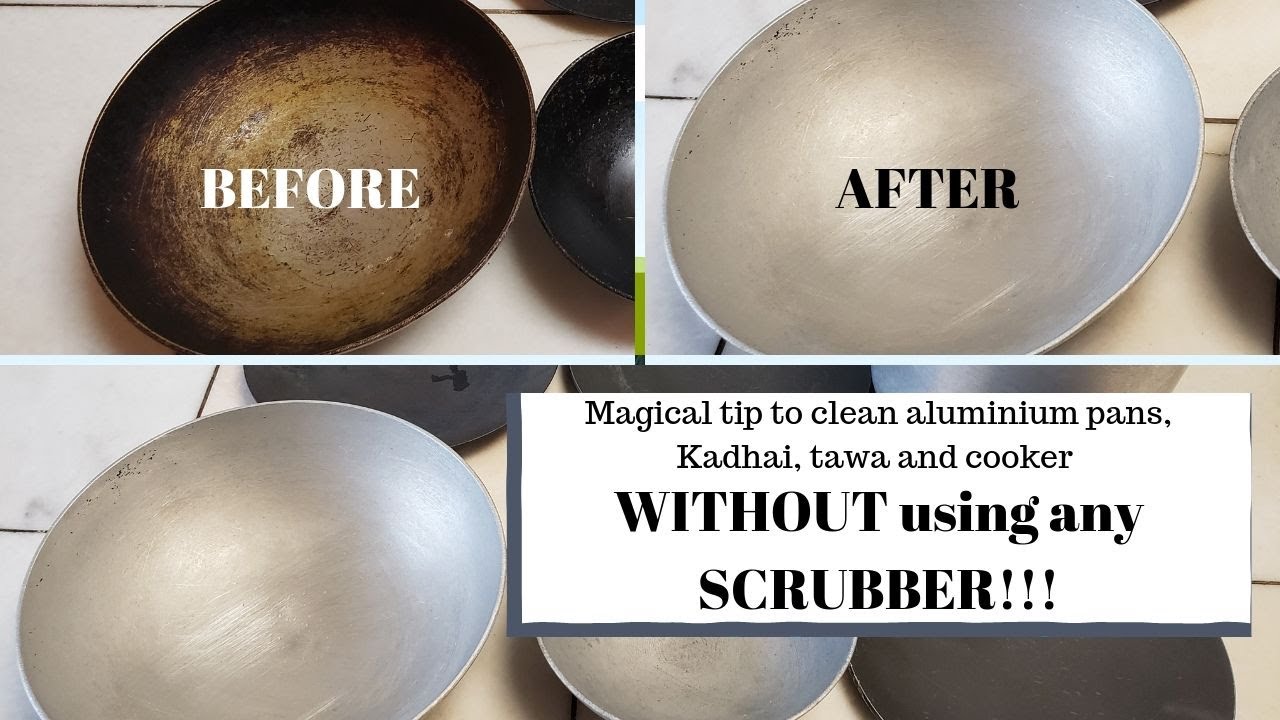
Aluminum can lose its shine over time, especially if you use the dishwasher, cook acidic foods, or forget to dry it. While you can’t always restore the original mirror finish, you can improve the look and feel.
Quick Brightening Trick
- Make a paste with cream of tartar and water.
- Apply to dull or discolored areas.
- Let sit for 10 minutes.
- Rub gently with a soft cloth.
- Rinse and dry.
For Larger Pans
If the whole pan is dull, fill it with water, add 2–3 tablespoons cream of tartar or lemon juice, and bring to a simmer for 10–15 minutes. Let cool, then wash and dry.
Vinegar Solution
For light discoloration, mix equal parts white vinegar and water. Wipe the surface with a soft cloth dipped in the solution, rinse, and dry. Don’t soak for long—prolonged contact with vinegar can damage aluminum.
What To Avoid When Cleaning Aluminum Bakeware
Many mistakes come from using the wrong products or tools. Here’s what you should NEVER do:
- No dishwasher: Even if the label says “dishwasher safe,” repeated cycles cause dullness and pitting.
- No bleach or oven cleaners: These are too harsh and will eat away at the metal.
- No steel wool or metal brushes: These scratch the surface, making future stains worse.
- No leaving acidic or salty food: Clean pans soon after use—tomatoes, citrus, and sauces can pit aluminum if left overnight.
- No baking soda and vinegar together: These fizz but can speed up corrosion on aluminum.
A little caution will keep your bakeware in top shape for years.
Cleaning Different Types Of Aluminum Bakeware
Not all aluminum pans are the same. Some are plain, while others have nonstick coatings or are anodized for extra durability. Let’s compare the cleaning needs for each type.
| Type of Bakeware | Typical Finish | Cleaning Notes |
|---|---|---|
| Plain Aluminum | Shiny, silver | Hand wash, avoid acid/alkali, dry well |
| Anodized Aluminum | Matte, gray/black | More resistant, but still avoid harsh cleaners |
| Nonstick Aluminum | Dark, smooth coating | Use only soft sponges, never metal tools |
Anodized Aluminum
This type is treated to make it harder and less reactive. It’s more forgiving but still should be washed gently. Avoid dishwasher use and harsh chemicals.
Nonstick Aluminum
Never use abrasive sponges, as this will damage the nonstick surface. Even if it looks like aluminum, treat it like delicate cookware. Most nonstick pans should not go in the dishwasher.
How To Clean Burnt Aluminum Bakeware
Burnt-on stains are common after roasting or high-temperature baking. Aluminum can handle some scrubbing, but you need a careful approach.
- Soak the pan in hot, soapy water for 15–30 minutes.
- Use a plastic or wooden scraper to gently lift burnt bits.
- Make a baking soda paste for any remaining stains.
- Rub gently with a soft sponge—never a steel pad.
- For very stubborn stains, fill the pan with water, add a tablespoon of cream of tartar, and simmer on the stovetop (if safe) for 10–15 minutes.
- Wash, rinse, and dry as usual.
When To Let Go
If your pan has deep pits or blackened spots that won’t come clean, it may be time to replace it. Aluminum is affordable and easy to recycle, so don’t risk food safety with badly damaged pans.
How To Clean Aluminum Baking Sheets And Trays
Baking sheets see a lot of wear. Grease, burnt sugar, and baked-on crumbs are common. Here’s a focused approach:
- Scrape off crumbs with a plastic spatula.
- Sprinkle baking soda over greasy areas.
- Add a few drops of water to make a paste.
- Let sit for 15–20 minutes.
- Scrub gently with a sponge.
- Wash with soap and water, rinse, and dry.
For stains that won’t budge, repeat the process or try the cream of tartar simmering method if your tray is deep enough.
How To Clean Aluminum Muffin Pans And Cake Tins
These pans have tight corners and can be tricky. Here’s what works:
- Fill each cup with hot, soapy water.
- Let soak for 10 minutes.
- Use a soft bottle brush to clean inside each cup.
- Rinse well and dry upside down.
- For discoloration, apply cream of tartar paste, let sit, then scrub and rinse.
Don’t use sharp tools or knives to pry out stuck muffins—this scratches the pan.
How To Clean Aluminum Roasting Pans
Roasting pans often collect burnt juices and grease. Here’s an effective method:
- Pour off excess grease and soak the pan in hot, soapy water for 15–30 minutes.
- Use a plastic scraper for any tough spots.
- For discoloration, fill the pan with water and add cream of tartar. Simmer for 10–15 minutes.
- Wash, rinse, and dry well.
If your roasting pan has a rack, wash it separately, using the same gentle methods.
How To Store And Maintain Aluminum Bakeware
Cleaning is only part of the story. How you store and maintain your aluminum pans affects how long they last and how easy they are to clean next time.
Storage Tips
- Stack with paper towels between pans to prevent scratches.
- Keep in a dry place—moisture can cause pitting.
- Avoid plastic wrap—it can trap moisture and cause spots.
Maintenance Habits
- Wash and dry pans soon after use.
- Don’t let food sit overnight.
- Check for scratches or pitting regularly.
A little extra care pays off, as clean aluminum is less likely to stick and easier to wash next time.
Credit: www.youtube.com
Comparing Aluminum To Other Bakeware Materials
Aluminum is popular, but how does it compare to other materials for cleaning?
| Material | Cleaning Difficulty | Durability | Notes |
|---|---|---|---|
| Aluminum | Moderate | Medium | Needs gentle care, dries quickly |
| Stainless Steel | Easy | High | Dishwasher safe, resists stains |
| Glass | Easy | Medium | Can break, but easy to clean |
| Ceramic | Easy | Medium | Nonstick but fragile |
| Nonstick | Very easy | Low–Medium | Scratches easily, avoid harsh sponges |
One thing many people miss: aluminum heats up and cools down much faster than steel or glass. This makes it easier to clean soon after baking, but also means stains set in quickly if you wait.
Safety Tips When Cleaning Aluminum Bakeware
Many home bakers worry about aluminum safety. Rest assured, modern pans are safe to use if cleaned properly.
- Don’t use harsh chemicals—they can leach into food.
- If the surface is pitted or badly scratched, replace the pan.
- Avoid using aluminum with acidic or salty foods for long periods.
- Dry pans thoroughly to prevent corrosion.
If you want to learn more about aluminum in cookware, check out this overview on Wikipedia.
Non-obvious Tips For Aluminum Bakeware Longevity
Many guides leave out small details that can make a big difference:
- Rotate your pans: Don’t use the same pan for every batch. This evens out wear.
- Polish occasionally: Using a cream of tartar paste every few months keeps pans shiny and less prone to sticking.
- Line with parchment paper: This avoids stubborn stains and makes cleaning much easier.
- Cool before cleaning: Sudden temperature changes can warp aluminum.
Another insight: If you live in an area with hard water, mineral spots can build up. Use distilled water for the final rinse to avoid chalky residue.
Frequently Asked Questions
How Do I Get Rid Of Black Marks On My Aluminum Bakeware?
Black marks are usually from oxidation or contact with other metals. Try a paste of cream of tartar and water, rub gently, rinse, and dry. Avoid steel wool, which can cause more marks.
Is It Safe To Use Lemon Juice Or Vinegar To Clean Aluminum Pans?
Small amounts are fine for removing stains, but don’t soak pans in lemon juice or vinegar. Prolonged contact can pit or dull the surface. Always rinse well and dry after cleaning.
Can I Put Aluminum Bakeware In The Dishwasher?
It’s best to avoid the dishwasher. Most detergents are too harsh and will cause discoloration or pitting. Hand washing is recommended for all types of aluminum bakeware.
What If My Pan Is Still Sticky After Cleaning?
If your pan feels sticky, it might have grease build-up. Soak in hot, soapy water for 15 minutes, then scrub with a baking soda paste. Rinse well and dry. Repeat if needed.
How Often Should I Deep Clean My Aluminum Bakeware?
For home bakers, a deep clean once every 1–2 months is enough if you use the pans regularly. If you bake very sticky or oily foods, you may need to clean more often.
Keeping your aluminum bakeware clean isn’t just about looks. It protects your pans, your food, and your investment in quality kitchen tools. With the right habits and these expert tips, you’ll enjoy great results every time you bake.

Credit: www.reddit.com

Hello, This is Annie Walker, a 38-year-old blogger, founder, and editor of Cookware Guider from NY, USA. I am a cookware fanatic and passionate cooker. I love to cook with different types of cooking appliances (example: all types of cookware, rice cookers, slow cookers, etc) almost every day in my kitchen. I love to share my experience with my readers in my blog. Also, I enjoy helping people to solve their problems through my website. You can follow me on Twitter & Pinterest. To know details about my blog please check the about us page.