
Cleaning sticky silicone bakeware can feel like a puzzle, especially if you love to bake but hate the mess that sometimes stays behind. Many people choose silicone bakeware for its non-stick surface, flexibility, and bright colors. But after a few uses, you might notice a sticky film, greasy residue, or stubborn stains that don’t come off with simple washing. If you’re frustrated with sticky silicone pans or molds, you’re not alone. Understanding why silicone becomes sticky, and how to clean it properly, can help your bakeware last longer and keep your food tasting fresh.
Why Does Silicone Bakeware Become Sticky?
Silicone is famous for being non-stick, but over time, it can develop a tacky or oily feel. This happens mainly because of oil buildup, leftover grease from cooking sprays, or not rinsing off soap completely. Sometimes, new silicone products have a slight residue from the factory. If you stack or store bakeware while it’s still a bit wet, dust and lint can also stick, making things worse.
One non-obvious fact: dishwasher detergent often leaves a thin film on silicone, especially if you wash at lower temperatures. Another subtle reason is that some oils (like butter or coconut oil) penetrate silicone more easily, leaving a stubborn residue that soap alone won’t remove.
Essential Cleaning Tools And Products
Gather the right items before you start cleaning. This makes the process smoother and helps you avoid damaging your bakeware.
You’ll need:
- Mild dish soap (unscented works best)
- Baking soda
- White vinegar
- Soft sponge or microfiber cloth
- Soft-bristled brush (like a toothbrush)
- Clean, dry towels
- Hot water
Avoid abrasive scrubbing pads or harsh cleaners. These can scratch or wear down the surface, making the stickiness worse over time.
Basic Cleaning: After Every Use
The best way to keep silicone bakeware from getting sticky is to clean it right after use. Here’s a simple step-by-step routine:
- Let your bakeware cool to room temperature. Never put hot silicone directly in cold water—this can weaken the material.
- Rinse off any crumbs or food particles with warm water.
- Add a few drops of mild dish soap to a soft sponge. Scrub all surfaces, including corners and edges.
- Rinse thoroughly with hot water. Make sure no soap remains.
- Dry completely with a clean towel or air dry before storing.
Even if your bakeware doesn’t look dirty, invisible oil can still be present. Quick cleaning helps prevent buildup.
Deep Cleaning For Sticky Silicone
Sometimes, regular washing isn’t enough. If your silicone bakeware stays sticky, try a deep cleaning method.
The Baking Soda Scrub
Baking soda is excellent for removing grease and neutralizing odors. Follow these steps:
- Sprinkle a generous amount of baking soda over the sticky areas.
- Add a few drops of water to make a paste.
- Use a soft-bristled brush or sponge to gently scrub the surface.
- Let the paste sit for 10–15 minutes.
- Rinse thoroughly with hot water.
- Wash again with dish soap, then rinse and dry.
Vinegar Soak
For tough residues, white vinegar can help break down sticky films.
- Fill your sink or a large container with hot water.
- Add 1 cup of white vinegar per gallon of water.
- Submerge the silicone bakeware and let it soak for 30–60 minutes.
- Scrub with a soft brush, focusing on sticky spots.
- Rinse and wash as usual.
Tip: Always rinse off vinegar completely, as its smell can linger if not washed away.

Credit: www.reddit.com
How Different Oils Affect Silicone Bakeware
Not all oils are the same when it comes to stickiness. Some baking oils are more likely to leave residue than others. Here’s a quick comparison:
| Type of Oil | Residue Level | Easy to Clean? |
|---|---|---|
| Vegetable Oil | Medium | Yes |
| Butter | High | No |
| Coconut Oil | High | No |
| Canola Oil | Low | Yes |
| Baking Spray | Very High | No |
This shows that baking sprays and butter often leave the most stubborn sticky film. If you notice more stickiness after using these, a deeper cleaning may be needed.
Removing Odors From Silicone Bakeware
Sticky silicone often has a smell as well. If your bakeware smells like garlic, onions, or strong spices, try these steps:
- Sprinkle baking soda over the entire piece.
- Add a little water to form a paste.
- Leave overnight (at least 8 hours).
- Rinse and wash as usual.
Alternatively, you can bake out the odor. Place the empty silicone bakeware in the oven at 350°F (175°C) for 10 minutes. Let it cool completely before washing again. This often removes hidden oils and smells.
Common Mistakes When Cleaning Silicone Bakeware
Even careful bakers sometimes make cleaning mistakes. Here are some pitfalls to avoid:
- Using abrasive pads: These can scratch the non-stick surface, making it more likely to hold onto oils.
- Not rinsing off soap: Leftover soap can attract dust and make bakeware sticky.
- Putting away damp: Moisture encourages dust and lint to stick, making the surface feel tacky.
- Skipping deep cleaning: If you only use mild soap, oils may build up over time.
- Using strong chemicals: Bleach, oven cleaner, or harsh degreasers can damage silicone and cause discoloration.
How To Keep Silicone Bakeware From Getting Sticky
Prevention is better than scrubbing. Here’s how you can keep your silicone pans and molds in great shape:
- Avoid cooking sprays when possible. Instead, use a tiny amount of oil or butter, and wipe away any excess.
- Clean your bakeware immediately after use. Don’t let grease sit overnight.
- Dry thoroughly before storing. Air drying is fine if you wipe away beads of water.
- Store silicone in a clean, dry place, away from strong-smelling foods or cleaners.
- Every few uses, do a baking soda scrub or vinegar soak.
A less obvious tip: Don’t overload your dishwasher with silicone pieces. If they fold or touch other items, they may not rinse clean and can hold onto soap residue.
Comparing Cleaning Methods For Sticky Silicone
Here’s a quick overview of different cleaning approaches and how well they work:
| Cleaning Method | Effectiveness | Effort Required | Recommended For |
|---|---|---|---|
| Dish Soap & Sponge | Good for daily cleaning | Low | Light residue |
| Baking Soda Scrub | Excellent for sticky/oily residue | Medium | Heavy buildup |
| Vinegar Soak | Very good for odor & grease | Medium | Strong smells, tough residue |
| Oven Bake | Good for odor only | Low | Lingering smells |
If you’re unsure, start with basic soap and water, then try baking soda or vinegar if stickiness remains.
How To Store Silicone Bakeware Properly
Proper storage matters just as much as cleaning. Make sure your bakeware is completely dry before putting it away. Stack carefully to avoid bending or creasing, which can trap oils in folds. If you have several silicone items, consider placing a clean towel or paper between them to absorb any leftover moisture.
Store silicone away from heat sources, sunlight, or strong-smelling foods. Silicone can absorb odors even when clean, so avoid storing near onions, garlic, or cleaning chemicals.
When Should You Replace Silicone Bakeware?
Silicone is durable, but it doesn’t last forever. Here are signs it’s time to buy new bakeware:
- The surface stays sticky or greasy after multiple deep cleans.
- There are cracks, tears, or the material feels thin.
- Faded color or white spots appear—this means the silicone is breaking down.
- The bakeware smells bad even after oven baking or soaking.
High-quality silicone can last for years with the right care. If you notice any of these issues, it’s safer and easier to replace the item.
Real-life Example: Cleaning A Sticky Silicone Muffin Pan
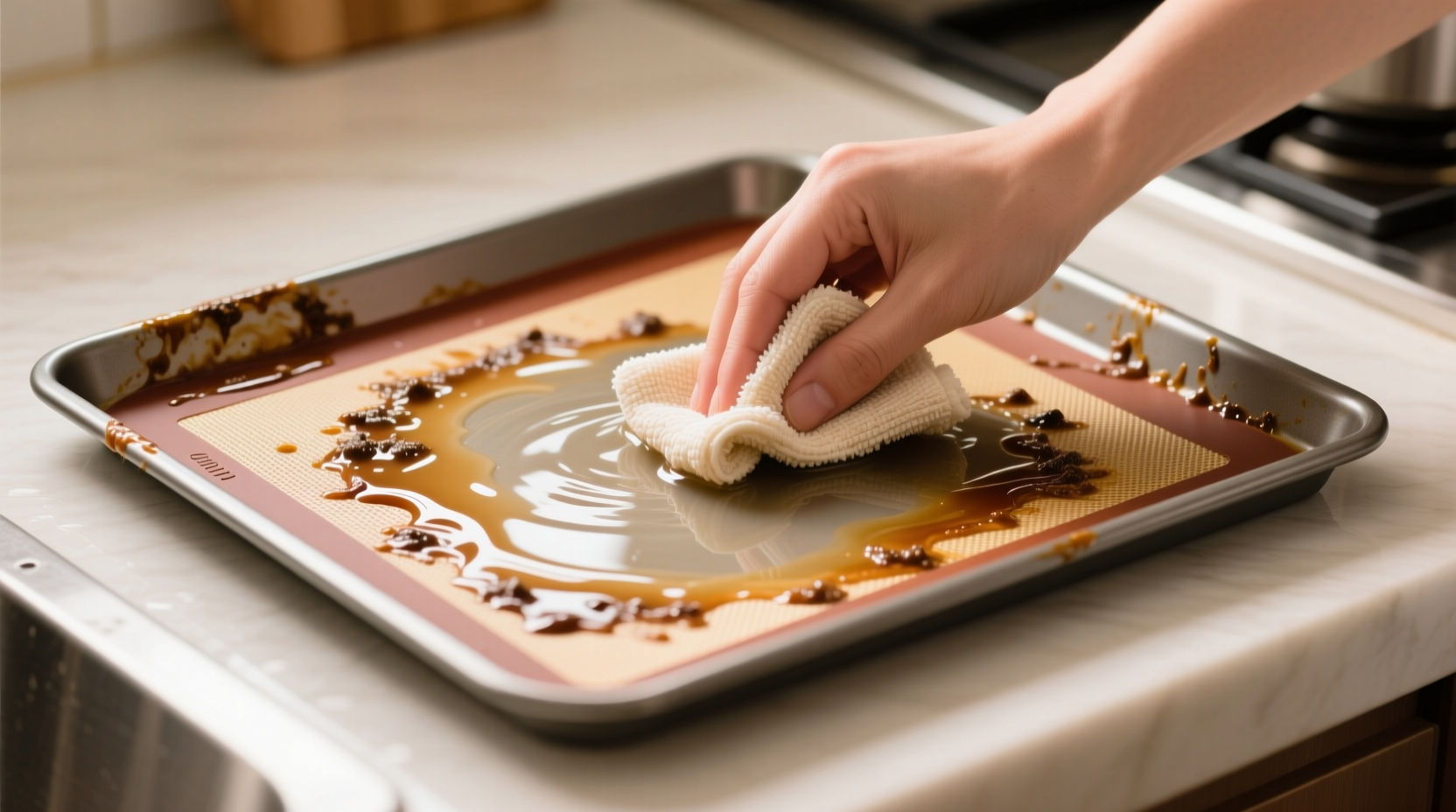
Let’s walk through a practical example. Imagine you made blueberry muffins in a silicone pan, but after washing, the pan feels sticky and smells like berries. Here’s what you do:
- Rinse the pan in hot water to remove crumbs.
- Apply a layer of baking soda, making sure to cover every cup.
- Add enough water to form a paste. Scrub with a soft brush.
- Let sit for 15 minutes.
- Rinse with hot water. Wash with mild dish soap, then rinse and dry.
- If odor remains, place the empty pan in the oven at 350°F for 10 minutes, cool, and wash again.
This method removes both the sticky film and the smell. If you repeat the process every few months, your silicone bakeware will stay in top shape.
Credit: lifetips.alibaba.com
Professional Tips For Long-lasting Silicone Bakeware
- Buy high-quality silicone: Look for bakeware labeled “food grade” or “BPA-free.”
- Test new pieces: Wash new silicone items before first use. Sometimes, a factory coating causes initial stickiness.
- Avoid sharp utensils: Knives or metal spatulas can scratch silicone, making it harder to clean.
- Rotate your bakeware: Don’t always use the same piece. Give each item a break to prevent wear.
These steps may seem simple, but they make a big difference in keeping your bakeware clean and your baked goods tasting fresh.
Frequently Asked Questions
Why Does My Silicone Bakeware Stay Sticky Even After Washing?
Sticky residue usually means leftover oil or soap. Try a baking soda scrub or vinegar soak to remove deep-set grease. Dry your bakeware completely before storing to prevent dust or lint from sticking.
Can I Put Silicone Bakeware In The Dishwasher?
Yes, but it’s best to wash by hand for thorough cleaning. If you use the dishwasher, place silicone on the top rack and space pieces apart. Avoid overloading, as crowded items may not rinse clean.
Is It Safe To Use Baking Soda And Vinegar On Silicone?
Both baking soda and vinegar are safe for food-grade silicone. They help break down grease and neutralize odors. Just rinse well to remove any leftover taste or smell.
Will Sticky Silicone Affect The Taste Of Food?
Sometimes, sticky or oily bakeware can transfer flavors to your baked goods, especially if it smells of old oil or soap. Proper cleaning removes these residues and keeps food tasting as it should.
How Do I Know If My Silicone Bakeware Is Real Food-grade Quality?
Look for products labeled “food grade,” “BPA-free,” or with clear certifications. High-quality silicone is flexible, not brittle, and doesn’t have a strong chemical smell. If you’re unsure, check the manufacturer’s website or trusted sources like FDA guidelines.
Sticky silicone bakeware can be annoying, but with the right cleaning methods and a little prevention, you can keep your pans and molds looking and working like new. Clean thoroughly, dry well, and enjoy your baking—without the mess.
Credit: www.youtube.com

Hello, This is Annie Walker, a 38-year-old blogger, founder, and editor of Cookware Guider from NY, USA. I am a cookware fanatic and passionate cooker. I love to cook with different types of cooking appliances (example: all types of cookware, rice cookers, slow cookers, etc) almost every day in my kitchen. I love to share my experience with my readers in my blog. Also, I enjoy helping people to solve their problems through my website. You can follow me on Twitter & Pinterest. To know details about my blog please check the about us page.