
Maintaining a sharp kitchen knife can change the way you cook. A sharp blade makes every cut smoother, safer, and more enjoyable. Many home cooks find their knives dull after a few months, and struggle to restore them. The good news? You do not need to be a professional chef to sharpen your knives. With a Wusthof knife sharpener, you can bring your blades back to life in just a few minutes. This article will guide you step-by-step through using a Wusthof knife sharpener, explain why sharp knives matter, and help you avoid common mistakes. You’ll also see clear comparisons, get real-world examples, and find answers to the most frequent questions about sharpening your knives at home.
Why Knife Sharpness Matters
Using a dull knife is not just frustrating—it is dangerous. When your knife loses its edge, you have to push harder, which can cause slips and accidents. In fact, the U.S. Consumer Product Safety Commission reports that thousands of kitchen injuries each year are caused by dull blades. A sharp knife, on the other hand, gives you control. Your cuts are clean and easy, which keeps your ingredients fresh and your fingers safe.
Another benefit of a sharp knife is better food quality. Dull blades crush herbs and tomatoes, causing you to lose flavor and texture. A sharp knife slices through with less effort, leaving your food looking and tasting its best.
The Wusthof Knife Sharpener: An Overview
Wusthof is a respected German brand known for high-quality kitchen tools. Their knife sharpeners are no exception. Wusthof offers several models, but most home cooks use one of three types:
- Manual pull-through sharpeners: Simple and fast, great for beginners.
- Electric sharpeners: Quick and consistent, but more expensive.
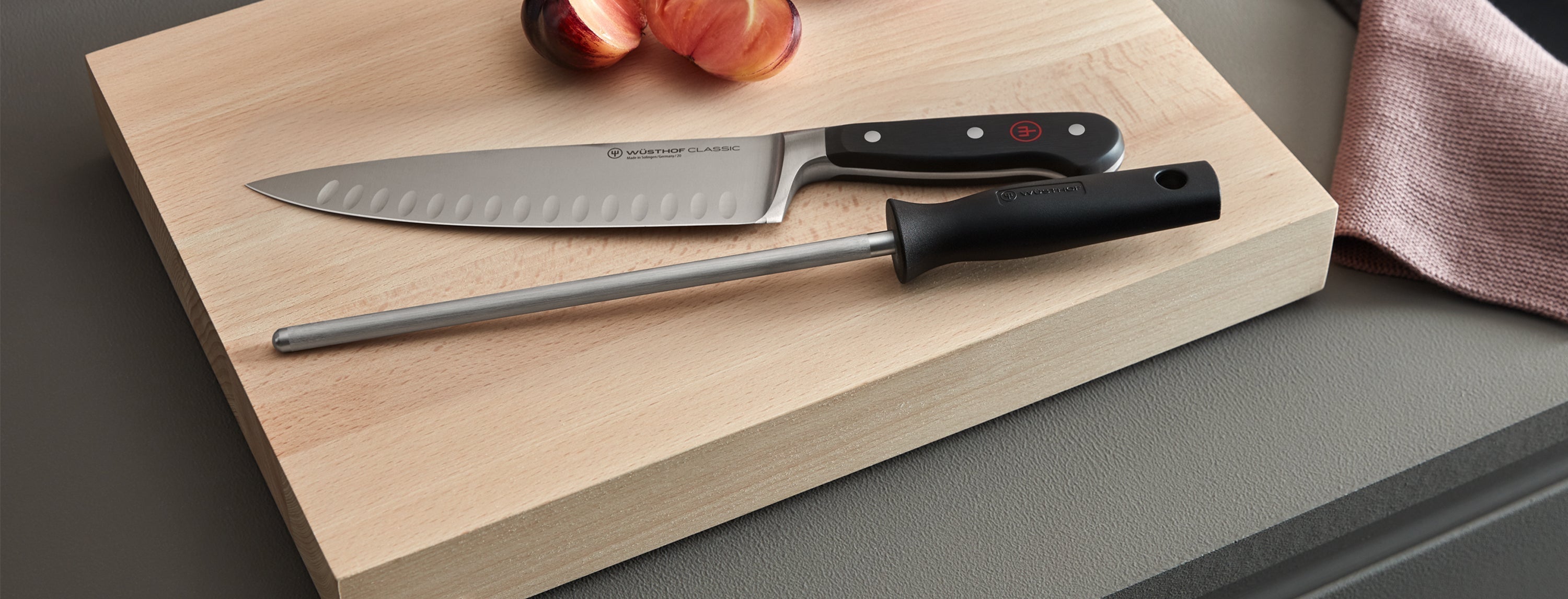
- Sharpening steels (honing rods): Maintain an edge between full sharpening sessions.
All Wusthof sharpeners are designed for German-style blades (usually 14°–15° per side) but can also work with other Western knives. Japanese knives often have a different angle, so always check your knife’s specs before sharpening.
Here’s a quick look at the main Wusthof models:
| Model | Type | Best For | Sharpening Angle |
|---|---|---|---|
| Wusthof 2-Stage Pull-Through | Manual | Everyday home use | 14° per side |
| Wusthof Electric Sharpener | Electric | Frequent, fast sharpening | 14° per side |
| Wusthof Honing Steel | Manual (Maintenance) | Maintaining sharpness | N/A (realignment only) |
How To Use A Wusthof Manual Pull-through Sharpener
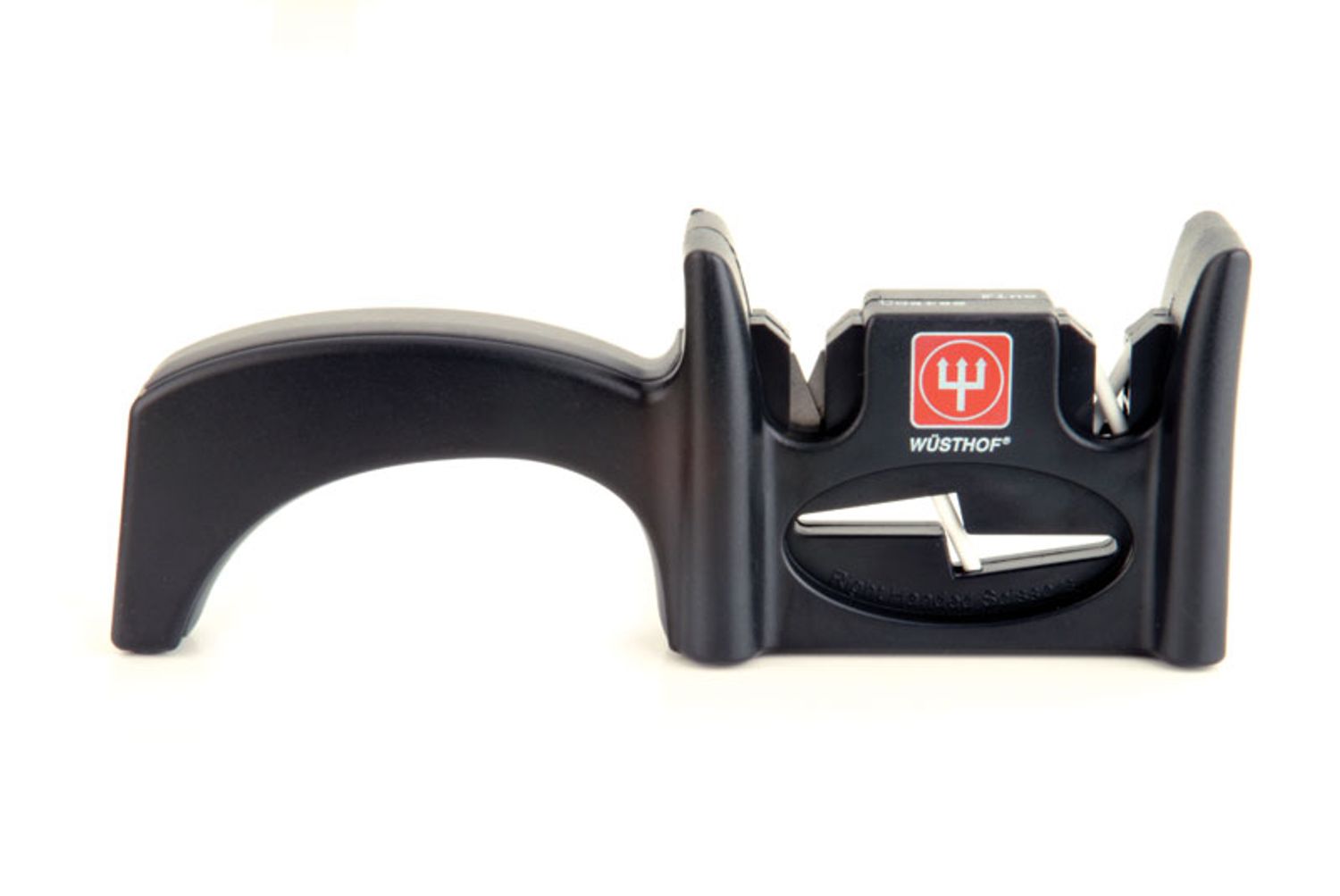
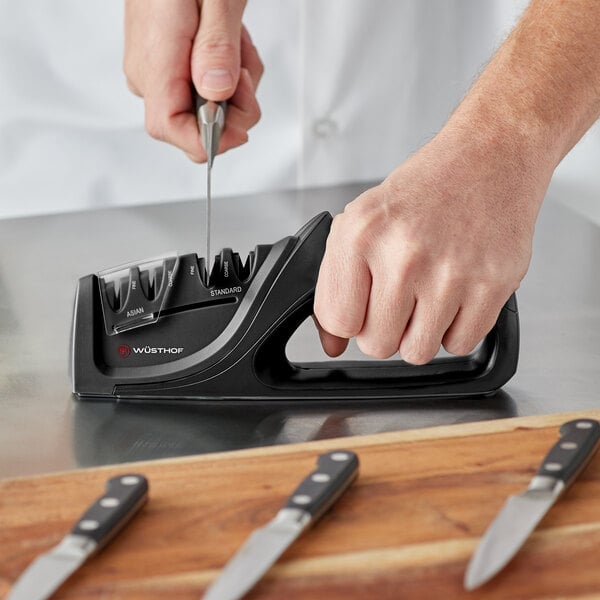
Most home cooks use the manual pull-through model because it is easy and safe. It usually has two slots: coarse (for dull knives) and fine (for honing and finishing). Here’s how to use it:
1. Prepare Your Knife And Sharpener
- Place the sharpener on a stable, flat surface.
- Make sure your knife is clean and dry.
- Stand with a good grip so you feel in control.
2. Choose The Right Slot
- Use the coarse slot if your knife is very dull.
- Use the fine slot for regular maintenance or after using the coarse slot.
3. Hold The Sharpener And Knife Correctly
- Grip the sharpener’s handle with your non-dominant hand.
- Hold the knife by the handle, blade facing down.
4. Pull The Knife Through
- Insert the blade into the slot at the heel (the thickest part near the handle).
- Press down gently, so the blade contacts both sides of the slot.
- Pull the knife smoothly towards you, from heel to tip.
- Do not use too much force—let the sharpener do the work.
Repeat:
- Coarse slot: 3–6 times for very dull knives.
- Fine slot: 3–6 times for regular sharpening, or after coarse sharpening.
5. Clean And Test The Blade
- Wipe the blade with a damp cloth to remove metal filings.
- Test sharpness on a piece of paper or a tomato. If it slices easily, you’re done.
- If not, repeat the process 1–2 more times.
Pro tip: Always finish with the fine slot, even if you start with coarse. This polishes the edge.
Using A Wusthof Electric Knife Sharpener
An electric sharpener is even faster and gives consistent results. Wusthof’s electric model often has three slots: coarse, medium, and fine.
1. Set Up Safely
- Place the sharpener on a dry, stable surface.
- Plug it in and make sure your hands are dry.
2. Select The Right Slot
- Dull knives: Start with coarse, move to medium, finish with fine.
- Slightly dull knives: Start with medium or fine.
3. Sharpen The Knife
- Insert the blade heel-first into the first slot.
- Gently pull the knife through at a steady speed (about 1–2 seconds).
- Repeat 2–3 times in each slot, moving from coarse to fine.
Important: Do not press down hard. Too much pressure can damage the edge.
4. Finish Up
- Wipe the blade clean.
- Test for sharpness and repeat if needed.
Electric sharpeners remove more metal than manual ones. Use them only when your knife is very dull—otherwise, stick with manual or honing steel.
Honing With A Wusthof Steel
A honing steel is not a sharpener—it realigns the edge of the blade. Use it every few uses to keep your knife cutting smoothly. Here’s how:
1. Hold The Steel
- Hold the steel vertically on a cutting board or counter, tip down.
- Grip the handle firmly.
2. Position The Knife
- Place the heel of the knife against the top of the steel at a 15° angle.
3. Sweep The Blade
- Sweep the blade down and across the steel, from heel to tip.
- Alternate sides (one on each side of the blade).
- Repeat 5–10 times per side.
4. Check The Edge
- Test the knife on a piece of paper or a tomato.
Note: Honing does not replace sharpening. If your knife is dull after honing, use a sharpener.
Comparing Wusthof Sharpeners
Choosing the right model depends on your needs, budget, and comfort level. Here’s a side-by-side comparison:
| Feature | Manual Pull-Through | Electric Sharpener | Honing Steel |
|---|---|---|---|
| Ease of Use | Very easy | Easiest | Easy (some practice needed) |
| Speed | 1–2 minutes | 30–60 seconds | 30 seconds |
| Metal Removal | Moderate | High | None |
| Maintenance Use | Monthly | As needed | Weekly or daily |
| Cost | Low | High | Low |
| Skill Needed | Beginner | Beginner | Intermediate |
Step-by-step Sharpening Example
Let’s walk through sharpening a typical Wusthof chef’s knife using the manual pull-through sharpener:
- Inspect the knife: Run your thumb gently across the blade (not along the edge) to feel if it’s dull.
- Secure the sharpener: Place it on a non-slip surface.
- Start with coarse slot: If the blade is dull, insert the heel in the coarse slot. Pull through 4 times.
- Finish with fine slot: Move to the fine slot. Pull through 4 times.
- Clean the knife: Wipe off any metal shavings.
- Test the sharpness: Slice a sheet of paper. A sharp knife should cut cleanly.
Non-obvious insight: Even new knives may benefit from a few passes in the fine slot to polish the factory edge.
Mistakes To Avoid
Many home cooks make errors when sharpening. Here are common mistakes and how to avoid them:
- Pressing too hard: Let the sharpener do the work. Too much force can damage the blade.
- Using the wrong angle: Wusthof knives are sharpened to 14°–15°. Do not use sharpeners meant for Japanese knives (usually 10°–12°).
- Skipping the fine slot: Always finish with the fine slot to polish and align the edge.
- Not cleaning the blade: Metal filings can affect taste and safety.
- Over-sharpening: Sharpen only when needed. Too much sharpening wears out your knife faster.
- Using the sharpener on serrated knives: Most Wusthof sharpeners are for straight-edge blades only.
Tip: If you notice your knife’s edge folding or chipping, check for grit stuck in the sharpener slots. Clean them with a small brush.
Credit: www.knifecenter.com
How Often Should You Sharpen?
- Home cooks: Sharpen every 1–2 months with a manual or electric sharpener.
- Professional cooks: May need sharpening every 1–2 weeks.
- Honing: Do this every few uses to maintain the edge.
Frequency depends on what you cut (hard foods dull faster), your cutting surface (avoid glass or granite), and how well you maintain your knives. Plastic or wood boards are best for edge retention.
Caring For Your Wusthof Knife After Sharpening
A sharp knife needs proper care to stay sharp longer. Here’s how:
- Clean by hand: Do not put knives in the dishwasher. The detergent and heat dull the edge.
- Dry immediately: Prevents rust and staining.
- Store safely: Use a knife block, magnetic strip, or blade guard. Never toss knives in a drawer.
- Use the right cutting board: Wood or plastic is best; glass or stone will dull the edge quickly.
Credit: wusthof.com
When To Replace Your Sharpener
Even the best sharpeners wear out over time. Here’s when to consider a new one:
- The sharpening slots are deeply grooved or damaged.
- The sharpener no longer restores a keen edge, even with proper use.
- The honing steel is bent, rusted, or pitted.
Most manual sharpeners last 2–5 years with regular home use. Electric sharpeners may last longer, but check the manufacturer’s guidance.
Wusthof Vs. Other Knife Sharpeners
How does Wusthof compare with other brands? Here’s a quick comparison of Wusthof and two popular alternatives:
| Brand | Build Quality | Sharpening Angle | Ease of Use | Price Range |
|---|---|---|---|---|
| Wusthof | Excellent (German steel) | 14° per side | Very easy | $$ |
| Chef’sChoice | Very good | 15°–20° | Easy | $$$ |
| Work Sharp | Good | Adjustable | Intermediate | $$ |
Wusthof sharpeners are ideal for those who want simplicity and reliability for Western-style knives. For Japanese knives or complex blade shapes, look for a sharpener with adjustable angles.
Credit: www.webstaurantstore.com
Sharpening Advanced Knife Types
Wusthof sharpeners are designed for straight-edged kitchen knives. Here’s what to do with other types:
- Serrated knives: Most Wusthof sharpeners are not suitable. Use a special serrated knife sharpener or send them to a professional.
- Santoku knives: Many Wusthof sharpeners work, but check the manufacturer’s angle. Santoku blades often have a similar 14°–15° edge.
- Specialty knives (boning, fillet): Use the fine slot and test carefully; these knives are thinner and more flexible.
Non-obvious insight: If you have a knife with a Damascus pattern or layered steel, always check if it is compatible with pull-through sharpeners. Some high-end knives may require whetstone sharpening.
Environmental And Safety Considerations
- Sharpen in a well-lit area: You need to see the blade clearly.
- Keep sharpeners out of reach of children: Blades are extra sharp after use.
- Dispose of worn-out sharpeners properly: Some contain small metal or ceramic parts that should be recycled.
Real-world Example: Keeping A Family Knife Set Sharp
Sarah, a home cook in Chicago, uses her Wusthof chef’s knife daily. She noticed it started to crush tomatoes instead of slicing cleanly. After three passes in the coarse slot and three in the fine slot of her Wusthof pull-through sharpener, the knife glided through a tomato with no pressure.
She now hones her knife once a week and sharpens it every two months. Her knives last longer, and she avoids the cost of professional sharpening.
Expert Tips For Best Results
- Always pull the knife straight through the slot; do not twist or angle sideways.
- Wipe the blade after sharpening to remove any remaining filings.
- Use a light touch—too much force can grind away too much metal.
- Keep your sharpener clean. Debris in the slots can scratch the blade or reduce sharpening power.
- Try the tomato test: A truly sharp knife should slice a ripe tomato with no pressure.
Where To Learn More
For more information about knife care, sharpening angles, and professional advice, you can visit the official Wusthof Knife Care Guide. This resource includes videos, diagrams, and troubleshooting help direct from the manufacturer.
Frequently Asked Questions
How Often Should I Sharpen My Wusthof Knife?
Most home cooks should sharpen every 1–2 months, depending on how often you use the knife. Hone your knife every few uses to keep the edge aligned.
Can I Use A Wusthof Sharpener For Other Brands Of Knives?
Yes, as long as the blade is a Western-style (14°–15° per side). Japanese knives may require a different angle.
Is It Safe To Wash Knives In The Dishwasher After Sharpening?
No. Washing knives in a dishwasher dulls the edge quickly due to heat, detergent, and movement. Always wash by hand and dry immediately.
Can I Sharpen Serrated Knives With A Wusthof Sharpener?
No, most Wusthof pull-through sharpeners are for straight-edge blades only. Serrated knives need a special tool or professional service.
What If My Knife Stays Dull After Sharpening?
Check for these issues:
- The sharpener slots are worn out.
- You are using the wrong angle.
- The knife is damaged (chips or bends).
Try repeating the fine slot, or consult the manufacturer if problems continue.
A sharp knife is your best kitchen tool. With a little practice and the right Wusthof sharpener, you can keep your blades in top shape for years. Enjoy safer, smoother, and faster cooking every day.

Hello, This is Annie Walker, a 38-year-old blogger, founder, and editor of Cookware Guider from NY, USA. I am a cookware fanatic and passionate cooker. I love to cook with different types of cooking appliances (example: all types of cookware, rice cookers, slow cookers, etc) almost every day in my kitchen. I love to share my experience with my readers in my blog. Also, I enjoy helping people to solve their problems through my website. You can follow me on Twitter & Pinterest. To know details about my blog please check the about us page.