
Using a kitchen knife sharpener is a skill that can transform your cooking experience. Sharp knives make food preparation faster, safer, and much more enjoyable. Dull blades, on the other hand, can slip and cause accidents, or make it difficult to get clean cuts.
Many home cooks avoid sharpening their knives, thinking it is difficult or risky. In reality, with the right tool and technique, anyone can keep their kitchen knives razor-sharp. This guide will walk you through everything you need to know about using a kitchen knife sharpener, from choosing the right sharpener to common mistakes and expert tips for best results.
Why Sharp Knives Matter
A sharp knife is not just about convenience; it is about safety, efficiency, and the quality of your food. Dull knives require more force, increasing the risk of slips and injuries. In fact, the US Consumer Product Safety Commission reports that over 350,000 knife injuries occur annually in American kitchens, and many are linked to blunt blades. Sharp knives glide through ingredients, giving you precise control and clean cuts. Whether you are slicing tomatoes or dicing onions, the difference is clear.
Another benefit is better food presentation. Sharp blades preserve the texture of delicate foods and help you achieve professional-looking results. For example, a sharp knife will not crush herbs or tomatoes but will slice them cleanly. This small detail can make your dishes look and taste better.
Types Of Kitchen Knife Sharpeners
Not all sharpeners are the same. The right choice depends on your skill level, the types of knives you own, and how much time you want to spend. Here’s a closer look at the main types:
Manual Sharpeners
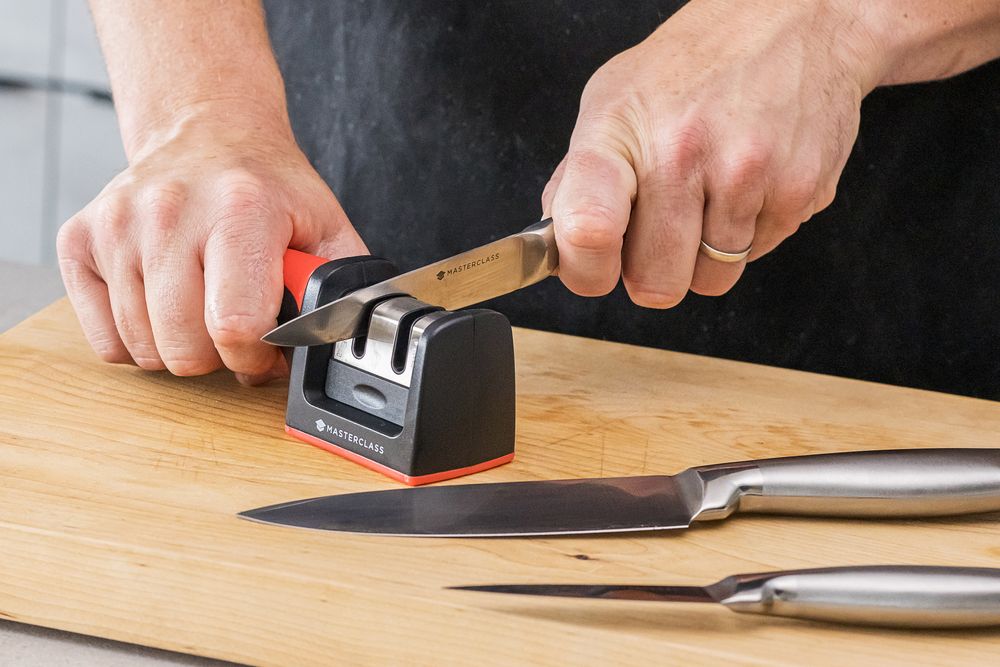
These are also called pull-through sharpeners. They have one or more slots with abrasive materials like ceramic or diamond. You pull the blade through the slot at the correct angle. Manual sharpeners are easy to use, affordable, and require little maintenance. However, they may not be suitable for all types of knives, such as those with very hard steel or specialty blades.
Electric Sharpeners
Electric models use motor-driven abrasives to sharpen the blade. You simply insert the knife and let the machine do the work. They are fast and very user-friendly, making them great for busy home cooks. However, they can remove more metal from the blade, which might shorten the knife’s lifespan if overused.
Some high-end electric sharpeners offer adjustable angles and multiple stages for different sharpening needs.
Sharpening Stones
Also known as whetstones, these are flat stones made from natural or synthetic materials. You run the blade across the stone at a precise angle. Whetstones offer the most control and can produce a razor-sharp edge, but they require skill and practice. They are ideal for enthusiasts and professionals who want the best results.
Honing Rods
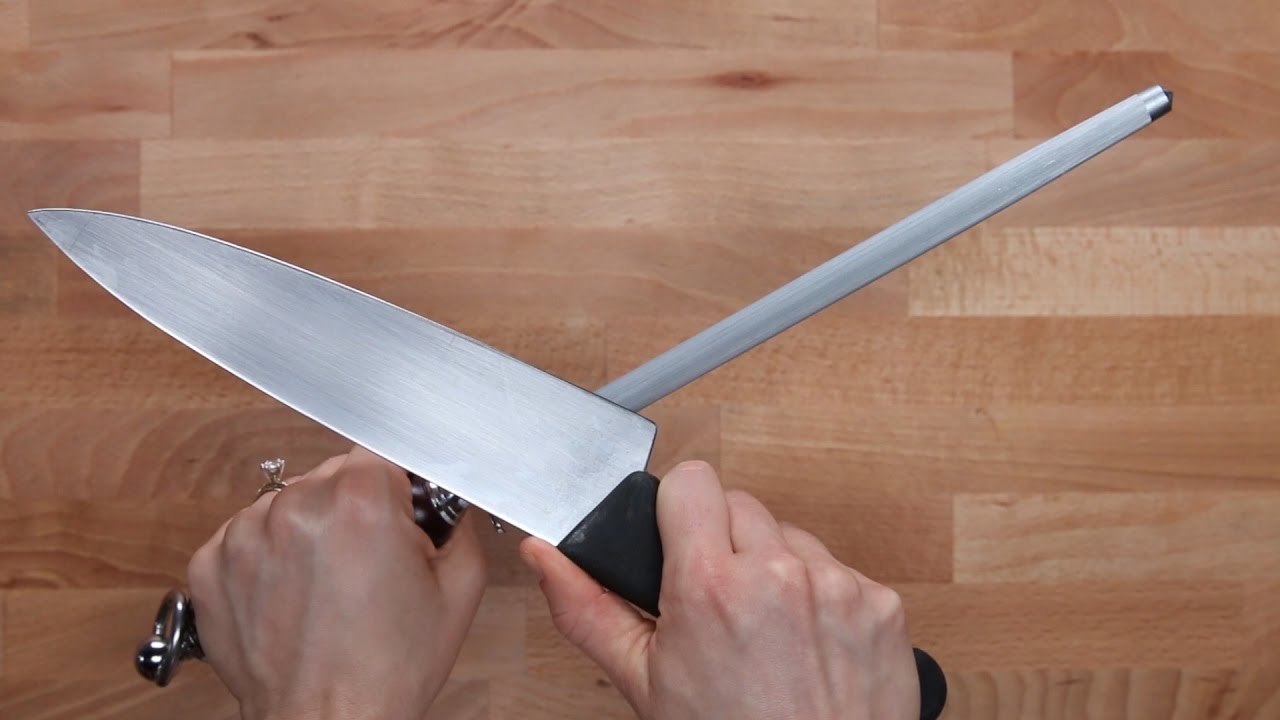
A honing rod, or steel, does not technically sharpen the knife; it straightens the edge. Honing is best for regular maintenance between sharpening sessions. Ceramic honing rods can also remove a tiny amount of metal, acting as a very mild sharpener.
Comparison Of Popular Sharpener Types
Here is a quick comparison to help you choose:
| Sharpener Type | Skill Level | Best For | Speed | Maintenance |
|---|---|---|---|---|
| Manual | Beginner | Everyday kitchen knives | Fast | Low |
| Electric | Beginner-Intermediate | Frequent use, quick results | Very Fast | Low |
| Sharpening Stone | Intermediate-Expert | All knives, especially high-end | Slow-Medium | Medium |
| Honing Rod | All Levels | Edge maintenance | Very Fast | Low |
How To Choose The Right Sharpener
Choosing the right sharpener is not just about price. Think about your knives, your cooking habits, and your comfort level.
- Knife Material and Type: Some sharpeners work better for stainless steel, while others are designed for harder materials like high-carbon steel or even ceramic knives. Check the manufacturer’s recommendations.
- Edge Angle: Most Western knives have a 20-degree edge, while Japanese knives are often sharpened at 15 degrees. Some sharpeners are adjustable, but many are fixed at one angle.
- Frequency of Use: If you cook daily, an electric sharpener or a quality manual sharpener can save time. For occasional use, a whetstone might be better.
- Budget: Manual sharpeners and honing rods are the most affordable. Electric models and high-quality stones can be more expensive but may last longer.
- Space: Electric sharpeners are bulkier, while rods and stones take up little space.
- Ease of Use: If you are not confident with angles and technique, start with a manual or electric sharpener.
A common mistake is choosing a sharpener just because it is popular or cheap. The best sharpener is one that matches your knives and your habits.
Step-by-step Guide: Using A Manual Sharpener
Manual pull-through sharpeners are the most popular choice for home cooks. Here’s how to use one safely and effectively.
1. Check The Sharpener And Knife
Make sure your sharpener is clean and stable. Place it on a dry, flat surface. Inspect your knife for damage; chips or deep nicks may need professional repair.
2. Position The Knife
Hold the knife by the handle. Place the heel of the blade (closest to the handle) into the first slot of the sharpener.
3. Select The Slot
Most manual sharpeners have two or three slots:
- Coarse: For dull or damaged blades.
- Fine: For regular sharpening.
- Polish/Hone: For finishing touches.
Start with the coarse slot if your knife is very dull. Otherwise, use the fine slot.
4. Draw The Knife Through
Pull the blade through the slot from heel to tip. Use gentle, even pressure—do not force the blade. Repeat 3–6 times, depending on dullness.
5. Switch To Finer Slots
If your sharpener has multiple stages, move to the next finer slot. Repeat the process, usually 2–4 times.
6. Clean The Blade
After sharpening, wipe the blade with a damp cloth to remove any metal filings. Dry it thoroughly.
7. Test The Edge
Carefully check sharpness by slicing a piece of paper or a tomato. If the knife glides through easily, you are done.
Pro Tip:
Sharpen both sides of the blade equally. Uneven sharpening can create a lopsided edge, making the knife less effective.
Credit: www.youtube.com
Using An Electric Knife Sharpener
Electric sharpeners make the job fast and easy, but you should use them correctly to avoid damaging your knives.
1. Read The Instructions
Each model is a bit different. Always follow the manufacturer’s guide, especially for setting the angle.
2. Prepare The Knife
Clean and dry your knife. Never insert a wet or greasy blade.
3. Insert The Knife
Place the heel of the blade into the first slot. Hold the handle firmly.
4. Draw The Knife Through
Let the sharpener do the work—do not push or force the blade. Pull it through at a steady pace, usually 3–5 seconds per pass.
5. Repeat In Each Stage
Most electric sharpeners have multiple slots. Move from coarse to fine, following the number of recommended passes.
6. Clean And Test
Wipe the blade and test for sharpness. Electric sharpeners can sometimes leave a wire edge (burr), so you may want to finish with a few strokes on a honing rod.
Key Insight:
Do not oversharpen. Electric sharpeners can be aggressive and remove more metal than necessary. Limit sharpening to when you really need it—once a month is enough for most home cooks.
Mastering Sharpening Stones
A sharpening stone is the gold standard for those who want total control over their edge. It takes practice, but the results are worth it.
1. Soak The Stone
If you use a water stone, soak it in water for 10–15 minutes. Oil stones need a few drops of honing oil.
2. Set The Angle
Hold the knife at the correct angle—usually 15–20 degrees. Using a guide can help you maintain consistency.
3. Sharpen One Side
Place the blade against the stone and draw it across in a sweeping motion, from heel to tip. Cover the whole length of the blade. Repeat this motion 10–15 times.
4. Switch Sides
Flip the knife and repeat on the other side. Try to do the same number of strokes for both sides.
5. Use Finer Grit
If your stone has two sides (coarse and fine), repeat the process on the finer side for a polished edge.
6. Clean And Dry
Wash the knife and stone after sharpening. Let both dry completely before storing.
Example:
A chef who sharpens his knives with a whetstone once a week can maintain razor-sharp edges for years, extending the life of even expensive Japanese blades.
Common Mistake:
Many beginners use too steep or too shallow an angle, leading to a weak edge or no improvement at all. Practice with a guide or angle tool until you feel confident.
The Role Of Honing Rods
Remember, honing is not sharpening. Honing rods keep the edge straight, which helps the knife feel sharp longer. Here’s how to use one:
- Hold the rod vertically with the tip resting on a towel or cutting board.
- Place the blade against the rod at a 15–20-degree angle.
- Draw the knife down and across the rod from heel to tip.
- Repeat 5–10 times per side.
Hone your knife every few uses to maintain peak performance. If the knife still feels dull after honing, it is time to sharpen.
Signs Your Knife Needs Sharpening
Sometimes it is hard to know when to sharpen your knives. Here are clear signs:
- Difficulty cutting: You must push hard or saw back and forth.
- Slipping: The blade slides off food instead of biting in.
- Crushed food: Tomatoes, herbs, or onions get smashed instead of sliced.
- Shiny edge: A dull knife often has a reflective edge, while a sharp one looks matte.
A simple test: try slicing a sheet of paper. If the knife snags or tears the paper, it needs sharpening.
How Often Should You Sharpen Your Knives?
Frequency depends on use, knife quality, and maintenance. Here is a rough guide:
| Type of Cook | Knife Use | Sharpening Frequency |
|---|---|---|
| Everyday Home Cook | Daily | Every 1-2 months |
| Occasional Cook | Once a week | Every 3-6 months |
| Professional Chef | Multiple times daily | Every 1-2 weeks |
Regular honing can extend the time between sharpenings. Pay attention to how your knives feel, not just the calendar.
Knife Sharpening Safety Tips
Sharpening involves sharp blades and sometimes powerful machines. Stay safe with these tips:
- Always sharpen away from your body.
- Use a non-slip mat under stones or sharpeners.
- Keep your fingers clear of the blade edge.
- Do not rush—steady, controlled movements are safer and more effective.
- Clean up metal filings and water or oil spills right away.
A hidden danger: some electric sharpeners can overheat blades if used for too long. Let the machine rest after sharpening several knives.

Credit: www.youtube.com
Mistakes To Avoid When Using A Knife Sharpener
- Using the Wrong Angle: This is the most common issue, especially with stones. Stick to the manufacturer’s guidelines or use an angle guide.
- Oversharpening: Too much sharpening wears down the blade quickly. Only sharpen when needed.
- Ignoring Burrs: A burr is a tiny lip of metal that forms during sharpening. Always finish with a few light passes on the fine slot or a honing rod to remove it.
- Using a Dirty Sharpener: Metal filings build up and reduce effectiveness. Clean your sharpener regularly.
- Applying Too Much Pressure: Let the abrasive do the work. Excess force can damage both the sharpener and the knife.
Pro Tips For The Best Results
- Keep your sharpener clean for consistent performance.
- Use light oil or water on stones as directed to reduce friction and prevent clogging.
- Store knives properly after sharpening—use a block, magnetic strip, or blade guard.
- Invest in a quality sharpener that matches your knives’ steel and angle.
- Test sharpness with soft foods like tomatoes or with the paper test for a real-world check.
A less obvious insight: humidity and kitchen temperature can affect sharpening stones. Always store stones in a dry place to prevent cracking or warping.
Sharpening Specialty Knives
Some knives need special care:
- Serrated knives: Use a special rod or tool made for serrated edges. Standard sharpeners can ruin the teeth.
- Japanese knives: These often have harder steel and a finer edge. Use whetstones or sharpeners designed for 15-degree angles.
- Ceramic knives: Most regular sharpeners will not work. Use a diamond sharpener or get them professionally sharpened.
Always check your knife’s manual or manufacturer website for sharpening recommendations.
Caring For Your Sharpener
Proper care extends the life of your sharpener. Here are some tips:
- Manual and electric sharpeners: Wipe slots with a dry cloth after each use. Remove and wash removable parts as needed.
- Sharpening stones: Rinse after use and let dry completely. Flatten stones periodically with a leveling tool.
- Honing rods: Wipe clean and store in a dry place.
A sharpener with built-up metal filings or debris will not work well and can scratch your knives.
Credit: www.cookserveenjoy.com
Comparing Top Brands And Models
With so many sharpeners on the market, it can be overwhelming to choose. Here is a quick comparison of popular models:
| Brand/Model | Type | Key Features | Price Range |
|---|---|---|---|
| Chef’sChoice 15 Trizor XV | Electric | 15-degree angle, 3-stage, works for most knives | $150–$180 |
| Work Sharp Culinary E2 | Electric | Easy to use, auto angle guides, compact | $50–$70 |
| Lansky 4-Rod Turn Box | Manual | Adjustable angles, compact, easy for beginners | $20–$30 |
| Shapton Glass Stone | Whetstone | Fast cutting, durable, wide grit range | $50–$100 |
For in-depth reviews and more information on knife sharpening, you can visit Serious Eats.
Frequently Asked Questions
How Do I Know If My Knife Is Sharp Enough?
A sharp knife should easily slice through paper, tomatoes, or onions without crushing or tearing. If you need to use force or the blade slips, it needs sharpening.
Can I Use The Same Sharpener For All My Kitchen Knives?
Most sharpeners are designed for standard Western-style knives. Japanese, serrated, and ceramic knives may require special sharpeners. Always check your sharpener’s compatibility.
Is It Possible To Over-sharpen A Knife?
Yes. Sharpening too often or removing too much metal can shorten the life of your knife. Sharpen only when needed and use light pressure.
What Should I Do If My Knife Has Chips Or A Bent Tip?
Small chips can often be fixed with extra sharpening on a coarse slot or stone. Large chips or broken tips should be repaired by a professional.
Are Expensive Knife Sharpeners Worth It?
A high-quality sharpener can last for years and provide better results, especially for fine or expensive knives. However, the best sharpener is one that suits your needs, knives, and budget.
Keeping your kitchen knives sharp is one of the best ways to improve both safety and enjoyment in the kitchen. With the right sharpener and a bit of practice, anyone can master this essential skill. Regular maintenance will extend the life of your knives and help you cook with confidence and precision every day.

Hello, This is Annie Walker, a 38-year-old blogger, founder, and editor of Cookware Guider from NY, USA. I am a cookware fanatic and passionate cooker. I love to cook with different types of cooking appliances (example: all types of cookware, rice cookers, slow cookers, etc) almost every day in my kitchen. I love to share my experience with my readers in my blog. Also, I enjoy helping people to solve their problems through my website. You can follow me on Twitter & Pinterest. To know details about my blog please check the about us page.