
Sharpening scissors can feel tricky, especially if you only have a knife sharpener rod at home. Many people think scissors need special tools or professional help, but that’s not always true. With the right technique, you can use a simple sharpening rod to restore your scissors and keep them working smoothly.
This guide shows you how to sharpen scissors with a knife sharpener rod step by step, so you don’t need to buy extra tools or spend money on services.
Scissors lose their sharpness over time. Dull blades make cutting harder and less safe. If you work with paper, fabric, or even food packaging, sharp scissors save time and reduce frustration. Learning to sharpen them yourself is useful and saves money.
By following clear instructions, you can achieve results even if you’re new to sharpening tools. The process isn’t complicated, but you need to follow each step carefully and avoid common mistakes.
Many people don’t realize that sharpening scissors is different from sharpening knives. The angle, motion, and blade type are not the same. Using a knife sharpener rod needs special attention because scissors blades have unique shapes. This article covers everything you need, from picking the right rod to step-by-step instructions, practical tips, and expert advice.
You’ll also find helpful tables comparing sharpening rods and scissors, plus answers to common questions.
Why Scissors Get Dull
Scissors lose their sharpness for several reasons. Understanding these causes helps prevent damage and guides your sharpening routine.
- Frequent use: Cutting paper, fabric, or other materials wears down the edge.
- Cutting hard materials: Using scissors on plastic, cardboard, or metal can chip or dull blades.
- Improper storage: Dropping scissors or storing them loosely can damage the blades.
- Moisture and rust: Exposure to water or humidity can create rust spots, making blades rough and less effective.
Not all scissors dull at the same rate. For example, kitchen scissors used for poultry become blunt faster than sewing scissors used for thread. Keeping scissors sharp improves both performance and safety.
Types Of Scissors And Their Sharpening Needs
Different scissors need slightly different sharpening approaches. Before starting, identify your scissors type.
| Type of Scissors | Main Use | Sharpening Frequency | Sharpening Difficulty |
|---|---|---|---|
| Kitchen Scissors | Food, herbs, packaging | Monthly | Medium |
| Sewing Scissors | Fabric, threads | Bi-monthly | Medium |
| Office Scissors | Paper, light cardboard | Quarterly | Easy |
| Hairdressing Shears | Hair cutting | Bi-annually | Hard |
| Utility Scissors | Plastic, thick materials | Monthly | Hard |
Most home scissors can be sharpened with a knife sharpener rod. However, hairdressing shears and specialty scissors (like pinking shears) may need professional sharpening because their blade shape is more complex.
Choosing The Right Knife Sharpener Rod
Not all sharpening rods are the same. Picking the right rod makes sharpening easier and safer.
Material Matters
Knife sharpener rods are made from different materials:
- Ceramic rods: Fine grit, gentle on blades, good for regular maintenance.
- Steel rods: Coarser, removes more metal, suitable for very dull scissors.
- Diamond rods: Extra sharp, fast sharpening, but can be harsh if used incorrectly.
For most home scissors, a ceramic rod is best. It won’t damage the blade and provides a smooth finish. If your scissors are extremely dull, start with a steel rod and finish with ceramic.
Rod Size And Shape
The length and thickness of the rod affect how easy it is to use. A rod between 8–12 inches is ideal. Thicker rods offer more stability, while thinner rods fit smaller scissors.
| Rod Material | Benefits | Drawbacks | Best For |
|---|---|---|---|
| Ceramic | Gentle, smooth finish | Slow sharpening | Regular maintenance |
| Steel | Quick sharpening | Can scratch blades | Very dull scissors |
| Diamond | Fast, effective | Removes too much metal | Utility scissors |
Handle And Safety Features
Choose a rod with a comfortable handle and a protective guard to prevent slips. Some rods come with rubber grips or finger guards, which make them safer for beginners.
Preparing Your Scissors And Workspace
Sharpening is easier and safer if you prepare well.
- Clean the scissors: Wipe off any dirt, glue, or debris. Use mild soap and water, then dry completely.
- Inspect for damage: Check for chips, cracks, or bent blades. If the blades are badly damaged, sharpening won’t fix them.
- Disassemble if possible: Many scissors can be taken apart at the screw joint. Disassembling makes it easier to sharpen each blade individually.
- Set up a safe workspace: Use a sturdy table with good lighting. Keep children and pets away during sharpening.
Non-obvious tip: If your scissors have a sticky residue, use rubbing alcohol before sharpening. Glue or tape can interfere with sharpening and scratch the rod.
Step-by-step Sharpening Process
Sharpening scissors with a knife sharpener rod is simple if you follow the correct steps. Here’s a detailed guide:
1. Hold The Rod Securely
Place the sharpening rod vertically on a non-slip surface. Hold the handle firmly, making sure the rod won’t move during sharpening.
2. Set The Blade Angle
Scissor blades are usually beveled at 20–30 degrees. Unlike knives, scissors have one flat side and one angled side. Hold the blade so the beveled edge faces the rod.
Beginner insight: Many people try to sharpen both sides. Only sharpen the beveled edge—sharpening the flat side can ruin the scissors.
3. Slide The Blade Along The Rod
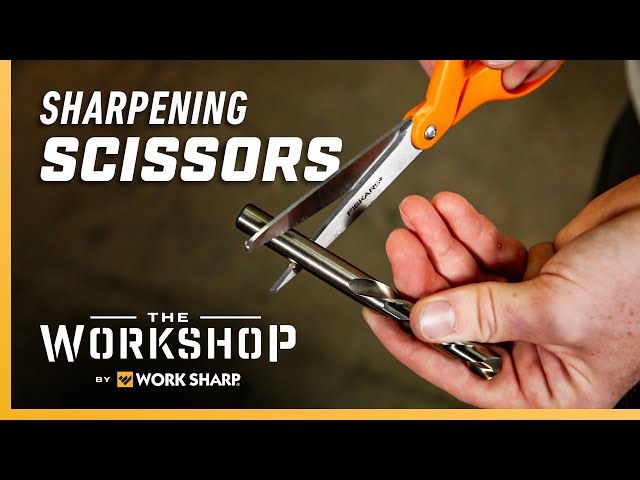
Open the scissors fully. Place the blade against the rod at the correct angle (20–30 degrees). Slide the blade from the base to the tip, applying gentle pressure. Repeat 5–10 times.
- Use long, smooth strokes.
- Don’t force the blade; gentle pressure works best.
- Keep the angle consistent.
4. Repeat For The Second Blade
Switch to the other blade and repeat the process. Make sure you maintain the same angle and pressure.
5. Remove Burrs
Sharpening creates tiny metal burrs. Close the scissors and cut through a piece of folded aluminum foil or sandpaper. This removes burrs and smooths the edge.
6. Test Sharpness
Try cutting paper, fabric, or thread. If the scissors don’t cut cleanly, repeat sharpening with lighter pressure.
7. Clean And Reassemble
Wipe the blades with a soft cloth. If you disassembled the scissors, reattach the screw and test the movement.
Practical Tips For Better Results
Sharpening scissors with a rod is easy, but there are tricks for best results:
- Sharpen only when needed: Over-sharpening wears out the blade faster.
- Use the right rod for your scissors: Don’t use diamond rods for delicate blades.
- Keep the angle steady: Changing the angle during sharpening can create uneven edges.
- Clean the rod regularly: Metal residue builds up on the rod, making it less effective. Wipe with a damp cloth after every session.
- Don’t rush: Slow, steady strokes produce a sharper, longer-lasting edge.
Non-obvious insight: If you find your scissors are still dull after sharpening, check for hidden damage at the screw joint. Sometimes loose or misaligned joints cause poor cutting, not dull blades.
Common Mistakes To Avoid
Sharpening scissors is simple but easy to get wrong. Avoid these mistakes:
- Sharpening both sides of the blade: Only the beveled side needs sharpening.
- Using too much force: Pressing too hard can scratch or bend the blade.
- Wrong rod material: Diamond rods are too harsh for most scissors.
- Skipping burr removal: Burrs make the scissors feel sharp but cause rough cuts.
- Ignoring blade angle: Wrong angle results in dull blades or uneven edges.
Beginners often think sharper means more force. In reality, gentle, consistent strokes are far more effective.
How Often Should You Sharpen Scissors?
The frequency depends on usage and material. Here are general guidelines:
- Heavy use (daily cutting): Sharpen monthly.
- Medium use (sewing, crafts): Sharpen every 2–3 months.
- Light use (office work): Sharpen twice a year.
Scissors used on hard materials need sharpening more often. If you notice tearing or rough cuts, it’s time to sharpen.

Credit: www.insight-kitchenknife.com
Comparing Knife Sharpener Rods To Other Sharpening Tools
Knife sharpener rods are practical, but how do they compare to other tools?
| Sharpening Tool | Ease of Use | Effectiveness | Cost | Best For |
|---|---|---|---|---|
| Knife Sharpener Rod | Medium | Good | Low | Home scissors |
| Sharpening Stone | Difficult | Excellent | Medium | Professional scissors |
| Electric Sharpener | Easy | Varies | High | Multiple blades |
| Sandpaper | Easy | Basic | Low | Quick fixes |
| Professional Service | Very Easy | Excellent | High | Specialty scissors |
Knife sharpener rods offer a balance of price and effectiveness for most home scissors. For complex blades, sharpening stones or professional services are better.
Maintenance And Storage Tips
Keeping scissors sharp is more than just sharpening. Good maintenance prevents dullness and damage.
- Clean after each use: Wipe blades with a dry cloth.
- Store properly: Keep scissors in a closed drawer or a pouch.
- Avoid cutting hard materials: Don’t use scissors for tasks they weren’t designed for.
- Lubricate the joint: A drop of oil keeps movement smooth.
- Check for rust: If you see rust, clean with vinegar and dry thoroughly.
Expert tip: Label your scissors for specific uses (paper, fabric, kitchen). Using the right scissors for each job keeps them sharper longer.

Credit: www.wiltshire.com.au
Safety Considerations
Sharpening involves sharp objects. Safety is important, especially for beginners.
- Work in good light: You need to see the blade clearly.
- Keep fingers away from the edge: Always hold the handle, not the blade.
- Use protective gloves: Thin gloves protect without reducing grip.
- Don’t rush: Take your time to avoid accidents.
- Keep tools out of reach of children: Sharpening rods and scissors are dangerous for kids.
If you drop the rod or scissors, check for chips or cracks before continuing.
Real-life Examples And Results
Let’s look at practical results from people who sharpened scissors at home:
- Sewing enthusiast: Sharpened fabric scissors monthly. Noticed smoother cuts, less fraying, and saved money by not buying new scissors.
- Office worker: Used a ceramic rod every six months. Improved paper cutting speed and reduced hand fatigue.
- Home cook: Sharpened kitchen scissors for cutting herbs. Found that sharp scissors made food prep faster and safer.
In most cases, sharpening takes less than 10 minutes. With practice, you can restore scissors quickly and confidently.
Credit: www.youtube.com
Advanced Sharpening Techniques
For experienced users, there are advanced techniques to improve results:
- Polishing after sharpening: Use a fine ceramic rod or strop to polish the edge.
- Angle adjustment: Experiment with slightly different angles for different materials.
- Testing on specialty materials: Try cutting thin plastic or tough fabric to check sharpness.
If you want to learn more about sharpening angles and blade care, visit Wikipedia’s sharpening page.
Frequently Asked Questions
What If My Scissors Still Don’t Cut Well After Sharpening?
If scissors are still dull, check for hidden damage at the screw joint or blade tips. Sometimes, blades are misaligned or bent. Realign the blades or tighten the screw. If the problem continues, consider professional sharpening.
Can I Use A Knife Sharpener Rod For Pinking Shears?
Pinking shears have saw-toothed edges, which are tricky to sharpen with a rod. It’s better to use specialized tools or seek professional help. Trying to sharpen pinking shears with a rod can damage the teeth and reduce their effectiveness.
How Can I Tell If My Scissors Are Sharp Enough?
Sharp scissors cut cleanly without tearing or snagging. Test by cutting a strip of paper or fabric. If the cut is smooth and easy, your scissors are sharp. If you feel resistance or see jagged edges, sharpen again.
Is It Safe To Sharpen Scissors With A Rod?
Yes, it’s safe if you follow basic safety rules. Work slowly, keep fingers away from the blade, and use protective gloves if needed. Always sharpen on a stable surface and keep tools away from children.
Do I Need To Sharpen New Scissors?
New scissors are usually sharp, but sometimes they need a touch-up, especially after heavy use. If you notice poor cutting, sharpen lightly with a ceramic rod. Avoid aggressive sharpening for new blades.
Sharpening scissors with a knife sharpener rod is a skill worth learning. It saves money, improves cutting, and helps you maintain tools for years. With the right rod, careful technique, and good maintenance, your scissors will stay sharp and reliable.
Whether you use them for crafts, cooking, or office work, sharp scissors make every job easier. The process is simple, safe, and suitable for most home scissors. Give it a try and enjoy the benefits of sharp blades every day.

Hello, This is Annie Walker, a 38-year-old blogger, founder, and editor of Cookware Guider from NY, USA. I am a cookware fanatic and passionate cooker. I love to cook with different types of cooking appliances (example: all types of cookware, rice cookers, slow cookers, etc) almost every day in my kitchen. I love to share my experience with my readers in my blog. Also, I enjoy helping people to solve their problems through my website. You can follow me on Twitter & Pinterest. To know details about my blog please check the about us page.