
If you use knives often—whether in the kitchen, garden, or workshop—you know how much easier and safer it is when your blade is sharp. A dull knife not only makes tasks harder, but it also increases the risk of accidents. The Corona Knife Sharpener is a tool designed to quickly restore sharp edges to many types of knives. It’s simple, portable, and affordable, but many people are unsure how to use it effectively. If you want to learn how to sharpen your knives properly with a Corona Knife Sharpener, this guide will help you master the process, avoid common mistakes, and keep your blades performing at their best.
What Is The Corona Knife Sharpener?
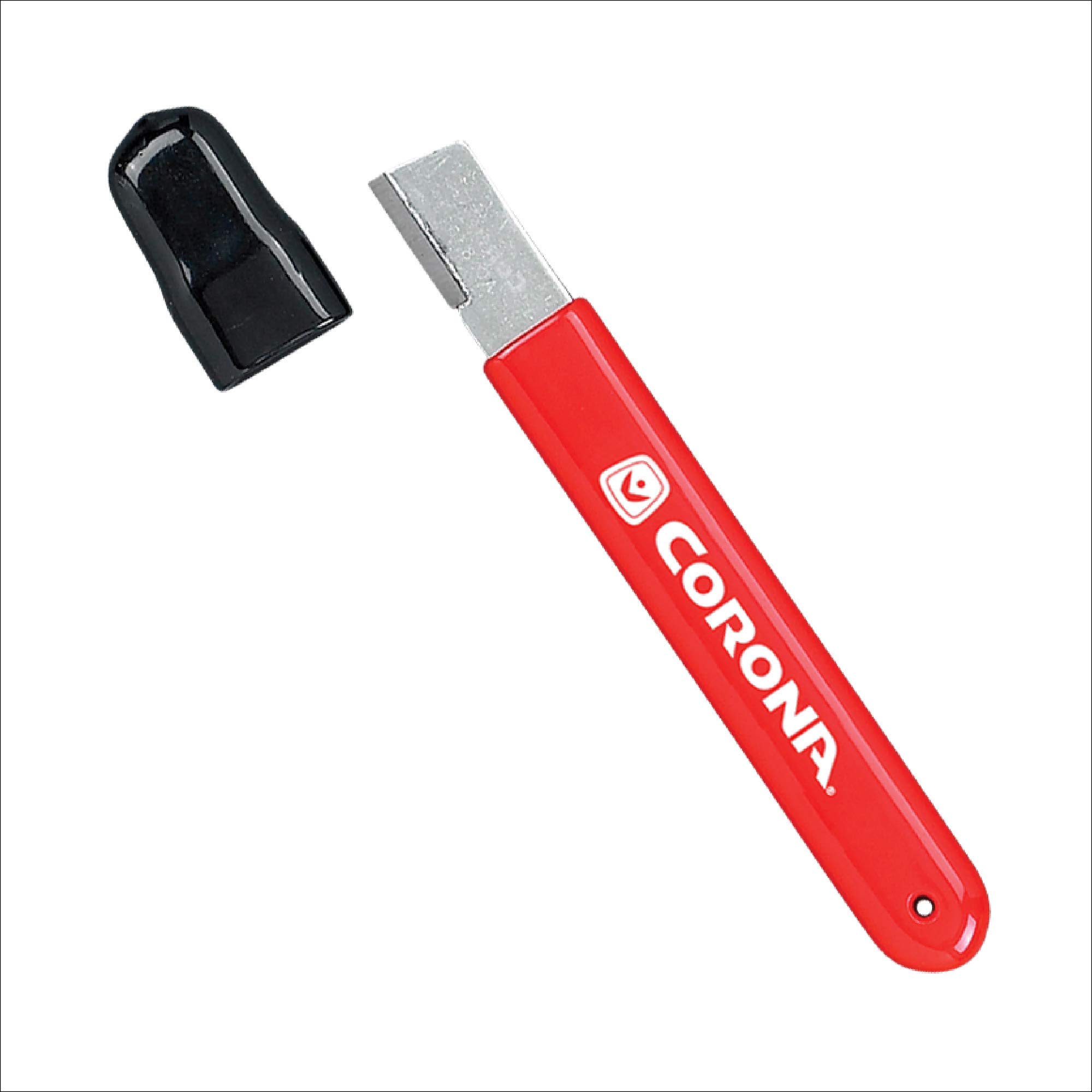
The Corona Knife Sharpener is a compact handheld tool, typically used for sharpening garden tools, kitchen knives, and even small blades. It features a tungsten carbide sharpening head, which is highly durable and able to sharpen most steel blades quickly. The sharpener usually has a comfortable handle and a finger guard for safety.
Unlike large sharpening stones or electric sharpeners, the Corona Knife Sharpener is designed for quick touch-ups and routine maintenance. It is ideal for gardeners, cooks, and anyone who needs a sharp blade but doesn’t want to spend a lot of time or money on sharpening.
Key Features
- Tungsten carbide sharpening head: Known for its toughness, it can sharpen most steel blades.
- Ergonomic handle: Makes it easy to hold, even for long periods.
- Finger guard: Protects your hand while sharpening.
- Portable design: Small and lightweight, easy to carry or store.
Types Of Knives It Can Sharpen
Most common knife types can be sharpened with a Corona Knife Sharpener, including:
- Kitchen knives (chef’s knives, paring knives, utility knives)
- Garden tools (pruners, shears, small axes)
- Pocket knives and folding knives
However, it is not suitable for serrated blades or extremely thin, delicate knives.
Why Knife Sharpness Matters
A sharp knife is more than just convenient—it is essential for safety and efficiency. Dull knives require more force to cut, increasing the risk of slipping and injury. Tasks take longer, and results are often poor.
Statistics
- According to the National Safety Council, most kitchen injuries happen because of dull knives.
- Studies show that cutting efficiency drops by up to 30% when using a dull blade.
- Gardeners report that sharp tools reduce fatigue and improve clean cuts on plants, helping them heal faster.
Practical Example
Imagine trying to slice a tomato with a dull knife. You have to press harder, and the tomato gets squashed instead of sliced. With a sharp knife, you simply glide through the skin and flesh, getting perfect slices every time.
Preparing To Use The Corona Knife Sharpener
Before you start sharpening, you need to prepare your knife and workspace. Skipping this step is a common mistake and can lead to poor results or injuries.
Safety Precautions
- Work on a stable surface: Avoid slippery or cluttered tables.
- Wear protective gloves: Especially if you are new to sharpening.
- Ensure good lighting: You need to see the blade clearly.
- Keep children and pets away: Sharpening involves exposed blades.
Cleaning The Knife
Always clean your knife before sharpening. Dirt, grease, or plant residue can interfere with the sharpening process and damage the sharpener.
- Use warm water and mild soap.
- Dry the blade completely with a towel.
Inspecting The Blade
Check for chips, cracks, or major damage. The Corona Knife Sharpener is best for routine sharpening, not for repairing heavily damaged blades.
Step-by-step Guide: Using The Corona Knife Sharpener
Sharpening with the Corona Knife Sharpener is simple, but doing it correctly will give you the best results. Here’s a clear, detailed process for sharpening a straight-edged knife.
Step 1: Position The Knife
Hold the knife firmly in your non-dominant hand. Place the blade on a flat surface or hold it upright, pointing away from you. Keep your fingers away from the edge.
Step 2: Grip The Sharpener
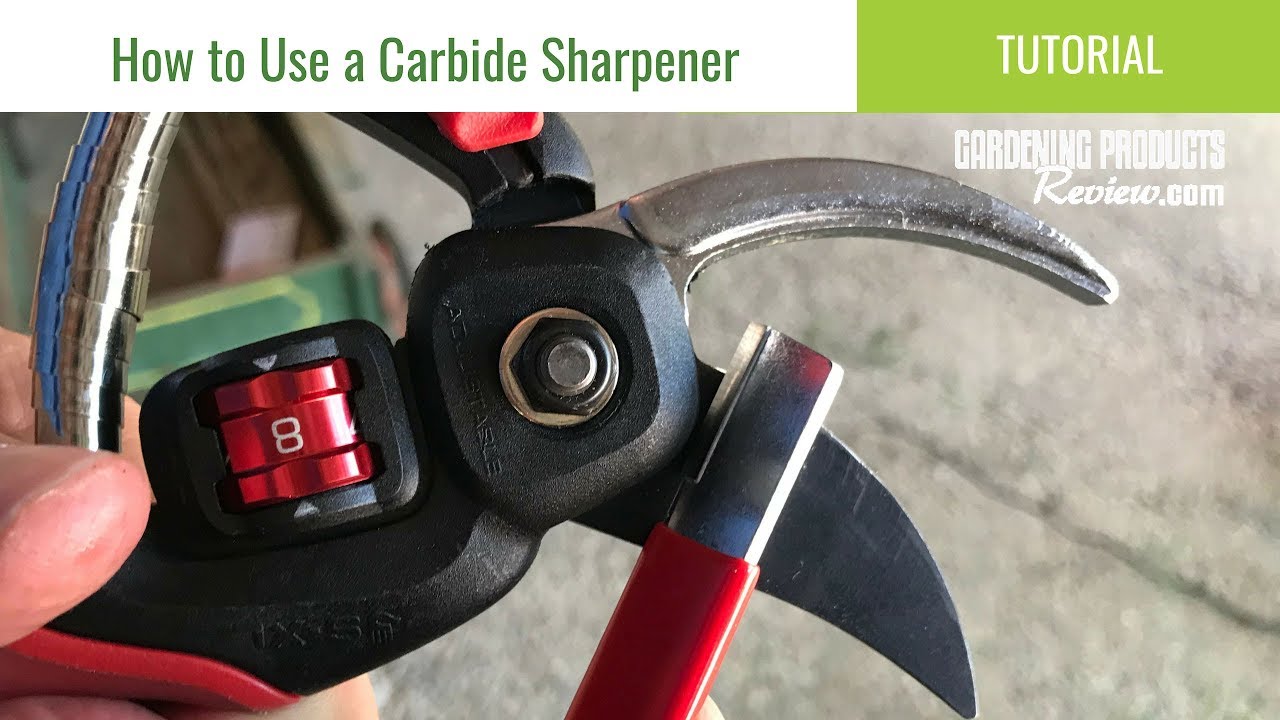
Hold the Corona Knife Sharpener by its handle, ensuring your fingers are behind the finger guard. The tungsten carbide head should face the blade.
Step 3: Align The Sharpener
Place the sharpener at the heel of the blade (the end closest to the handle). Make sure the sharpening head sits flat against the blade edge.
Step 4: Draw The Sharpener Along The Blade
Pull the sharpener down the length of the blade, moving from the heel to the tip. Apply moderate, consistent pressure—do not force it. Repeat this motion 3–5 times.
- For very dull knives, you may need up to 10 passes.
- For regular maintenance, 2–3 passes are often enough.
Step 5: Switch Sides
Flip the knife over and repeat the same process on the other side of the blade. This keeps the edge balanced and sharp.
Step 6: Check The Edge
After sharpening, carefully run your finger (perpendicular to the edge, never along it) to check for sharpness. The blade should feel smooth and keen.
Step 7: Clean The Knife Again
Wipe away any metal shavings with a damp cloth. Dry the blade to prevent rust.
Credit: www.amazon.com
Practical Tips For Best Results
Even though the Corona Knife Sharpener is easy to use, a few practical tips can help you get a better edge and extend your tool’s life.
Maintain The Correct Angle
The ideal sharpening angle for most knives is 20 degrees. The Corona sharpener is designed to guide you, but if you press too hard or tilt the sharpener, you may lose the edge.
Don’t Oversharpen
Beginners often think more passes mean a sharper blade. In fact, oversharpening can wear down your knife quickly and create a rough edge.
Clean The Sharpener Regularly
After each use, wipe the sharpening head. Metal dust can build up and reduce effectiveness.
Use For Routine Maintenance
The Corona Knife Sharpener is best for keeping knives sharp, not for restoring very damaged blades. If your knife is chipped or has a rolled edge, consider a professional sharpening service.
Avoid Serrated Blades
Do not use the Corona Knife Sharpener on serrated knives. It can damage both the blade and the sharpener.
Common Mistakes And How To Avoid Them
Many people make errors when using a knife sharpener. Here are the most frequent mistakes and solutions:
- Using too much pressure: This wears down the blade faster and can damage the sharpener. Use gentle, steady pressure.
- Incorrect angle: Not keeping the sharpener flat against the blade leads to uneven sharpening.
- Sharpening dirty knives: Dirt and grease can scratch the sharpening head and reduce performance.
- Sharpening serrated blades: This tool is not designed for serrated edges—use a specialized sharpener.
- Neglecting both sides: Always sharpen both sides of the blade for a balanced edge.
Comparing The Corona Knife Sharpener With Other Sharpeners
There are many types of knife sharpeners. To help you decide if the Corona Knife Sharpener is right for you, here’s a comparison with other popular types.
| Sharpener Type | Ease of Use | Speed | Suitable for | Price Range |
|---|---|---|---|---|
| Corona Knife Sharpener | Very Easy | Fast | Garden/Kitchen/Pocket Knives | $10–$20 |
| Sharpening Stone | Moderate | Slow | Chef Knives, Axes | $20–$60 |
| Electric Sharpener | Easy | Very Fast | Kitchen Knives | $40–$150 |
| Rod/Steel | Easy | Medium | Maintaining Edge | $10–$30 |
Key Takeaways
- The Corona Knife Sharpener is best for quick sharpening and touch-ups.
- Sharpening stones offer precision, but require skill.
- Electric sharpeners are fast, but more expensive.
Maintenance And Longevity Of Your Corona Knife Sharpener
Taking care of your sharpener will ensure it lasts longer and works better.
Cleaning After Use
- Wipe the sharpening head with a dry cloth.
- For stubborn dirt, use a damp cloth and dry thoroughly.
Storing Properly
Store the sharpener in a dry place. Moisture can cause rust on the sharpening head.
When To Replace
If the tungsten carbide head becomes smooth or chipped, it’s time to replace the sharpener. Most Corona sharpeners last for hundreds of sharpening sessions if cared for properly.
Corona Knife Sharpener: Real-life Examples
To illustrate its effectiveness, here are a few real-life examples.
Example 1: Kitchen Knife Rescue
A home cook uses the Corona sharpener to refresh a dull chef’s knife. After just five passes on each side, the knife slices tomatoes easily again. The process takes less than two minutes.
Example 2: Garden Tool Maintenance
A gardener sharpens pruners before spring pruning. The Corona sharpener restores a clean, sharp edge, making cuts smoother and reducing strain on hands.
Example 3: Pocket Knife In The Field
A camper uses the Corona sharpener to touch up a pocket knife while outdoors. The tool’s portable size makes it ideal for travel and emergencies.
When Not To Use The Corona Knife Sharpener
While this sharpener is versatile, it does have limits.
- Serrated blades: Use a serrated sharpener instead.
- Extremely damaged knives: Deep chips, cracks, or rolled edges need professional help.
- High-end chef knives: If you own expensive Japanese knives, consider a whetstone for more control.
Corona Knife Sharpener Vs. Sharpening Stone: Effectiveness Table
Here’s a comparison between the Corona Knife Sharpener and a classic sharpening stone.
| Criteria | Corona Knife Sharpener | Sharpening Stone |
|---|---|---|
| Portability | Very Portable | Less Portable |
| Learning Curve | Low | High |
| Edge Quality | Good for most tasks | Excellent for precision |
| Maintenance | Minimal | Needs regular flattening |
How Often Should You Sharpen Your Knives?
The answer depends on how often you use your knives and what you cut.
- Kitchen knives: Sharpen every 1–2 months with regular use.
- Garden tools: Sharpen at the start of each season, or after heavy use.
- Pocket knives: Sharpen as needed—usually after long trips or tough jobs.
A useful trick: If your knife struggles with soft foods (like tomatoes or bread), it’s time to sharpen.
Credit: www.youtube.com
Corona Knife Sharpener: Buying Guide
If you’re considering a Corona Knife Sharpener, here’s what matters most:
What To Look For
- Tungsten carbide head: Ensures long life and effective sharpening.
- Comfortable grip: Look for a handle that fits your hand size.
- Finger guard: Essential for safety.
- Brand reputation: Choose genuine Corona products.
Where To Buy
You can find Corona sharpeners at hardware stores, garden centers, and online retailers. Always check for authentic products.
Corona Knife Sharpener: User Reviews And Feedback
Understanding what other users think can help you make a smart decision.
Positive Feedback
- Easy to use: Many beginners appreciate the simple design.
- Quick results: Most users report sharp edges in under two minutes.
- Durable: Tungsten carbide head lasts a long time.
Criticisms
- Not for serrated knives: Some users wish it worked for more blade types.
- Edge quality: Professionals sometimes prefer stones for a finer edge.
Non-obvious Insight
Some users notice that wiping the sharpening head with a bit of oil after each use helps prevent rust and maintains performance.
Corona Knife Sharpener: Frequently Asked Questions
What Knives Can I Sharpen With The Corona Knife Sharpener?
Most straight-edged kitchen knives, garden tools, and pocket knives can be sharpened. Avoid using it on serrated blades or very thin, delicate knives.
How Long Does It Take To Sharpen A Knife?
Usually, it takes 1–3 minutes for a regular kitchen knife and up to 5 minutes for garden tools. The process is quick compared to sharpening stones or electric sharpeners.
How Often Should I Clean The Sharpener?
Clean the sharpener after every use. Wipe away metal dust with a dry cloth. For deep cleaning, use a damp cloth and dry completely.

Credit: coronatools.com
Can I Use The Corona Knife Sharpener Outdoors?
Yes, it is portable and works well outdoors. Many campers, gardeners, and travelers use it in the field.
What Should I Do If My Knife Is Very Damaged?
If your knife has deep chips or a rolled edge, the Corona sharpener may not be enough. Seek professional sharpening or use a sharpening stone for heavy repairs.
Keeping your knives sharp is one of the easiest ways to improve your cooking, gardening, or outdoor work. The Corona Knife Sharpener offers a fast, safe, and reliable way to maintain your blades, whether you’re a beginner or a seasoned pro. By following the steps and tips in this guide, you’ll get the best results and avoid common mistakes. Remember, sharp knives are safer and make every task easier. For more information on knife maintenance, you can visit Wikipedia: Knife Sharpening. With the right knowledge and tools, keeping your knives in top condition is simple and rewarding.

Hello, This is Annie Walker, a 38-year-old blogger, founder, and editor of Cookware Guider from NY, USA. I am a cookware fanatic and passionate cooker. I love to cook with different types of cooking appliances (example: all types of cookware, rice cookers, slow cookers, etc) almost every day in my kitchen. I love to share my experience with my readers in my blog. Also, I enjoy helping people to solve their problems through my website. You can follow me on Twitter & Pinterest. To know details about my blog please check the about us page.