
Few things feel as satisfying as using a razor-sharp knife in your kitchen or workshop. A sharp knife is safer, makes cutting easier, and gives you more control. But even the best knives lose their edge over time. If you want to keep your blades performing well, learning how to use a leather strop is essential. Many beginners think stropping is complicated or only for experts. In reality, it’s a simple technique that can make a big difference. Let’s break down everything you need to know about using a leather strop for knife sharpening, from choosing the right strop to perfecting your stropping technique.
What Is A Leather Strop?
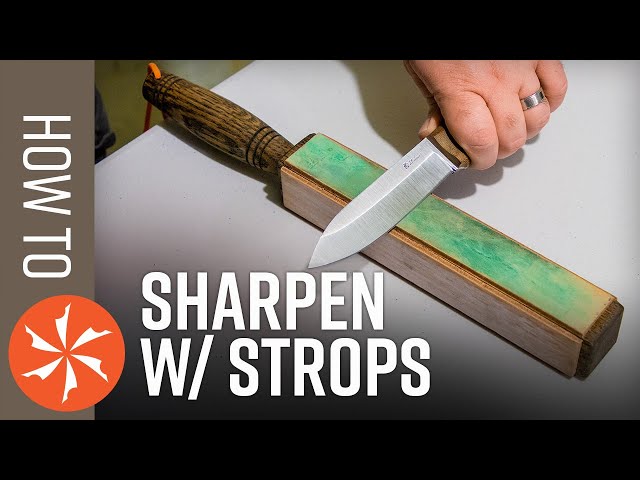
A leather strop is a flat strip of leather used to polish and refine the edge of a knife or razor. It’s the final step in sharpening, after grinding and honing. Stropping removes tiny burrs and aligns the edge, making it extremely sharp.
Strops can be made from cowhide, horsehide, or even synthetic materials. Some come mounted on wood, others are flexible strips. Many people add stropping compound—a fine abrasive powder or paste—to the leather for extra polishing power.
Why Use A Leather Strop?
- Sharpens and polishes: Stropping makes your knife edge smoother and sharper.
- Extends blade life: It removes less metal than sharpening stones, so your knife lasts longer.
- Low cost: A good strop can last for years with little maintenance.
- Easy to use: With a little practice, anyone can learn to strop effectively.
Types Of Leather Strops
Not all strops are the same. Choosing the right one helps you get the best results. Here’s a comparison of common strop types:
| Strop Type | Material | Best For | Pros | Cons |
|---|---|---|---|---|
| Bench Strop | Cowhide/Horsehide on wood | Kitchen & workshop use | Stable, easy to use | Less portable |
| Hanging Strop | Cowhide/Horsehide strip | Barbers, razors | Flexible, traditional | Needs anchoring |
| Paddle Strop | Leather on paddle handle | Knives, tools | Portable, controlled | Smaller surface |
| Double-sided Strop | Leather both sides | Compound on one, plain on other | Versatile | Can be confusing for beginners |
Bench strops are most popular for kitchen knives. Hanging strops are common for straight razors. Paddle strops are great for portability and control.
What Makes Leather Strops Effective?
The main reason strops work so well is the microscopic abrasives in the leather and compound. When you drag the knife along the leather, it polishes and straightens the edge without grinding away much metal. This creates a sharp, mirror-like edge that slices effortlessly.
Key Factors To Consider
- Leather Quality: High-quality, smooth leather gives better results. Horsehide is often preferred for its tight grain, but good cowhide works well too.
- Stropping Compound: This is a fine abrasive that speeds up polishing. The most common colors are green (chromium oxide), white (aluminum oxide), and red (iron oxide).
- Strop Surface: A flat, even surface is critical. Wrinkles or cracks can damage your knife’s edge.
- Size: A wider and longer strop is easier to use, especially for larger knives.
Choosing The Right Strop For Your Knives
Selecting the best strop depends on your knives and how you plan to use them. Here’s a quick guide:
| Knife Type | Recommended Strop | Why |
|---|---|---|
| Chef’s knife | Bench strop (2–3 inches wide) | Large, stable surface for long blades |
| Pocket knife | Paddle strop | Portable, fits small blades |
| Straight razor | Hanging strop | Traditional, long surface for razors |
| Chisel/gouge | Bench or paddle strop | Flat surface for precision |
A good rule: If you’re sharpening kitchen knives, start with a bench strop at least 10 inches long and 2 inches wide.
Stropping Compound: Is It Necessary?
Many people wonder if they must use a stropping compound. The short answer is no—it’s not required, but it speeds up polishing and helps achieve a finer edge.
Common Types Of Compounds
- Green (chromium oxide, 0.5 micron): Excellent for high polish and sharpness.
- White (aluminum oxide, 1 micron): Good for fast sharpening.
- Red (iron oxide, “jeweler’s rouge”): Used for final polish.
If you’re just starting, green compound is a safe choice for most kitchen and pocket knives. Apply a small amount evenly to the leather and rub it in.
Practical tip: Don’t mix compounds on the same strop. If you want to try different compounds, use a separate side or a different strop.
Step-by-step: How To Use A Leather Strop
Let’s walk through the entire process, from setup to finishing. This is where many beginners make mistakes, so follow each step carefully.
1. Prepare Your Knife
Before stropping, your knife should be clean and free of dirt or metal filings. Wipe the blade with a dry cloth. If you have just finished sharpening on a stone, make sure there are no burrs left.
2. Prep The Strop
If you’re using a compound, rub a small amount evenly over the leather. Less is more—too much can clog the surface. If your strop is new, rub it gently with your palm to warm and smooth the leather.
3. Find The Correct Angle
This is the most critical part. Hold the knife so the edge lies flat against the strop at the same angle you sharpened it—usually about 15–20 degrees for kitchen knives. Too steep and you’ll dull the edge; too flat and you won’t polish it.
A simple way to estimate: Place the knife flat, then lift the spine until the edge just touches the leather.
4. Draw The Blade Across The Strop
With light pressure, drag the knife spine-first (not edge-first) across the strop, moving away from the cutting edge. This is the opposite of sharpening on a stone.
- Start at the base of the blade near the handle.
- Draw the blade toward you, keeping the angle steady.
- Finish at the tip, then flip the knife and repeat on the other side.
Do 10–20 strokes per side. More is not always better—focus on consistency.
5. Check Your Progress
After stropping, the edge should look shinier and feel sharper. Test it by slicing a piece of paper or shaving a small section of arm hair (carefully).
If the edge still feels dull, check your technique:
- Are you keeping the angle correct?
- Are you using light pressure?
- Is the strop clean and flat?

Credit: www.amazon.com
Common Stropping Mistakes (and How To Avoid Them)
Even experienced users make errors. Here are some of the most frequent mistakes:
- Wrong angle: Stropping at too steep or shallow an angle won’t polish the edge.
- Too much pressure: Pressing hard rounds off the edge; gentle pressure is best.
- Edge-first strokes: Always pull spine-first to avoid cutting the leather.
- Dirty strop: Metal shavings and compound buildup reduce effectiveness. Clean your strop regularly.
- Uneven strokes: Inconsistent motion leads to an uneven edge.
Non-obvious insight: Many beginners don’t realize that over-stropping with heavy pressure can actually dull the knife. Less is more—focus on technique, not force or speed.
How Often Should You Strop Your Knives?
There’s no single answer. For kitchen knives used daily, stropping once a week keeps them in top shape. If you use your knife for detailed work (like shaving or carving), strop more often.
Pro tip: Stropping regularly means you’ll need to use sharpening stones less often. This preserves your knife’s life.
Cleaning And Maintaining Your Leather Strop
Proper care keeps your strop working well for years. Here’s how:
- Brush away metal dust: After every few sessions, gently brush the strop with a clean, dry cloth or a soft brush.
- Condition the leather: If the strop gets dry or stiff, apply a tiny amount of leather conditioner. Don’t overdo it—too much oil softens the leather and reduces effectiveness.
- Keep it flat: Store your strop flat, away from heat and sunlight. Hanging strops should be hung loosely, not stretched.
- Don’t mix compounds: If you want to use different compounds, use different sides or separate strops.
The Science Behind Stropping
Some people think stropping is “just polishing.” In fact, the process is a mix of micro-abrasion (removing tiny bits of metal) and realigning the edge. Under a microscope, even a sharp knife edge looks jagged. Stropping smooths out those microscopic teeth, making the blade much sharper.
A study published in the _Journal of Materials Processing Technology_ found that stropping with chromium oxide compound increases sharpness and edge retention by up to 30% compared to honing alone.
Leather Strop Vs. Honing Rod Vs. Sharpening Stone
Confused about when to use each tool? Here’s a quick comparison:
| Tool | Main Use | Removes Metal? | How Often? | Skill Required |
|---|---|---|---|---|
| Sharpening Stone | Create new edge, repair damage | Yes, removes most metal | Few times per year | Medium to high |
| Honing Rod | Realign bent edge, no polishing | Minimal metal removal | Weekly or before each use | Low |
| Leather Strop | Polish, refine, final sharpen | Tiny amount | Weekly or as needed | Low to medium |
Key insight: A leather strop won’t fix a dull, damaged edge. It’s for finishing, not major sharpening.
Practical Tips For Better Stropping
- Use the whole strop: Move the blade along the full length to avoid wearing out one spot.
- Keep your strop clean: Wipe away old compound and metal regularly.
- Practice with a cheap knife: Before using your best knife, get comfortable with the technique.
- Upgrade as you learn: Start with basic leather and compound. Later, try harder compounds or different leathers for a finer edge.
- Don’t rush: Slow, controlled strokes work better than fast, sloppy ones.
When Not To Use A Leather Strop
Stropping is not always the answer. Avoid using a strop if:
- The knife is very dull or has chips—use a stone first.
- The blade is serrated—strops are for straight edges.
- You are working with very soft steel—strops are best for harder steels that can take a fine edge.
Advanced Stropping: Double-sided And Specialty Strops
As you gain experience, you may want to try more advanced strops.
- Double-sided strops: One side with coarse compound for quick polishing, the other with fine compound or plain leather for finishing.
- Balsa wood strops: Used with diamond paste for ultra-fine edges, popular with straight razor users.
- Synthetic strops: Made from rubber or other materials, these offer different polishing properties.
Non-obvious insight: Some knife enthusiasts use denim or even newspaper as a final strop. These materials contain tiny abrasives that give an extra-polished edge.
Credit: www.youtube.com
Real-world Example: Stropping A Chef’s Knife
Let’s walk through an example. Imagine you have a kitchen chef’s knife that’s starting to feel dull.
- Sharpen the knife: If needed, use a sharpening stone to restore the edge.
- Clean the blade: Wipe off any debris or oil.
- Set up your bench strop: Apply green compound evenly.
- Hold the knife at 15–20 degrees: Place the edge flat on the strop.
- Draw the blade spine-first: 15 strokes per side, light pressure.
- Check sharpness: Slice a tomato or cut paper. The knife should glide effortlessly.
- Maintain regularly: Strop weekly to keep the edge keen.
Strop Care: Troubleshooting Common Problems
If your strop isn’t working well, try these solutions:
- Strop feels sticky: Too much compound or oil. Wipe with a dry cloth.
- Edge isn’t improving: Check your angle, pressure, and compound freshness.
- Leather is cracked or dry: Apply a tiny bit of leather conditioner and store away from heat.
- Knife cuts into the strop: You’re using edge-first strokes or too much pressure.

Credit: worksharptools.com
Where To Buy Quality Leather Strops
You can find leather strops at knife shops, woodworking stores, or online. Look for products with good reviews and clear material descriptions. Avoid very cheap strops with thin, poor-quality leather.
For more information about knife sharpening and stropping, check out this Wikipedia article on Stropping.
Frequently Asked Questions
How Long Does A Leather Strop Last?
With proper care, a quality leather strop can last many years—sometimes decades. Clean it regularly, avoid cutting into the leather, and don’t over-apply compound.
Can I Use A Leather Belt As A Strop?
Yes, a smooth leather belt can work as a makeshift strop. Make sure it’s clean and flat. For best results, use a dedicated strop with a firm backing.
Do I Need To Strop After Every Sharpening?
Yes, stropping is the final step after sharpening with stones. It removes the last burrs and polishes the edge. However, you can also strop between sharpening sessions to keep your knife sharp.
Is Compound Safe For Food Knives?
Most stropping compounds are safe in small amounts, but always wipe your knife clean after stropping. If you’re concerned, use plain leather with no compound.
Why Is My Knife Dull After Stropping?
Common reasons include using the wrong angle, too much pressure, or a dirty strop. Practice gentle, consistent strokes at the correct angle for best results.
Keeping your knives sharp with a leather strop is a skill that pays off every day. With some practice, you’ll enjoy safer, smoother cutting and extend the life of your favorite blades. Happy stropping!

Hello, This is Annie Walker, a 38-year-old blogger, founder, and editor of Cookware Guider from NY, USA. I am a cookware fanatic and passionate cooker. I love to cook with different types of cooking appliances (example: all types of cookware, rice cookers, slow cookers, etc) almost every day in my kitchen. I love to share my experience with my readers in my blog. Also, I enjoy helping people to solve their problems through my website. You can follow me on Twitter & Pinterest. To know details about my blog please check the about us page.