
If you’ve ever tried making sushi at home, you know that perfect rice is the heart of every great roll. But getting that sticky, flavorful texture just right can feel tricky.
What if you could learn the best way to cook rice for sushi that makes your homemade rolls taste like they came from a top sushi chef? You’ll discover simple steps and expert tips to master sushi rice every time.
Keep reading, and your sushi nights will never be the same.
Choosing The Right Rice
Choosing the right rice is the first step to perfect sushi. The rice must stick together but stay fluffy. It should have the right texture to hold the sushi shape. Not all rice works well for sushi. The choice affects taste and appearance. Understanding the rice types and their qualities helps pick the best one.
Types Of Rice For Sushi
Sushi rice is usually short-grain or medium-grain. Short-grain rice is the best choice. It is sticky and soft after cooking. Medium-grain rice can work but is less sticky. Long-grain rice is not suitable. It is too dry and loose. Japanese rice brands often use short-grain rice. This rice absorbs the vinegar seasoning well.
Grain Size And Texture
Grain size matters for sushi rice texture. Short grains are round and plump. They hold moisture and stick together. This helps the rice keep sushi shapes. The texture should be tender but firm. Overcooked rice becomes mushy and loses form. Undercooked rice feels hard and dry. The perfect rice is slightly sticky but not wet.
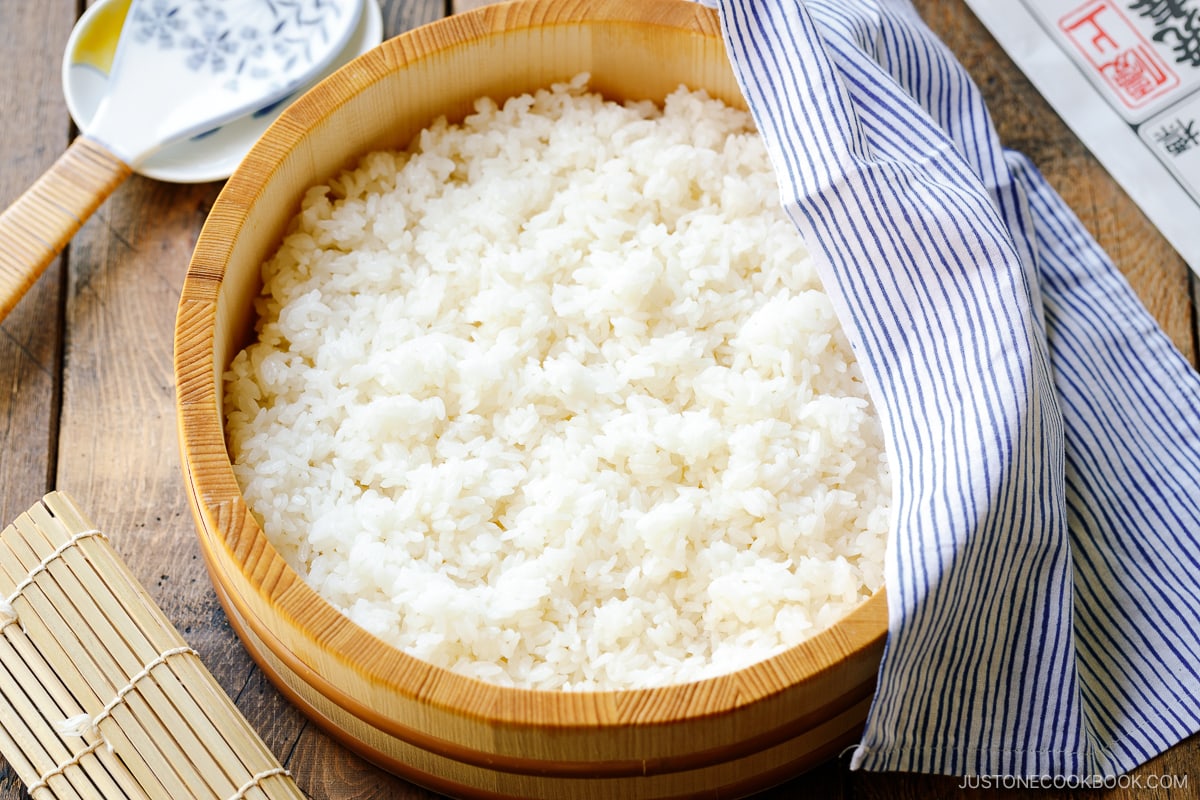
Credit: www.justonecookbook.com
Washing The Rice
Washing rice is the first important step in making sushi rice. It cleans the rice and helps get the right texture. Proper washing removes dirt and extra starch from the rice grains. This makes the rice sticky but not mushy.
Clean rice cooks evenly and tastes better. The goal is to have rice that holds together but stays fluffy. Let’s explore how to wash rice correctly for sushi.
Rinsing Techniques
Place rice in a large bowl. Add cold water to cover the rice. Gently stir the rice with your hand. The water will turn cloudy. Drain the water carefully. Repeat this rinsing step 3 to 4 times. Stop rinsing when the water is clear. Clear water means most dirt and starch are gone.
Removing Excess Starch
Excess starch makes rice sticky and clumpy. Rinsing removes starch from the rice surface. Swirl the rice gently to avoid breaking grains. Use fresh water each time you rinse. After rinsing, drain rice well. Let rice rest to absorb some water. This helps cook rice evenly. Removing starch helps sushi rice stick together nicely.
Soaking And Draining
Soaking and draining rice are key steps in making perfect sushi rice. These steps help the rice cook evenly. They also improve the rice’s texture and taste. Proper soaking lets the grains absorb water before cooking. Draining removes extra water for the right moisture balance.
Optimal Soaking Time
Soak sushi rice for about 30 minutes. This time lets water reach inside each grain. It helps the rice cook fully and evenly. Avoid soaking for too long. Over-soaking can make rice soft and mushy. Short soaking may leave the rice hard inside.
Importance Of Draining
Drain the soaked rice well before cooking. Draining removes excess water on the surface. This stops the rice from becoming too wet. Proper draining ensures a firm and sticky texture. It also prevents the rice from clumping too much.

Credit: www.bbcgoodfood.com
Cooking Methods
Choosing the right cooking method is key to perfect sushi rice. Each method changes the texture and taste slightly. It also affects how easy the rice is to work with when making sushi. Below are three popular ways to cook rice for sushi.
Stovetop Cooking
Stovetop cooking is traditional and simple. Rinse the rice well to remove extra starch. Use a pot with a tight lid. Add water in a 1:1.2 rice-to-water ratio. Bring water to a boil, then reduce heat. Let it simmer for about 18 minutes. Turn off heat and let it rest for 10 minutes. This method needs attention but gives good results.
Rice Cooker Tips
Rice cookers make cooking sushi rice easier. Rinse the rice until water runs clear. Add the rice and water in the cooker. Use the sushi rice or white rice setting if available. Let the cooker finish its cycle completely. After cooking, leave the rice in the cooker for 10 minutes. This helps the rice steam evenly and become sticky.
Microwave Method
The microwave method is fast and good for small batches. Rinse rice thoroughly before cooking. Place rice and water in a microwave-safe bowl. Cover with a microwave-safe lid or wrap. Cook on high for 10 minutes, then medium for 15 minutes. Let the rice rest for 5 minutes after cooking. Stir gently before using for sushi.
Seasoning The Rice
Seasoning the rice is key to perfect sushi. It gives the rice its unique taste and sticky texture. The right balance of flavors makes sushi enjoyable. Without seasoning, the rice tastes plain and dull. Let’s explore how to prepare sushi vinegar and mix it with rice for the best results.
Preparing Sushi Vinegar
Sushi vinegar is a mix of vinegar, sugar, and salt. Use rice vinegar for the best flavor. Combine 1/2 cup rice vinegar, 2 tablespoons sugar, and 1 teaspoon salt in a small pot. Warm the mixture gently to dissolve sugar and salt. Do not boil. Let it cool before adding to the rice.
Mixing And Cooling
Place the cooked rice in a large bowl. Pour the sushi vinegar evenly over the rice. Use a wooden spatula to gently fold the rice. Avoid stirring to keep rice grains intact. Spread the rice to cool at room temperature. Fan the rice to help it dry slightly and shine.
Storing And Handling
Proper storage and handling of sushi rice are important to keep its quality. Rice texture and moisture affect the final sushi taste. Handling the rice carefully preserves its softness and stickiness. Follow clear steps to keep sushi rice fresh and ready to use.
Maintaining Rice Texture
Store sushi rice in a covered container to keep moisture. Use a wooden or plastic container for best results. Avoid metal containers that can change rice flavor. Keep rice at room temperature, never refrigerate it. Cold storage makes rice hard and dry. Use a damp cloth over the rice to keep it soft. Handle the rice gently to avoid breaking grains. Serve rice soon after cooking for best texture.
Avoiding Overdrying
Rice dries quickly when exposed to air. Cover rice tightly with plastic wrap or a lid. Do not leave rice uncovered for long periods. If rice feels dry, sprinkle a few drops of water. Mix rice gently to spread moisture evenly. Avoid reheating rice multiple times. Dry rice loses stickiness and becomes hard. Keep rice moist but not wet for perfect sushi.
:max_bytes(150000):strip_icc()/Simiply-Recipes-Sushi-Rice-LEAD-06-b4692fb9a91b44a1a7e49502dac0c33e.jpg)
Credit: www.simplyrecipes.com
Frequently Asked Questions
What Type Of Rice Is Best For Sushi?
Short-grain Japanese rice is ideal for sushi. It has a sticky texture that holds well. This rice absorbs flavors and maintains shape when rolled.
How Much Water Should I Use To Cook Sushi Rice?
Use a 1:1. 2 rice-to-water ratio for perfect sushi rice. This ensures the rice is tender but not mushy. Adjust slightly for your rice brand.
Why Rinse Sushi Rice Before Cooking?
Rinsing removes excess starch from rice grains. This prevents clumping and makes the rice fluffy and glossy. Rinse until water runs clear.
How Long Should Sushi Rice Rest After Cooking?
Let sushi rice rest covered for 10 minutes. This allows moisture to distribute evenly. It results in better texture and easier handling.
Conclusion
Perfect sushi rice starts with rinsing and soaking well. Use the right water amount for fluffy grains. Cook gently and let it rest before seasoning. Mix rice vinegar, sugar, and salt carefully for the best taste. Cool the rice quickly to keep texture firm.
Practice these steps to enjoy tasty sushi at home. Simple, fresh, and done right every time. Try it yourself and see the difference.

Hello, This is Annie Walker, a 38-year-old blogger, founder, and editor of Cookware Guider from NY, USA. I am a cookware fanatic and passionate cooker. I love to cook with different types of cooking appliances (example: all types of cookware, rice cookers, slow cookers, etc) almost every day in my kitchen. I love to share my experience with my readers in my blog. Also, I enjoy helping people to solve their problems through my website. You can follow me on Twitter & Pinterest. To know details about my blog please check the about us page.