
When you’re cooking, choosing the right saucepan size can make all the difference. But how big is a medium saucepan, really?
You might think it’s obvious, but sizes can vary, and picking the wrong one can lead to wasted ingredients or crowded cooking. If you want to cook smarter and make your kitchen tasks easier, understanding the true size of a medium saucepan will help you get it right every time.
Keep reading to discover the exact measurements and why it matters for your cooking success.
Saucepan Sizes Explained
Understanding saucepan sizes helps in choosing the right pot for cooking. Saucepans come in different sizes, each suited for specific tasks. A medium saucepan is a popular choice in many kitchens. It fits well for cooking sauces, boiling small amounts of pasta, or warming soups. Knowing the size details makes cooking easier and more efficient.
Common Saucepan Dimensions
Saucepans usually vary by diameter and height. These two measurements affect the pot’s capacity and cooking style.
- Diameter: The width of the saucepan across the top.
- Height: The distance from the base to the rim.
A medium saucepan often has a diameter between 16 to 20 centimeters (6 to 8 inches). The height ranges from about 7 to 10 centimeters (3 to 4 inches). This size fits well on most stove burners and is easy to handle.
Here is a simple table showing common saucepan sizes:
| Size | Diameter (cm) | Height (cm) | Typical Use |
|---|---|---|---|
| Small | 12 – 14 | 6 – 8 | Melting butter, small sauces |
| Medium | 16 – 20 | 7 – 10 | Boiling rice, cooking vegetables |
| Large | 22 – 24 | 9 – 12 | Making soups, stews |
Medium saucepans balance size and capacity well. They fit most kitchen needs without being too heavy or small.
Volume Measurements
Volume shows how much liquid a saucepan can hold. It is usually measured in liters or quarts. Medium saucepans typically have a volume of about 1.5 to 3 liters (1.6 to 3.2 quarts).
Understanding volume helps select the right pot for a recipe. For example, a saucepan with 2 liters can cook enough soup for 2-3 people.
Here is a breakdown of common saucepan volumes:
- Small: 1 to 1.5 liters (1 to 1.6 quarts)
- Medium: 1.5 to 3 liters (1.6 to 3.2 quarts)
- Large: 3 to 5 liters (3.2 to 5.3 quarts)
Volume depends on both diameter and height. Taller saucepans can hold more liquid, even if the diameter is small.
Use this simple formula to estimate volume:
Volume ≈ π × (radius)² × heightFor example, a saucepan with a 10 cm radius and 8 cm height holds about:
3.14 × 10² × 8 = 2512 cm³ ≈ 2.5 litersThis calculation helps understand how size relates to volume. Medium saucepans offer a good balance of space without being bulky.
Typical Medium Saucepan Capacity
A medium saucepan is a common kitchen tool used for cooking a variety of dishes. Understanding its typical capacity helps you choose the right size for recipes and daily cooking needs. Medium saucepans usually hold enough food for small families or meal prep. Knowing the volume range makes it easier to pick the right pot without wasting space or crowding the stove.
Standard Volume Range
The capacity of a medium saucepan generally falls between 2 to 3 quarts (1.9 to 2.8 liters). This size suits boiling pasta, making sauces, reheating soups, and cooking grains. It offers a balance between size and ease of use.
- Common capacities: 2 qt, 2.5 qt, 3 qt
- Diameter usually ranges from 6 to 8 inches
- Height varies but often around 3.5 to 5 inches
This size is perfect for cooking meals for 2 to 4 people. It fits well on most stovetops and is easy to handle. The medium saucepan is versatile and does not take up much storage space.
| Capacity | Volume (liters) | Common Uses |
|---|---|---|
| 2 quarts | 1.9 | Small sauces, boiling eggs |
| 2.5 quarts | 2.4 | Cooking grains, soups |
| 3 quarts | 2.8 | Larger sauces, side dishes |
Comparing Small, Medium, And Large
Saucepan sizes vary widely. Knowing the differences helps match size to your cooking needs. Small, medium, and large saucepans serve different purposes in the kitchen.
Small saucepans usually hold about 1 to 1.5 quarts (1 to 1.4 liters). They are best for melting butter, warming small amounts of food, or making single servings.
Medium saucepans range from 2 to 3 quarts (1.9 to 2.8 liters). They work well for everyday cooking tasks and meals for a few people.
Large saucepans typically hold 4 quarts or more (3.8 liters+). Use these for big batches, soups, or cooking for a family.
| Size | Capacity (quarts) | Best For |
|---|---|---|
| Small | 1 – 1.5 | Single portions, melting, sauces |
| Medium | 2 – 3 | Daily meals, soups, grains |
| Large | 4+ | Big batches, family meals |
Choose the saucepan size based on your cooking habits and family size. A medium saucepan fits most needs without feeling too big or too small.
Material Impact On Saucepan Size
The size of a medium saucepan does not depend only on its volume or diameter. The material used to make the saucepan also affects its overall size and usability. Different materials change the saucepan’s weight, thickness, and heat conduction. These factors impact how the saucepan feels and performs during cooking. Understanding the material’s impact helps choose the right medium saucepan for your kitchen needs.
Weight Differences
Material plays a big role in the weight of a medium saucepan. Some materials are much heavier than others, which changes how easy the pan is to lift and move.
- Aluminum: Lightweight and easy to handle. A medium aluminum saucepan often weighs between 1 to 2 pounds.
- Stainless Steel: Heavier and more durable. It usually weighs 3 to 5 pounds for the same size.
- Copper: Quite heavy but excellent for heat control. A medium copper saucepan can weigh 4 to 6 pounds.
- Cast Iron: The heaviest option, often over 5 pounds, but holds heat well.
Here is a simple comparison table for weight estimates of a medium saucepan (around 2 liters capacity):
| Material | Approximate Weight (lbs) |
|---|---|
| Aluminum | 1 – 2 |
| Stainless Steel | 3 – 5 |
| Copper | 4 – 6 |
| Cast Iron | 5+ |
Choosing a lighter saucepan makes cooking easier, especially for quick tasks. Heavier pans feel sturdy but might tire your wrist during long cooking. Weight affects portability and storage too. Keep this in mind when selecting your medium saucepan.
Heat Distribution Effects
The material of a saucepan affects how heat spreads across its surface. Good heat distribution means food cooks evenly without hot spots.
- Aluminum: Excellent heat conductor. It heats up fast and spreads heat evenly.
- Stainless Steel: Poor heat conductor alone. Often combined with an aluminum or copper base for better heat flow.
- Copper: The best heat conductor. Reacts quickly to temperature changes, perfect for precise cooking.
- Cast Iron: Heats slowly but holds heat well. Ideal for slow cooking and simmering.
Heat distribution affects saucepan thickness and size. Materials like copper and aluminum allow for thinner walls because they conduct heat well. Stainless steel pans need thicker bases or layers to prevent hot spots, making them bulkier.
Here is a summary of heat conduction and its effect on saucepan design:
| Material | Heat Conduction | Effect on Size/Thickness |
|---|---|---|
| Aluminum | High | Thin walls, lighter size |
| Stainless Steel | Low alone | Thicker base, bulkier saucepan |
| Copper | Very High | Thin walls, elegant design |
| Cast Iron | Moderate | Thick and heavy walls |
Good heat distribution also saves energy and improves cooking results. Pick a saucepan material that matches your cooking style and heat source for best performance.

Credit: cookgoldilocks.com
Choosing The Right Saucepan Size
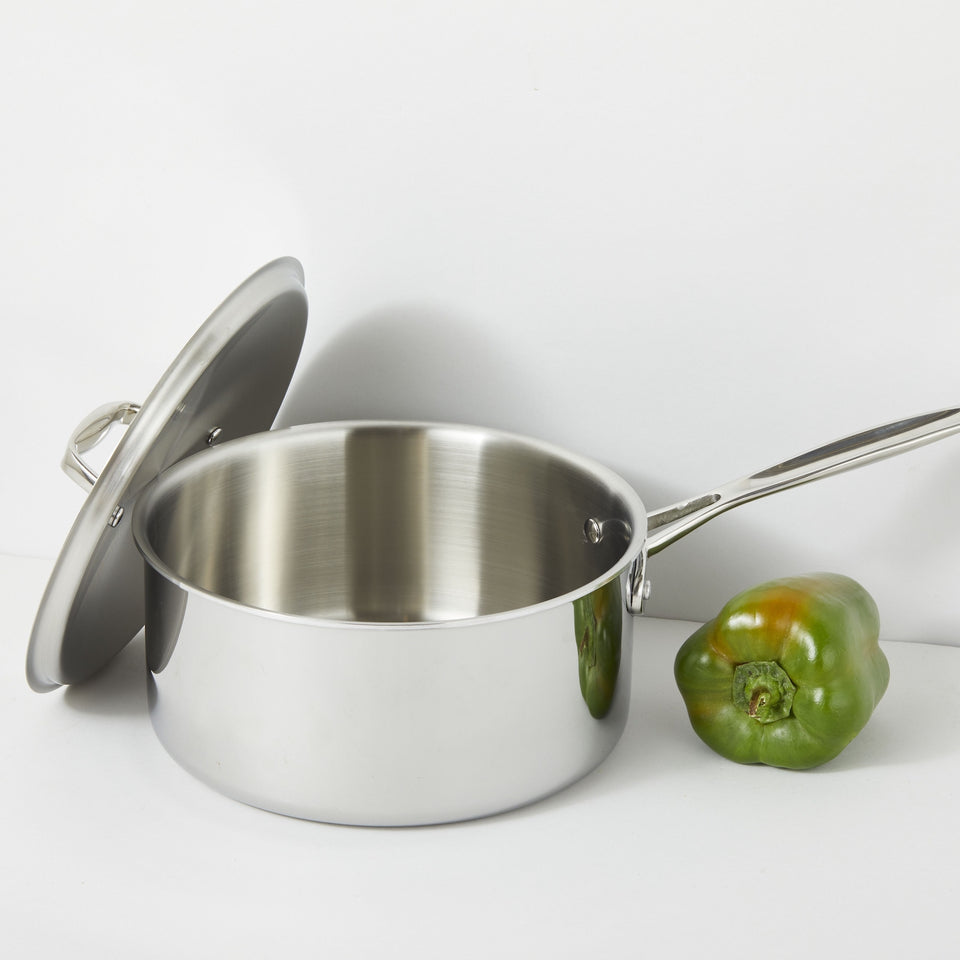
Choosing the right saucepan size matters for efficient cooking and kitchen organization. A medium saucepan usually holds about 2 to 3 quarts (1.9 to 2.8 liters). This size fits many cooking tasks like boiling pasta, making sauces, or heating soups. Selecting the correct size helps avoid waste and saves energy. It also makes cooking easier and faster. Understanding your cooking habits and kitchen space helps find the best fit.
Cooking Needs And Portions
Think about the meals you cook most often. A medium saucepan suits small to medium portions. It works well for:
- Boiling 2-3 cups of pasta or rice
- Making sauces for 3-4 people
- Heating soups or stews in moderate amounts
- Steaming vegetables for small families
This size is perfect if you cook for 2 to 4 people. For larger families, a bigger pot might be better. For one person, a smaller pan can save space and energy.
Here is a quick guide to saucepan sizes and their common uses:
| Saucepan Size | Volume (Quarts/Liters) | Best Use |
|---|---|---|
| Small | 1-1.5 qt (0.9-1.4 L) | Heating small portions, sauces, melting butter |
| Medium | 2-3 qt (1.9-2.8 L) | Cooking meals for 2-4 people, soups, pasta |
| Large | 4+ qt (3.8+ L) | Big batches, family meals, boiling large pasta amounts |
Choosing the right size means better cooking control. It avoids food spilling or burning. Medium saucepans balance cooking space and heat distribution well.
Storage Considerations
Think about your kitchen space before buying a medium saucepan. This size is usually easy to store but still takes up room. Stackable designs save space and keep your kitchen neat.
Here are some tips to manage saucepan storage:
- Stack smaller pans inside medium pans
- Use pot racks or hooks to hang saucepans
- Store lids separately for easier access
- Keep frequently used pans within reach
Measure your cabinet or shelf space before choosing a saucepan. Medium saucepans typically have a diameter of 7 to 9 inches (18 to 23 cm) and height around 3 to 5 inches (8 to 13 cm). Make sure your storage area fits these dimensions comfortably.
Here is a simple storage size reference:
| Pan Size | Diameter (inches/cm) | Height (inches/cm) |
|---|---|---|
| Small | 5-6 / 13-15 | 2.5-3 / 6-8 |
| Medium | 7-9 / 18-23 | 3-5 / 8-13 |
| Large | 10+ / 25+ | 5+ / 13+ |
Good storage planning keeps your kitchen tidy and extends your saucepan’s life. Choose a medium saucepan that fits your space and cooking style for the best experience.
Popular Brands And Their Medium Saucepans
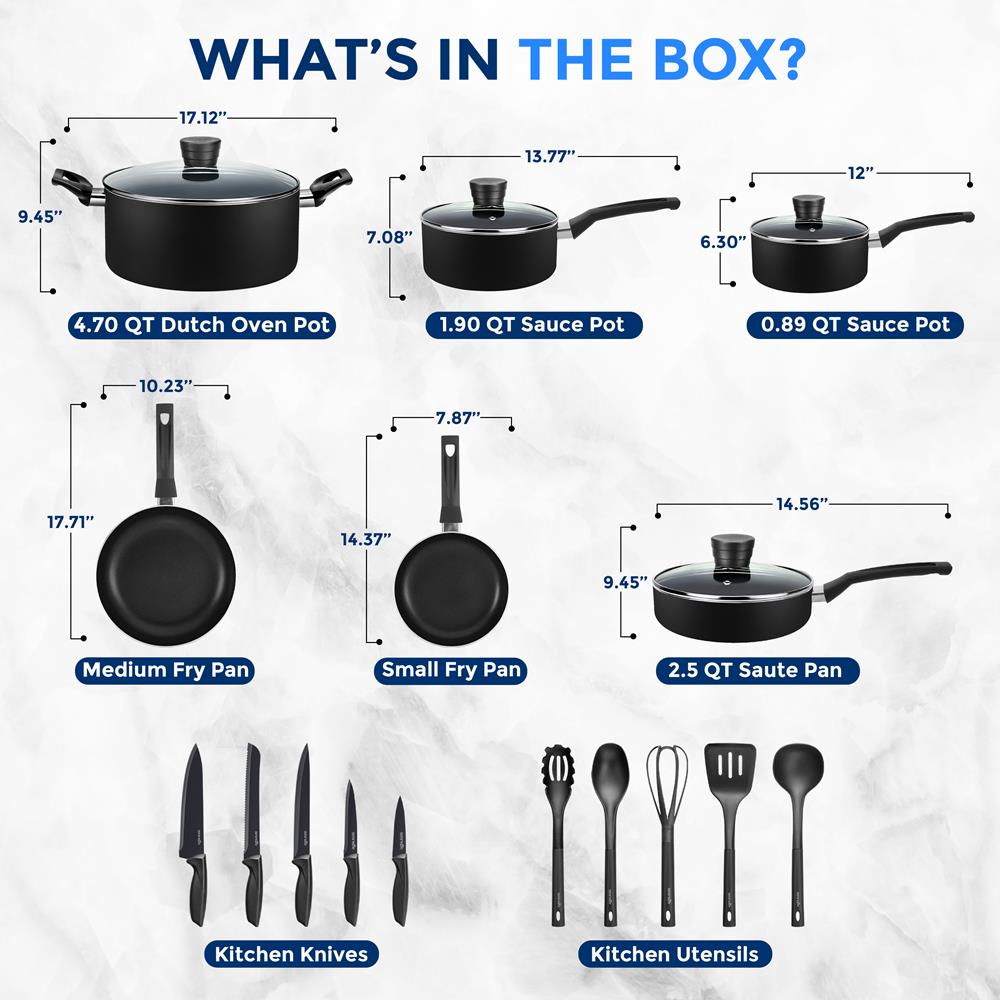
Medium saucepans are a kitchen staple, perfect for cooking soups, sauces, and side dishes. Different brands offer various sizes and styles of medium saucepans. Understanding the size and features of popular brands helps choose the right one. This section explores the size variations and price differences among well-known saucepan brands. It highlights what makes each brand unique and how their medium saucepans compare.
Size Variations By Manufacturer
Medium saucepans usually range between 2 to 3 quarts in capacity. Brands vary slightly in their size definitions and design choices. Some manufacturers offer multiple medium sizes to fit different cooking needs. Knowing these differences helps pick the ideal saucepan for daily use.
- All-Clad: Medium saucepans typically come in 2.5-quart and 3-quart sizes.
- Cuisinart: Offers medium saucepans mainly in 2-quart and 3-quart options.
- Calphalon: Sizes vary between 2.5 quarts to 3 quarts, with some models at 2.75 quarts.
- T-fal: Usually provides 2 to 3-quart sizes with non-stick coatings.
Here is a quick comparison table:
| Brand | Common Medium Size (Quarts) | Diameter (Inches) | Material |
|---|---|---|---|
| All-Clad | 2.5, 3 | 7.5 – 8 | Stainless Steel |
| Cuisinart | 2, 3 | 7 – 8 | Stainless Steel |
| Calphalon | 2.5, 2.75, 3 | 7.5 – 8 | Hard-Anodized Aluminum |
| T-fal | 2, 3 | 7 – 8 | Non-Stick Aluminum |
Medium saucepans from these brands share similar size ranges. The slight differences in diameter and capacity can affect cooking results. Material choice also influences heat distribution and durability.
Price Vs. Size
Price varies with brand, size, and material. Larger saucepans generally cost more, but other factors affect price too.
All-Clad is known for premium quality and higher prices. Their 3-quart stainless steel saucepan usually costs more than $100. Cuisinart offers affordable options around $40 to $70 for similar sizes.
Calphalon’s medium saucepans fall in the mid-range price category. Their hard-anodized pans cost about $50 to $80. T-fal provides budget-friendly non-stick saucepans, often priced under $40 for a 2-3 quart size.
Price and size comparison table:
| Brand | Size (Quarts) | Approximate Price ($) | Material |
|---|---|---|---|
| All-Clad | 3 | 100 – 130 | Stainless Steel |
| Cuisinart | 2 – 3 | 40 – 70 | Stainless Steel |
| Calphalon | 2.5 – 3 | 50 – 80 | Hard-Anodized Aluminum |
| T-fal | 2 – 3 | 25 – 40 | Non-Stick Aluminum |
Choosing a saucepan depends on budget and cooking needs. Higher-priced pans tend to last longer and perform better. Lower-priced saucepans suit occasional cooks or small kitchens.
Credit: cookgoldilocks.com
Credit: pyleusa.com
Frequently Asked Questions
What Is The Typical Size Of A Medium Saucepan?
A medium saucepan usually holds 2 to 3 quarts. It measures about 6 to 7 inches in diameter. This size suits most cooking tasks like boiling, simmering, and making sauces.
How Much Food Can A Medium Saucepan Cook?
A medium saucepan can cook meals for 2 to 4 people. It handles soups, pasta, and stews efficiently. This size balances capacity with easy handling in the kitchen.
What Materials Are Common For Medium Saucepans?
Medium saucepans are often made from stainless steel, aluminum, or non-stick coatings. These materials provide even heat distribution and easy cleaning. They are durable and suitable for everyday cooking.
Can A Medium Saucepan Fit On All Stovetops?
Yes, most medium saucepans fit well on gas, electric, and induction stovetops. Their base size matches standard burner sizes. Always check for an induction-compatible base if needed.
Conclusion
A medium saucepan usually holds about 2 to 3 quarts. It fits well for cooking soups, sauces, or boiling small pasta portions. This size works great for most everyday kitchen tasks. Choosing the right saucepan helps you cook efficiently. Keep this size in mind when buying new cookware.
A medium saucepan offers good balance between space and ease of use. It can make your cooking faster and more convenient. Simple and practical—just what your kitchen needs.

Hello, This is Annie Walker, a 38-year-old blogger, founder, and editor of Cookware Guider from NY, USA. I am a cookware fanatic and passionate cooker. I love to cook with different types of cooking appliances (example: all types of cookware, rice cookers, slow cookers, etc) almost every day in my kitchen. I love to share my experience with my readers in my blog. Also, I enjoy helping people to solve their problems through my website. You can follow me on Twitter & Pinterest. To know details about my blog please check the about us page.