
Pan frying salmon with skin is a skill that can transform a simple dinner into something special. When done correctly, you get crisp, flavorful skin and juicy, tender fish. Many home cooks struggle to achieve the perfect balance—some salmon turns soggy, others dry or overcooked.
This guide gives you step-by-step instructions, practical advice, and expert tips to help you master pan frying salmon with skin, even if you’re new to cooking or English.
You Must Read: Best Pan For Cooking Salmon
Why Pan Fry Salmon With Skin?
Pan frying is a fast method that brings out the best in salmon. The skin acts as a barrier, keeping the flesh moist while it cooks. It also turns crispy, adding a delicious texture. Salmon is rich in omega-3 fatty acids, protein, and vitamins, making it a healthy choice for any meal.
Most people don’t realize that cooking salmon with the skin on is easier and safer. The skin helps prevent sticking, which can ruin the fillet. Also, pan frying lets you control the cooking process, so you don’t dry out the fish.
Choosing The Right Salmon
Fresh salmon is key to great results. Look for fillets with firm flesh, bright color, and a shiny, moist appearance. Avoid salmon with a strong smell or dull, grayish skin.
Wild Vs. Farmed Salmon
Wild salmon usually has a deeper color and stronger flavor. Farmed salmon is milder and often fattier, which can make it more forgiving for beginners.
| Type | Flavor | Fat Content | Skin Texture |
|---|---|---|---|
| Wild Salmon | Rich, intense | Lower | Firm, crispier when cooked |
| Farmed Salmon | Mild | Higher | Softer, but still crisp if cooked well |
Size And Thickness
Thicker fillets are easier to cook evenly. If you’re buying for multiple people, plan for about 6 ounces per person.
Preparing Salmon For Pan Frying
Preparation is often overlooked, but it’s important for getting crispy skin and tasty fish. Here’s what to do:
- Pat the skin dry: Use a paper towel to remove moisture. Dry skin crisps up best.
- Check for bones: Run your fingers along the flesh. Pull out any pin bones with tweezers.
- Seasoning: Sprinkle salt and pepper on both sides. Salt helps draw out moisture and enhances flavor. You can add other spices like garlic powder or paprika, but keep it simple for classic salmon.
Optional Marinade
If you want extra flavor, use a light marinade. Lemon juice, olive oil, and herbs work well, but don’t let salmon sit too long—15-30 minutes is enough. Over-marinating can make the flesh mushy.
Choosing The Right Pan And Oil
A good pan makes a big difference. Use a nonstick skillet or a well-seasoned cast iron pan. Stainless steel can work, but it’s less forgiving.
Oils For Pan Frying
Choose an oil with a high smoke point. Here’s a quick comparison:
| Oil | Smoke Point | Flavor |
|---|---|---|
| Canola | 400°F | Neutral |
| Avocado | 520°F | Mild |
| Olive (refined) | 465°F | Light, fruity |
| Butter | 350°F | Rich, but burns easily |
Canola and avocado oil are best for beginners. Butter adds flavor but can burn, so mix it with oil if you want the taste.
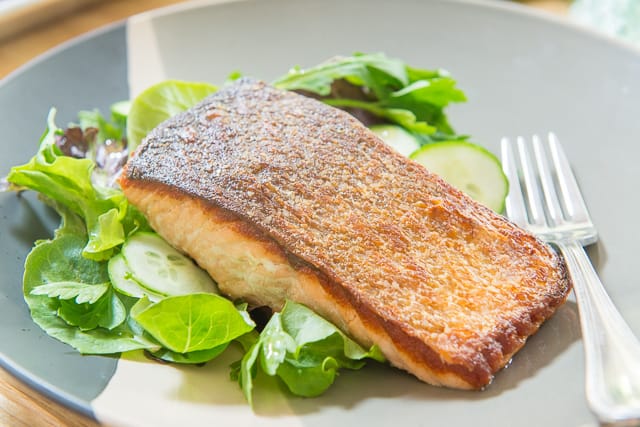
Credit: www.fifteenspatulas.com
Step-by-step Guide: Pan Frying Salmon With Skin
Cooking salmon is simple if you follow these steps. Here’s how to get crispy skin and tender fish every time:
- Bring salmon to room temperature: Take it out of the fridge 15-20 minutes before cooking. Cold salmon cooks unevenly.
- Heat the pan: Set the pan over medium-high heat. Add oil and let it get hot, but not smoking.
- Add salmon skin-side down: Place salmon in the pan with the skin touching the surface. Press gently with a spatula for the first 30 seconds. This prevents curling.
- Let it cook undisturbed: Don’t move the salmon for 4-6 minutes, depending on thickness. The skin will crisp and release naturally from the pan.
- Flip carefully: Use a thin spatula. Cook the flesh side for 1-2 minutes. Salmon is best when slightly pink in the center.
- Rest before serving: Remove from pan and let salmon rest for a couple of minutes. This keeps juices inside.
Cooking Times
- Thin fillets (1-inch): Skin side 4 minutes, flesh side 1 minute
- Thick fillets (1.5-inch): Skin side 6 minutes, flesh side 2 minutes
Testing For Doneness
The center should be slightly translucent and soft. A food thermometer should read 125°F for medium-rare. Overcooking dries out the fish.
Common Mistakes And How To Avoid Them
Many beginners make mistakes that lead to disappointing results. Here’s what to watch out for:
- Cooking cold salmon: Leads to uneven results. Always bring to room temperature.
- Wet skin: Moisture prevents crisping. Dry thoroughly.
- Overcrowding the pan: Too many fillets lower the temperature. Cook in batches if needed.
- Too much flipping: Moving the salmon breaks the skin. Let it cook undisturbed.
- Low heat: Skin won’t crisp. Make sure oil sizzles gently.
One insight many miss: seasoning the skin side as well as the flesh. This adds flavor and helps crisping.

Credit: healthyrecipesblogs.com
Practical Tips For Perfect Salmon Skin
Experienced cooks know a few secrets for extra crisp and flavor:
- Score the skin: Lightly cut shallow lines in the skin. This prevents curling and helps even cooking.
- Use a fish spatula: Thinner and more flexible than standard spatulas, making it easier to flip without tearing.
- Finish with a squeeze of lemon: Brightens flavor and balances richness.
- Serve skin-side up: Keeps skin crisp longer.
Another overlooked tip: let the salmon rest before serving. Resting keeps juices inside, making the fish more tender.
Serving Suggestions And Nutrition
Salmon is versatile. Serve it over rice, quinoa, or salad. It pairs well with roasted vegetables or simple steamed greens.
Nutritional Value
Salmon is one of the healthiest fish you can eat. A typical 6-ounce serving has:
- 34 grams protein
- 13 grams fat (mostly omega-3)
- 0 grams carbs
- 200% daily value for vitamin D
- 40% daily value for vitamin B12
Eating salmon once or twice a week can help support heart health and brain function.
Variations And Flavor Boosters
You can change up the flavors while keeping the basic method the same. Here are some ideas:
- Asian-style: Marinate with soy sauce, ginger, and garlic. Top with sesame seeds and scallions.
- Mediterranean: Use olive oil, lemon, oregano, and fresh herbs.
- Spicy: Add chili powder or cayenne to the seasoning.
Try adding a simple sauce—yogurt with dill, or a squeeze of lime for freshness.
Comparing Pan Frying To Other Methods
Pan frying is popular, but how does it compare to other cooking techniques?
| Method | Texture | Flavor | Cooking Time |
|---|---|---|---|
| Pan Frying | Crispy skin, juicy inside | Rich, caramelized | 6-8 min |
| Baking | Soft skin, tender flesh | Mild | 12-15 min |
| Grilling | Charred skin, smoky flavor | Bold | 8-10 min |
| Poaching | No skin crisp, moist flesh | Delicate | 8-10 min |
Pan frying is best for those who want crispy skin and a fast meal. Baking is good for hands-off cooking, grilling adds smokiness, and poaching is gentle but doesn’t crisp the skin.
Cleaning Up And Caring For Your Pan
After cooking, let your pan cool before cleaning. If you used cast iron, wipe it with a paper towel and add a little oil. Nonstick pans should be washed gently with a soft sponge.
Never use metal tools on nonstick pans. Avoid harsh cleaners. If skin sticks, soak the pan for 10 minutes before scrubbing.
Health And Sustainability Facts
Salmon is not only healthy, but choosing the right kind matters for the planet. Wild-caught salmon from Alaska is considered sustainable. Farmed salmon is improving, but check for certifications like MSC (Marine Stewardship Council).
According to the USDA, eating two servings of fatty fish per week is linked to lower heart disease risk. For more info on sustainable seafood, visit NOAA Fisheries.
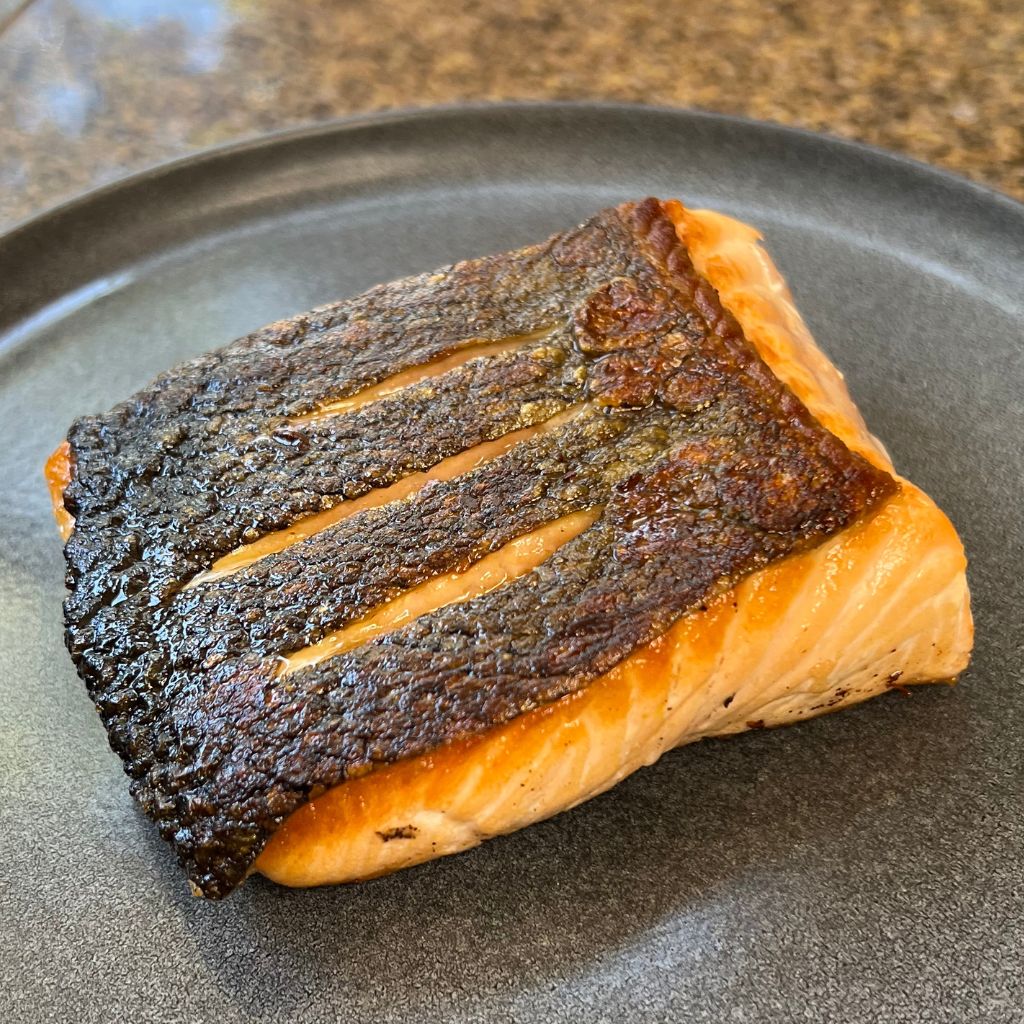
Credit: ocwildseafood.com
Frequently Asked Questions
How Do I Keep Salmon Skin From Sticking To The Pan?
Make sure the pan is hot and the skin is dry. Use enough oil and don’t move the salmon for the first few minutes. The skin will release naturally when it’s crispy.
Can I Pan Fry Frozen Salmon?
It’s possible, but the results are not as good. Frozen salmon releases water, making the skin soggy. For best results, thaw salmon fully and pat dry before cooking.
What Seasoning Works Best For Salmon?
Simple salt and pepper are classic. Lemon zest, garlic powder, or paprika add subtle flavor. Avoid heavy sauces while pan frying, as they can make the skin less crisp.
How Do I Know When Salmon Is Done?
Check for opaque flesh and a slightly translucent center. A thermometer should read 125°F for medium-rare. Overcooked salmon is dry and firm.
Is Salmon Skin Safe To Eat?
Yes, salmon skin is safe and nutritious. It contains omega-3 fats and adds texture. Make sure to crisp it well, and choose fish from trusted sources for safety.
Pan frying salmon with skin is a simple yet impressive skill. With the right salmon, a hot pan, and a few expert tips, you can create a meal that’s healthy, delicious, and full of flavor. Try different seasonings, enjoy the crispy skin, and don’t forget to rest the fish before serving.
As you practice, you’ll find your own favorite way to pan fry salmon, making dinner feel special every time.

Hello, This is Annie Walker, a 38-year-old blogger, founder, and editor of Cookware Guider from NY, USA. I am a cookware fanatic and passionate cooker. I love to cook with different types of cooking appliances (example: all types of cookware, rice cookers, slow cookers, etc) almost every day in my kitchen. I love to share my experience with my readers in my blog. Also, I enjoy helping people to solve their problems through my website. You can follow me on Twitter & Pinterest. To know details about my blog please check the about us page.