
If you’ve just bought clay cookware or inherited a beautiful piece, you might wonder how to get the best out of it. Seasoning your clay pot is the secret step that can turn it into a non-stick, long-lasting kitchen companion.
Without proper seasoning, your clay cookware might crack, stick, or lose its flavor-enhancing magic. But don’t worry—this guide will show you simple, clear steps to season your clay cookware perfectly. By the end, you’ll be ready to cook delicious meals with confidence and keep your cookware in great shape for years to come.
Let’s dive in!
Why Season Clay Cookware
Seasoning clay cookware is an important step before using it for cooking. It prepares the pot or pan and makes it last longer. Seasoning also helps improve how food cooks and sticks to the surface. Without seasoning, clay cookware can break easily or lose its cooking quality.
Enhancing Durability
Seasoning strengthens the clay material. It seals tiny holes and makes the surface harder. This helps the cookware resist daily wear and tear. Properly seasoned clay pots last for many years. They do not break or chip easily during use.
Preventing Cracks
Clay is fragile and can crack with sudden heat changes. Seasoning creates a protective layer that reduces this risk. It helps the cookware handle heat better. This means fewer cracks and longer life for your pot or pan.
Improving Non-stick Surface
Raw clay cookware is rough and sticky. Seasoning fills the pores with oil, making the surface smooth. This helps food cook evenly and not stick. It also makes cleaning easier after cooking.
Credit: www.justonecookbook.com
Choosing The Right Clay Pot
Choosing the right clay pot is important before seasoning. A good pot lasts longer and cooks better. Different types of clay pots suit various cooking styles and needs. Quality affects the pot’s performance and safety.
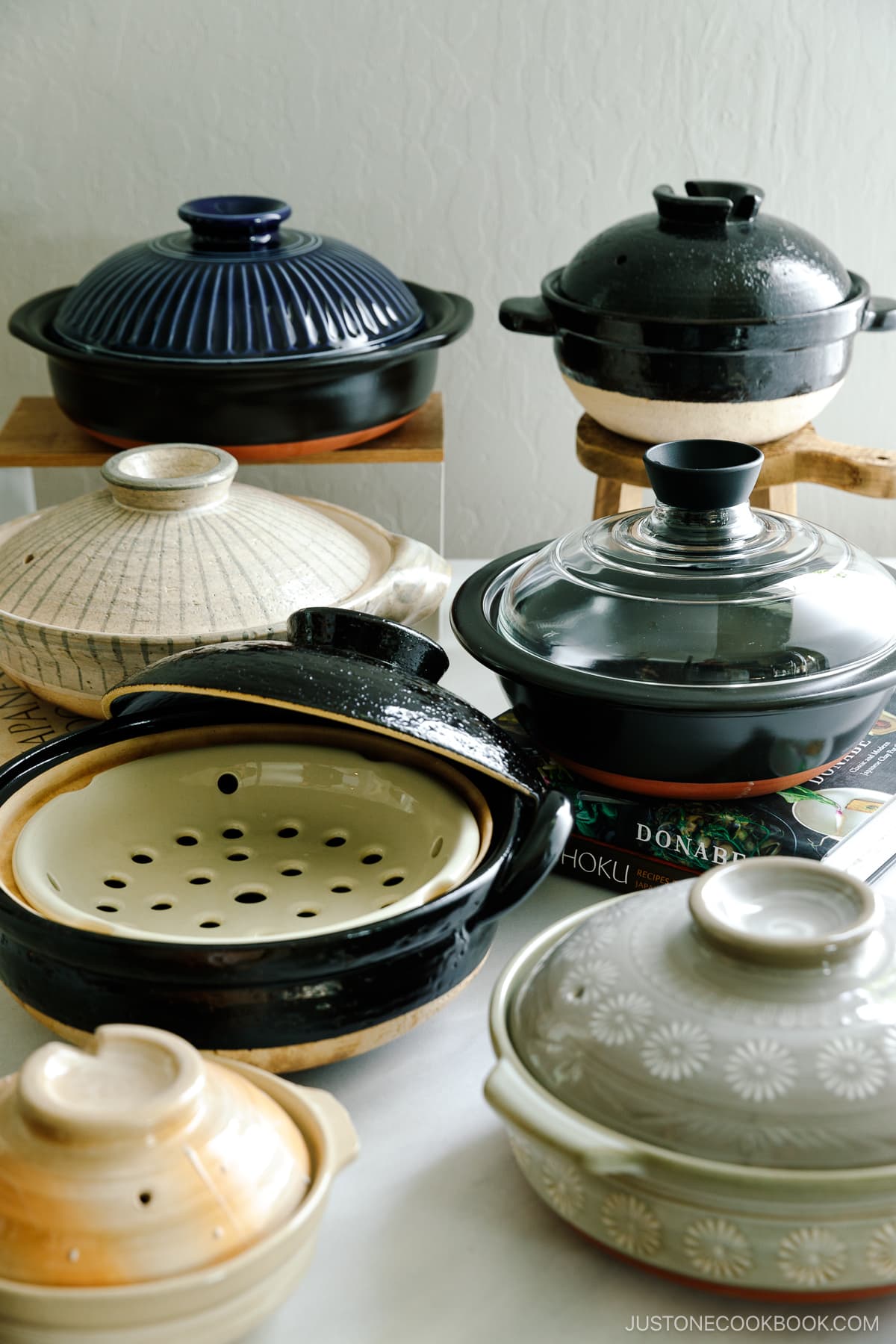
Types Of Clay Cookware
Unglazed clay pots absorb heat slowly and hold it evenly. They are perfect for slow cooking and stews. Glazed pots have a smooth surface, making them easy to clean. They are good for dishes that need less moisture. Some pots are porous, allowing flavors to develop more deeply. Others are denser and work well for boiling or frying. Select a pot based on the dishes you want to cook.
Checking For Quality
Inspect the pot for cracks or chips before buying. A good clay pot should feel heavy for its size. The surface should be smooth without rough patches. Tap the pot lightly; it should make a clear sound. Avoid pots with uneven thickness or weak spots. These can break during cooking or seasoning. Choose pots made from natural clay without harmful chemicals. This keeps your food safe and healthy.
Preparing Your Clay Pot
Preparing your clay pot is the first step to a long-lasting cooking tool. Clay pots need special care before use. This helps avoid cracks and improves flavor in your dishes.
Following simple steps makes seasoning easier. It also keeps your pot safe during cooking. Start with a clean pot and proper soaking to get the best results.
Cleaning Before Use
Remove any dust or dirt from the pot. Use warm water and a soft brush. Avoid soap or harsh detergents as they may absorb into the clay.
Rinse thoroughly to wash away loose particles. Let the pot air dry completely. This prevents moisture from getting trapped inside.
Soaking Techniques
Soaking helps the clay absorb water evenly. Fill the pot with clean water and leave it for 8 to 12 hours. This strengthens the clay and reduces cracking during cooking.
After soaking, drain the water carefully. Dry the pot with a clean cloth before seasoning. Proper soaking improves heat distribution while cooking.

Credit: www.youtube.com
Seasoning Methods
Seasoning clay cookware protects it from damage and improves cooking. It creates a natural non-stick surface. Several simple methods help you season your clay pot effectively. These methods use oil, heat, or food ingredients. Each method strengthens the pot and extends its life.
Oiling And Heating
Start with clean, dry clay cookware. Rub a thin layer of vegetable oil inside and outside. Use oils like olive, sunflower, or flaxseed. Place the pot in a cold oven. Heat the oven to 350°F (175°C). Let the pot bake for about one hour. Turn off the oven and let the pot cool inside. This process seals tiny pores and prevents cracking.
Using Rice Or Flour
Fill the pot halfway with dry rice or flour. Add water to cover them. Heat the pot slowly on low heat. Let it simmer for 30 to 60 minutes. Stir occasionally to avoid sticking. Rice or flour absorbs moisture inside the pot. This strengthens the clay and builds a protective layer.
Multiple Seasoning Cycles
Repeat the seasoning process several times. Each cycle improves the pot’s durability. It also enhances the non-stick surface. Dry and oil the pot before each cycle. Bake or heat the pot for one hour each time. Three to four cycles are usually enough. This helps your clay cookware last longer and cook better.
Common Mistakes To Avoid
Seasoning clay cookware needs care and attention. Many people make simple errors that harm their pots. Avoiding these mistakes helps your cookware last longer and work better. Here are the common mistakes to avoid while seasoning clay cookware.
Overheating
Clay cookware heats slowly but holds heat well. High heat can cause cracks and damage. Do not heat empty clay pots on high flames. Always start with low heat and increase gently. Overheating ruins the seasoning and the pot’s structure.
Skipping Soaking
Soaking clay cookware before seasoning is important. It prevents sudden heat shock that can crack the pot. Skip this step and your cookware might break. Soak the pot in water for 20 to 30 minutes. This keeps the clay moist and ready for seasoning.
Using Harsh Detergents
Harsh detergents remove the natural oils needed for seasoning. They also weaken the clay surface. Use mild soap or just warm water to clean your clay pot. Avoid strong chemicals to keep the seasoning intact. Gentle cleaning helps maintain the pot’s quality.
Maintaining Seasoned Clay Cookware
Maintaining seasoned clay cookware is key to its long life and great cooking results. Proper care keeps the natural non-stick surface and prevents cracks. Simple steps help protect your cookware and keep it ready for your next meal.
Proper Cleaning Tips
Clean clay cookware with warm water and a soft sponge. Avoid soap or harsh detergents that can damage the seasoning. Do not use steel wool or abrasive pads. Let the cookware dry completely before storing. Wipe off any food residue gently to keep the seasoning intact.
Storage Recommendations
Store clay cookware in a dry, cool place. Avoid stacking heavy items on top to prevent cracks. Leave the lid slightly open to allow air circulation. This stops moisture buildup and mold growth. Use a soft cloth between stacked pieces for extra protection.
Re-seasoning When Needed
Re-season clay cookware if food starts to stick or the surface looks dry. Clean it well and apply a thin layer of oil inside and outside. Heat the cookware slowly to let the oil soak in. Repeat this process every few months or after deep cleaning to keep the non-stick layer strong.

Credit: www.amazon.com
Frequently Asked Questions
How Do You Properly Season Clay Cookware?
To season clay cookware, soak it in water for several hours first. Then, rub it with oil and bake at low heat for about an hour. This process strengthens the pot and prevents cracking during cooking.
Why Is Seasoning Clay Cookware Necessary?
Seasoning creates a natural non-stick surface and enhances durability. It also prevents the clay from absorbing flavors and moisture. This step ensures better cooking results and extends the lifespan of your cookware.
Can I Use Any Oil To Season Clay Cookware?
Yes, but it’s best to use vegetable oils with high smoke points like canola, sunflower, or olive oil. These oils penetrate the clay well and withstand the seasoning process without burning or producing unpleasant odors.
How Often Should I Season My Clay Cookware?
Season your clay cookware before the first use and after every few uses. Frequent seasoning maintains the non-stick surface and prevents cracks. It keeps the pot in optimal condition for consistent cooking performance.
Conclusion
Seasoning clay cookware keeps it strong and stops food from sticking. Clean it gently and dry it fully before use. Use oil and heat carefully to build a good layer. This helps your pot last longer and cook better. Small steps make a big difference in your kitchen.
Enjoy cooking with your well-seasoned clay pot every day. Simple care brings tasty meals and happy cooking moments.

Hello, This is Annie Walker, a 38-year-old blogger, founder, and editor of Cookware Guider from NY, USA. I am a cookware fanatic and passionate cooker. I love to cook with different types of cooking appliances (example: all types of cookware, rice cookers, slow cookers, etc) almost every day in my kitchen. I love to share my experience with my readers in my blog. Also, I enjoy helping people to solve their problems through my website. You can follow me on Twitter & Pinterest. To know details about my blog please check the about us page.