
A sharp knife is a cook’s best friend. It makes meal prep faster, safer, and much more enjoyable. But keeping knives sharp can be confusing, especially if your knife block includes a built-in sharpener. Many people wonder how to use this tool correctly.
If you’ve ever struggled with dull blades, slipped while slicing, or felt unsure about knife care, this guide will help. Here you’ll learn practical steps to use a knife sharpener on a knife block, how to get the best results, and what mistakes to avoid.
By the end, you’ll be able to keep your knives sharp and safe for years.
Understanding Knife Blocks With Built-in Sharpeners
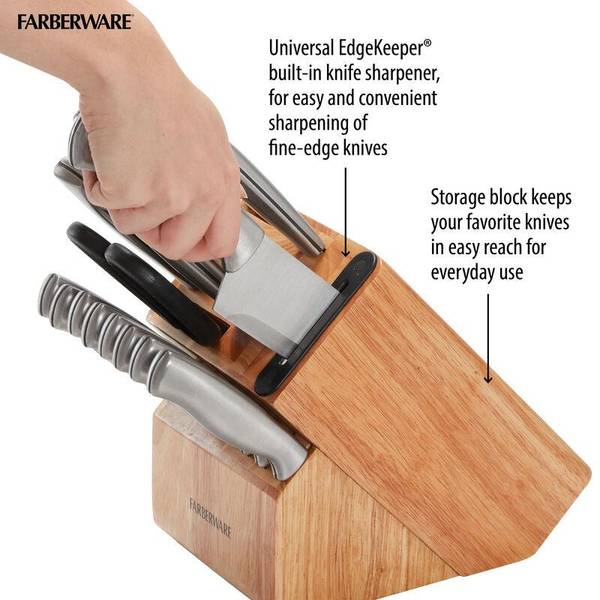
Knife blocks are more than just storage. Some models now include a built-in sharpener. Usually, these sharpeners are ceramic or carbide rods placed inside a slot. When you slide a knife through, the rods sharpen the blade. It’s a convenient feature, but many owners don’t use it right—or at all.
Types Of Built-in Sharpeners
There are two main types of built-in sharpeners:
- Ceramic sharpeners: These gently hone the blade, keeping it straight and sharp. They remove very little metal and are good for regular maintenance.
- Carbide sharpeners: These are more aggressive. Carbide rods remove more metal and can restore a dull edge. However, they can wear down your knife faster if used too often.
Some knife blocks use only one type, while others combine both. It’s important to know which you have. Ceramic is best for frequent, light sharpening; carbide is for dull knives that need a stronger touch.
How Built-in Sharpeners Compare To Other Sharpeners
Let’s compare the common sharpener types:
| Sharpener Type | Main Use | Maintenance Level | Skill Needed |
|---|---|---|---|
| Built-In Block Sharpener | Quick sharpening | Low | Easy |
| Manual Sharpening Stone | Professional sharpening | High | Medium to High |
| Pull-Through Sharpener | Home sharpening | Medium | Easy |
| Electric Sharpener | Fast sharpening | Medium | Easy |
Built-in sharpeners are simple and safe for daily use, but they don’t give as fine an edge as a sharpening stone. Still, for busy kitchens, they’re a great option.
Preparing To Use Your Knife Block Sharpener
Before sharpening, preparation is key. You’ll get better results and protect your knives.
Check Your Knife Type
Not all knives are suitable for built-in sharpeners. Most are designed for straight-edged knives. Avoid using serrated knives, specialty blades, or those with very thick or thin edges. If your block has dedicated slots for certain knives, follow those guidelines.
Clean Your Knife
Always start with a clean, dry knife. Dirt or moisture can damage the sharpener’s rods and affect sharpening. Wipe the blade with a damp cloth and dry thoroughly.
Inspect The Sharpener Slot
Look inside the slot for debris or build-up. Over time, metal shavings may collect inside. If you see any, use a small brush or compressed air to clean it out. This keeps the sharpener working well.
Safety First
Place the knife block on a stable surface. If the block slides, use a rubber mat or towel underneath. Make sure your hands are dry to avoid slipping.
Credit: www.farmandfleet.com
Step-by-step Guide: Sharpening Your Knife Using The Block
Sharpening with a built-in sharpener is simple, but technique matters. Follow these steps for best results.
1. Insert The Knife Correctly
Hold the knife by the handle. Place the blade in the sharpening slot, with the heel (the part closest to the handle) touching the rods. Make sure the blade sits flush against the sharpener.
2. Pull Through Smoothly
Draw the blade through the slot in a slow, steady motion. Keep the angle consistent. Don’t force or rush. Most blocks are designed for a 15–20 degree angle, which matches most kitchen knives.
3. Repeat As Needed
Usually, 3–6 passes are enough. If the knife is very dull, you might need more. Don’t over-sharpen, as this can wear down the blade.
4. Test The Sharpness
After sharpening, test the blade. Try slicing a piece of paper or a tomato. If the knife cuts cleanly, you’re done. If not, repeat the process.
5. Clean The Knife Again
Wipe the blade to remove any metal dust or debris. This keeps your food safe and protects the knife.
6. Store Safely
Return the knife to its slot. Avoid banging the blade against the block, which can dull the edge again.
How Often Should You Sharpen With A Knife Block Sharpener?
Frequency depends on how much you cook and the knives you use.
- Daily cooks: Sharpen once a week.
- Occasional cooks: Sharpen every 2–4 weeks.
- Heavy use (like restaurant kitchens): Sharpen every few days.
Remember, built-in sharpeners are for maintenance—not restoring damaged blades. If your knife is chipped or very dull, use a professional sharpener or stone.
Comparing Sharpening Frequencies
Here’s a quick reference:
| Cooking Frequency | Recommended Sharpening | Notes |
|---|---|---|
| Daily | Weekly | Regular maintenance |
| 2–3 times/week | Biweekly | Check for dullness before sharpening |
| Rarely | Monthly | Only sharpen if needed |

Credit: www.amazon.com
Common Mistakes And How To Avoid Them
Many beginners make mistakes with built-in sharpeners. Avoid these to protect your knives.
Using The Wrong Slot
Some blocks have slots for different knife types. Using the wrong slot can damage the blade or sharpen unevenly. Always check the label or diagram.
Sharpening Serrated Knives
Built-in sharpeners are not meant for serrated knives. Serrated blades need special tools. Sharpening them in a block slot can ruin the edge.
Using Dirty Or Wet Knives
Sharpening a dirty or wet knife spreads debris and can clog the rods. Always clean and dry before sharpening.
Applying Too Much Force
Don’t press hard. Gentle, steady pressure is best. Too much force scratches the blade and wears down the sharpener.
Over-sharpening
Frequent, unnecessary sharpening removes metal and shortens the knife’s life. Use the sharpener only when needed.
Not Cleaning The Sharpener
Metal dust builds up inside the slot. Clean it regularly to keep the sharpener effective.
Practical Tips For Better Sharpening Results
A few smart habits make a big difference.
Use The Right Angle
Most kitchen knives have a 15–20 degree edge. Built-in sharpeners are set for this angle, so don’t tilt the knife. Keep it upright and steady.
Listen To The Sound
A smooth, scraping sound means you’re sharpening correctly. Harsh grinding noises signal too much force or a misaligned blade.
Alternate Sides
If your block has separate slots for left and right-handed sharpening, alternate sides for even wear.
Sharpen Before Cooking
Sharp knives improve safety. Make sharpening part of your prep routine, not after cooking when you’re tired.
Maintain The Sharpener
Check the rods for wear. If they seem loose or worn, contact the manufacturer for replacement. A dull sharpener can damage your knives.
Invest In Quality Knives
Better knives hold their edge longer and respond well to block sharpeners. Cheap knives dull quickly and need more frequent sharpening.
Advanced Knife Care Beyond Built-in Sharpeners
While block sharpeners are convenient, they’re not the only tool for knife care. For long-term maintenance, consider these options.
Honing Rods
A honing rod straightens the blade’s edge without removing metal. Use it between sharpenings to keep your knife in top shape.
Sharpening Stones
Whetstones offer professional sharpening. They take more skill but deliver a finer edge. Use them every few months for deep sharpening.
Professional Sharpening
For expensive or specialty knives, a professional service can restore the edge perfectly. Many local stores offer this for a fee.
Comparing Sharpening Tools
Here’s a quick look at how block sharpeners compare to other tools:
| Tool | Ease of Use | Edge Quality | Best For |
|---|---|---|---|
| Block Sharpener | Very Easy | Good | Routine maintenance |
| Honing Rod | Easy | Excellent | Edge straightening |
| Whetstone | Medium | Best | Professional edge |
| Electric Sharpener | Easy | Good | Quick results |
Real-life Examples: Knife Block Sharpeners In Action
Home cooks and chefs use block sharpeners daily. Here are a few stories:
- Maria, a busy mom, uses her block’s sharpener every Sunday. She finds meal prep quicker and safer, especially when slicing vegetables.
- Jake, a hobby chef, noticed his knives dulled after a few weeks. Using the block sharpener, he restored their edge and avoided buying new knives.
- Restaurant kitchens use built-in sharpeners for quick touch-ups. Staff sharpen knives before each shift, preventing accidents and wasted food.
In each case, the block sharpener saves time and helps keep knives in top condition. But users also mix in honing rods and stones for deeper care.
Data: Knife Sharpness And Safety
Sharp knives are safer. Studies show:
- Dull knives cause more accidents. The blade slips, leading to cuts.
- Sharp knives reduce prep time by up to 30%.
- In surveys, 70% of home cooks said they prefer a built-in sharpener for convenience.
(source: National Kitchen Safety Survey, 2026)
Non-obvious Insights For Beginners
Many first-time users miss these points:
- Built-in sharpeners are for maintenance, not repair. If your knife is chipped or badly dulled, don’t rely on the block sharpener alone.
- Angle consistency is critical. Even small tilts can make your knife unevenly sharp, which affects cutting and increases wear.
- Cleaning the sharpener is as important as sharpening the knife. Neglecting this leads to poor results and can even damage the blade over time.
Maximizing Your Knife’s Lifespan
Good sharpening habits extend the life of your knives.
- Avoid dishwasher cleaning. Dishwashers dull the edge and can damage handles.
- Use proper cutting surfaces. Wood or plastic boards are best. Glass and marble dull blades quickly.
- Store knives safely. Use the block slots, not loose in a drawer.
These steps, combined with regular sharpening, keep your knives sharp and safe.
Frequently Asked Questions
How Do I Know If My Knife Block Has A Built-in Sharpener?
Look for a slot labeled “sharpener” or check the manual. Built-in sharpeners often have a different look or texture compared to standard slots. If unsure, contact the manufacturer or check their website.
Can I Sharpen All My Knives In The Block Sharpener?
No, only straight-edged knives are safe for block sharpeners. Avoid sharpening serrated, specialty, or very thin knives in these slots. Use specialized tools for those blades.
Is It Possible To Damage My Knife With The Block Sharpener?
Yes, if you use too much force, over-sharpen, or use the wrong slot, you can wear down or chip the blade. Always follow the recommended technique and check your knife type.
How Long Does Sharpening Take With A Built-in Sharpener?
Usually, it takes less than 2 minutes. A few passes (3–6) are enough for maintenance sharpening. If the knife is very dull, it may take longer, but avoid excessive sharpening.
Where Can I Learn More About Knife Care And Sharpening?
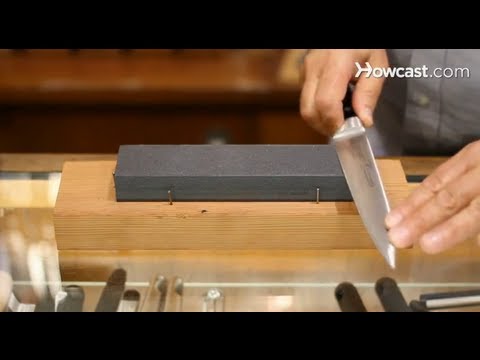
You can find more detailed guides and expert advice at WikiHow. They offer step-by-step tutorials and tips for all skill levels.
Credit: www.youtube.com
Final Thoughts
Using a knife sharpener on a knife block is simple, but doing it right makes all the difference. With the right preparation, technique, and care, you’ll keep your knives sharp and safe. Built-in sharpeners are great for routine maintenance, but remember their limits.
Combine them with honing rods and occasional professional sharpening for best results. Don’t forget to clean your sharpener and store knives properly. With these habits, meal prep becomes easier, safer, and more enjoyable. Even beginners can master knife care with a little practice and the right tools.

Hello, This is Annie Walker, a 38-year-old blogger, founder, and editor of Cookware Guider from NY, USA. I am a cookware fanatic and passionate cooker. I love to cook with different types of cooking appliances (example: all types of cookware, rice cookers, slow cookers, etc) almost every day in my kitchen. I love to share my experience with my readers in my blog. Also, I enjoy helping people to solve their problems through my website. You can follow me on Twitter & Pinterest. To know details about my blog please check the about us page.