
Using A Sharpal Knife Sharpener: Your Complete Guide
A sharp knife is more than just a kitchen tool—it’s the key to safe, easy cooking. If you’ve ever struggled with a dull blade, you know how frustrating and even dangerous it can be. The Sharpal knife sharpener offers a simple way to keep your knives in top shape, whether you’re a chef or a home cook. But many people are unsure how to use this tool correctly, or how to get the best results. In this guide, you’ll discover clear steps, helpful tips, common mistakes, and expert advice for sharpening knives with Sharpal. By the end, you’ll feel confident using your sharpener and enjoy better, safer cutting every day.
What Is A Sharpal Knife Sharpener?
The Sharpal knife sharpener is a popular brand known for its easy-to-use design and reliable results. Unlike some sharpeners that require skill or practice, Sharpal products are designed for anyone—even beginners. They usually feature multiple stages or slots, each with a different sharpening surface.
You’ll find models for manual sharpening (where you pull the knife through slots) and electric versions (with powered wheels). The most common Sharpal sharpeners are manual, compact, and suitable for most kitchen knives. Some models also work for scissors, pocket knives, and even serrated blades.
Key Features
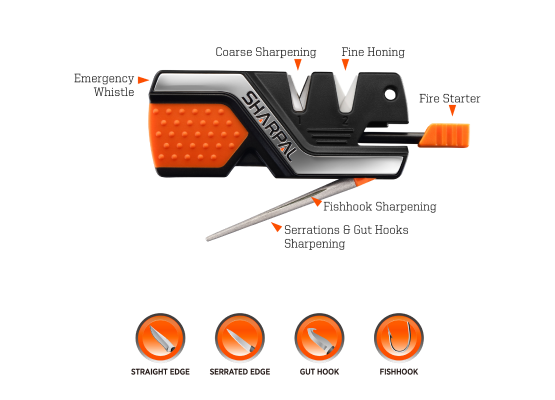
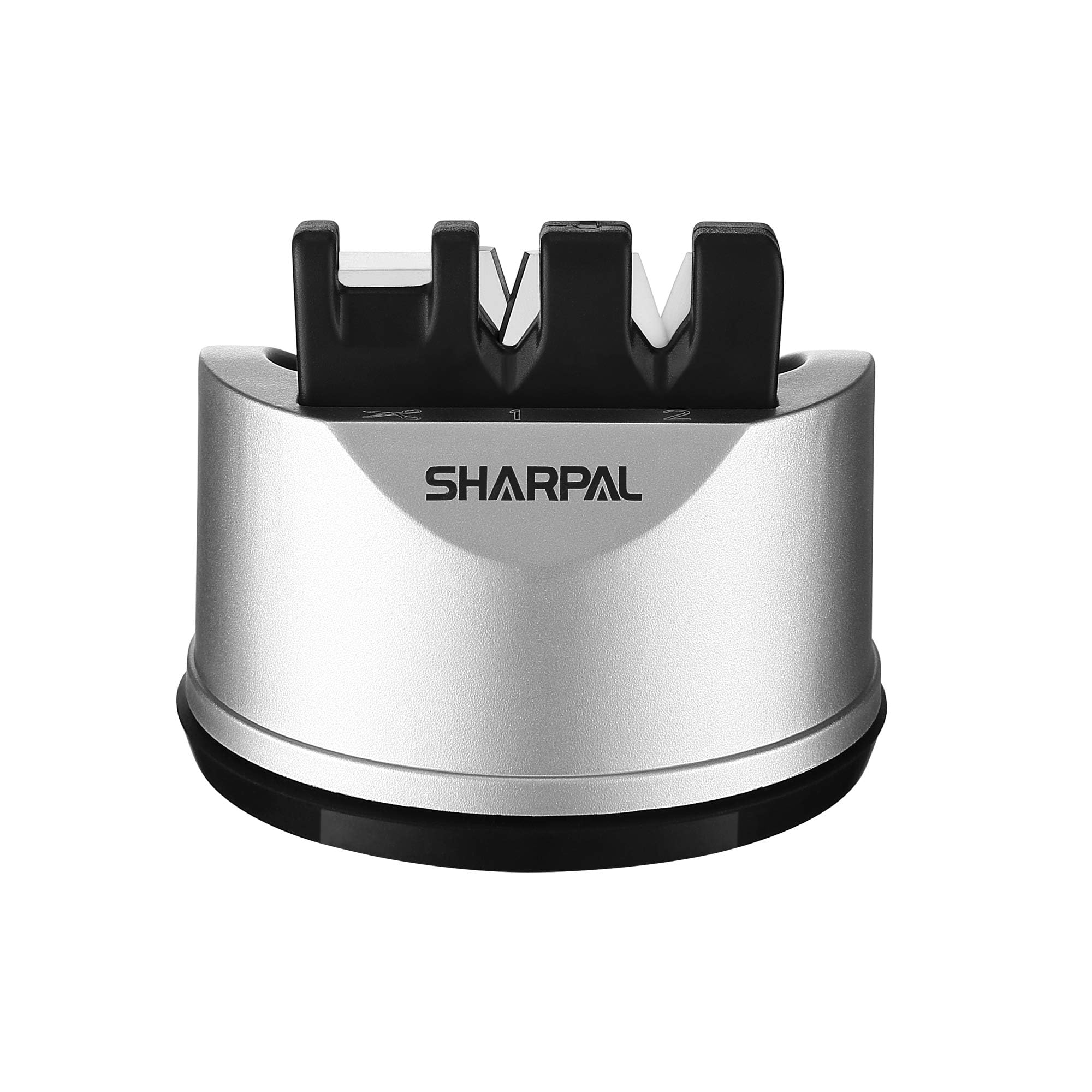
- Multi-stage sharpening: Most Sharpal sharpeners have at least two stages—one for coarse sharpening, one for fine honing.
- Carbide and ceramic slots: Carbide is for reshaping dull edges; ceramic is for polishing and finishing.
- Safety grips: Rubber feet or handles keep the sharpener steady and your hands safe.
- Portable design: Many models are small, lightweight, and can be stored easily.
Types Of Knives It Works With
Sharpal sharpeners are designed for:
- Chef’s knives
- Paring knives
- Bread knives
- Serrated knives (with special slots)
- Pocket knives
- Scissors (on some models)
Not all models sharpen every type, so check the packaging or instructions before use.
Why Keep Knives Sharp?
A sharp knife makes cutting faster, more accurate, and safer. Dull blades require more force, which can lead to slips and injuries. Sharp knives also preserve food texture, especially when slicing vegetables, meat, or bread.
Studies show that using sharp knives reduces kitchen accidents. According to the National Safety Council, most knife injuries happen with dull blades because they slip off food.
Benefits of sharp knives:
- Safer cutting
- Cleaner slices
- Less food damage
- Easier prep work
Regular sharpening extends the life of your knives and saves money over time.
Preparing To Use Your Sharpal Knife Sharpener
Before sharpening, it’s important to prepare your tools and workspace. This step is often overlooked but makes a big difference.
Gather What You Need
- Sharpal knife sharpener
- Knife(s) to be sharpened
- Clean, dry cloth
- Stable surface (like a countertop)
- Optional: Gloves for extra safety
Check Your Knife
Make sure your knife is clean and dry. Sharpening a dirty or greasy blade can reduce effectiveness and damage the sharpener.
Inspect The Sharpener
Look for any damage, cracks, or loose parts. If you see anything unusual, don’t use the sharpener. A damaged tool can be unsafe.
Secure Your Workspace
Place the sharpener on a flat, stable surface. If it’s a handheld model, hold it firmly with your non-dominant hand. If it’s a countertop model, check that the rubber feet or suction base is gripping well.
Step-by-step Guide: Sharpening With Sharpal
Every Sharpal model has slight differences, but the basic process is similar. Here’s how to sharpen a typical kitchen knife using a manual Sharpal sharpener.
1. Identify The Slots
Most models have two or three slots:
- Coarse slot (usually carbide): For dull or damaged knives.
- Fine slot (usually ceramic): For finishing and honing.
- Serrated slot: For bread knives or serrated blades (if available).
Check the labels on the sharpener. If unsure, consult the instruction manual.
2. Position Your Knife
Hold the handle of the knife firmly. Place the blade into the chosen slot, with the heel (closest to the handle) touching the sharpening surface.
3. Pull Through The Slot
Apply light, steady pressure. Pull the knife through the slot from heel to tip, keeping the blade straight. Do not twist or angle the knife.
- Coarse sharpening: 3–6 passes, depending on dullness.
- Fine honing: 3–6 passes after coarse sharpening.
If your knife is only slightly dull, you can skip the coarse stage and use only the fine slot.
4. Clean The Blade
After sharpening, wipe the blade with a clean, dry cloth. This removes any metal particles or residue.
5. Test The Sharpness
Carefully slice a sheet of paper or a tomato. If the knife cuts smoothly, you’re done. If not, repeat the process.
Sharpening Serrated Knives
Serrated blades need special care. Use the serrated slot (if your Sharpal model has one), and sharpen each section individually. Usually, only a few passes are needed.
Comparison: Sharpal Vs. Other Knife Sharpeners
Not all knife sharpeners are created equal. Here’s how Sharpal compares to other popular brands and types:
| Feature | Sharpal | Electric Sharpeners | Sharpening Stones |
|---|---|---|---|
| Ease of Use | Very easy | Easy | Requires skill |
| Speed | 1–2 minutes | 1–2 minutes | 5–10 minutes |
| Precision | Good | Very good | Excellent |
| Maintenance | Low | Medium | High |
| Price | Affordable | Expensive | Varies |
Sharpal stands out for its ease of use and affordable price. Electric sharpeners offer more automation, but are costlier and need more maintenance. Sharpening stones give maximum control, but take practice and time.
Tips For Best Results
Getting a sharp edge is about more than just pulling the knife through the slots. Here are some practical tips:
- Don’t use too much force. Too much pressure can damage the blade or the sharpener.
- Keep the blade straight. Tilting or twisting reduces sharpening quality.
- Clean after use. Wipe both the knife and sharpener to remove metal shavings.
- Sharpen regularly. Frequent touch-ups keep knives sharp and prevent major dullness.
- Don’t rush. Slow, steady passes are better than fast, rough ones.
- Use the right slot. Only use the coarse slot for very dull knives.
- Avoid sharpening dirty knives. Dirt and residue can scratch the sharpening surfaces.
- Check for chips. If your knife has chips or damage, sharpening may not fix it. You may need professional repair.
- Store safely. Keep your sharpener dry and away from children.
Common Mistakes Beginners Make
- Using only the coarse slot: This leaves knives rough and unfinished.
- Sharpening too often: Over-sharpening can wear out the blade.
- Ignoring the instructions: Each model has slight differences—always check the manual.
- Not cleaning the sharpener: Metal buildup can reduce effectiveness.
Credit: www.alazame.com
Understanding Sharpening Angles
One detail that’s easy to miss: the sharpening angle. Most Sharpal sharpeners are preset to a standard angle, usually 20 degrees. This suits most Western kitchen knives, but may not be ideal for Japanese or specialty blades.
If you have a Japanese knife (like a santoku or nakiri), the edge may be finer—usually sharpened at 15 degrees. Using a Sharpal sharpener is still safe, but the result won’t match the original factory edge.
Tip: If you want maximum precision, use a sharpening stone or look for a model with adjustable angles.
How Often Should You Sharpen Your Knives?
The frequency depends on how often you cook and the types of food you cut. Most home cooks should sharpen knives every 2–4 weeks. Heavy use (like chopping hard vegetables) dulls blades faster.
Signs your knife needs sharpening:
- Struggles to cut tomatoes or paper
- Tears food instead of slicing
- Feels rough or uneven when cutting
Honing (using the fine slot) can be done more often, even weekly. Sharpening (using the coarse slot) is for when the knife is very dull.
Caring For Your Sharpal Knife Sharpener
Proper care extends the life of your sharpener and keeps results consistent.
Cleaning Your Sharpener
Wipe down the slots with a damp cloth after each use. Avoid soaking in water or using harsh chemicals. If metal shavings build up, use a small brush to clear them.
Storing Safely
Keep your sharpener in a dry, cool place. Avoid storing near heat or moisture, which can damage the materials.
When To Replace
Most Sharpal sharpeners last for years, but the sharpening surfaces can wear out. If you notice reduced effectiveness or visible wear, consider replacing the tool.
Real-world Example: Sharpening A Chef’s Knife
Let’s walk through an example. Suppose you have a dull 8-inch chef’s knife:
- Place the Sharpal sharpener on your countertop.
- Clean and dry the knife.
- Insert the blade into the coarse slot. Pull through 4 times.
- Move to the fine slot. Pull through 4 times.
- Wipe the blade.
- Test by slicing a tomato—it should cut easily.
- Clean the sharpener.
This whole process takes about 2 minutes. Most users report improved cutting and less frustration after sharpening.
Table: Sharpal Models And Their Features
If you’re shopping for a Sharpal sharpener, here are some popular models and their features:
| Model | Stages | Works With | Special Features |
|---|---|---|---|
| Sharpal 102N | 2 (coarse, fine) | Kitchen knives, scissors | Ergonomic handle, compact |
| Sharpal 191H | 3 (coarse, fine, serrated) | All knife types | Serrated slot, suction base |
| Sharpal 166N | 2 (coarse, fine) | Outdoor knives, tools | Portable, weather-resistant |
| Sharpal 110 | 2 (coarse, fine) | Kitchen knives | Affordable, simple design |
Choose a model that suits your needs. If you often use serrated knives, pick one with a serrated slot. For outdoor use, look for weather-resistant options.
Table: Knife Sharpening Frequency By Usage
Different users need to sharpen knives at different intervals. Here’s a quick guide:
| User Type | Sharpening Frequency | Typical Knife Dullness |
|---|---|---|
| Home cook (light use) | Every 4–6 weeks | Minor dullness |
| Home cook (daily use) | Every 2–4 weeks | Moderate dullness |
| Professional chef | Weekly | Heavy dullness |
| Outdoor user | Before/after trips | Varies |
This table helps you plan your sharpening schedule for the best performance.

Credit: www.youtube.com
Advanced Tips And Insights
Some details are missed by beginners but make a big difference:
- Edge maintenance: After sharpening, use a honing steel weekly to keep the edge aligned.
- Sharpening frequency: Don’t wait until knives are completely dull. Regular touch-ups are easier and prevent blade damage.
- Sharpening non-kitchen tools: Sharpal sharpeners also work for scissors and some garden tools. Check your model for compatibility.
Comparing Sharpal To Professional Sharpening
You might wonder if using a Sharpal sharpener is as good as professional sharpening. The answer depends on your needs.
Sharpal sharpeners deliver good results for most kitchen tasks. However, professional sharpening offers more precision, especially for specialty knives. If you have expensive or Japanese knives, you may want to get them professionally sharpened once a year.
For everyday use, Sharpal provides a balance of convenience, speed, and safety.
Credit: www.amazon.com
Frequently Asked Questions
How Do I Know Which Slot To Use First?
Start with the coarse slot if your knife is very dull or has small nicks. For regular maintenance or slightly dull knives, use the fine slot first. If your sharpener has a serrated slot, use it only for bread or serrated knives.
Can Sharpal Sharpen Serrated Knives?
Yes, many Sharpal models include a serrated slot. Insert the serrated blade and pull gently. Only sharpen the side with beveled teeth. For very fine serrations, professional sharpening may be better.
How Long Does A Sharpal Sharpener Last?
With normal use and proper care, a Sharpal sharpener can last 2–5 years. The ceramic and carbide surfaces wear down over time, especially with heavy use. If sharpening takes longer or the results are poor, it may be time to replace the tool.
Is It Safe For Children To Use?
Knife sharpening should be supervised. Sharpal sharpeners are safer than stones or electric machines, but they still involve sharp blades. Keep the sharpener out of reach of young children.
Where Can I Find More Information?
For detailed manuals and videos, visit the official Sharpal website or check out guides from trusted sources like Consumer Reports. You’ll find product reviews and safety tips.
Using a Sharpal knife sharpener is easy, quick, and safe when you follow these steps and tips. With regular care and proper technique, your knives will stay sharp for years, making cooking smoother and safer. Remember, a sharp knife is always better than a dull one—so sharpen smart and enjoy every cut.

Hello, This is Annie Walker, a 38-year-old blogger, founder, and editor of Cookware Guider from NY, USA. I am a cookware fanatic and passionate cooker. I love to cook with different types of cooking appliances (example: all types of cookware, rice cookers, slow cookers, etc) almost every day in my kitchen. I love to share my experience with my readers in my blog. Also, I enjoy helping people to solve their problems through my website. You can follow me on Twitter & Pinterest. To know details about my blog please check the about us page.