
Have you ever wondered if cooked rice is considered a TCS food? If you’re someone who cares about food safety and wants to keep your meals healthy, this question matters more than you might think.
Understanding what makes cooked rice a potential risk can help you avoid foodborne illnesses and keep your family safe. You’ll discover why cooked rice falls under the TCS food category and what simple steps you can take to handle it properly.
Keep reading to learn how to protect yourself every time you enjoy this staple dish.
Credit: www.webstaurantstore.com
What Makes Food Tcs
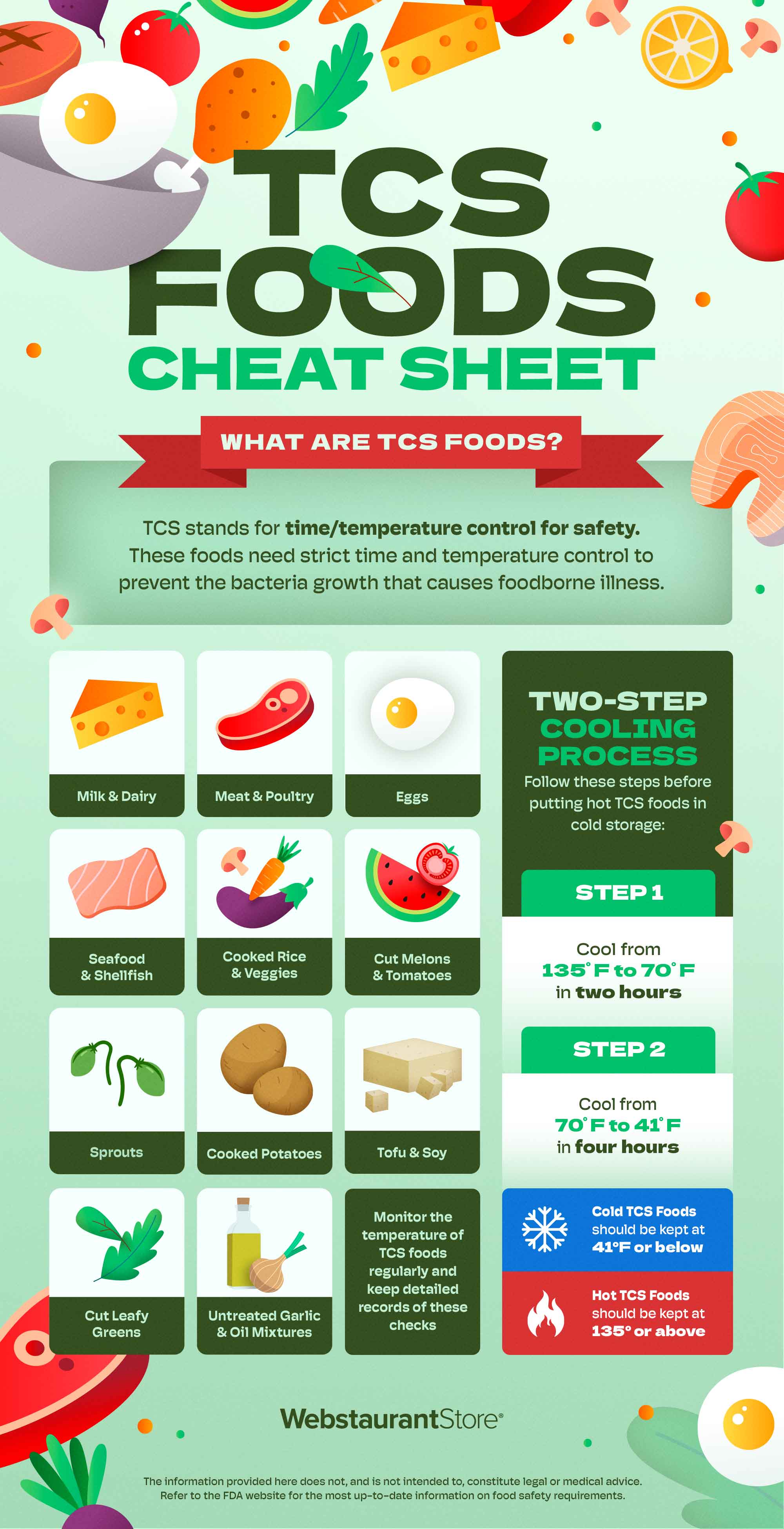
Understanding what makes food a TCS (Time/Temperature Control for Safety) item is key. It helps keep food safe and prevent illness. Some foods need careful handling to stop bacteria growth. Knowing the rules keeps kitchens safe and food healthy.
Definition Of Tcs Foods
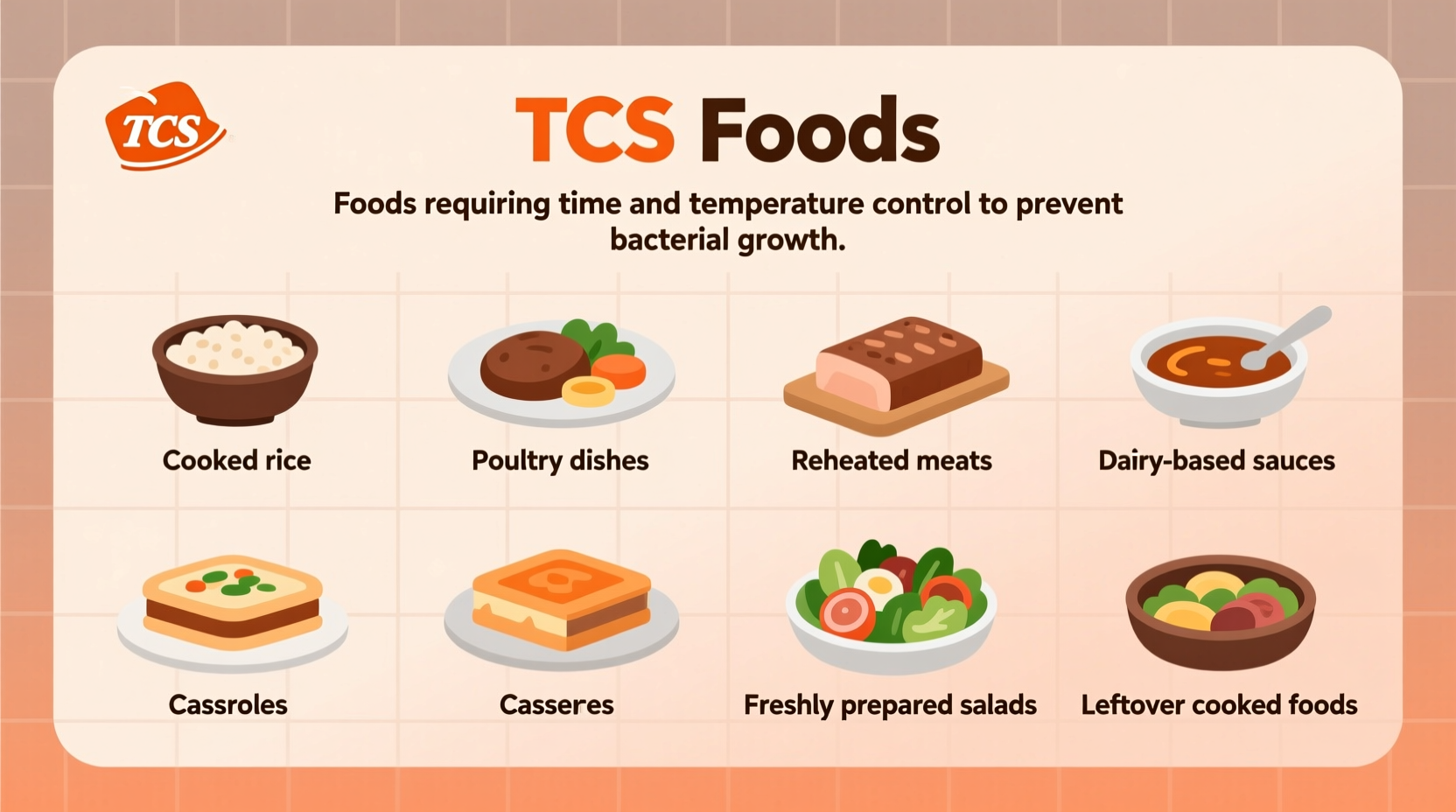
TCS foods are foods that can grow harmful bacteria fast. These foods need proper time and temperature control. Without control, bacteria multiply and cause food poisoning. Examples include dairy, meat, and cooked rice. These foods are risky if left out too long.
Criteria For Tcs Classification
Food becomes TCS if it meets certain conditions. First, it must support bacteria growth easily. Next, it should have moisture and nutrients for bacteria. Finally, the food must be kept at the wrong temperature for too long. This combination makes food unsafe without control.
Credit: spice.alibaba.com
Rice And Tcs Status
Rice is a staple food worldwide. Understanding its status as a TCS food is important for food safety. TCS stands for Time/Temperature Control for Safety. Foods in this group can support bacteria growth if not handled properly.
Rice can be safe or risky depending on its state. Raw rice and cooked rice have different risks. Knowing these differences helps prevent foodborne illness.
Raw Rice Characteristics
Raw rice is dry and hard. It does not contain much moisture. This low moisture level stops bacteria from growing quickly. Raw rice is stable at room temperature. It is not considered a TCS food in its raw form.
Storing raw rice in a cool, dry place keeps it fresh. There is little chance for bacteria to develop. This makes raw rice safe for longer periods without refrigeration.
Cooked Rice As A Tcs Food
Cooked rice has high moisture and warmth. These conditions help bacteria grow fast. Cooked rice must be handled carefully to stay safe. It is classified as a TCS food.
After cooking, rice should cool quickly. Keep it below 41°F or above 135°F to prevent bacteria. Leaving cooked rice at room temperature can cause food poisoning.
Storing cooked rice in the fridge within two hours is best. Reheat it properly before eating. These steps reduce the risk of harmful bacteria.
Safety Risks Of Cooked Rice
Cooked rice can be unsafe if not handled properly. It can cause food poisoning. This happens because rice can hold bacteria that grow quickly.
Storing rice at room temperature for too long allows bacteria to multiply. Eating this rice can lead to stomach problems. Knowing the risks helps keep you safe.
Bacterial Growth Concerns
Cooked rice has moisture and warmth, perfect for bacteria. If left out too long, bacteria multiply fast. Cooling rice slowly or leaving it warm is risky.
Bacteria can survive cooking and start growing again. This makes rice a risky food for contamination. Proper storage is essential to stop bacterial growth.
Common Pathogens In Cooked Rice
One common bacteria is Bacillus cereus. It can cause vomiting and diarrhea. This bacteria forms spores that survive cooking.
Other germs like Staphylococcus aureus may also be present. These can produce toxins harmful to humans. Safe handling and quick cooling reduce these risks.

Credit: foodsafepal.com
Proper Handling Of Cooked Rice
Cooked rice can be a tricky food to handle safely. It can grow bacteria quickly if not stored or cooled the right way. Proper handling stops food poisoning and keeps rice fresh longer. Understanding how to cool, store, and reheat rice is very important.
Cooling And Storage Techniques
Cool cooked rice fast to stop bacteria growth. Spread rice out on a clean tray or shallow container. Leave it to cool at room temperature for no more than one hour. After cooling, put rice in the fridge quickly. Store rice in an airtight container to keep moisture out. Use the rice within one to two days for best safety.
Reheating Guidelines
Reheat rice until it is steaming hot all through. Use a microwave or stovetop for reheating. Stir the rice while heating to avoid cold spots. Never reheat rice more than once. Throw away leftover rice if you do not eat it after reheating.
Preventing Foodborne Illness
Preventing foodborne illness is key when handling cooked rice. Rice can carry bacteria that cause sickness if not stored or served properly. Taking simple steps helps keep your food safe and healthy.
Sanitation Practices
Always wash your hands before touching cooked rice. Use clean utensils and containers to avoid contamination. Keep your kitchen surfaces clean and dry. Store cooked rice in a clean, sealed container. Cool rice quickly before storing it in the fridge. Avoid leaving rice at room temperature for long periods.
Safe Serving Tips
Serve cooked rice while it is hot. Keep rice above 140°F (60°C) to stop bacteria growth. Do not leave rice out for more than two hours. Reheat rice thoroughly before eating. Use a microwave or stove to heat rice evenly. Discard rice that smells or looks unusual. Serve only the amount you can eat at one meal.
Myths About Cooked Rice Safety
Many people worry about eating cooked rice safely. Some think cooked rice is risky. Others believe it can cause food poisoning. These ideas cause confusion in kitchens everywhere. Understanding the truth helps keep meals safe and tasty.
Debunking Common Misconceptions
One myth says cooked rice is always unsafe after a few hours. This is not true. Rice can stay safe if stored properly. Some believe reheating rice kills all bacteria. This is false; some bacteria survive heating. Another myth claims rice causes more illness than other foods. This is an exaggeration. Proper handling reduces any risk.
Evidence-based Facts
Cooked rice can grow bacteria if left out too long. Bacillus cereus is a common bacteria found in rice. It grows when rice cools slowly at room temperature. Storing rice in the fridge stops bacteria growth. Reheating rice until hot kills most bacteria. Eating rice within one day of cooking is safest. Following these steps keeps rice safe to eat.
Frequently Asked Questions
Is Cooked Rice Classified As A Tcs Food?
Yes, cooked rice is considered a TCS (Time/Temperature Control for Safety) food. It requires proper temperature control to prevent bacterial growth.
Why Is Cooked Rice A Tcs Food?
Cooked rice can harbor bacteria like Bacillus cereus if not stored correctly. It needs timely cooling and reheating.
How To Safely Store Cooked Rice As A Tcs Food?
Cool cooked rice quickly and store it below 41°F (5°C). Consume within 4 days to prevent spoilage.
Can Cooked Rice Cause Foodborne Illness?
Yes, improperly stored cooked rice can cause food poisoning due to bacterial toxins. Proper handling is essential for safety.
Conclusion
Cooked rice can be a TCS food if not handled well. Bacteria grow fast in warm, moist rice. Cooling rice quickly and storing it properly stops this. Eating leftover rice that is not stored right can cause illness. Always keep cooked rice hot or cold to be safe.
Simple steps prevent food poisoning and keep you healthy. Cooked rice needs care just like other TCS foods. Stay cautious and enjoy your meals safely.

Hello, This is Annie Walker, a 38-year-old blogger, founder, and editor of Cookware Guider from NY, USA. I am a cookware fanatic and passionate cooker. I love to cook with different types of cooking appliances (example: all types of cookware, rice cookers, slow cookers, etc) almost every day in my kitchen. I love to share my experience with my readers in my blog. Also, I enjoy helping people to solve their problems through my website. You can follow me on Twitter & Pinterest. To know details about my blog please check the about us page.