
If you raise chickens, you might wonder what foods are safe and healthy for them. One common question is, “Is cooked rice good for chickens?”
You probably want to give your birds a tasty treat that also helps them grow strong and stay healthy. Understanding whether cooked rice fits into your chickens’ diet can make a big difference in their well-being. Keep reading to discover the surprising benefits and important tips about feeding cooked rice to your chickens.
This simple food might be better for your flock than you think!
Benefits Of Cooked Rice
Cooked rice is a simple and affordable food option for chickens. It provides several benefits that support their health and growth. Chickens enjoy the soft texture and mild taste of cooked rice. This makes it an excellent addition to their diet.
Feeding chickens cooked rice can help meet their daily nutritional needs. It also supports their energy levels and digestion. Understanding these benefits helps you care better for your flock.
Nutritional Value For Chickens
Cooked rice contains important nutrients for chickens. It has carbohydrates, which are a key energy source. It also includes small amounts of protein and vitamins. These nutrients help chickens stay healthy and active. Rice is easy to digest, so chickens can absorb nutrients well.
Energy Boost And Digestibility
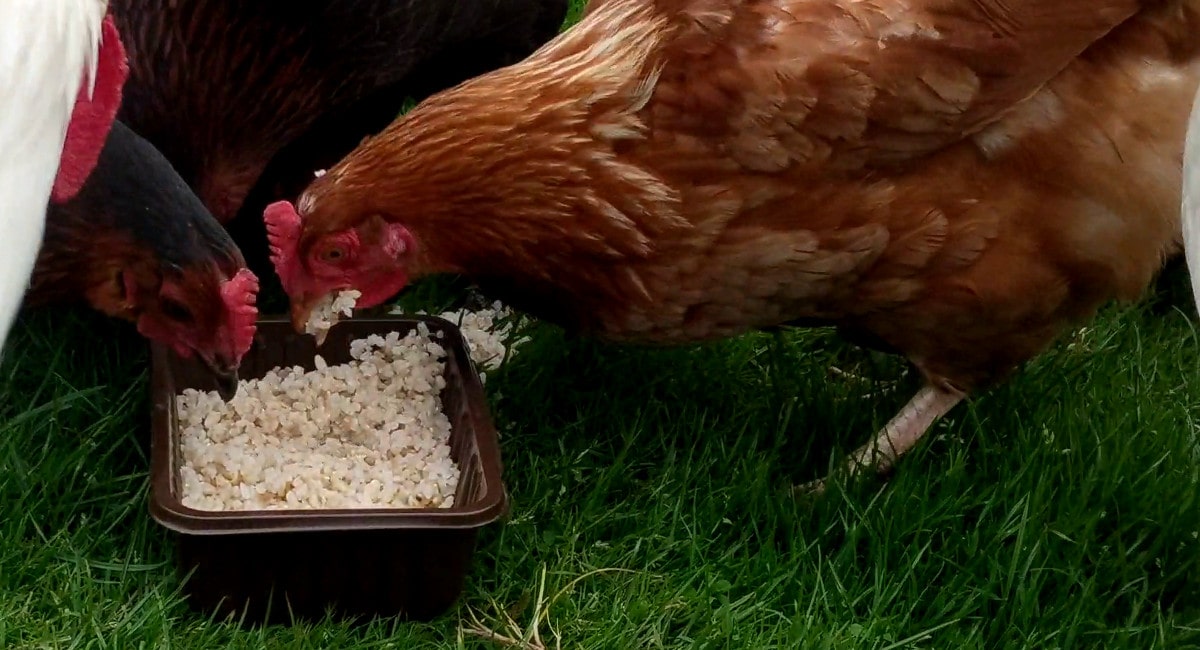
Rice gives chickens a quick energy boost. The carbohydrates break down fast in their bodies. This energy supports daily activities like walking and scratching. Cooked rice is soft, which aids digestion. It reduces the risk of digestive problems in chickens. Feeding cooked rice helps maintain strong and lively birds.
Credit: cluckin.net
Risks Of Feeding Cooked Rice
Feeding cooked rice to chickens can seem like a good idea. It is soft, easy to eat, and full of energy. But there are risks to consider before adding it to their diet. Cooked rice can cause problems if not handled properly. Understanding these risks helps keep your chickens healthy and safe.
Potential For Mold And Spoilage
Cooked rice spoils quickly. It holds moisture, which helps mold grow fast. Moldy rice can make chickens very sick. Bacteria also multiply on rice left out too long. Always serve fresh rice and avoid leftovers. Store cooked rice in a cool place if you plan to use it later.
Digestive Issues From Overfeeding
Rice is high in carbohydrates. Too much cooked rice can upset chickens’ stomachs. Overfeeding may cause diarrhea or other digestive problems. Chickens need a balanced diet with grains, proteins, and greens. Feed rice in small amounts to avoid health issues. Variety in food supports good digestion and overall health.
How To Prepare Cooked Rice For Chickens
Preparing cooked rice for chickens requires care to keep it safe and healthy. Proper cooking and avoiding harmful ingredients matter most. These steps help your chickens enjoy a tasty meal without any risk.
Proper Cooking Methods
Cook rice fully until soft but not mushy. Use plain water without salt or spices. Let the rice cool down to room temperature before feeding. Hot rice can hurt your chickens’ mouths. Serve small portions to avoid waste and spoilage.
Avoiding Harmful Additives
Do not add salt, oil, or seasoning to the rice. These ingredients can upset chicken digestion. Avoid butter, garlic, and onion too. Plain cooked rice is best for chicken health. Always check that rice is fresh and not moldy before feeding.
Feeding Frequency And Portion Size
Feeding chickens cooked rice requires careful attention to how often and how much you give them. Proper feeding frequency and portion size help keep chickens healthy and happy. Too much rice can cause problems, while too little won’t provide benefits. Let’s explore how to balance rice with their regular diet and how to spot signs of overfeeding.
Balancing Rice With Regular Feed
Cooked rice should be a treat, not the main meal. Offer rice once or twice a week. Mix small amounts with their regular feed. This keeps their diet balanced and full of nutrients. Chickens need grains, proteins, and vitamins from their main feed. Rice adds variety but cannot replace essential food. Always provide fresh water alongside their meals.
Signs Of Overfeeding
Watch chickens closely after feeding rice. If they eat too much, they may become sluggish. Overfeeding can cause weight gain and digestive issues. Look for loose droppings or less activity. Chickens might avoid their regular feed if too full of rice. Stop giving rice if these signs appear. Keep portions small and meals regular to avoid problems.
Alternatives To Cooked Rice
Cooked rice can be a good treat for chickens, but it should not be their main food. Chickens need a balanced diet to stay healthy and strong. There are many alternatives to cooked rice that offer better nutrition. These foods provide energy, vitamins, and protein that chickens require daily.
Other Grains And Carbohydrates
Grains are a great energy source for chickens. Corn is a favorite and easy to digest. Wheat and barley also work well as part of their diet. Oats offer good fiber and nutrients. These grains give chickens the fuel they need for activity and growth. Feeding a mix of grains keeps their meals interesting.
Vegetables And Protein Sources
Vegetables add important vitamins and minerals. Leafy greens like spinach and kale are excellent choices. Carrots and peas provide extra nutrients and taste. Protein is crucial for muscle and feather health. Mealworms, cooked eggs, and sunflower seeds are good protein sources. These foods help chickens grow strong and stay healthy.

Credit: www.youtube.com
Common Myths About Rice And Chickens
Many chicken owners wonder if cooked rice is safe for their birds. Several myths exist about feeding rice to chickens. These misunderstandings cause confusion and worry. Clearing up these myths helps you feed chickens with confidence. Let’s explore some common false beliefs and reveal the truth.
Debunking Rice Toxicity Claims
Some say rice is toxic to chickens. This is not true. Cooked rice is safe and non-toxic for chickens. The idea may come from raw rice concerns. Raw rice is harder to digest but not poisonous. Cooking rice makes it soft and easy for chickens to eat. There is no toxin in cooked rice that harms chickens.
Clarifying Nutritional Misconceptions
People often think rice lacks nutrition for chickens. Cooked rice contains carbohydrates, which provide energy. It also has small amounts of protein and vitamins. Rice should not be the only food. It works well as part of a balanced diet. Feeding only rice can cause nutrient gaps. Mixing rice with grains, vegetables, and proteins keeps chickens healthy.

Credit: theheartyhenhouse.com
Frequently Asked Questions
Is Cooked Rice Safe For Chickens To Eat?
Yes, cooked rice is safe for chickens when given in moderation. It provides energy and is easy to digest. Avoid adding salt or spices, as they can harm chickens. Always ensure rice is plain and cooled before feeding.
How Often Can Chickens Eat Cooked Rice?
Chickens can eat cooked rice a few times a week. It should be part of a balanced diet, including grains, vegetables, and protein. Overfeeding rice may cause nutritional imbalance or digestive issues.
Can Cooked Rice Replace Chicken Feed Completely?
No, cooked rice cannot replace complete chicken feed. It lacks essential nutrients like protein and vitamins. Use rice as a supplement alongside commercial feed for healthy growth.
Does Cooked Rice Help Chickens During Molting?
Yes, cooked rice can help chickens during molting by providing extra energy. However, include protein-rich foods to support feather regrowth. Balanced nutrition is crucial for molting chickens’ health.
Conclusion
Cooked rice can be a safe treat for chickens in small amounts. It provides energy but lacks some important nutrients. Always avoid adding salt or spices to the rice. Balance their diet with grains, vegetables, and protein. Overfeeding rice can cause digestive problems or unbalanced nutrition.
Feeding plain, cooked rice occasionally keeps chickens happy and healthy. Simple and careful feeding helps your flock grow strong. Keep their meals varied and fresh for the best results.

Hello, This is Annie Walker, a 38-year-old blogger, founder, and editor of Cookware Guider from NY, USA. I am a cookware fanatic and passionate cooker. I love to cook with different types of cooking appliances (example: all types of cookware, rice cookers, slow cookers, etc) almost every day in my kitchen. I love to share my experience with my readers in my blog. Also, I enjoy helping people to solve their problems through my website. You can follow me on Twitter & Pinterest. To know details about my blog please check the about us page.