
Is Tumbler A Good Knife Sharpener
Every kitchen and workshop has one thing in common—a need for sharp knives. The right knife sharpener can make cooking, woodworking, or even simple tasks much easier and safer. Recently, people have started talking about a tool called the tumbler knife sharpener. But is tumbler a good knife sharpener, or is it just another trend? If you’ve heard about tumblers but aren’t sure if they’re right for you, this article will give you everything you need to know, from how they work to real pros and cons.
Many people choose their sharpeners based on price or popularity. However, the right choice depends on your needs, the types of knives you own, and how much effort you want to invest. Tumblers promise a “set and forget” way to get sharp blades, but do they really deliver quality?
Let’s explore what makes a tumbler sharpener unique, what results you can expect, and how it compares to other popular sharpening methods.
What Is A Tumbler Knife Sharpener?
A tumbler knife sharpener is a device that uses a rotating drum (the “tumbler”) filled with abrasive media, such as small ceramic or metal pieces. You place your knife in the tumbler, turn it on, and the machine rotates the drum. As the drum spins, the abrasive media gently grinds the blade’s edge, sharpening it over time.
Tumblers are more common in metalworking shops than in home kitchens. However, some brands now market small tumblers for personal or household use. The idea is similar to how a rock tumbler polishes stones—constant, gentle abrasion creates a smoother, sharper surface.
How Does It Work?
- Knife Insertion: You place the blade inside the tumbler drum.
- Abrasive Media: The drum contains hard media (ceramic, steel, or even crushed walnut shells).
- Rotation: You set the timer, and the drum spins, causing the media to rub against the blade.
- Result: After a set time (often 1-3 hours), you remove the blade and check the sharpness.
The process is mostly hands-off, which is why some people find it attractive. But is it really effective?
Pros Of Using A Tumbler Knife Sharpener
The tumbler method brings a few unique benefits, especially compared to manual sharpening stones or electric sharpeners.
1. Hands-free Operation
One of the main appeals is the set-and-forget process. Unlike manual sharpening, you don’t need to hold the blade at a perfect angle or make repetitive strokes. Just load the knife, add the abrasive media, and let the tumbler do the work.
2. Consistency Across Multiple Knives
If you have several knives, a tumbler can sharpen many at once (depending on drum size). This is helpful for professionals or hobbyists who need to process a batch of blades. The process is more consistent, since every knife gets the same treatment.
3. Polishing Along With Sharpening
Tumblers not only sharpen but also polish the blade’s surface. The continuous movement smooths out scratches and leaves a cleaner look. For display knives or collectors, this can be a bonus.
4. Good For Heavy Restoration
If you have rusty or very dull knives, tumblers can remove surface rust and corrosion, making them suitable for restoration projects. Manual stones struggle with heavy rust, but abrasive media in a tumbler can clean and restore the blade over time.
5. Safety
Since there’s little contact between your hands and the blade during the process, tumblers are considered safer than some manual methods, especially for beginners.
Cons Of Tumbler Knife Sharpeners
While tumblers have advantages, they also come with several drawbacks that you should consider before buying.
1. Slow Process
Sharpening with a tumbler is not quick. It often takes 1 to 3 hours per batch, depending on how dull the knives are. Manual sharpening stones or electric sharpeners can finish the job in minutes.
2. Lack Of Precision
Tumblers apply abrasive action to the whole blade, but they can’t target the edge at a precise angle. If you want a razor-sharp edge at a specific degree (like 20° or 15°), a stone or guided sharpener works better.
3. Possible Uneven Results
If knives are placed incorrectly, or if the abrasive media is not distributed well, you might get uneven edges. Some parts of the blade could be sharper than others, especially on long chef’s knives.
4. Not Ideal For High-end Knives
Fine Japanese knives or professional chef’s knives require careful sharpening to maintain their geometry. Tumblers can round off or even damage these delicate edges, especially after repeated use.
5. Noise And Mess
The tumbling process is noisy. The drum spins and the media clatter against the metal, which can be bothersome in small homes. Also, abrasive dust can escape, making clean-up necessary.
6. Size And Cost
Tumblers are generally larger and more expensive than handheld sharpeners. They take up space and may not be practical for small kitchens or casual users.
Comparing Tumbler Sharpeners With Other Methods
To help you see where tumblers stand, let’s compare them with other common sharpening tools. This will show you the strengths and weaknesses of each method.
| Sharpening Method | Speed | Precision | Ease of Use | Best For |
|---|---|---|---|---|
| Tumbler | Slow | Low | Easy | Batch, Restoration |
| Sharpening Stone | Medium | High | Moderate/Hard | All knives |
| Electric Sharpener | Fast | Medium | Easy | Kitchen knives |
| Pull-Through Sharpener | Fast | Low | Very Easy | Quick touch-ups |
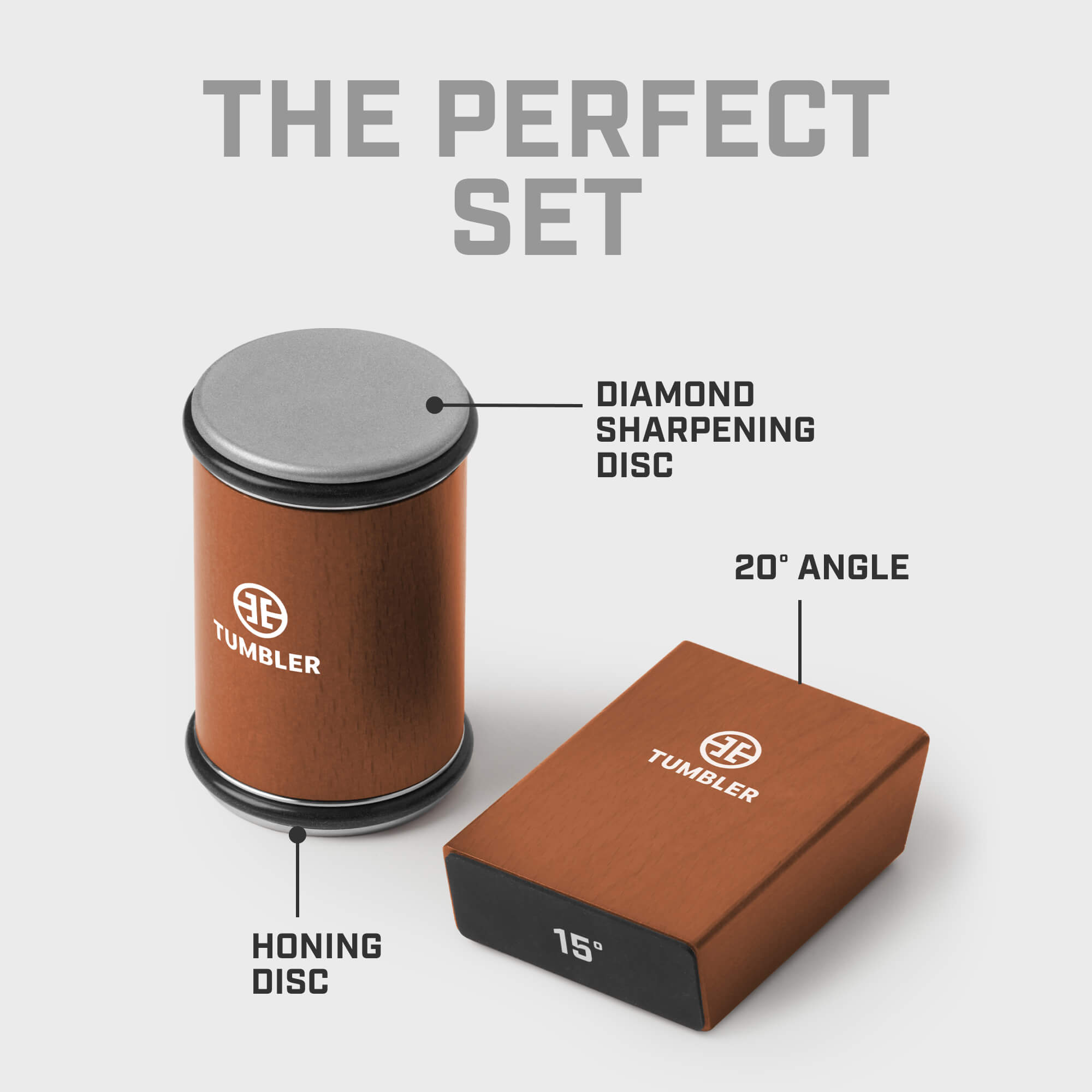
Credit: tumblerware.ca
Who Should Use A Tumbler Knife Sharpener?
Not everyone needs a tumbler. Understanding who will get the most value from one is crucial.
Hobbyists And Collectors
If you enjoy restoring old knives or work with many blades at once, a tumbler can save time. The ability to process several knives in a batch is unique to this tool.
Small Workshops
People who make or refurbish knives for hobby or sale might use a tumbler for the first stage of sharpening. It helps clean, deburr, and lightly sharpen many blades, preparing them for finishing on a stone.
People With Very Dull Or Rusty Knives
Tumblers are good at removing rust and heavy corrosion. If you have old, neglected blades, a tumbler can help restore them before final sharpening.
Not For Everyday Kitchen Use
If you just want to keep your kitchen knives sharp, a traditional stone or electric sharpener is usually faster, quieter, and more precise.
How To Use A Tumbler Sharpener Safely
For best results and to avoid accidents, follow these steps:
- Read the Manual: Each tumbler is different. Always read the instructions before first use.
- Choose the Right Media: Use ceramic for gentle sharpening, steel for heavy work, or walnut shells for polishing.
- Clean Knives First: Remove food residue or heavy grime before tumbling.
- Load Evenly: Place knives so they don’t overlap, and don’t overload the drum.
- Set the Timer: Start with a short cycle (30 minutes) and check the edge. Repeat as needed.
- Wear Ear Protection: Tumblers are noisy, so protect your ears if you’re nearby.
- Clean Up: After use, clean the tumbler and blades to remove abrasive dust.
Practical Insights Most Beginners Miss
Even though tumblers seem simple, there are some tips and warnings that new users often overlook.
1. Abrasive Media Quality Matters
Not all abrasive media are equal. Cheap media can break down, scratch blades, or leave residue. Investing in high-quality ceramic or stainless media gives better, safer results.
2. Blade Placement Affects Results
If a blade lies flat, the edge may not get enough contact. If it stands on its spine, it may get over-sharpened or damaged. Always check your blade position before starting.
3. Not All Steels React The Same
High-carbon steels sharpen faster in a tumbler, while stainless steels may need longer cycles. Adjust time based on the knife’s material.
4. Tumblers Don’t Replace Manual Sharpening
For a razor-sharp, precise edge, you’ll still need a finishing stone or honing rod. Tumblers are best for rough sharpening and cleaning, not for final edge work.
5. Over-sharpening Is Possible
If you leave knives in the tumbler too long, you can round off the edge, making it duller or even ruining the blade. Always check progress regularly.
Real-world Performance: What Do Users Say?
Looking at real user reviews and workshop tests can help you decide if a tumbler is right for you.
- Batch Sharpening: People who process many knives at once appreciate the hands-free operation. “I sharpen 10-15 old blades at a time,” one user reported, “and it saves hours compared to doing them one by one.”
- Mixed Results on Sharpness: Some users find that the edge is not as sharp as with a stone or guided system. “Good for cleaning, but I still finish on a whetstone,” is a common comment.
- Restoration Success: Tumblers are praised for bringing old, rusty blades back to life. “My grandfather’s knife was brown with rust, but after a few hours in the tumbler, it looked new.”
- Noise Complaints: Many users warn that tumblers can be as loud as a vacuum cleaner, and should be used in a garage or workshop.
- Learning Curve: Beginners sometimes ruin their first blade by over-tumbling or using the wrong media. Taking time to learn pays off.
Cost And Availability
Tumblers are not as common as sharpening stones or electric sharpeners. Entry-level models start around $80-$150, with professional units costing several hundred dollars or more. You also need to buy abrasive media, which adds to the cost.
| Sharpener Type | Average Cost | Maintenance | Replacement Parts |
|---|---|---|---|
| Tumbler | $80–$400 | Media replacement | Drum, motor |
| Sharpening Stone | $20–$100 | Flattening | Stone only |
| Electric Sharpener | $40–$200 | Minimal | Grinding wheels |
| Pull-Through | $10–$40 | Minimal | Ceramic rods |
Alternatives To Tumbler Sharpeners
If you’re not sure about buying a tumbler, consider these popular alternatives:
Sharpening Stones (whetstones)
These are the gold standard for sharpening. You control the angle and pressure, making them ideal for all blade types. They require practice but offer the sharpest edge.
Guided Sharpeners
Guided systems hold the knife at a fixed angle, making it easier to get a consistent edge. They are slower than electric sharpeners but more precise.
Electric Sharpeners
These are fast and easy, good for most kitchen knives. They don’t offer as much control as stones, but they’re much quicker than tumblers.
Pull-through Sharpeners
Simple and cheap, these are good for quick fixes but can wear down blades unevenly.
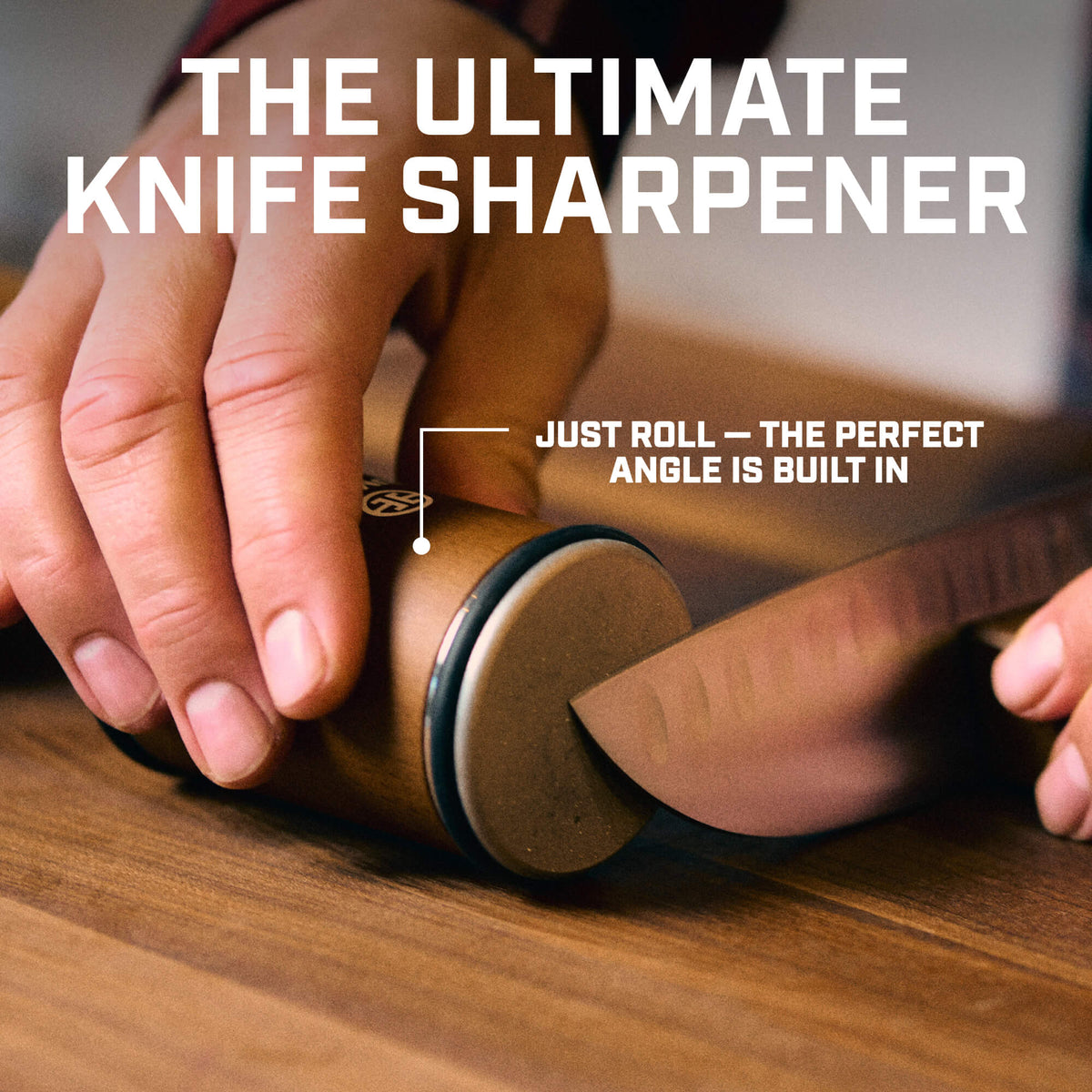
Credit: www.tumblerware.com
Common Mistakes To Avoid With Tumblers
Many first-time users make these errors. Avoid them for better results:
- Using the wrong media: Hard steel media can scratch delicate blades.
- Overloading the drum: Too many knives at once reduce effectiveness.
- Ignoring maintenance: Clean the drum and replace worn media regularly.
- Not checking progress: Always inspect blades partway through the cycle.
Environmental Impact
A tumbler’s environmental impact is mixed. Using reusable media and running large batches is more efficient, but the device uses electricity and can produce abrasive dust. Compare this to stones, which require only water and last years with no power.
Summary: Is Tumbler A Good Knife Sharpener?
A tumbler knife sharpener can be a useful tool, but it’s not for everyone. It shines when you need to restore old, rusty blades or process several knives at once. The hands-free design is convenient, and it does a good job of cleaning and polishing. However, it’s not precise, is often noisy, and takes longer than most other sharpening methods. For most home cooks or knife owners, a sharpening stone or electric sharpener offers better control, faster results, and less risk of damaging the blade.
If you’re a collector, restorer, or hobbyist with many dull blades, a tumbler is worth considering as part of your toolkit. But for daily kitchen use or high-quality knives, stick to traditional sharpening tools. For more about different sharpening methods, check resources like the Wikipedia Knife Sharpening Guide.
Frequently Asked Questions
Is A Tumbler Safe To Use With All Types Of Knives?
No, tumblers are best for sturdy, utility blades or restoration projects. Avoid using tumblers with high-end Japanese knives or thin chef’s knives, as the process can damage the fine edge.
How Long Does It Take To Sharpen A Knife With A Tumbler?
It usually takes between 1 to 3 hours per batch. The exact time depends on how dull or rusty the blades are and the type of abrasive media used.
Can I Use A Tumbler For Scissors Or Tools?
Yes, tumblers can also clean and lightly sharpen other tools like scissors, chisels, or garden shears. However, for precise edges, finish with a stone or file.
What Maintenance Does A Tumbler Require?
You need to clean the drum and replace or wash abrasive media regularly. Also, check the motor and moving parts for wear after heavy use.
Do Professional Chefs Use Tumbler Sharpeners?
Very rarely. Professional chefs prefer stones or guided sharpeners for precision. Tumblers are more common in workshops or for people restoring many old blades at once.
With this information, you can decide if a tumbler knife sharpener fits your needs—or if you’re better off with a more traditional tool. Choose wisely, keep your knives sharp, and always handle blades with care.

Credit: www.tumblerware.com

Hello, This is Annie Walker, a 38-year-old blogger, founder, and editor of Cookware Guider from NY, USA. I am a cookware fanatic and passionate cooker. I love to cook with different types of cooking appliances (example: all types of cookware, rice cookers, slow cookers, etc) almost every day in my kitchen. I love to share my experience with my readers in my blog. Also, I enjoy helping people to solve their problems through my website. You can follow me on Twitter & Pinterest. To know details about my blog please check the about us page.