
Are you thinking about upgrading your kitchen or buying a new cooking appliance? Understanding what a cooktop range is can make a big difference in your choice.
You might have heard the term before but aren’t quite sure what it means or how it can benefit your cooking experience. This article will clear up the confusion and help you discover why a cooktop range might be the perfect addition to your kitchen.
Keep reading to learn what makes a cooktop range stand out and how it can transform the way you cook every meal.

Credit: steelmadeusa.com
Cooktop Range Basics
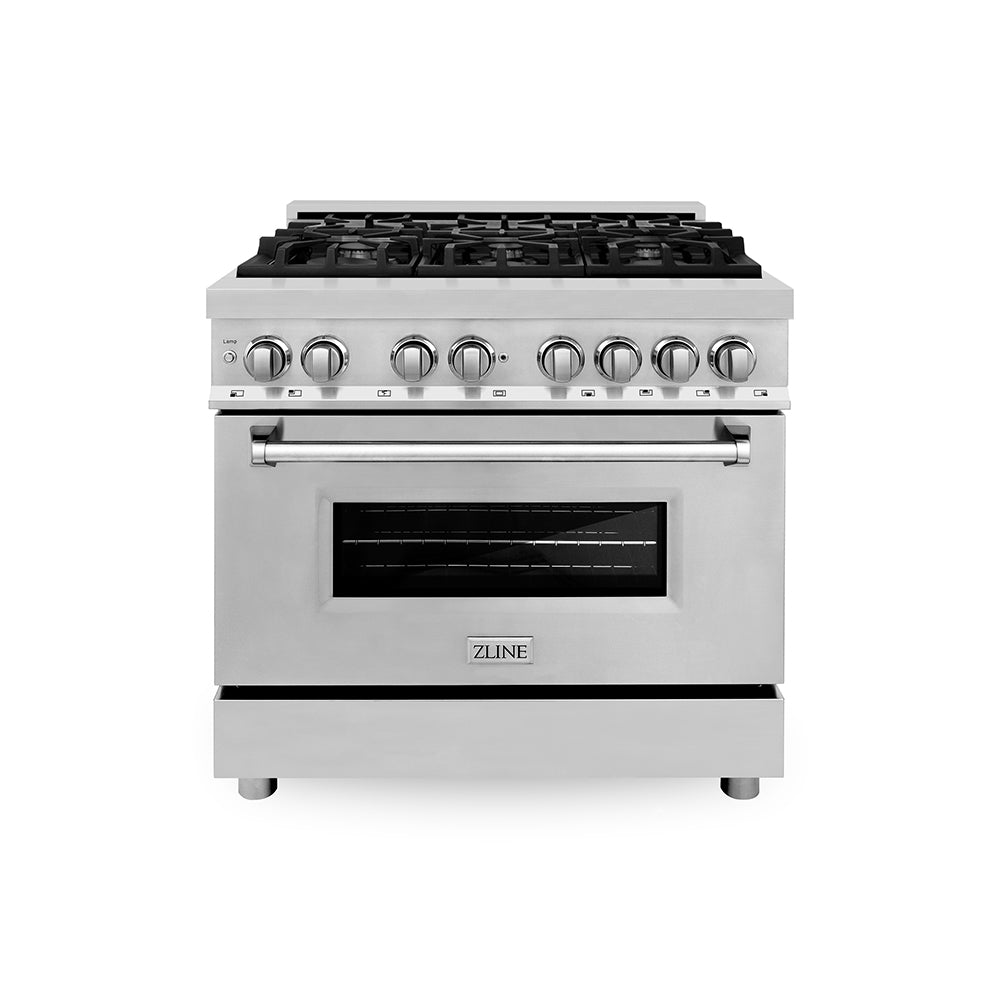
A cooktop range is an essential kitchen appliance designed for cooking food. It sits on the countertop or is built into the kitchen surface. This device offers several burners or heating elements to prepare meals quickly and efficiently.
Understanding the basics of a cooktop range helps you choose the right one for your kitchen. It involves knowing the types available and the key features to look for. Both aspects affect how you cook and how your kitchen looks.
Types Of Cooktop Ranges
Gas cooktop ranges use flames for cooking. They heat up quickly and give precise control of temperature.
Electric cooktop ranges have coil or smooth glass tops. They are easy to clean and provide even heat.
Induction cooktop ranges use magnetic fields to heat pots directly. They are very energy-efficient and safe to use.
Key Features To Consider
Size matters. Choose a cooktop range that fits your kitchen space well.
Number of burners matters too. More burners mean you can cook multiple dishes at once.
Look at the control type. Knobs are common, but touch controls offer a modern feel.
Safety features such as automatic shutoff and child locks add peace of mind.
Easy cleaning surfaces save time and keep your kitchen tidy.
Credit: zlinekitchen.com
Fuel Options
Cooktop ranges come with different fuel options. Each type uses a unique method to heat your food. Choosing the right fuel type affects cooking speed, safety, and energy use.
Gas Cooktops
Gas cooktops use natural gas or propane. They provide instant heat and easy temperature control. Many chefs like gas for its quick response. Flame size adjusts with a simple turn. It works well for boiling, frying, and simmering.
Electric Cooktops
Electric cooktops heat through coils or a smooth glass surface. They take a bit longer to warm up than gas. Electric models offer a steady and even heat. Cleaning is easier, especially with glass tops. They are good for slow cooking and simmering.
Induction Cooktops
Induction cooktops use magnetic fields to heat pots directly. They heat faster than gas and electric types. The surface stays cool, reducing burn risks. Energy transfers efficiently to the pan. Induction is safe and easy to clean.
Size And Configuration
Size and configuration are key factors in choosing the right cooktop range for your kitchen. These elements affect how you cook and how much space the cooktop will take. Understanding sizes and layouts helps find a cooktop that fits your needs and kitchen design.
Standard Sizes
Cooktop ranges come in several standard widths. The most common sizes are 30, 36, and 48 inches wide. Smaller cooktops fit compact kitchens. Larger models offer more cooking space. Depth and height usually stay uniform for easy installation.
Burner Layouts
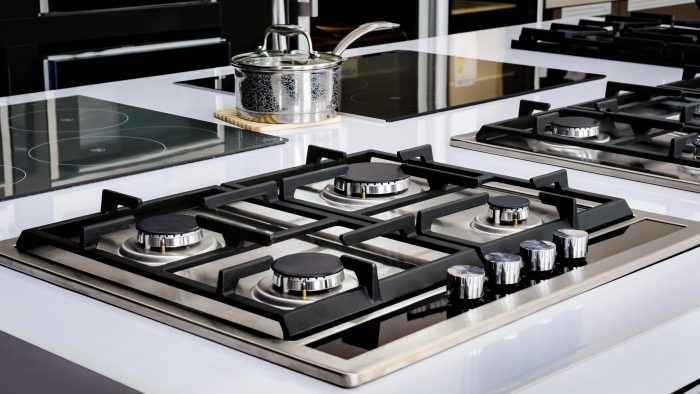
Burners can be arranged in many ways. Most cooktops have four or five burners. Some include a central burner for large pots. Burner sizes vary to support different cooking tasks. Proper layout lets you cook multiple dishes at once.
Custom Configurations
Custom cooktops let you choose burner number and type. You can add grills, griddles, or wok burners. This allows a personalized cooking setup. Custom options suit unique cooking styles and kitchen spaces.
Credit: www.apexappliancemi.com
Material And Design
Material and design play a key role in choosing a cooktop range. They affect durability, cleaning ease, and kitchen style. Understanding different materials and designs helps pick the right cooktop for any kitchen.
Popular Surface Materials
Glass-ceramic surfaces are smooth and easy to clean. They look modern and resist heat well. Stainless steel is strong and resists stains and rust. It fits both classic and modern kitchens. Porcelain enamel offers a colorful, durable finish. It can handle high heat and heavy use. Each material has its own benefits for cooking and maintenance.
Finish And Aesthetics
Matte finishes hide fingerprints and smudges better. Glossy finishes shine and give a sleek look. Some cooktops have brushed metal finishes for a subtle texture. Colors vary from black and white to stainless steel and custom shades. Design choices affect the kitchen’s overall look and feel. The right finish matches the kitchen style and personal taste.
Safety Features
Cooktop ranges come with safety features to protect users and prevent accidents. These features help keep your kitchen safe and give peace of mind. They reduce risks from overheating, burns, and accidental use.
Most modern cooktops include smart safety tools that make cooking easier and safer. Below are some key safety features found in many cooktop ranges.
Auto Shutoff
Auto shutoff turns off the cooktop after a set time. This feature stops the appliance from running too long. It prevents fires caused by forgetting to turn off the stove. Auto shutoff saves energy and avoids dangerous situations.
Child Lock
Child lock blocks the cooktop controls. It stops children from turning on burners or changing settings. This feature reduces the risk of burns or accidents. Parents can feel safer with child lock active.
Heat Indicators
Heat indicators show if a burner is still hot. They glow or light up after cooking. This warns users to avoid touching hot surfaces. Heat indicators prevent burns and remind you to be careful.
Installation And Ventilation
Proper installation and ventilation are key for any cooktop range. They ensure safety, efficiency, and a clean kitchen environment. Understanding these factors helps you choose the best setup for your space. This section explains the differences in installation types and the importance of good ventilation.
Built-in Vs Drop-in
Built-in cooktops fit flush with your countertop. They offer a sleek and modern look. These require precise measurements and professional installation. Drop-in cooktops rest on the countertop with edges visible. They are easier to install and replace. Both types need secure connections to gas or electricity. Choose the style that suits your kitchen layout and skill level.
Ventilation Requirements
Cooktops produce heat, smoke, and odors. Proper ventilation removes these quickly. A range hood or exhaust fan is essential. It should match the cooktop size and power. Ventilation systems must vent air outside. Recirculating fans filter air but do not remove heat. Poor ventilation can cause smoke buildup and damage walls. Install ventilation at the right height for best airflow. Regular cleaning keeps vents working well and safe.
Maintenance And Cleaning
Maintaining and cleaning a cooktop range keeps it working well and looking good. Dirt and grease can build up fast. Regular care helps avoid damage and extends the life of your cooktop. Clean cooktops also make cooking safer and more pleasant.
Routine Cleaning Tips
Wipe your cooktop after each use with a soft cloth or sponge. Use warm, soapy water for daily cleaning. Avoid harsh cleaners that can scratch the surface. For glass cooktops, use a cleaner made for glass. Always wait for the cooktop to cool down before cleaning. Remove burner grates and knobs to clean separately. Dry all parts well before reassembling.
Dealing With Stubborn Stains
Stubborn stains need extra care. Use a baking soda paste made from baking soda and water. Apply the paste to the stain and let it sit for 15 minutes. Gently scrub with a soft cloth or sponge. For tough burnt-on food, use a scraper made for cooktops. Avoid metal scrubbers that can cause scratches. Rinse the area with clean water and dry well.
Budget And Warranty
Understanding the budget and warranty for a cooktop range helps you make a smart choice. These factors affect both your initial cost and long-term satisfaction. A clear idea about price ranges and warranty coverage ensures you get good value for your money.
Price Ranges
Cooktop ranges come in many price levels. Basic models start around $300. Mid-range cooktops usually cost between $600 and $1,200. High-end models can go beyond $2,000. Prices vary by size, fuel type, and extra features. Choose a cooktop that fits your budget and needs.
Warranty Coverage
Most cooktop ranges offer a warranty to protect your purchase. Standard warranties last from one to three years. Some brands provide extended coverage for key parts like burners or electronics. Check what the warranty covers and any conditions. A solid warranty gives peace of mind and saves repair costs.
Top Brands And Models
Choosing the right cooktop range can change your cooking experience. Knowing the top brands and models helps narrow down choices. Quality, reliability, and features differ across brands. This section highlights popular brands and highly rated models to guide your decision.
Popular Brands
Many brands offer cooktop ranges with various styles and features. GE is known for durable and affordable models. Samsung provides sleek designs with advanced technology. Bosch focuses on precision and energy efficiency. Whirlpool makes user-friendly cooktops with solid performance. KitchenAid offers powerful cooking options for serious chefs.
Highly Rated Models
The GE Profile Series cooktops combine style and functionality well. Samsung’s Flex Duo model allows flexible cooking zones. Bosch Benchmark models deliver quiet operation and quick heating. Whirlpool’s Gold Series features easy-to-clean surfaces. KitchenAid’s Architect Series offers strong burners and smart controls. These models receive positive reviews for performance and design.
Making The Right Choice
Choosing the right cooktop range shapes your cooking experience. It impacts how you prepare meals and how comfortable you feel in your kitchen. Picking a cooktop that fits your needs saves time and effort. Consider your cooking habits and kitchen setup carefully. This helps you find a cooktop range that suits your style and space perfectly.
Matching Cooktop To Cooking Style
Think about the foods you cook most often. Do you use pots and pans for boiling, frying, or simmering? Electric cooktops offer steady heat and are easy to clean. Gas cooktops provide quick heat changes for precise cooking. Induction cooktops heat fast and use less energy. Choose a cooktop that fits your usual cooking methods. This makes cooking easier and more enjoyable.
Space And Kitchen Layout Considerations
Measure the area where the cooktop will go. Check the counter space and nearby cabinets. Small kitchens need compact cooktops with fewer burners. Larger kitchens can fit bigger cooktops with more features. Consider ventilation and power supply too. Plan the layout so the cooktop fits well and is safe to use. Proper space planning keeps your kitchen functional and neat.
Frequently Asked Questions
What Is A Cooktop Range Used For?
A cooktop range is used for cooking food on a flat surface. It offers burners or heating elements for boiling, frying, and simmering. It combines the cooktop and oven in one appliance, providing convenience and space-saving in the kitchen.
How Does A Cooktop Range Differ From A Stove?
A cooktop range combines both the cooktop and oven, while a stove may only include burners. Cooktop ranges are built-in or freestanding units offering more cooking options. Stoves might be standalone cooktops or ovens. The range provides integrated cooking and baking functions.
What Are The Types Of Cooktop Ranges?
Cooktop ranges come in gas, electric, and induction types. Gas ranges offer quick heat control with open flames. Electric ranges use heating coils or smooth tops. Induction ranges heat cookware through magnetic fields, providing fast and efficient cooking.
Are Cooktop Ranges Energy Efficient?
Cooktop ranges, especially induction types, are energy efficient. Induction cooktops use magnetic energy, reducing heat loss and cooking time. Gas and electric ranges vary in efficiency, but modern models focus on energy-saving technologies. Proper use enhances overall efficiency.
Conclusion
A cooktop range combines cooking and heating in one unit. It fits well in many kitchens, saving space. Choosing the right type depends on your cooking style. Gas, electric, or induction—all have their pros and cons. Knowing how a cooktop range works helps make smart choices.
It makes cooking easier and more enjoyable. Consider your needs before buying. A good cooktop range can last for years. Simple, practical, and useful—this appliance suits many homes.

Hello, This is Annie Walker, a 38-year-old blogger, founder, and editor of Cookware Guider from NY, USA. I am a cookware fanatic and passionate cooker. I love to cook with different types of cooking appliances (example: all types of cookware, rice cookers, slow cookers, etc) almost every day in my kitchen. I love to share my experience with my readers in my blog. Also, I enjoy helping people to solve their problems through my website. You can follow me on Twitter & Pinterest. To know details about my blog please check the about us page.